
Nutrition comparison
Duck vs Quail: Which Poultry Is Healthier for You?
Compare duck and quail nutrition including fat, protein, cholesterol, and calories. Find out which bird is better for weight loss, heart health, and everyday meals.
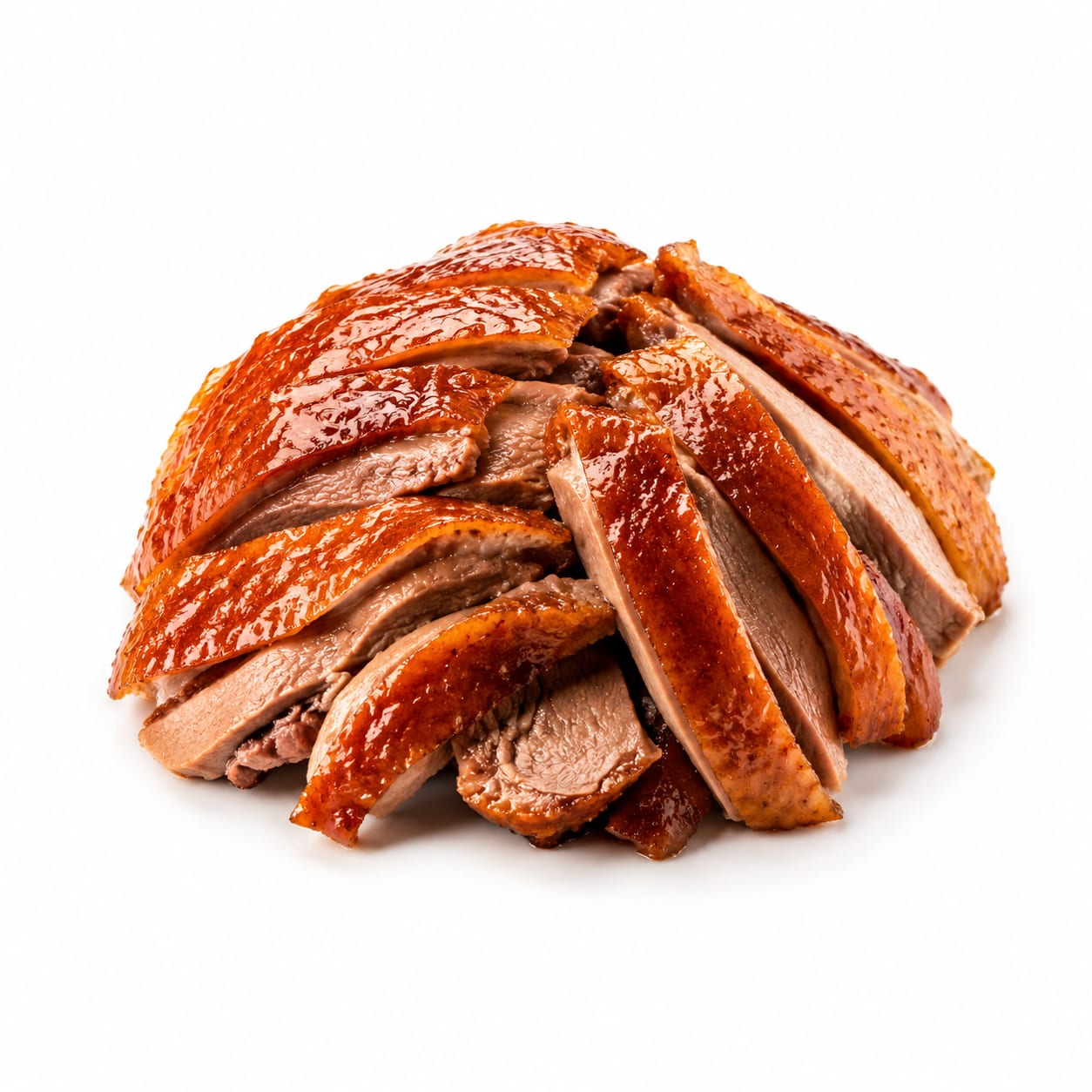
Duck
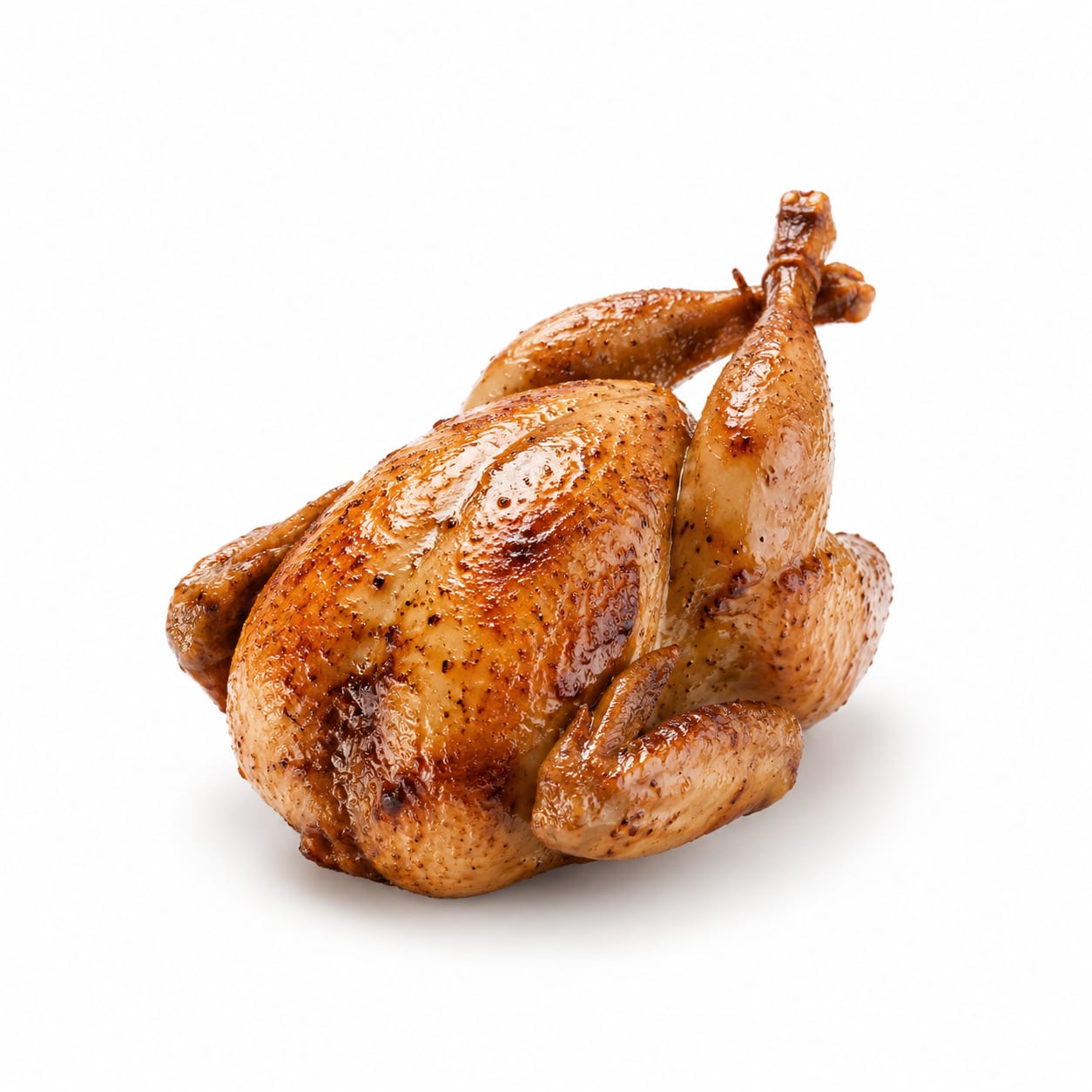
Quail
Duck delivers richer flavor and more filling meals but carries heavy fat and calorie loads. Quail is the leaner, lighter choice with better nutrient density per calorie but requires more effort to source and prepare.
Quail scores higher overall due to superior leanness, better nutrient density per calorie, and lower cardiovascular risk. Duck earns points for satiety, iron content, and culinary accessibility but loses ground on fat and cholesterol.
Flavor and satisfaction versus leanness and heart health. Duck indulges; quail trims.
At a glance
Executive summary
Overall
It depends
Healthier
Quail
More practical
Duck
Daily use
Quail
Key comparison lenses
Protein quality and leanness comparison
Both are poultry but differ dramatically in fat content, making protein-to-calorie ratio a primary concern
Heart health and cholesterol impact
Duck is notably high in saturated fat and cholesterol while quail is leaner, creating a clear cardiovascular tradeoff
Culinary practicality and availability
Duck is more accessible in grocery stores and restaurants, while quail is specialty and often requires effort to source
Micronutrient density per calorie
Quail delivers more nutrients per calorie due to lower fat content, while duck offers richer B-vitamin and iron content in absolute terms
Satiety and meal satisfaction
Duck's fat content makes it more filling and satisfying, while quail's leanness may leave diners wanting more
Best choice for
Duck
- Those wanting a rich, satisfying meal for special occasions
- Home cooks preparing an impressive dinner
- People needing high caloric intake or struggling to eat enough
- Fans of French or Chinese culinary traditions
Quail
- Anyone watching cholesterol or saturated fat closely
- Lean-protein seekers aiming to minimize calories
- People managing heart disease risk factors
- Adventurous eaters exploring game bird cuisine
Least suitable for
Duck
- People with high cholesterol or cardiovascular concerns
- Anyone strictly managing calorie intake
- Those avoiding high-fat meats on a doctor's recommendation
Quail
- People wanting a hearty, filling main course
- Those on a tight food budget
- Diners who find eating small bony birds frustrating
Deep comparison
Dimension by dimension
Each lens scores both foods and breaks down who each option suits.
- Dimension 1 · Priority 92Quail
Protein Quality and Leanness
Duck · 55Quail · 88Quail provides comparable protein with far less fat, making it a much leaner protein source per serving.
Tradeoff
Duck offers more total protein per bird simply due to size, but you pay for it with significantly more fat calories.
Why it matters
Leaner protein supports muscle maintenance without excess saturated fat that stresses the heart over time.
Real-world impact
A quail dinner keeps you on track with macros. A duck dinner can easily blow past your daily fat budget.
Duck
- Bodybuilders in a bulking phase who welcome extra calories
- Those who find lean meats unsatisfying and end up overeating later
Better for
- Those with elevated LDL cholesterol
- Anyone on a calorie-restricted eating plan
Worse for
Quail
- Anyone tracking macros who wants high protein with minimal fat
- People aiming to reduce saturated fat without sacrificing meat
Better for
- Very active individuals who need calorie-dense meals to meet energy needs
Worse for
- Dimension 2 · Priority 88Quail
Heart Health and Cholesterol Impact
Duck · 35Quail · 78Duck is one of the fattiest common poultry options with high saturated fat and cholesterol. Quail is dramatically leaner and gentler on cardiovascular health.
Tradeoff
Duck's fat is what makes it taste incredible, but that same fat is what makes it a risky regular choice for heart health.
Why it matters
Regular saturated fat intake raises LDL cholesterol and increases heart disease risk over years, not just one meal.
Real-world impact
Eating duck weekly could meaningfully shift your cholesterol numbers. Quail lets you enjoy poultry without that worry.
Duck
- Those with no cardiovascular risk factors who eat duck occasionally
Better for
- Anyone with existing heart conditions or elevated lipids
- People whose doctor has recommended reducing red meat and fatty poultry
Worse for
Quail
- Anyone with a family history of heart disease
- People managing high cholesterol or hypertension
Better for
- No significant heart health downside to quail
Worse for
- Dimension 3 · Priority 75Quail
Micronutrient Density Per Calorie
Duck · 60Quail · 82Quail delivers more iron, B vitamins, and minerals per calorie consumed. Duck offers strong absolute micronutrient levels but they come bundled with many more fat calories.
Tradeoff
Duck has impressive B12 and iron content in absolute terms, but you consume far more calories to get those nutrients.
Why it matters
Nutrient density per calorie matters more for most people than total nutrients per serving, since excess calories carry their own health costs.
Real-world impact
You get more nutritional value per bite from quail, making it easier to stay nourished without overeating.
Duck
- Those who are underweight or need calorie-dense nutrition
- Individuals with high caloric needs who benefit from nutrient-rich fatty foods
Better for
- Those who cannot afford the caloric cost of duck's fat payload
Worse for
Quail
- Anyone wanting maximum nutrition from fewer calories
- People managing their weight while maintaining adequate micronutrient intake
Better for
- No significant micronutrient downside to quail
Worse for
- Dimension 4 · Priority 70Duck
Satiety and Meal Satisfaction
Duck · 85Quail · 55Duck's rich fat content makes it deeply satisfying and filling. Quail is light and lean, which can leave you hungry sooner.
Tradeoff
That satisfying fullness from duck comes from its fat load. The lighter feeling from quail means you may need side dishes to feel full.
Why it matters
Meals that leave you satisfied reduce snacking and overeating later, but only if the calorie cost fits your daily budget.
Real-world impact
A duck breast dinner feels like a real meal. A quail serving can feel like an appetizer unless you add sides.
Duck
- People who find lean meats unsatisfying
- Those wanting one course to feel completely full
Better for
- People who tend to overeat when food is rich and fatty
Worse for
Quail
- Diners who prefer lighter meals
- Those who like multi-course dining experiences where quail is one part
Better for
- Those prone to snacking after unsatisfying meals
Worse for
- Dimension 5 · Priority 80Duck
Practicality and Availability
Duck · 82Quail · 40Duck is widely available in grocery stores and restaurants. Quail is a specialty item requiring specialty butchers, online orders, or gourmet shops.
Tradeoff
Duck is easy to find and cook with abundant recipes available. Quail requires effort to source and often costs more per pound.
Why it matters
The healthiest protein only works if you can actually buy and prepare it regularly without frustration.
Real-world impact
You can grab duck at most well-stocked supermarkets. Quail might require a special trip or online order with shipping costs.
Duck
- Home cooks who want accessible ingredients
- People who shop at regular grocery stores
- Those who want plenty of recipe options and cooking guidance
Better for
- No significant practicality downside to duck
Worse for
Quail
- Adventurous cooks with access to specialty markets
- People who enjoy hunting for unique ingredients
Better for
- Busy people who cannot spend time sourcing specialty poultry
- Those on a budget who cannot justify premium pricing
Worse for
- Dimension 6 · Priority 65Duck
Culinary Versatility
Duck · 80Quail · 50Duck works across many cuisines and cooking methods from roasting to confit to stir-fry. Quail is more limited, often roasted whole or grilled, with fewer mainstream applications.
Tradeoff
Duck fat can even be saved and reused for cooking other dishes. Quail's small size limits how you can prepare it.
Why it matters
Versatility determines how often you will actually cook with an ingredient versus letting it sit unused.
Real-world impact
Duck breast, duck legs, duck fat, and duck confit all offer different experiences. Quail is mostly one thing: small roasted bird.
Duck
- Creative home cooks who want multiple preparation options
- People who appreciate rendered fat as a cooking ingredient
Better for
- No significant versatility downside to duck
Worse for
Quail
- Those who enjoy simple, elegant preparations without complexity
Better for
- Cooks who get bored with limited preparation methods
Worse for
Timeline
Health impact over time
Short-term
Hours to days
Duck
- Heavy, satisfying fullness after eating due to high fat content
- Possible sluggishness after a rich duck meal
- Slow digestion from the fat load, which can feel either comforting or heavy
Quail
- Light, clean feeling after eating with no heaviness
- Quick digestion without the fat-induced slowdown
- Likely hunger returning sooner unless paired with filling sides
Long-term
Months to years
Duck
- Regular consumption may raise LDL cholesterol and cardiovascular risk
- High saturated fat intake could contribute to weight gain if portions are not controlled
- Iron and B12 benefits support energy and blood health when consumed in moderation
Quail
- Lean protein supports heart health and healthy weight maintenance long-term
- Consistent micronutrient intake without excess calories benefits metabolic health
- Low saturated fat intake helps maintain favorable cholesterol levels
Risk profile
Safety & processing
Both duck and quail are typically sold as whole birds or cuts without additives. When purchasing from quality sources, both are natural, minimally processed protein options. The main concern is farming practices rather than processing.
Duck
Improper cooking of duck breast
mediumDuck is often served medium-rare, which carries some risk if the bird was not raised and handled to standards allowing safe undercooking.
Fat quality from conventionally raised duck
lowConventionally farmed duck may have less favorable fat composition and potential antibiotic residues compared to pasture-raised options.
Quail
Insufficient cooking due to small size
mediumQuail's small size means it can be overcooked on the outside while remaining undercooked near the bone, creating food safety concerns.
Wild-caught contamination
mediumIf sourcing wild quail, there is risk of lead shot residue or environmental contaminants not present in farmed birds.
Who wins for whom
Audience fit
Same foods, different winners depending on your goal.
children
DuckDuck is easier to serve in recognizable portions. Quail's small bones present a choking hazard for young children.
daily consumption
QuailQuail's low saturated fat content makes it safer to eat regularly without cardiovascular concerns.
diabetes
QuailQuail's leanness avoids the saturated fat that worsens insulin resistance over time.
elderly
QuailQuail's lean profile is gentler on aging cardiovascular systems and easier to digest in smaller portions.
muscle gain
DuckDuck provides more total protein and calories per serving, which supports muscle building in a caloric surplus.
weight loss
QuailQuail's low calorie and fat content make it far easier to fit into a calorie-controlled eating plan.
Your move
Decision guide
Choose Duck
- You are preparing a special occasion meal and want something rich and impressive
- You have no cholesterol concerns and want a deeply satisfying dinner
- You are in a bulking phase and welcome calorie-dense protein
- You love cooking with duck fat and want a versatile ingredient
Choose Quail
- You are managing heart health, cholesterol, or body weight
- You want lean poultry without the fat burden of duck
- You enjoy delicate flavors and elegant presentations
- You are willing to source specialty ingredients for health benefits
Either works if
- You want high-quality complete protein from poultry
- You are comfortable cooking birds and want something beyond chicken
- You value B vitamins and iron from game bird proteins
Avoid both if
- You are vegetarian or vegan
- You have a poultry allergy
- You cannot source either from reliable suppliers with safe handling practices
Final recommendation
For regular meals, quail is the smarter choice: lean, nutrient-dense, and easier on your heart. Save duck for occasions when richness and satisfaction matter more than nutritional optimization. If you eat duck, keep portions moderate and balance it with lighter sides and leaner meals throughout the week.
Practical
Consumer tips
- 1
Look for pasture-raised duck when possible for better fat quality and farming standards
- 2
If cooking duck, prick the skin and render the fat slowly for crispier results and less greasiness
- 3
Save rendered duck fat for roasting vegetables, which adds incredible flavor to otherwise healthy sides
- 4
Quail pairs well with grains and roasted vegetables to create a complete, filling meal
- 5
When buying quail, check if it is farmed or wild-caught, as wild quail may carry lead shot residue
- 6
Both birds benefit from marinades, but duck can handle bold flavors while quail suits lighter herb-based preparations
- 7
If cholesterol is a concern, enjoy duck no more than once or twice a month and remove the skin before eating