
Nutrition comparison
Duck vs Beef Ribeye: Nutrition, Fat Quality, and Health Comparison
Compare Duck and Beef Ribeye to see which meat is healthier. Discover the differences in fat quality, protein density, and which is better for your diet.
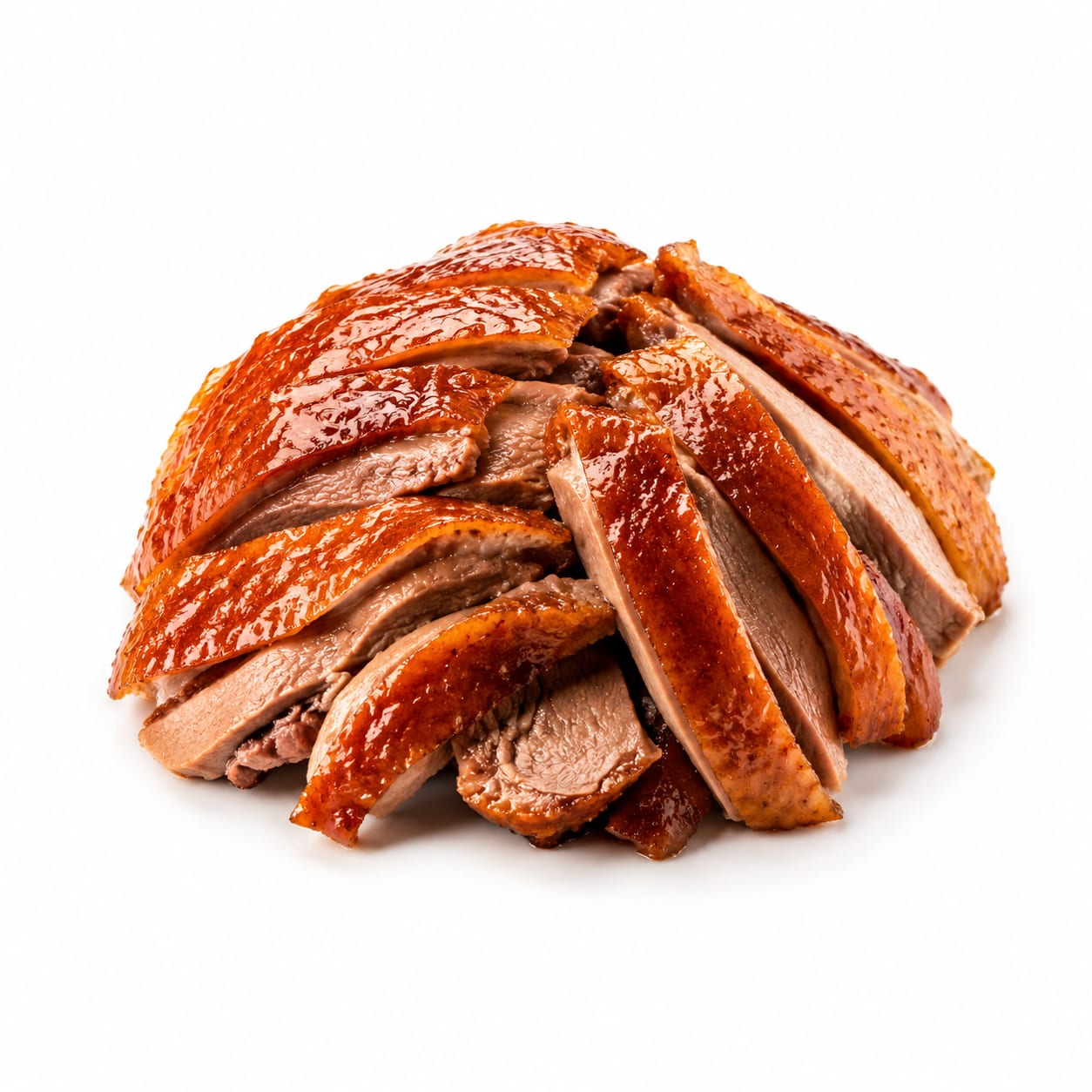
Duck
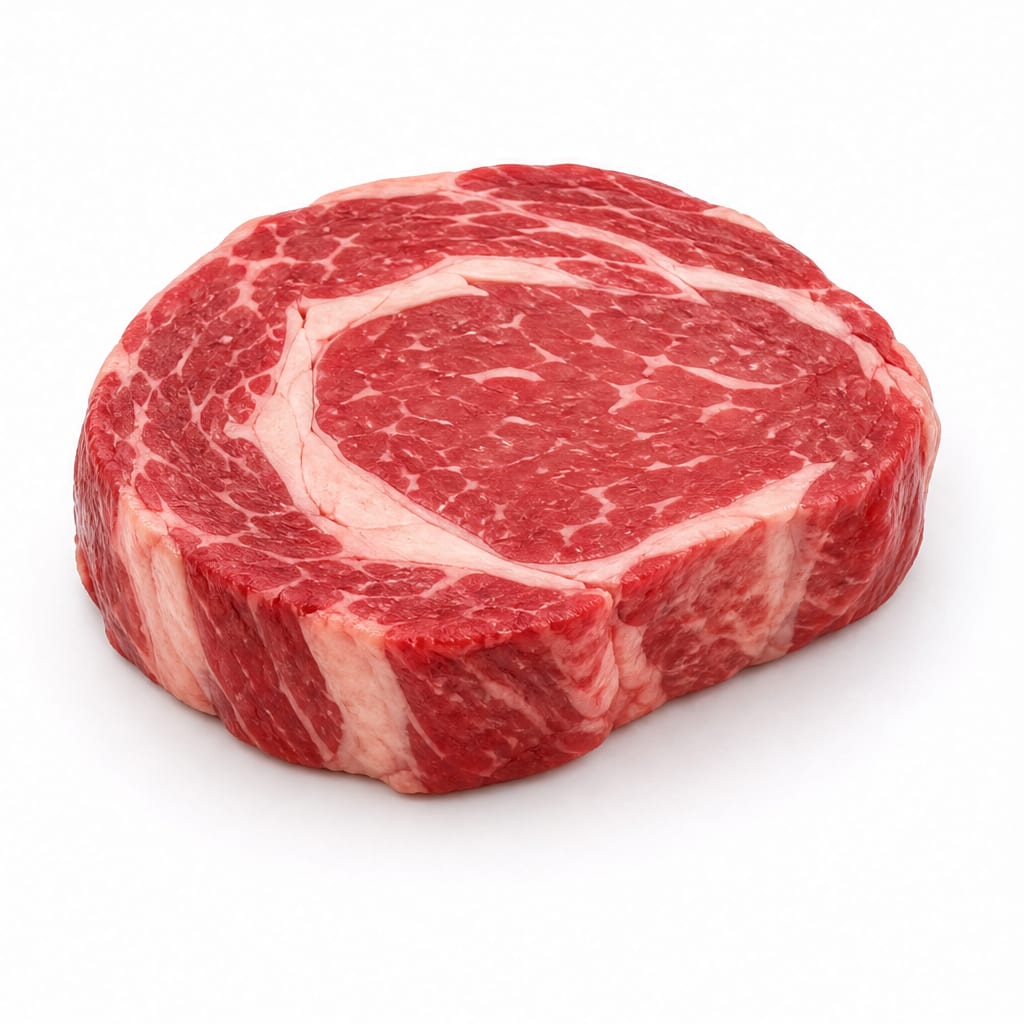
Beef Ribeye
Duck offers heart-friendlier monounsaturated fats, while Beef Ribeye delivers superior protein density and mineral content.
Duck narrowly wins overall due to its superior fat profile, but Beef Ribeye remains highly competitive because of its unmatched protein and mineral density. The close scores reflect that both are indulgent, calorie-rich meats best enjoyed in moderation.
You must choose between a healthier fat profile in Duck or a more efficient protein and micronutrient load in Beef Ribeye.
At a glance
Executive summary
Overall
It depends
Healthier
Duck
More practical
Beef Ribeye
Daily use
It depends
Key comparison lenses
Fat quality and cardiovascular impact
Duck is uniquely high in monounsaturated fat for a meat, while Beef Ribeye is heavily marbled with saturated fat, making heart health the primary concern.
Protein density for muscle building
Both are premium proteins, but Beef Ribeye offers significantly more protein per calorie, which matters for body composition goals.
Satiety and caloric density
Both are rich, heavy meats that strongly impact fullness and daily calorie budgets.
Micronutrient dominance
Red meat eaters often seek specific minerals like iron and zinc, which vary between these two options.
Best choice for
Duck
- People prioritizing heart health who still want a rich meal
- Home cooks wanting to render flavorful fat for other dishes
- Those seeking the culinary benefits of monounsaturated fats
Beef Ribeye
- Athletes needing high protein per calorie for muscle repair
- Individuals trying to correct iron or B12 deficiencies
- Classic steak enthusiasts wanting a straightforward grilling experience
Least suitable for
Duck
- Strict low-fat dieters who find Duck skin too calorie-dense
- People wanting a quick, everyday weeknight protein
- Those who dislike rich, oily meats
Beef Ribeye
- People actively managing high LDL cholesterol
- Those on strict calorie deficits who cannot afford the saturated fat load
- Individuals avoiding heavy food comas after dinner
Deep comparison
Dimension by dimension
Each lens scores both foods and breaks down who each option suits.
- Dimension 1 · Priority 95Duck
Fat Quality & Heart Health
Duck · 85Beef Ribeye · 55Duck fat is predominantly monounsaturated, similar to olive oil, making it surprisingly heart-friendly for a rich meat.
Tradeoff
You get healthier fats with Duck, but it is still a very calorie-dense meat if you eat the skin.
Why it matters
Saturated fat from Beef Ribeye can raise LDL cholesterol over time, while monounsaturated fat is far more neutral or even beneficial for your lipid profile.
Real-world impact
Choosing Duck means your indulgent dinner is less likely to negatively impact your bloodwork compared to a heavily marbled ribeye.
Duck
- Those monitoring cardiovascular risk markers
- People wanting healthier fats without sacrificing richness
Better for
- Those who assume all poultry fat is healthy and overeat it
- People strictly tracking total dietary fat grams
Worse for
Beef Ribeye
- Those on keto diets who prioritize saturated fat for energy
- People who naturally tolerate higher saturated fat intake
Better for
- Individuals with a family history of heart disease
- Those already struggling with high cholesterol
Worse for
- Dimension 2 · Priority 85Beef Ribeye
Protein Density & Muscle Building
Duck · 70Beef Ribeye · 90Beef Ribeye packs significantly more protein per calorie, making it a more efficient tool for muscle repair and growth.
Tradeoff
Ribeye brings more protein but comes with a heavier saturated fat load that can slow digestion.
Why it matters
If you are tracking macros, Ribeye gets you to your protein target faster without requiring massive calorie intake.
Real-world impact
After a heavy workout, a Ribeye will rebuild muscle with less caloric overhead than Duck breast with skin.
Duck
- Endurance athletes needing sustained energy from fats
- Those who prefer a slower-digesting, longer-lasting meal
Better for
- Those needing lean protein for rapid post-workout recovery
- People who find fatty meats too heavy before or after exercise
Worse for
Beef Ribeye
- Bodybuilders needing efficient protein synthesis
- Athletes trying to hit high protein targets on a calorie budget
Better for
- Those with sluggish digestion who struggle with heavy protein and fat combos
- People trying to moderate saturated fat while building muscle
Worse for
- Dimension 3 · Priority 70Beef Ribeye
Micronutrient Profile
Duck · 75Beef Ribeye · 85Beef Ribeye edges out Duck with higher concentrations of zinc, B12, and highly bioavailable heme iron.
Tradeoff
Duck provides excellent B vitamins but lacks the sheer mineral density that makes beef a superfood for deficiency prevention.
Why it matters
Zinc and B12 are critical for immune function and energy, and beef remains one of the most efficient ways to absorb them.
Real-world impact
Eating Beef Ribeye occasionally can help prevent the fatigue and brain fog associated with low iron or B12 levels.
Duck
- Those seeking a good mix of B vitamins and selenium
- People wanting nutrient density without excessive mineral loading
Better for
- Those relying on meat as their primary iron source
- People needing a massive zinc boost for immune recovery
Worse for
Beef Ribeye
- Women prone to iron deficiency
- Older adults needing B12 for cognitive support
Better for
- Individuals with hemochromatosis who must limit iron
- Those who get plenty of minerals from organ meats or supplements
Worse for
- Dimension 4 · Priority 80It depends
Satiety & Caloric Density
Duck · 80Beef Ribeye · 80Both are incredibly filling due to high fat and protein content, easily keeping you full for hours.
Tradeoff
Duck skin renders fat during cooking, so the final calorie count varies wildly based on preparation, whereas Ribeye's calories are more predictable.
Why it matters
High-fat meats shut down hunger hormones effectively, but they can easily push you into a calorie surplus if portions are not controlled.
Real-world impact
Either option will easily carry you from dinner to breakfast without late-night snacking urges.
Duck
- Those who enjoy rich, savory meals that naturally limit portion sizes
- People who like rendering duck fat for cooking vegetables to increase overall meal satiety
Better for
- Mindless eaters who consume large portions of rich meat
- Those who underestimate the calories in rendered fat
Worse for
Beef Ribeye
- Those who prefer predictable calorie tracking
- People who find steak deeply satisfying and crave-stopping
Better for
- People prone to overeating steakhouse portions
- Those who experience heavy food comas after large fatty meals
Worse for
Timeline
Health impact over time
Short-term
Hours to days
Duck
- Deep, lingering satisfaction from the rich fat content
- Possible sluggishness if you overeat the skin and fat
Beef Ribeye
- Rapid feeling of fullness and comfort
- Potential for a heavy food coma due to the dense saturated fat and protein
Long-term
Months to years
Duck
- Better lipid profile if replacing other high-fat meats, thanks to monounsaturated fats
- Weight gain if consumed frequently due to high caloric density
Beef Ribeye
- Increased cardiovascular risk if eaten frequently due to high saturated fat content
- Excellent maintenance of muscle mass and red blood cell production from high iron and B12
Risk profile
Safety & processing
Both Duck and Beef Ribeye are whole, unprocessed cuts of meat. The primary concern is not additives, but rather the farming practices, such as antibiotic use or feed quality, which affect both proteins.
Duck
Campylobacter or Salmonella
mediumLike all poultry, Duck requires careful handling and thorough cooking to avoid bacterial contamination.
Avian flu exposure
lowA rare but possible risk depending on the sourcing and outbreak status of the region.
Beef Ribeye
E. coli contamination
mediumSurface contamination on beef can be an issue, though searing the exterior of a Ribeye effectively kills surface bacteria.
Antibiotic and hormone residues
mediumConventional beef may carry residues; opting for grass-fed or organic mitigates this concern significantly.
Who wins for whom
Audience fit
Same foods, different winners depending on your goal.
children
Beef RibeyeBeef Ribeye is easier to chew and provides highly bioavailable iron and zinc crucial for childhood development.
daily consumption
It dependsNeither should be eaten daily due to the health risks associated with high red meat and saturated fat intake, but Duck is slightly safer for frequent consumption if the skin is removed.
diabetes
DuckDuck has zero carbs and a fat profile that is less likely to exacerbate the insulin resistance linked to high saturated fat intake.
elderly
DuckThe monounsaturated fats in Duck are gentler on aging cardiovascular systems, and the softer texture of slow-cooked duck is easier to chew.
muscle gain
Beef RibeyeBeef Ribeye provides a more concentrated dose of protein and creatine, supporting muscle growth more efficiently.
weight loss
It dependsNeither is ideal for weight loss due to high calorie density, but Duck breast without skin can be surprisingly lean, while Ribeye is consistently fatty.
Your move
Decision guide
Choose Duck
- You want a richer fat profile that is actually beneficial for your heart
- You are cooking a special occasion meal and want to impress with gourmet flair
- You want to render high-quality cooking fat for roasted vegetables
Choose Beef Ribeye
- You need a high-protein meal to recover from intense training
- You are craving a classic, deeply satisfying steakhouse experience
- You want to boost your iron or B12 levels efficiently
Either works if
- You are on a low-carb or keto diet and need a zero-carb indulgence
- You want a meal that will keep you full for the rest of the evening
- You are dining out and want a premium, high-quality protein
Avoid both if
- You are on a strict low-fat or calorie-restricted diet
- You have severe gout and are highly sensitive to purines
- You are trying to minimize your red meat consumption for longevity
Final recommendation
Let your primary health goal decide. If heart health and fat quality are your main concerns, Duck is the surprising winner. If you need maximum protein, iron, and a classic satisfying meal, go with Beef Ribeye. In both cases, portion control is essential to avoid a massive calorie load.
Practical
Consumer tips
- 1
Save the rendered Duck fat in a jar in the fridge; it is phenomenal for roasting potatoes and vegetables.
- 2
Opt for grass-fed Beef Ribeye when possible to get a better omega-3 to omega-6 fat ratio.
- 3
If you want the flavor of Duck but fewer calories, remove the skin after cooking; the meat itself is quite lean.
- 4
Pair either meat with a large serving of bitter greens or cruciferous vegetables to aid digestion and balance the richness.