
Nutrition comparison
Duck vs Chicken Breast: Nutrition, Calories, and Health Comparison
Is duck healthier than chicken breast? Compare calories, fat, and protein to see which poultry is best for weight loss and muscle gain.
Overall winner · Chicken Breast
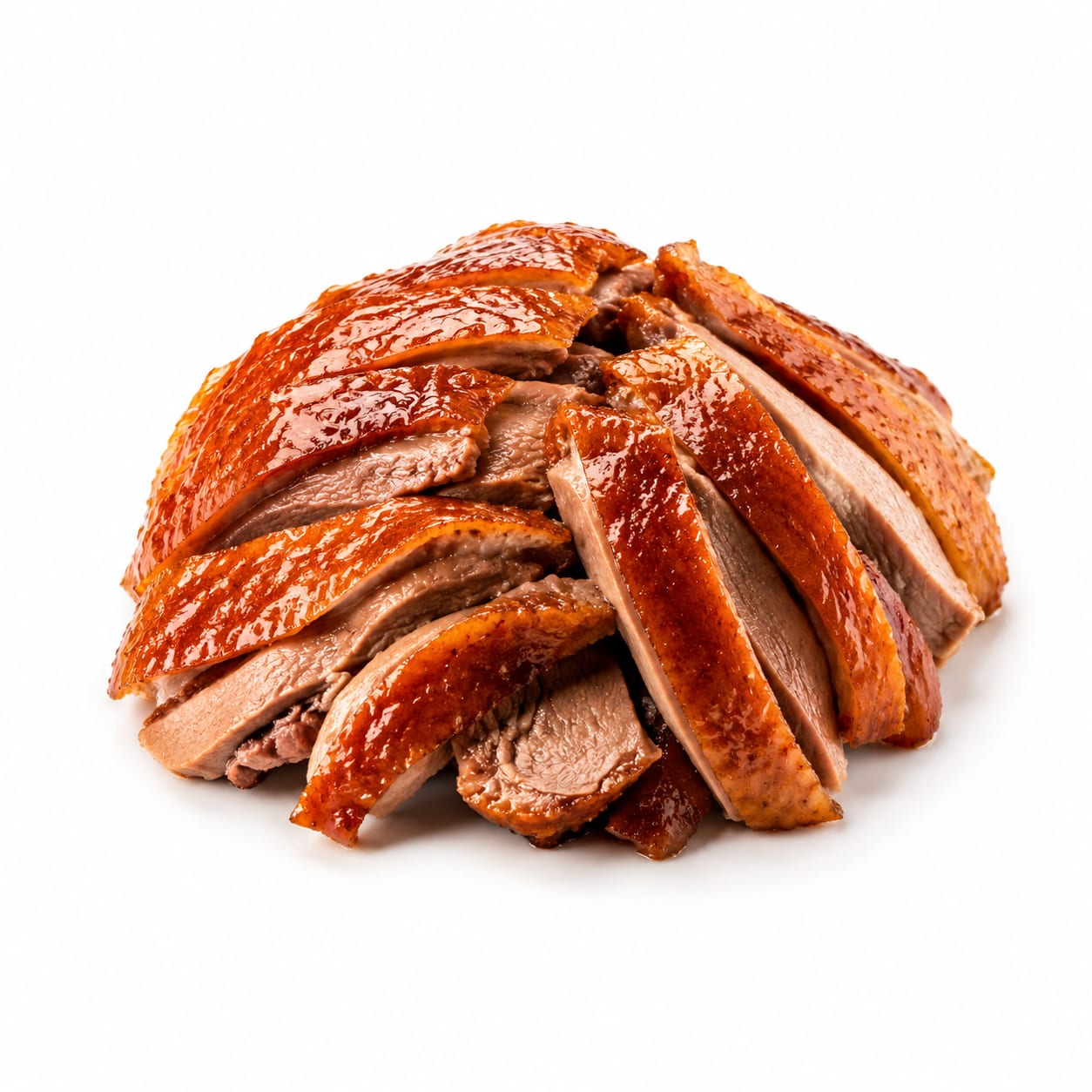
Duck
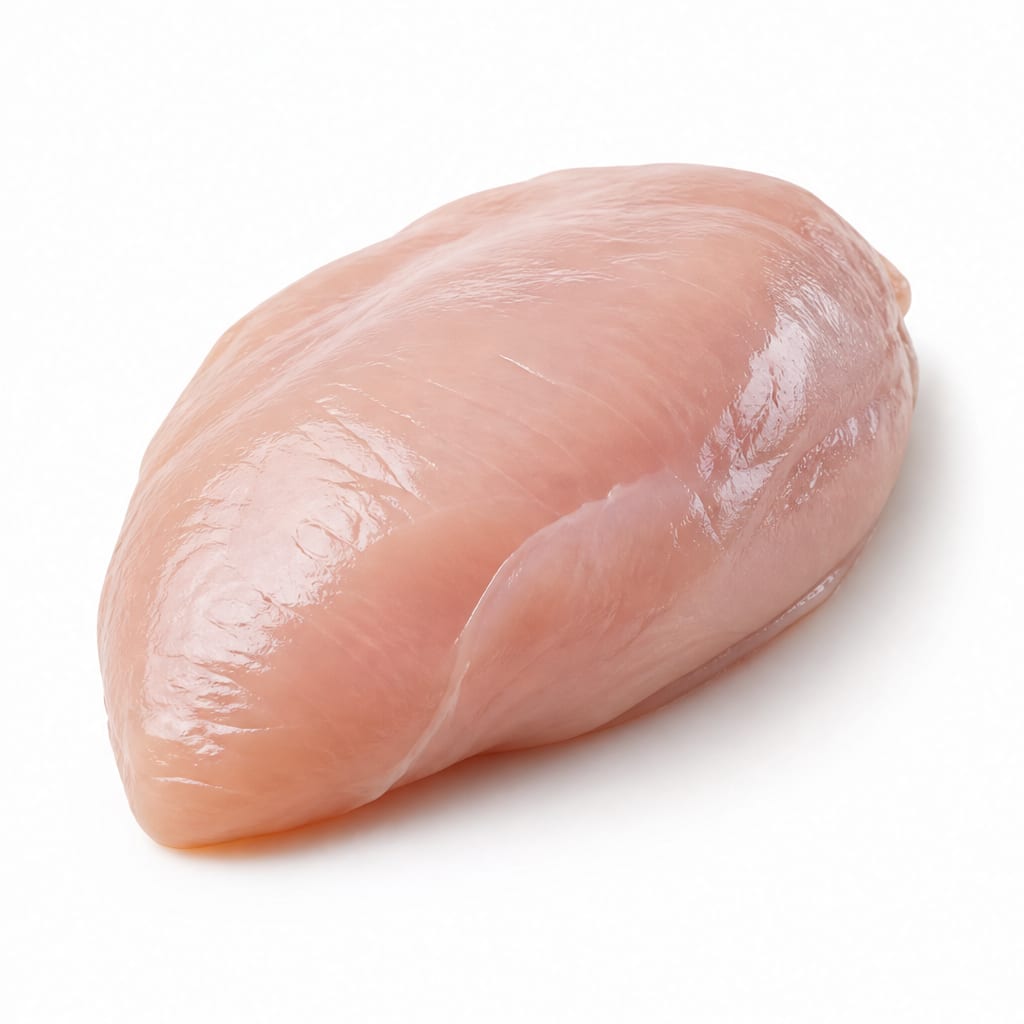
Chicken Breast
Chicken breast wins for lean protein and daily dieting, while duck offers richer flavor but at a high fat and calorie cost.
Chicken breast scores significantly higher due to its lean protein profile, lower calorie density, and broader suitability for daily health goals. Duck scores lower mainly because of its high saturated fat and calorie content, though it remains a high-quality protein source for occasional use.
Flavor and culinary indulgence versus leanness and calorie control.
At a glance
Executive summary
Overall
Chicken Breast
Healthier
Chicken Breast
More practical
Chicken Breast
Daily use
Chicken Breast
Key comparison lenses
Fat and calorie content for weight management
Duck is notoriously high in fat compared to the lean standard of chicken breast, making calorie control the primary decision factor.
Protein density for muscle building
Chicken breast is the gold standard for lean protein, while duck offers protein bundled with heavy fat, affecting macro ratios.
Heart health and saturated fat intake
The saturated fat in duck skin poses concerns for cardiovascular health, whereas chicken breast is actively recommended for heart-healthy diets.
Culinary satisfaction versus diet utility
Duck provides a rich, indulgent eating experience, while chicken breast is a functional, everyday diet staple.
Best choice for
Duck
- Duck is best for special occasion indulgence
- Duck is best for keto and low-carb diets
Chicken Breast
- Chicken breast is best for daily lean protein
- Chicken breast is best for weight loss diets
Least suitable for
Duck
- Duck is least suitable for low-fat diets
- Duck is least suitable for daily consumption
Chicken Breast
- Chicken breast is least suitable for indulgent dining
- Chicken breast is least suitable for high-calorie bulking
Deep comparison
Dimension by dimension
Each lens scores both foods and breaks down who each option suits.
- Dimension 1 · Priority 95Chicken Breast
Protein Density & Muscle Building
Duck · 60Chicken Breast · 95Chicken breast provides far more protein per calorie, making it superior for building muscle and staying lean. Duck still offers solid protein, but it comes packaged with significantly more fat.
Tradeoff
You trade protein density for rich flavor and higher fat when choosing duck over chicken breast.
Why it matters
If you are tracking macros or trying to maximize protein without overshooting calories, chicken breast makes it far easier.
Real-world impact
A chicken breast dinner leaves room for carbs on your plate; a duck breast dinner is already calorie-dense before you add sides.
Duck
- Duck is better for those needing extra calories to bulk
- Duck is better for keto dieters seeking high-fat protein
Better for
- Duck is worse for people on strict low-fat diets
- Duck is worse for those limiting saturated fat
Worse for
Chicken Breast
- Chicken breast is better for athletes in a cutting phase
- Chicken breast is better for anyone counting macros
Better for
- Chicken breast is worse for those who struggle with dry meat
- Chicken breast is worse for people needing a calorie surplus
Worse for
- Dimension 2 · Priority 90Chicken Breast
Fat Content & Heart Health
Duck · 35Chicken Breast · 90Duck is heavily loaded with saturated fat, especially in the skin, while chicken breast is remarkably lean and heart-healthy.
Tradeoff
Choosing duck means accepting a significant hit to your daily saturated fat limit for the sake of culinary richness.
Why it matters
High saturated fat intake is directly linked to elevated cholesterol and heart disease risk over time.
Real-world impact
Eating duck regularly can quickly push your cholesterol intake over recommended limits, whereas chicken breast keeps your heart diet on track.
Duck
- Duck is better for traditional recipes relying on rendered fat
- Duck is better for very active individuals burning high calories
Better for
- Duck is worse for those with cardiovascular concerns
- Duck is worse for anyone trying to lose weight
Worse for
Chicken Breast
- Chicken breast is better for managing high cholesterol
- Chicken breast is better for a heart-healthy lifestyle
Better for
- Chicken breast is worse for flavor-driven dining experiences
- Chicken breast is worse for those who need high-fat intake for medical reasons
Worse for
- Dimension 3 · Priority 85Chicken Breast
Calorie Efficiency & Weight Management
Duck · 40Chicken Breast · 92Chicken breast is a weight-loss staple because it offers massive portion sizes for very few calories. Duck is calorie-dense, making portion control critical.
Tradeoff
You get a smaller, richer portion with duck, or a larger, leaner portion with chicken breast.
Why it matters
Satiety often comes from volume; chicken breast lets you eat more food while staying in a deficit.
Real-world impact
You can eat a generous 8oz chicken breast for fewer calories than a modest 4oz portion of duck with skin.
Duck
- Duck is better for quick calorie loading when appetite is low
- Duck is better for satisfying fat cravings in small portions
Better for
- Duck is worse for those who struggle with portion control
- Duck is worse for consistent daily dieting
Worse for
Chicken Breast
- Chicken breast is better for volume eaters
- Chicken breast is better for sustainable fat loss
Better for
- Chicken breast is worse for those needing calorie-dense meals on the go
- Chicken breast is worse if you find lean meat unsatisfying
Worse for
- Dimension 4 · Priority 75Duck
Flavor & Culinary Satisfaction
Duck · 92Chicken Breast · 55Duck delivers a rich, savory, and indulgent flavor profile that feels like a treat. Chicken breast is mild and requires seasoning to shine.
Tradeoff
You sacrifice nutritional perfection for a deeply satisfying, restaurant-quality eating experience with duck.
Why it matters
Food enjoyment matters for long-term diet adherence; constantly eating bland food can lead to bingeing.
Real-world impact
A well-cooked duck breast feels like a special occasion, while chicken breast feels like routine fuel.
Duck
- Duck is better for romantic dinners and special occasions
- Duck is better for foodies prioritizing taste
Better for
- Duck is worse for quick weeknight cooking
- Duck is worse if you prefer light, refreshing meals
Worse for
Chicken Breast
- Chicken breast is better for taking on bold marinades
- Chicken breast is better for meal prep where neutral flavor is an advantage
Better for
- Chicken breast is worse for gourmet dining at home
- Chicken breast is worse if you easily get bored of lean proteins
Worse for
- Dimension 5 · Priority 60It depends
Micronutrient Profile
Duck · 78Chicken Breast · 75Duck offers more iron and selenium, while chicken breast provides excellent B-vitamins like niacin. Both are highly nutritious.
Tradeoff
Duck gives a slight edge in minerals for blood health, while chicken breast excels in energy-producing B-vitamins.
Why it matters
Iron is crucial for energy and preventing anemia, while B-vitamins help convert food into usable energy.
Real-world impact
Eating duck occasionally can boost iron intake, but chicken breast remains a reliable daily source of energy-supporting nutrients.
Duck
- Duck is better for individuals needing an iron boost
- Duck is better for maintaining selenium levels
Better for
- Duck is worse if you have hemochromatosis (iron overload)
- Duck is worse for those strictly limiting selenium
Worse for
Chicken Breast
- Chicken breast is better for niacin intake
- Chicken breast is better for daily energy metabolism
Better for
- Chicken breast is worse for those with severe iron deficiency
- Chicken breast is worse if you need high fat-soluble vitamin absorption
Worse for
Timeline
Health impact over time
Short-term
Hours to days
Duck
- Duck provides long-lasting fullness due to high fat content
- Duck can feel heavy or overly rich if eaten in large portions
Chicken Breast
- Chicken breast offers quick, light energy without digestive sluggishness
- Chicken breast may leave you hungry sooner if not paired with healthy fats
Long-term
Months to years
Duck
- Regular duck consumption may raise LDL cholesterol due to saturated fat
- Duck provides excellent iron and B-vitamin support for energy metabolism
Chicken Breast
- Chicken breast supports cardiovascular health and weight maintenance
- Chicken breast helps preserve lean muscle mass over the years
Risk profile
Safety & processing
Both duck and chicken breast are whole, minimally processed animal proteins. As long as you buy them fresh and unseasoned, neither carries additive concerns.
Duck
Saturated fat overload
mediumDuck skin is highly fatty; eating it regularly can elevate heart disease risk.
Foodborne illness
mediumLike all poultry, duck carries salmonella risk, especially if served medium-rare.
Chicken Breast
Foodborne illness
mediumChicken breast must be cooked thoroughly to eliminate salmonella and campylobacter.
Diet fatigue
lowEating chicken breast daily can become monotonous, leading to diet abandonment.
Who wins for whom
Audience fit
Same foods, different winners depending on your goal.
children
Chicken BreastChicken breast is easier to chew, milder in flavor, and lower in saturated fat, making it more kid-friendly and appropriate for growing bodies.
daily consumption
Chicken BreastChicken breast is lean, versatile, and sustainable as an everyday staple without negatively impacting heart health.
diabetes
Chicken BreastChicken breast has zero carbs and very low fat, reducing insulin resistance risks compared to the high-fat content of duck.
elderly
Chicken BreastChicken breast is gentler on the digestive system and supports heart health, which becomes increasingly important with age.
muscle gain
Chicken BreastChicken breast provides more protein per gram and per calorie, which is critical for muscle repair and growth.
weight loss
Chicken BreastChicken breast has significantly fewer calories and almost no fat, making it far easier to stay in a calorie deficit.
Your move
Decision guide
Choose Duck
- You want a rich, restaurant-quality meal at home
- You are on a ketogenic or low-carb diet
- You need to increase your caloric intake
Choose Chicken Breast
- You are tracking macros or trying to lose weight
- You need a versatile, lean protein for meal prep
- You are focused on heart health and lowering saturated fat
Either works if
- You want high-quality complete protein
- You are simply looking for a poultry-based dinner
Avoid both if
- You follow a vegetarian or vegan diet
- You have a poultry allergy
Final recommendation
Choose chicken breast for your everyday lean protein needs and weight management goals. Save duck for occasional indulgent meals where rich flavor is the priority, and be mindful of the saturated fat in the skin.
Practical
Consumer tips
- 1
Remove the skin from duck to drastically reduce the fat and calorie content, making it more comparable to chicken breast.
- 2
Brine chicken breast before cooking to keep it juicy and prevent the dryness that makes it less appealing.
- 3
Save the rendered duck fat after cooking; it is excellent for roasting vegetables and adds incredible flavor.
- 4
Pair chicken breast with avocado or olive oil to add healthy fats and keep you full longer.