
Nutrition comparison
Duck vs Turkey Breast: Nutrition, Calories, and Health Comparison
Comparing Duck and Turkey Breast? Discover the key differences in fat, protein, calories, and health impacts to decide which poultry is right for your diet.
Overall winner · Turkey Breast
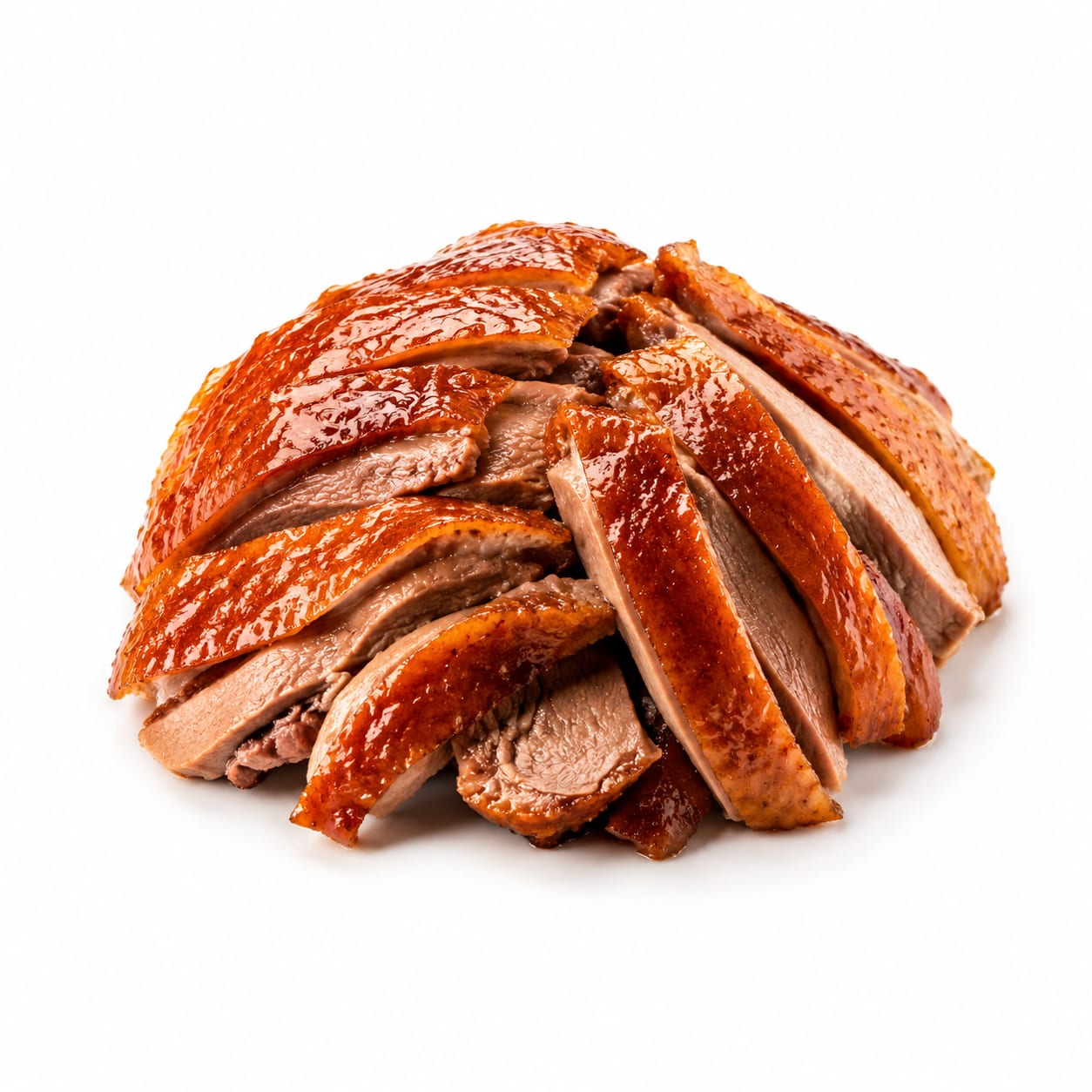
Duck
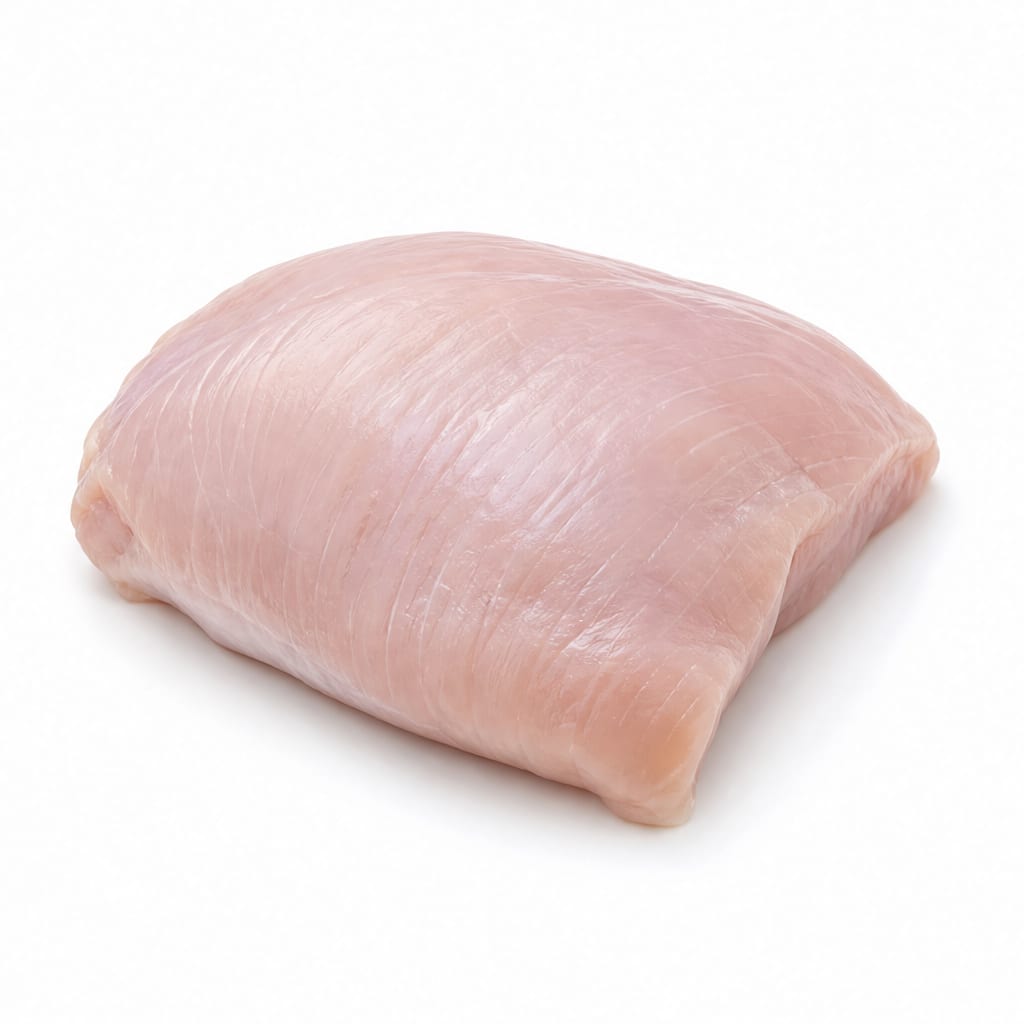
Turkey Breast
Turkey Breast is the lean, everyday protein champion, while Duck is a richer, higher-fat indulgence best enjoyed in moderation.
Turkey Breast scores significantly higher due to its superior protein-to-calorie ratio and everyday versatility. Duck remains a flavorful but heavier choice.
You trade low calories and minimal fat in Turkey Breast for intense flavor and satisfying richness in Duck.
At a glance
Executive summary
Overall
Turkey Breast
Healthier
Turkey Breast
More practical
Turkey Breast
Daily use
Turkey Breast
Key comparison lenses
Fat and calorie tradeoffs
Duck is significantly higher in fat and calories than Turkey Breast, which is the primary decision factor for most people.
Protein density for muscle and satiety
Turkey Breast is a lean protein powerhouse, while Duck offers moderate protein with much higher fat.
Everyday vs. special occasion eating
Turkey Breast fits easily into daily diets, whereas Duck is often reserved for richer, less frequent meals.
Best choice for
Duck
- Special occasion meals where Duck's flavor and richness are the priority
- Low-carb or keto diets needing higher fat intake from Duck
- People struggling to get enough calories or healthy fats from Duck
Turkey Breast
- Daily lean protein needs for muscle maintenance or weight loss using Turkey Breast
- Heart-healthy diets requiring the low saturated fat found in Turkey Breast
- Meal prepping and budget-friendly weekly eating with Turkey Breast
Least suitable for
Duck
- Daily consumption if watching calories or cholesterol from Duck
- Strict low-fat diets that cannot accommodate Duck's fat content
- Quick weeknight cooking due to Duck's longer fat rendering times
Turkey Breast
- Keto or high-fat low-carb diets where Turkey Breast is too lean
- Those who find lean meats like Turkey Breast too dry without heavy sauces
- Seeking rich, indulgent dining experiences that Turkey Breast lacks
Deep comparison
Dimension by dimension
Each lens scores both foods and breaks down who each option suits.
- Dimension 1 · Priority 95Turkey Breast
Protein Quality & Density
Duck · 70Turkey Breast · 98Turkey Breast packs way more protein per calorie, making it far more efficient for building muscle and staying full without overeating.
Tradeoff
Duck still offers solid protein, but you have to consume a lot more fat and calories to get the same amount of protein as Turkey Breast.
Why it matters
If you are tracking macros or trying to maximize protein for muscle gain, Turkey Breast gets you there much cleaner.
Real-world impact
A Turkey Breast dinner leaves you full and energized without feeling heavy, whereas a Duck dinner might leave you feeling sluggish from the high fat content.
Duck
- Getting calories and protein simultaneously from Duck if underweight
Better for
- Clean bulking without excess fat gain from Duck
Worse for
Turkey Breast
- Post-workout recovery using Turkey Breast
- Lean muscle building with Turkey Breast
- High-protein, low-calorie diets utilizing Turkey Breast
Better for
- Those who need higher calorie intake to maintain weight, where Turkey Breast falls short
Worse for
- Dimension 2 · Priority 92Turkey Breast
Fat Content & Calorie Density
Duck · 35Turkey Breast · 95Duck is a high-fat meat, largely saturated, while Turkey Breast is one of the leanest meats available.
Tradeoff
Duck's fat gives it an incredibly rich taste and mouthfeel, but it drastically increases the calorie count compared to Turkey Breast.
Why it matters
Calorie density determines how much you can eat. High-fat foods like Duck are easy to overconsume if you aren't measuring portions.
Real-world impact
Eating Duck regularly can easily push you into a calorie surplus, whereas Turkey Breast allows for larger portion sizes without the guilt.
Duck
- Keto and high-fat diets utilizing Duck
- Creating rich, satisfying sauces from rendered Duck fat
Better for
- Cardiovascular health if Duck is consumed frequently
Worse for
Turkey Breast
- Weight loss journeys relying on Turkey Breast
- Heart-healthy eating emphasizing Turkey Breast
- Keeping daily calories in check with Turkey Breast
Better for
- Meals where fat is needed to absorb fat-soluble vitamins (if Turkey Breast is eaten alone)
Worse for
- Dimension 3 · Priority 75It depends
Micronutrient Profile
Duck · 82Turkey Breast · 80Duck provides more iron and B12, while Turkey Breast offers more B3 (niacin) and selenium.
Tradeoff
Duck is better for combating fatigue and anemia, while Turkey Breast supports metabolism and thyroid function.
Why it matters
Your micronutrient needs vary based on diet and life stage, making both valuable in different ways.
Real-world impact
If you are prone to low iron, Duck can be a helpful addition. If you need thyroid support, Turkey Breast is the better pick.
Duck
- Boosting iron levels with Duck
- Supporting red blood cell production via Duck's B12
Better for
- Those with hemochromatosis (iron overload) who should limit Duck
Worse for
Turkey Breast
- Supporting thyroid health with Turkey Breast's selenium
- Metabolism optimization from Turkey Breast's niacin
Better for
- Those needing a significant iron boost from food, where Turkey Breast falls short
Worse for
- Dimension 4 · Priority 80It depends
Satiety & Satisfaction
Duck · 88Turkey Breast · 78Duck is deeply satisfying due to its fat content, while Turkey Breast offers high volume satiety but can feel dry.
Tradeoff
Duck satisfies quickly in small amounts, while Turkey Breast requires larger portions or added moisture to feel equally satisfying.
Why it matters
Food that doesn't satisfy leads to snacking later. Duck prevents this through richness, Turkey through volume.
Real-world impact
A small serving of Duck can curb cravings for hours, but a Turkey Breast meal might leave you hunting for a snack an hour later if not paired with veggies or healthy fats.
Duck
- Curing intense hunger quickly with Duck
- Rich, comforting meals featuring Duck
Better for
- Portion control when eating Duck
Worse for
Turkey Breast
- Eating large portions on a cut using Turkey Breast
- Bulk meal prep with Turkey Breast
Better for
- Emotional satisfaction from food when eating plain Turkey Breast
Worse for
Timeline
Health impact over time
Short-term
Hours to days
Duck
- High feeling of fullness and satisfaction from Duck's richness
- Potential sluggishness due to Duck's heavy fat content
Turkey Breast
- Light, energized feeling after eating Turkey Breast
- May feel hungry sooner if Turkey Breast is not paired with fiber or fats
Long-term
Months to years
Duck
- Potential weight gain if Duck is eaten frequently due to high calories
- Increased cholesterol if Duck's saturated fat intake is already high
Turkey Breast
- Easier weight maintenance or loss with Turkey Breast
- Improved cardiovascular markers from Turkey Breast's low saturated fat
Risk profile
Safety & processing
Both fresh Duck and Turkey Breast are whole, minimally processed meats. However, watch out for pre-packaged Turkey Breast deli meat, which is highly processed and loaded with sodium.
Duck
Salmonella from undercooked Duck
mediumDuck must be cooked thoroughly to avoid foodborne illness, though medium-rare is sometimes served, which carries risk.
Fat-soluble toxins in Duck
lowLike many fatty meats, Duck can store environmental toxins in its fat. Choosing quality sources minimizes this.
Turkey Breast
Salmonella from undercooked Turkey Breast
mediumStandard poultry safety applies; always cook Turkey Breast to a safe internal temperature.
Sodium in processed Turkey Breast
highDeli-sliced Turkey Breast often contains massive amounts of sodium and preservatives. Always opt for fresh, unprocessed cuts.
Who wins for whom
Audience fit
Same foods, different winners depending on your goal.
children
It dependsTurkey Breast is safer for daily kids' meals, but Duck provides essential iron and B12 for growth.
daily consumption
Turkey BreastTurkey Breast is sustainable, affordable, and lean enough to eat every day without negative health impacts.
diabetes
Turkey BreastTurkey Breast has zero carbs and very low fat, preventing insulin resistance issues linked to high saturated fat intake.
elderly
Turkey BreastTurkey Breast is easier to chew, lower in saturated fat, and better for heart health, which is crucial for older adults.
muscle gain
Turkey BreastThe extremely high protein-to-calorie ratio in Turkey Breast makes it ideal for building lean muscle without gaining fat.
weight loss
Turkey BreastTurkey Breast offers massive portion sizes for very few calories, making it the ultimate weight loss meat.
Your move
Decision guide
Choose Duck
- You are on a keto or low-carb diet and need healthy fats from Duck
- You want a rich, impressive Duck meal for a special occasion
- You struggle to keep weight on and need calorie-dense food like Duck
Choose Turkey Breast
- You are trying to lose weight or maintain a lean physique using Turkey Breast
- You need a reliable, affordable daily protein source like Turkey Breast
- You have high cholesterol or heart health concerns best managed with Turkey Breast
Either works if
- You simply want a high-quality animal protein source like Duck or Turkey Breast
- You are meal prepping for the week (though Duck is less common for this)
Avoid both if
- You are vegetarian or vegan
- You have a severe poultry allergy to Duck or Turkey Breast
Final recommendation
Make Turkey Breast your everyday staple for lean protein and heart health, and save Duck for when you want a richer, more indulgent meal.
Practical
Consumer tips
- 1
If buying Turkey Breast, avoid deli meats and opt for fresh, whole Turkey Breasts to dodge excess sodium and preservatives.
- 2
When cooking Duck, scoring the skin and rendering the fat makes it crispy and much healthier than leaving the fat intact.
- 3
Save the rendered Duck fat in a jar in the fridge; it is amazing for roasting vegetables later.
- 4
Pair Turkey Breast with a healthy fat like olive oil or avocado to keep you full longer and improve nutrient absorption.