
Nutrition comparison
Duck vs Chicken Thigh: Nutrition, Taste, and Health Comparison
Comparing duck and chicken thigh? Discover the nutritional differences, fat content, and which dark meat poultry is better for your health goals.
Overall winner · Chicken Thigh
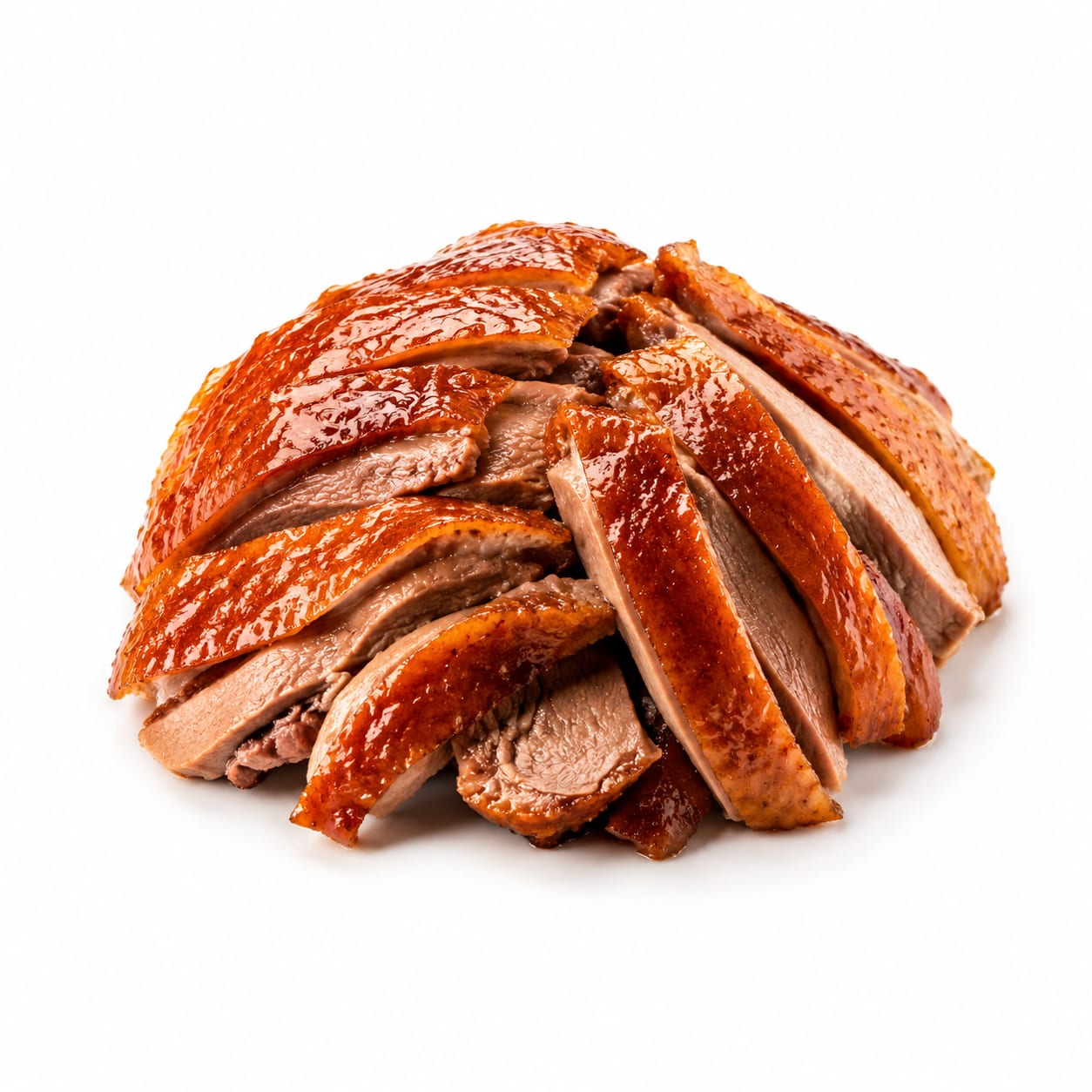
Duck
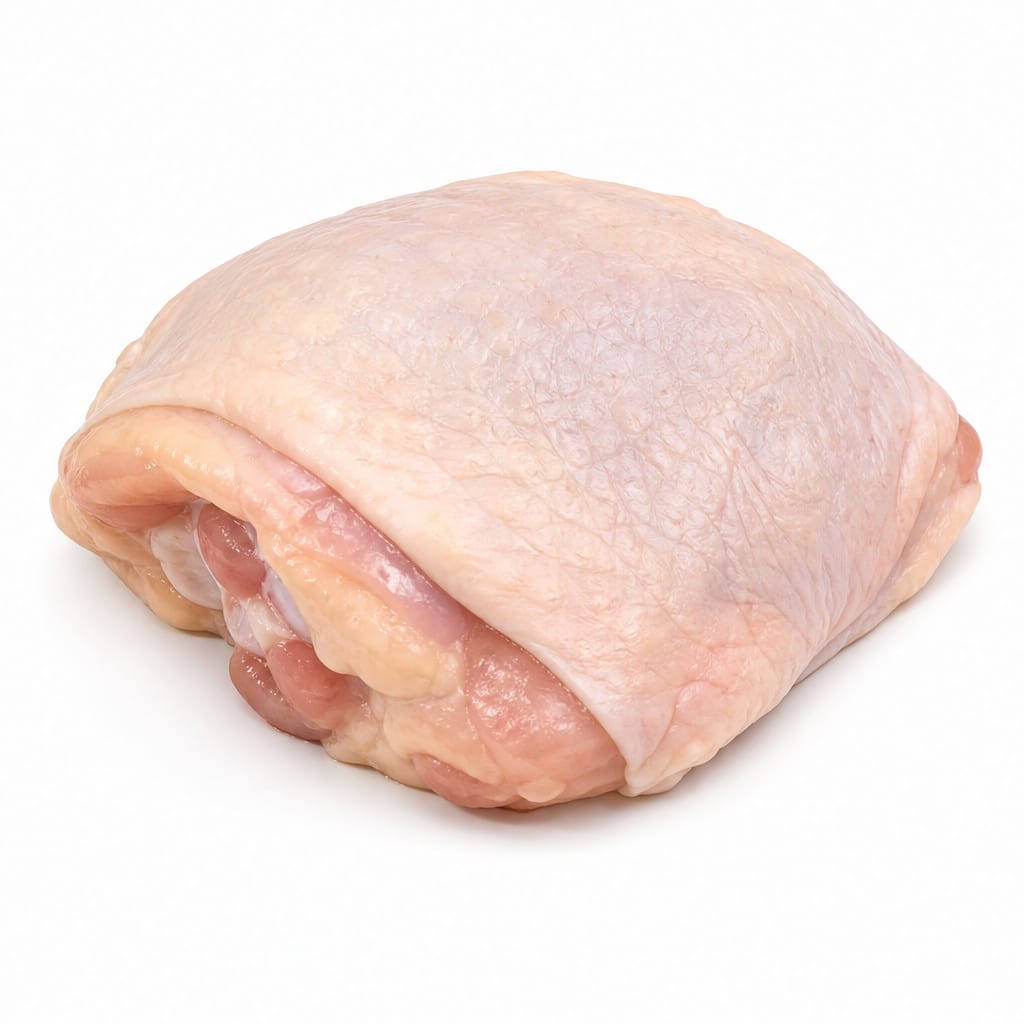
Chicken Thigh
Chicken thighs offer similar rich flavor and nutrition with significantly less fat, making them the better everyday choice.
Chicken thigh scores higher overall due to its superior balance of protein, lower fat, and everyday practicality. Duck scores well for micronutrients and satiety but is heavily penalized for its high calorie and saturated fat content.
Duck delivers unmatched richness and iron, but at a high calorie and saturated fat cost compared to chicken thighs.
At a glance
Executive summary
Overall
Chicken Thigh
Healthier
Chicken Thigh
More practical
Chicken Thigh
Daily use
Chicken Thigh
Key comparison lenses
Fat and calorie density comparison
Duck is significantly fattier than chicken thigh, which drastically changes calorie counts and meal planning.
Heart health and lipid impact
The saturated fat difference between these two dark meats is a major factor for cardiovascular risk.
Everyday practicality and budget
Chicken thighs are a weeknight staple, while duck is often reserved for special occasions due to cost and cooking demands.
Micronutrient density
Both are rich in iron and B-vitamins, but duck offers a denser punch per serving.
Best choice for
Duck
- Special occasion meals
- Iron-deficient individuals needing a boost
- Keto or low-carb dieters seeking high fat
Chicken Thigh
- Weeknight dinners
- Budget-conscious households
- Those watching saturated fat intake
Least suitable for
Duck
- Daily consumption
- People managing high cholesterol
- Low-calorie diets
Chicken Thigh
- Strictly lean diets requiring breast meat
- Those seeking high-fat keto ratios
Deep comparison
Dimension by dimension
Each lens scores both foods and breaks down who each option suits.
- Dimension 1 · Priority 95Chicken Thigh
Fat & Calorie Density
Duck · 35Chicken Thigh · 70Chicken thighs are significantly leaner than duck, offering more protein per calorie.
Tradeoff
You sacrifice the luxurious mouthfeel of duck fat but save hundreds of calories and grams of saturated fat per serving.
Why it matters
Managing calorie density is crucial for weight maintenance without having to measure portions obsessively.
Real-world impact
Eating duck regularly can easily lead to unintended weight gain, while chicken thighs fit comfortably into a standard dinner plate.
Duck
- Keto diets
- High-calorie bulking
Better for
- Calorie counting
- Fat loss
Worse for
Chicken Thigh
- Portion control
- Balanced macros
Better for
- Very low-carb high-fat needs
Worse for
- Dimension 2 · Priority 90Chicken Thigh
Heart Health & Lipid Profile
Duck · 40Chicken Thigh · 72Chicken thighs have a much more favorable saturated fat profile, making them gentler on your cardiovascular system.
Tradeoff
Duck's high saturated fat content gives it a rich texture but raises LDL cholesterol concerns if eaten frequently.
Why it matters
Saturated fat intake is directly linked to heart disease risk over time.
Real-world impact
Choosing chicken thighs over duck for your weekly dark meat cravings keeps your heart doctor happier.
Duck
- Those with no cholesterol issues eating occasionally
Better for
- People managing high cholesterol
- Heart disease patients
Worse for
Chicken Thigh
- Cardiovascular health
- Balanced lipid profiles
Better for
- Strict keto requiring high fat
Worse for
- Dimension 3 · Priority 75Duck
Micronutrient Density
Duck · 85Chicken Thigh · 78Duck edges out chicken thighs in iron, selenium, and B-vitamins, particularly B12.
Tradeoff
You get a slight micronutrient boost with duck, but it comes packaged with a lot more fat.
Why it matters
Iron and B12 are essential for energy transport and preventing fatigue.
Real-world impact
A serving of duck can give a noticeable energy boost for those prone to anemia, though chicken thighs are still a solid source.
Duck
- Combating iron deficiency
- Boosting B12 intake
Better for
- Those needing low-fat nutrition
Worse for
Chicken Thigh
- Everyday nutrient needs
- Leaner mineral sourcing
Better for
- Severe anemia needing dense iron sources
Worse for
- Dimension 4 · Priority 85Chicken Thigh
Culinary Versatility & Practicality
Duck · 55Chicken Thigh · 92Chicken thighs are incredibly versatile, budget-friendly, and easy to cook on a busy weeknight.
Tradeoff
Duck requires more careful cooking techniques like rendering fat and is far more expensive.
Why it matters
A protein you can easily cook multiple ways is a protein you will actually eat instead of ordering takeout.
Real-world impact
Chicken thighs can be baked, grilled, or stir-fried in 30 minutes; duck often requires special prep and is reserved for weekends.
Duck
- Gourmet cooking
- Special occasions
Better for
- Quick weeknight meals
- Budget cooking
Worse for
Chicken Thigh
- Meal prep
- Family dinners
- Tight budgets
Better for
- Upscale dining experiences
Worse for
- Dimension 5 · Priority 80It depends
Satiety & Satisfaction
Duck · 88Chicken Thigh · 82Duck is intensely satisfying in small amounts due to its rich fat, while chicken thighs offer a more balanced fullness.
Tradeoff
Duck kills cravings fast but can feel heavy; chicken thighs satisfy without the food coma.
Why it matters
Feeling satisfied after meals prevents snacking and overeating later.
Real-world impact
A small duck breast can leave you full for hours, whereas you might eat a larger portion of chicken thigh to feel the same effect.
Duck
- Killing intense cravings quickly
- Long fasting periods
Better for
- Light eating
- Post-meal productivity
Worse for
Chicken Thigh
- Comfortable fullness
- Active evenings
Better for
- Needing extreme satiety in tiny portions
Worse for
Timeline
Health impact over time
Short-term
Hours to days
Duck
- Very filling, can feel heavy if eaten in large portions
- Provides long-lasting energy due to high fat content
Chicken Thigh
- Satisfying without feeling overly stuffed
- Steady energy without the heavy sluggishness
Long-term
Months to years
Duck
- Frequent consumption may raise LDL cholesterol due to high saturated fat
- Excellent for maintaining iron stores and preventing anemia
Chicken Thigh
- Easier to maintain healthy weight with regular consumption
- Supports muscle maintenance with high protein and moderate fat
Risk profile
Safety & processing
Both duck and chicken thighs are whole, minimally processed cuts of meat. Additive concerns are minimal unless purchasing pre-marinated or injected versions.
Duck
Campylobacter
mediumLike all poultry, duck carries bacterial risks and must be cooked to a safe internal temperature.
Avian Flu exposure
lowStandard risk for all poultry; properly cooking the meat eliminates this danger.
Chicken Thigh
Salmonella
mediumRaw chicken is a common carrier; safe handling and avoiding cross-contamination are essential.
Antibiotic residue
lowConventional chicken may have trace antibiotic residues; choosing organic reduces this concern.
Who wins for whom
Audience fit
Same foods, different winners depending on your goal.
children
Chicken ThighChicken thighs are easier to chew, milder in flavor, and provide leaner growth-supporting nutrition.
daily consumption
Chicken ThighChicken thighs are affordable, versatile, and have a fat profile better suited for everyday eating.
diabetes
Chicken ThighLower saturated fat in chicken thighs helps manage cardiovascular risks that are already elevated in diabetes.
elderly
Chicken ThighChicken thighs are gentler on the digestive system and cardiovascular health while remaining easy to chew.
muscle gain
Chicken ThighChicken thighs offer more protein per serving and per calorie, making it easier to hit macro targets without overconsuming fat.
weight loss
Chicken ThighChicken thighs provide high protein and rich flavor with far fewer calories and less fat than duck.
Your move
Decision guide
Choose Duck
- You are cooking a special occasion dinner
- You need high fat intake for a keto diet
- You are treating iron deficiency and need dense sources
Choose Chicken Thigh
- You want a flavorful weeknight protein
- You are watching your calorie or saturated fat intake
- You need a versatile, budget-friendly meat
Either works if
- You want a rich, dark-meat poultry experience
- You are looking for good iron and B-vitamin sources
Avoid both if
- You strictly eat lean white meat only
- You have a poultry allergy
Final recommendation
Choose chicken thighs for your everyday dark-meat cravings to keep calories and saturated fat in check. Save duck for when you want a rich, indulgent meal and do not mind the extra fat.
Practical
Consumer tips
- 1
Render duck fat and use it for roasting vegetables later for incredible flavor.
- 2
Remove the skin from chicken thighs to drastically reduce fat and calories while keeping the meat moist.
- 3
Score duck skin before cooking to help the fat render out, resulting in crispier skin and slightly less grease.