
Nutrition comparison
Duck vs Cornish Hen: Nutrition, Calories, and Health Comparison
Compare Duck vs Cornish Hen to see which is healthier. Discover the differences in fat, calories, protein, and the best choice for weight loss and heart health.
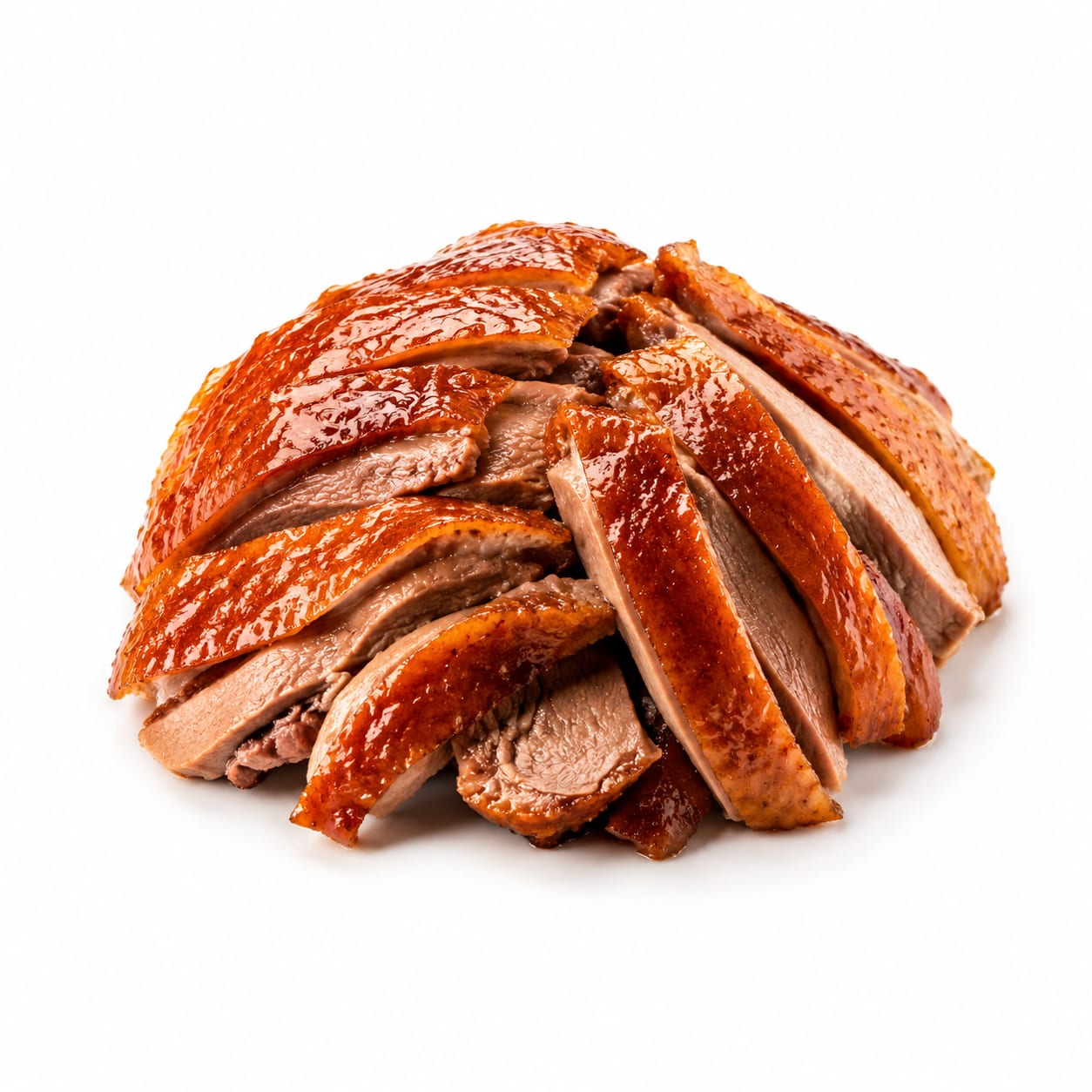
Duck
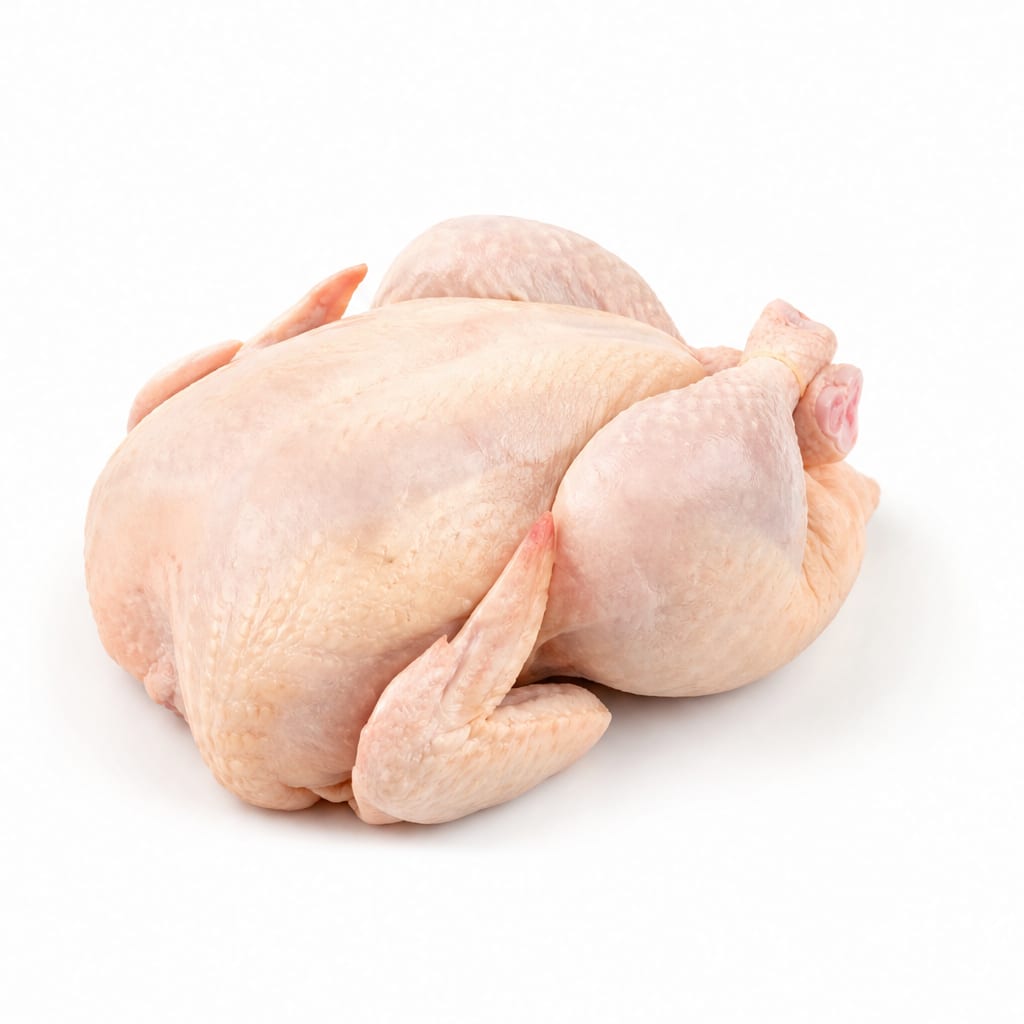
Cornish Hen
Duck offers rich flavor and superior iron but packs heavy calories from fat, while Cornish Hen delivers lean, light protein that is far easier on the waistline.
Cornish Hen scores higher for general health and daily practicality due to its lean profile, while Duck scores lower primarily because of its high fat and calorie density.
Rich, satisfying fat and flavor in Duck versus lean, low-calorie protein in Cornish Hen.
At a glance
Executive summary
Overall
It depends
Healthier
Cornish Hen
More practical
Cornish Hen
Daily use
Cornish Hen
Key comparison lenses
Fat and calorie density
Duck is notoriously fatty while Cornish Hen is very lean, making this the most critical nutritional difference.
Heart health and cholesterol
The high saturated fat in Duck directly impacts cardiovascular risk compared to the lean profile of Cornish Hen.
Protein leanness for weight management
Cornish Hen offers high protein with minimal fat, whereas Duck delivers protein bundled with heavy calories.
Micronutrient density
Duck provides significantly more iron and B vitamins due to its dark meat, which is a key tradeoff for its fat content.
Best choice for
Duck
- Keto or low-carb diets
- Iron-deficient individuals
- Special occasion indulgent dinners
Cornish Hen
- Weight loss and fat loss diets
- Heart-healthy eating routines
- Light, everyday weeknight meals
Least suitable for
Duck
- Low-fat or calorie-restricted diets
- Frequent daily consumption
- Those managing high cholesterol
Cornish Hen
- Strict high-fat or keto diets
- Those needing calorie-dense meals
- Craving rich, decadent flavors
Deep comparison
Dimension by dimension
Each lens scores both foods and breaks down who each option suits.
- Dimension 1 · Priority 95Cornish Hen
Fat and Calorie Density
Duck · 35Cornish Hen · 85Duck is a calorie-dense meat with high fat, while Cornish Hen is lean and light.
Tradeoff
You get rich flavor and mouthfeel from Duck, but at a high calorie cost.
Why it matters
High-fat meats can easily push you over daily calorie limits if eaten frequently.
Real-world impact
A single Duck breast can contain double the calories of a comparable Cornish Hen portion.
Duck
- Keto diets
- High-calorie bulking needs
Better for
- Calorie counting
- Low-fat diets
Worse for
Cornish Hen
- Weight management
- Low-fat diets
Better for
- High-fat diets
- Strict keto
Worse for
- Dimension 2 · Priority 85Cornish Hen
Heart Health and Cholesterol
Duck · 45Cornish Hen · 80Duck's saturated fat content is much higher, which can impact heart health over time.
Tradeoff
Duck provides satisfying fat but raises cholesterol concerns compared to the leaner Cornish Hen.
Why it matters
Frequent intake of saturated fat is linked to higher cardiovascular risk.
Real-world impact
Choosing Cornish Hen more often helps keep cholesterol in check without sacrificing protein.
Duck
- Those with no heart health concerns
- Occasional indulgence
Better for
- Heart disease risk
- High cholesterol
Worse for
Cornish Hen
- Heart-healthy diets
- Cholesterol management
Better for
- Those needing calorie-dense meals
Worse for
- Dimension 3 · Priority 70Duck
Micronutrient Density
Duck · 85Cornish Hen · 70Duck is a superior source of iron, zinc, and B vitamins due to its darker meat.
Tradeoff
You get more micronutrients from Duck, but it comes attached to more fat.
Why it matters
Iron and B12 are crucial for energy and preventing anemia.
Real-world impact
Eating Duck occasionally can give a strong boost to iron stores, especially for those prone to deficiency.
Duck
- Anemia prevention
- Energy support
Better for
- Those avoiding excess iron
Worse for
Cornish Hen
- General maintenance
- Balanced diets
Better for
- Severe iron deficiency
Worse for
- Dimension 4 · Priority 75It depends
Satiety and Meal Satisfaction
Duck · 88Cornish Hen · 72Duck's high fat content makes it deeply satisfying, while Cornish Hen is lighter and less likely to cause sluggishness.
Tradeoff
Duck keeps you full longer but can feel heavy; Cornish Hen is lighter but may leave you hungry sooner.
Why it matters
Satiety affects snacking behavior and overall calorie intake later in the day.
Real-world impact
A Duck dinner might prevent late-night snacking, whereas a Cornish Hen meal might require a side dish to feel complete.
Duck
- Long gaps between meals
- Preventing late snacking
Better for
- Feeling sluggish after meals
Worse for
Cornish Hen
- Light dinners
- Eating before activity
Better for
- Needing long-lasting fullness
Worse for
Timeline
Health impact over time
Short-term
Hours to days
Duck
- Feeling very full and satisfied
- Potential sluggishness after eating
- Sustained energy from high fat content
Cornish Hen
- Light post-meal feeling
- Quick protein satisfaction without heaviness
- Easy digestion
Long-term
Months to years
Duck
- Risk of weight gain if eaten frequently
- Potential increases in LDL cholesterol
- Better iron stores and energy
Cornish Hen
- Easier weight maintenance
- Better cardiovascular markers
- Steady lean muscle support
Risk profile
Safety & processing
Both Duck and Cornish Hen are whole, minimally processed meats. The main difference is the animal's natural fat composition, not manufacturing additives.
Duck
Salmonella and Campylobacter
mediumLike all poultry, Duck requires thorough cooking to an internal temperature of 165°F to eliminate harmful bacteria.
Cross-contamination
mediumRaw Duck juices can easily spread bacteria to kitchen surfaces and utensils if not handled carefully.
Cornish Hen
Salmonella and Campylobacter
mediumStandard poultry safety applies; ensure the Cornish Hen is cooked completely to 165°F.
Cross-contamination
mediumRaw poultry handling rules apply equally to Cornish Hen to prevent foodborne illness.
Who wins for whom
Audience fit
Same foods, different winners depending on your goal.
children
Cornish HenCornish Hen is easier for kids to digest and portion, with a milder flavor and less grease.
daily consumption
Cornish HenIts lean profile makes it a sustainable everyday protein source without cardiovascular drawbacks.
diabetes
Cornish HenCornish Hen's lean profile avoids the saturated fat that can worsen insulin resistance over time.
elderly
Cornish HenCornish Hen is gentler on the digestive system and supports heart health with its lean protein.
muscle gain
Cornish HenCornish Hen provides high-quality lean protein without the extra fat that adds unnecessary calories.
weight loss
Cornish HenCornish Hen is much lower in calories and fat, making it far easier to fit into a calorie deficit.
Your move
Decision guide
Choose Duck
- You are on a keto or low-carb diet
- You need an iron boost in your diet
- You want a rich, indulgent meal for a special occasion
Choose Cornish Hen
- You are watching your calories or fat intake
- You want a heart-healthy everyday protein
- You prefer lighter meals that will not weigh you down
Either works if
- You need high-quality complete protein
- You are serving an elegant single-bird dinner presentation
Avoid both if
- You are vegetarian or vegan
- You have severe poultry allergies
Final recommendation
Choose Cornish Hen for everyday lean protein and heart health, and enjoy Duck occasionally for its rich flavor and iron benefits.
Practical
Consumer tips
- 1
Render Duck fat from the skin and use it for roasting vegetables; it adds incredible flavor to side dishes.
- 2
Roast Cornish Hen whole with herbs for a beautiful, portion-controlled dinner that feels fancy but stays light.
- 3
Always cook both meats to an internal temperature of 165°F to ensure food safety.
- 4
If cooking Duck, score the skin to help the fat render out, reducing the greasiness of the meal.