
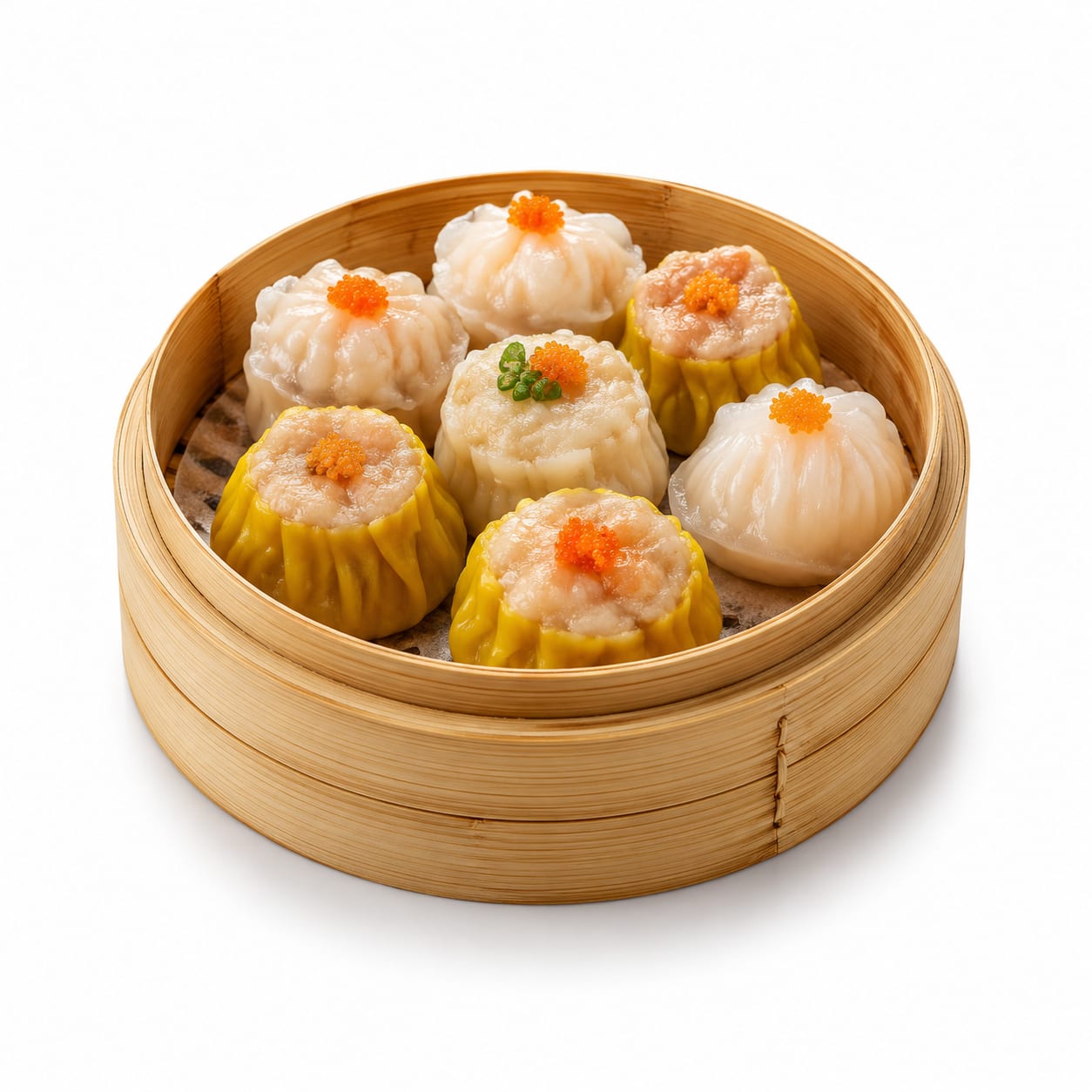
Chinese Appetizers
Dim Sum
A style of Chinese cuisine featuring small, bite-sized portions of dumplings, buns, and plates served as a shared meal.
A traditional Chinese meal made up of small plates of dumplings, steamed buns, and other bite-sized portions, typically served with tea.
variable mixed carbohydrate and protein appetizer
Typical serving · 200g
Common varieties · har gow, siu mai, char siu bao, lo bak go, cheong fun +1 more
Overall context score across nutrition, safety, and diet fit
The story
What makes it unique
Dim sum encompasses a wide variety of foods with varying macronutrient profiles. Steamed varieties offer moderate carbohydrate and protein digestion speeds, while fried options increase fat content and slow gastric emptying. High sodium content from sauces and fillings can impact fluid balance. Satiety varies significantly based on the ratio of dough to protein and fiber-rich fillings.
Varieties: har gow · siu mai · char siu bao · lo bak go · cheong fun · egg tarts
Per 100g
Nutrition breakdown
Macro balance and key metrics at a glance.
Energy
Density 2.20 kcal/g
Protein
Carbs
Fat
Fiber
Sugar
3 g
Sodium
600 mg
Potassium
150 mg
Glycemic index
65
Glycemic load
16
Water content
50%
Standout compounds
Nutrient highlights
Sodium
highElectrolyte balance
Carbohydrates
highQuick energy source
Protein
moderateMuscle maintenance
Fat
moderateSatiety and flavor
Wellness map
Health scores & processing
NOVA processing scale
moderately processed · Whole food
Traditional dim sum is culinarily prepared from whole and minimally processed ingredients, though commercial or frozen varieties often contain added preservatives and refined doughs.
Diet compatibility
- Weight loss
- Muscle gain
- Diabetes
- Gut health
- Low carb
- High protein
- Heart health
Relative standing
Food rankings
Qualitative ranks compared to similar whole foods.
- Satietymoderate
- Blood sugarpoor
- Nutrient densitymoderate
- Fitness fuelmoderate
- Processing qualitymoderate
Eat with confidence
Food safety profile
Dim sum is generally safe when properly steamed and served hot. Seafood-based items carry a moderate risk of heavy metal exposure depending on sourcing.
Evidence confidence 75%
- Pesticideslow
- Antibioticsmoderate
- Heavy metalsmoderate
- Contaminationmoderate
Watch for
- pathogenic bacteria from undercooked meat
- heavy metals in seafood fillings
Safer choices
Steamed vegetable and chicken dumplings over raw or poorly cooked seafood options.
Prep tips
Ensure food is served steaming hot. Limit high-sodium dipping sauces like soy sauce.
Sourcing of seafood and pork can vary in antibiotic and heavy metal standards depending on the restaurant's suppliers.
Deep dive
Health analysis
How this food may fit different goals and preparation choices.
Weight loss
Calorie density varies greatly; steamed dumplings are moderate, but fried items and buns are energy-dense, making portion control difficult.
Blood sugar
Refined wheat and rice doughs digest quickly, causing rapid blood sugar spikes, especially when paired with sweet sauces.
Fitness & energy
Provides a mix of carbs and protein suitable for a post-workout meal if steamed options are chosen, but high fat in fried versions slows digestion.
Gut health
Low fiber content in most wrappers and fillings offers minimal prebiotic benefit, while high sodium can cause bloating.
Processing quality
Traditional handmade dim sum uses whole ingredients, but commercial versions rely on refined flours, MSG, and preservatives.
Food safety
Proper steaming kills most pathogens, but cross-contamination in shared bamboo baskets or improper holding temperatures can be a risk.
Common mistakes
Assuming all steamed items are low-calorie, overusing soy sauce, and ignoring the high fat content in fried or pastry-wrapped items.
Best preparation
Steaming over frying, choosing dumplings with visible whole vegetables, and using low-sodium soy sauce or vinegar dips.
Practical guide
Best use cases
When and how this food fits real eating patterns.
social dining experience
Designed for sharing and tasting small portions in a group setting.
moderate carb refeed
Provides a mix of carbohydrates and protein for replenishing energy after moderate activity.
flavor exploration
Offers diverse tastes and textures in a single meal.
Balance sheet
Pros & cons
Upsides
- Offers lean protein options like shrimp and chicken dumplings
- Steaming retains nutrients without adding extra fat
- Provides a diverse range of flavors and textures
- Portioned into small bite-sized pieces naturally
Trade-offs
- Extremely high in sodium from sauces and fillings
- Refined carbohydrate wrappers spike blood sugar
- Fried options are dense in calories and unhealthy fats
- Easy to overeat due to small portion sizes and social setting
Fit check
Who is it for?
Great match
- post-workout carb reloading
- social dining and sharing
- flexible dieting with portion control
Consider alternatives
- strict low-carb diets
- low-sodium heart-healthy diets
- aggressive weight loss phases
- blood sugar management
Side by side
How it compares
Open the full head-to-head analysis for nutrition, safety, and practical tradeoffs.
This food
Dim Sum
VS90% alike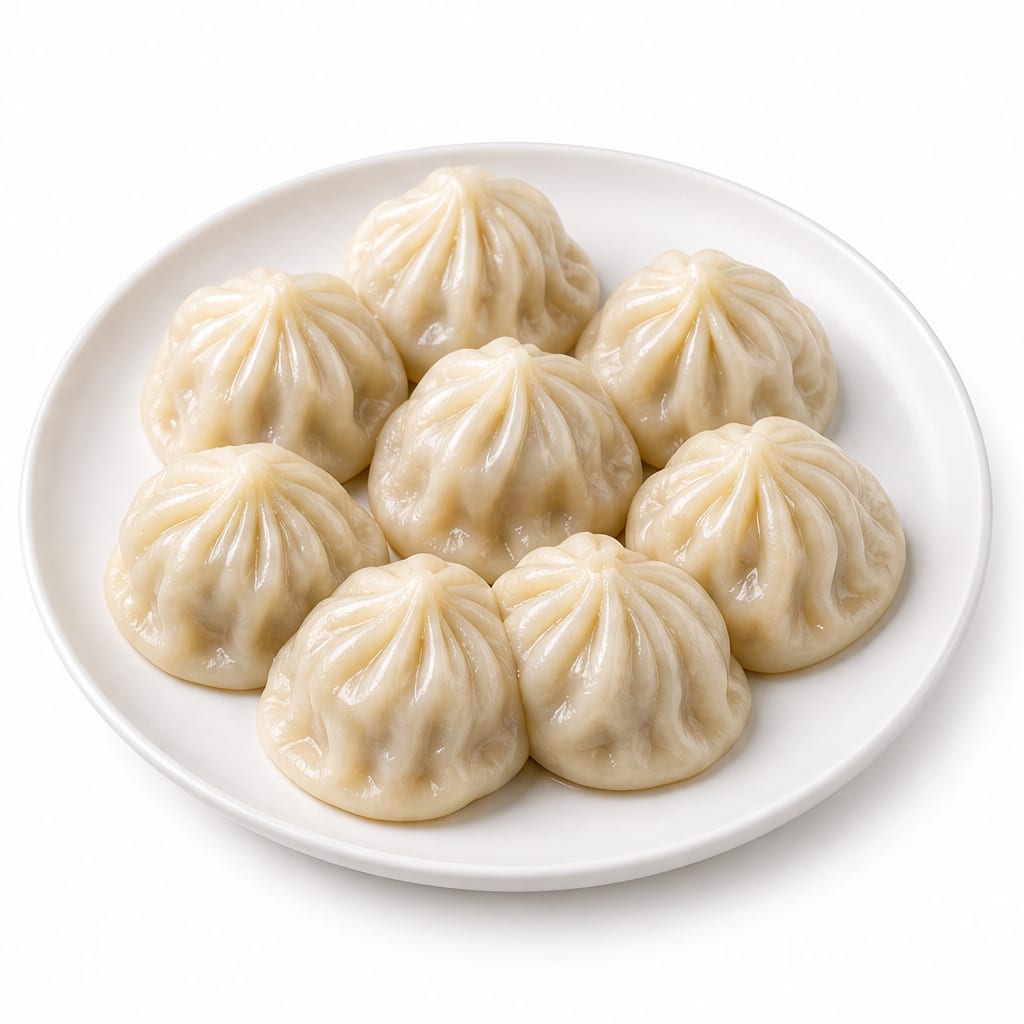
Compare with
Dumplings
Dim sum is the meal category, while dumplings are a specific item within it; dim sum offers more variety but also more high-calorie traps.
Dumplings are a specific item within dim sum; choosing steamed dumplings over other dim sum varieties offers better portion and calorie control.
This food
Dim Sum
VS85% alike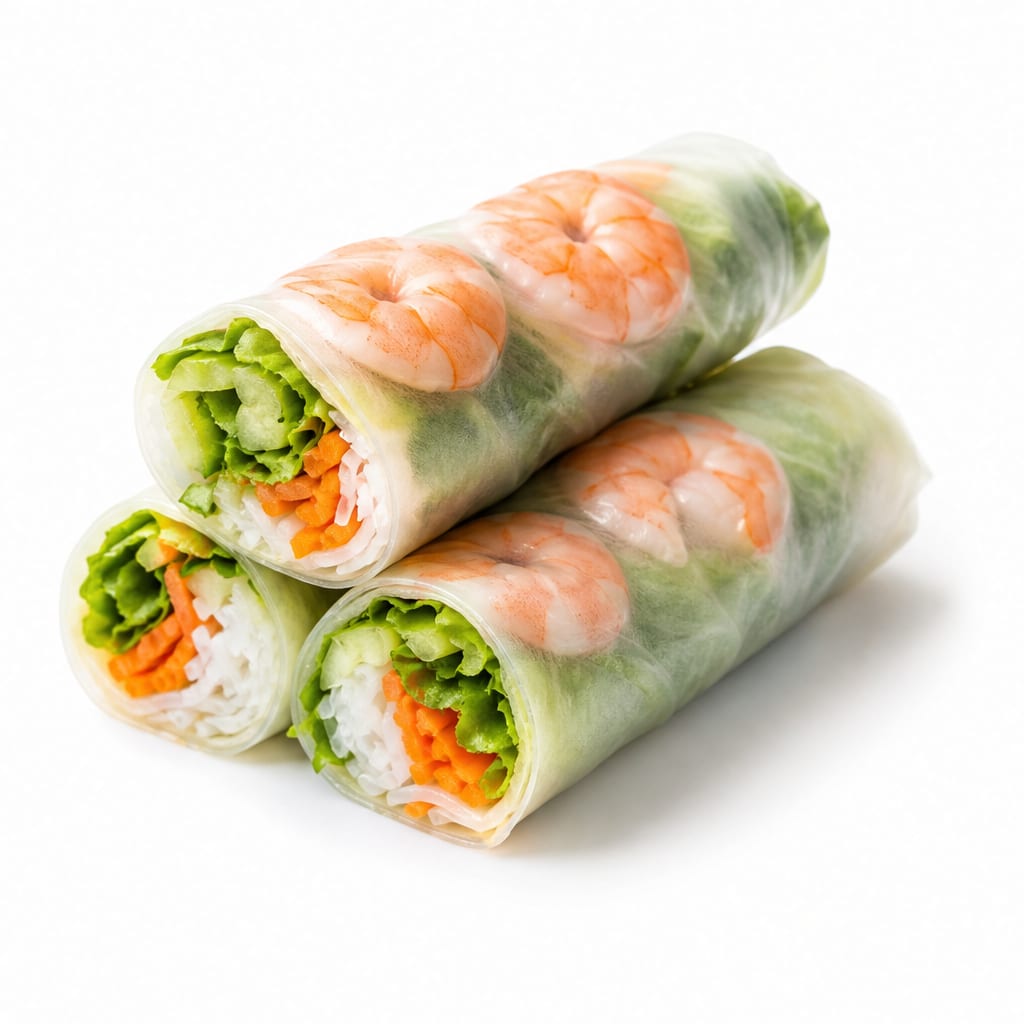
Compare with
Spring Rolls
Spring rolls are often fried and higher in fat, while steamed dim sum options provide a lighter alternative.
Steamed dim sum provides a lighter alternative to fried spring rolls, which are higher in fat and calories.
This food
Dim Sum
VS80% alike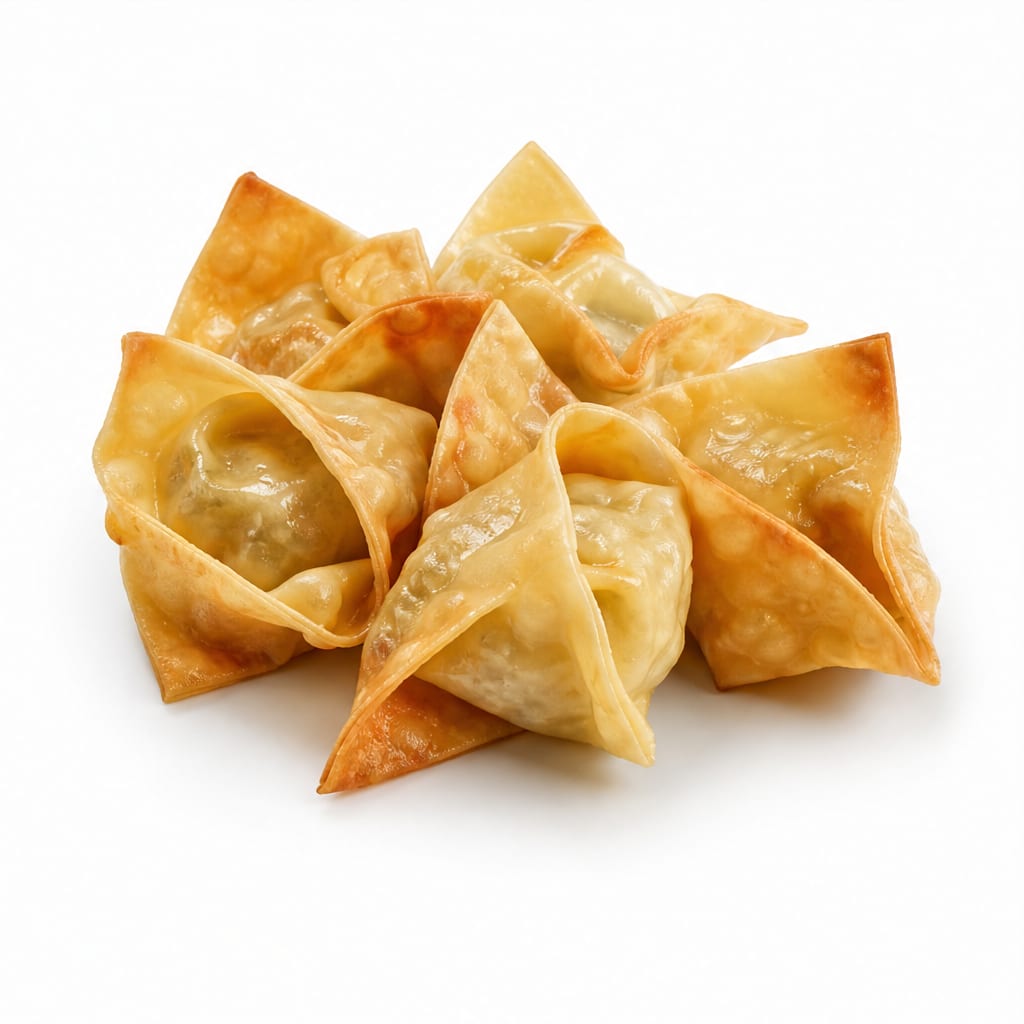
Compare with
Wontons
Wontons in broth offer more satiety from water volume, whereas dim sum is denser and often higher in sodium.
Wonton soup provides better satiety from broth with fewer calories, whereas dim sum is denser and easier to overeat.
This food
Dim Sum
VS75% alike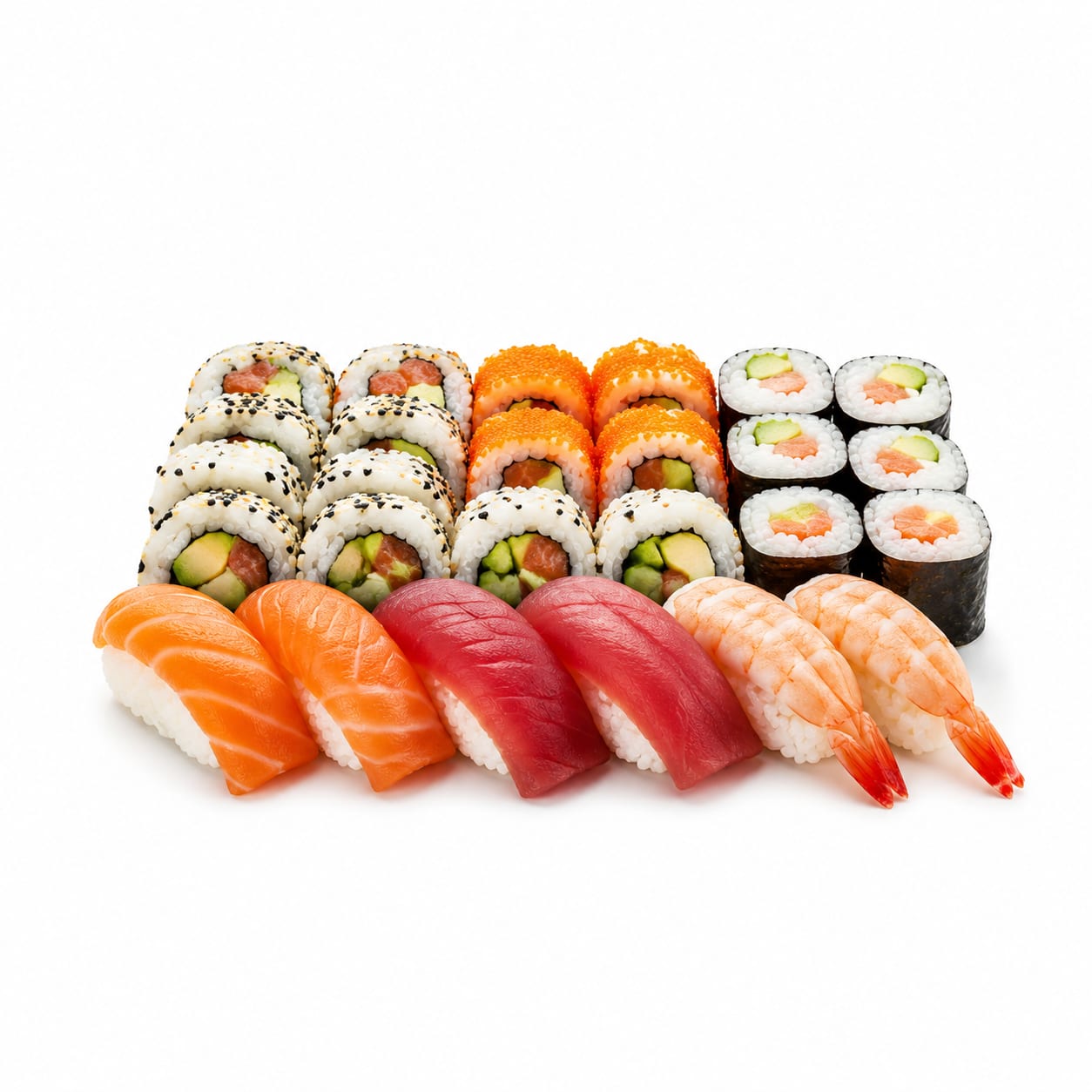
Compare with
Sushi
Sushi generally offers better heart health via omega-3s from fish, while dim sum provides more varied protein but higher sodium.
Sushi offers better heart health and lower sodium, while dim sum tends to be higher in sodium and refined carbs.
This food
Dim Sum
VS95% alike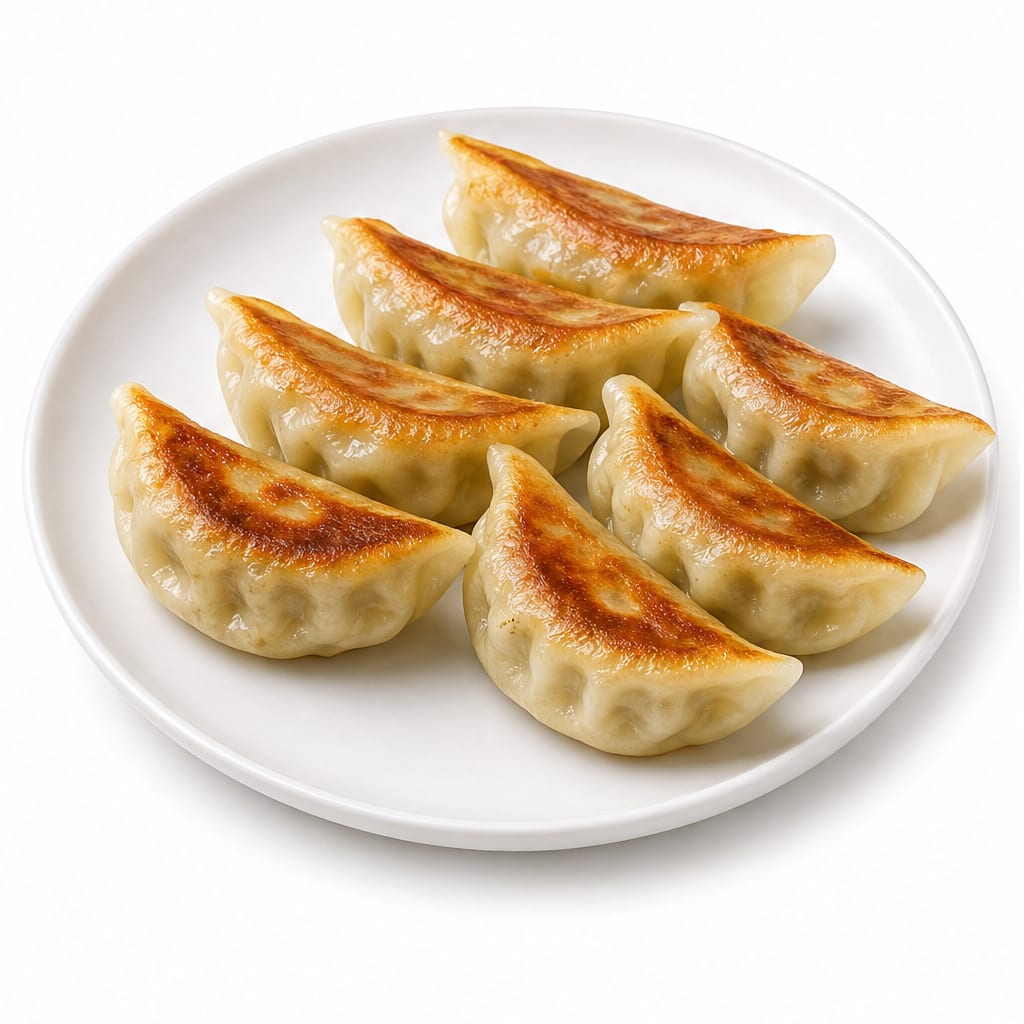
Compare with
Potstickers
Potstickers are pan-fried making them higher in fat and calories than steamed dim sum varieties.
Steamed dim sum varieties are lower in fat and calories compared to pan-fried potstickers.
This food
Dim Sum
VS70% alike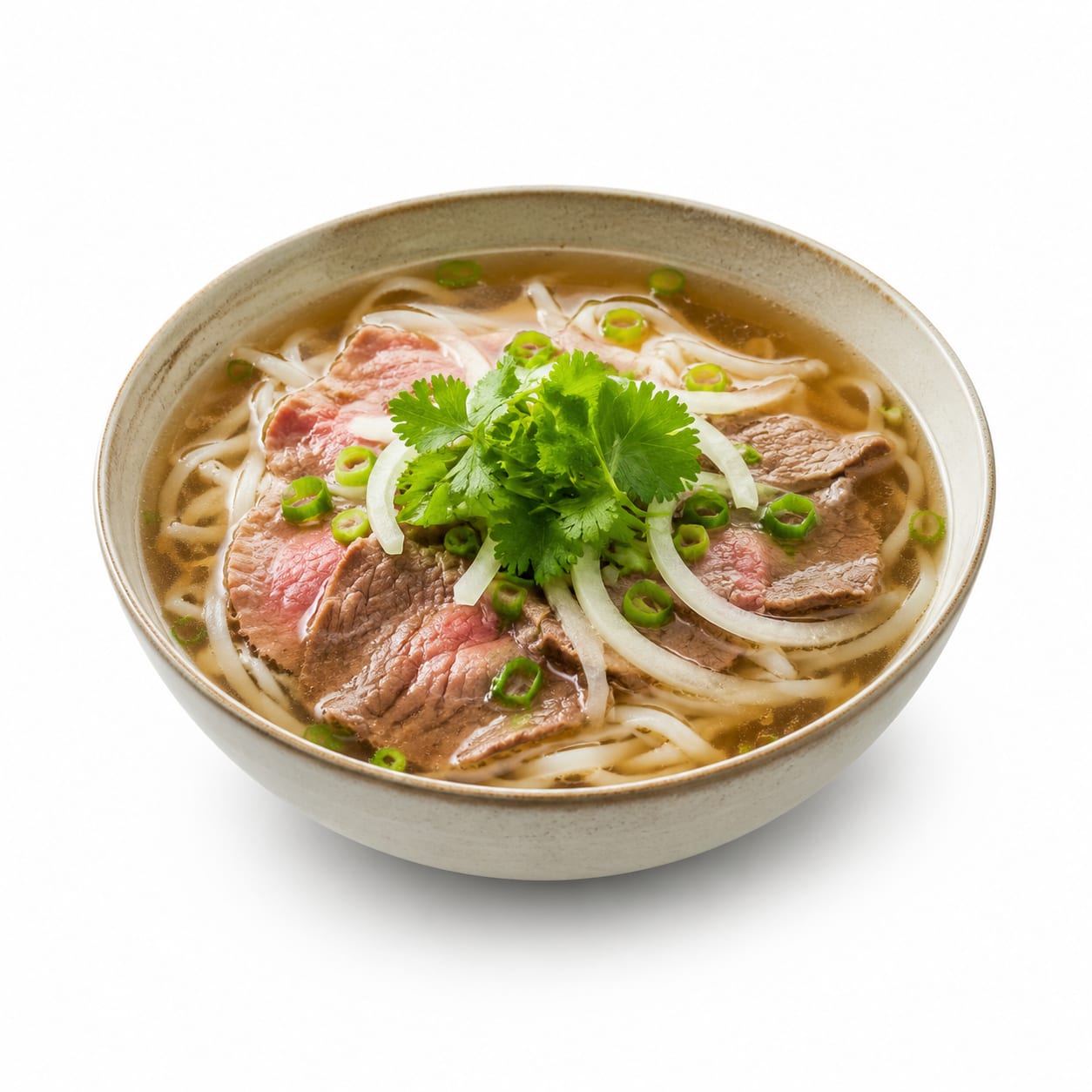
Compare with
Pho
Pho provides high satiety from broth with fewer calories, whereas dim sum is more calorie-dense and easier to overeat.
Pho offers better satiety with fewer calories from its broth base, while dim sum is more calorie-dense.
This food
Dim Sum
VS65% alike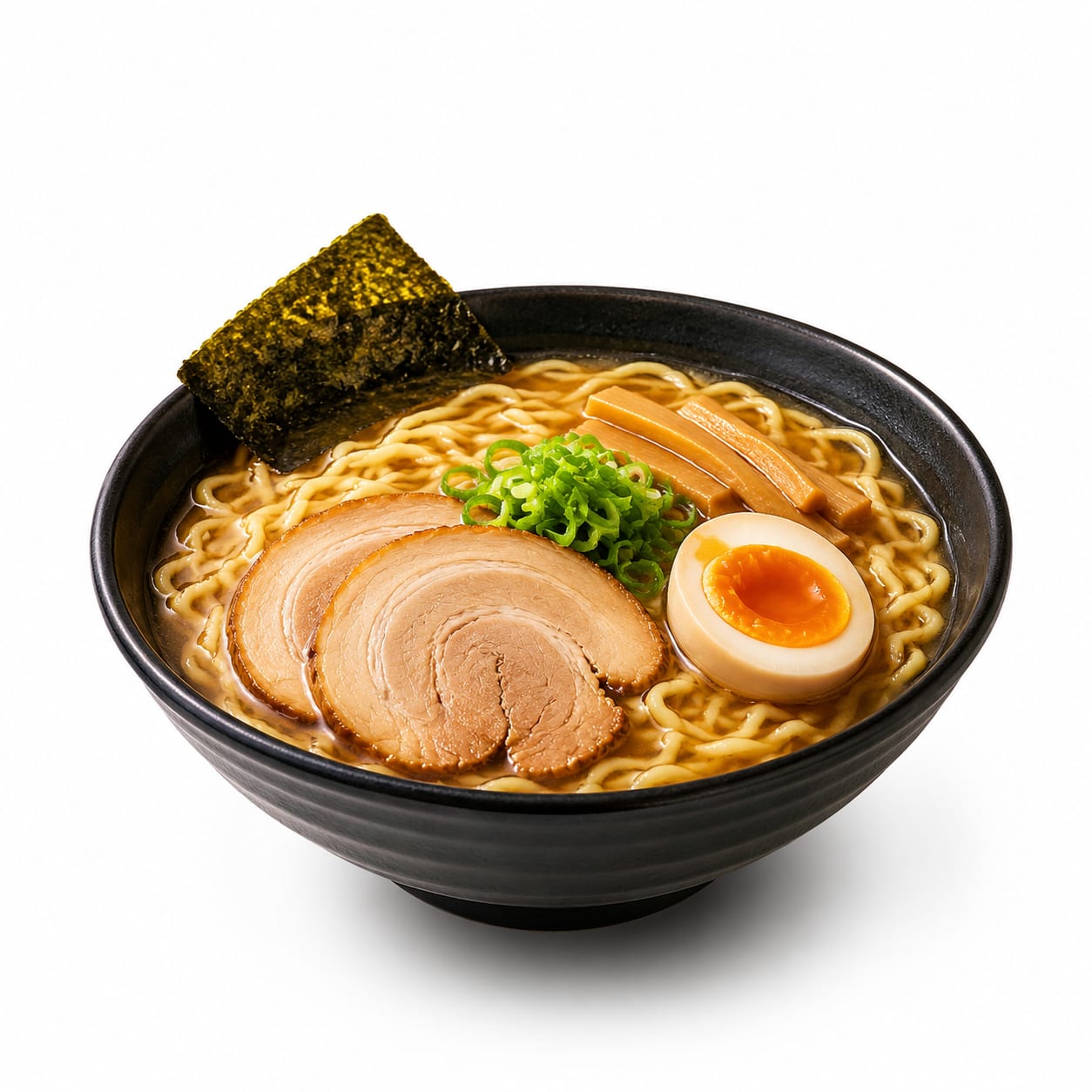
Compare with
Ramen
Ramen is high in refined carbs and sodium like dim sum, but dim sum offers more protein variety.
Both are high in sodium, but dim sum offers more protein variety and steamed options, whereas ramen is very carb-heavy.
This food
Dim Sum
VS60% alike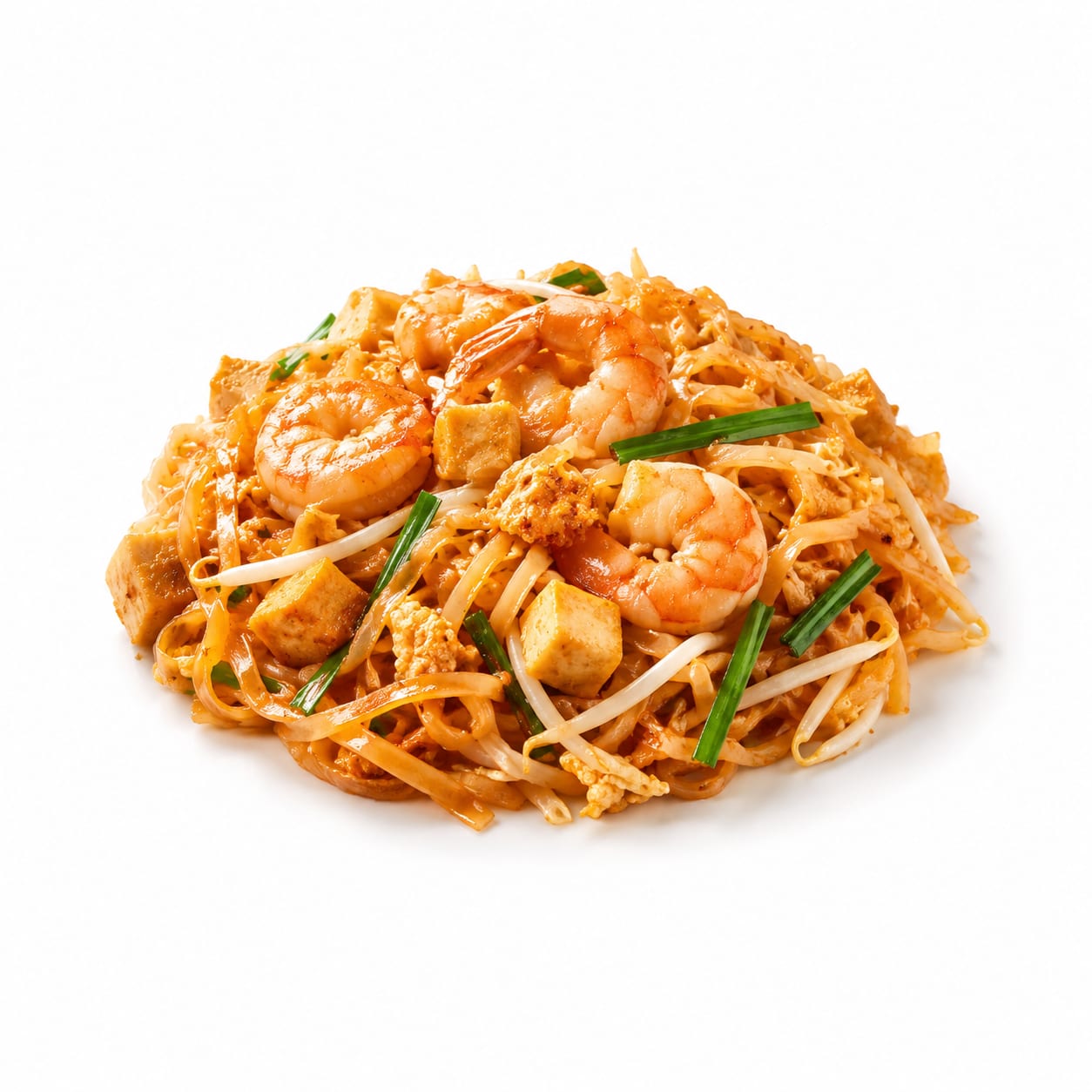
Compare with
Pad Thai
Pad Thai is a uniform noodle dish high in sugar and fat, while dim sum allows you to choose steamed, lower-calorie options.
Dim sum allows for healthier steamed choices, whereas Pad Thai is uniformly high in refined carbs, sugar, and fat.
This food
Dim Sum
VS50% alike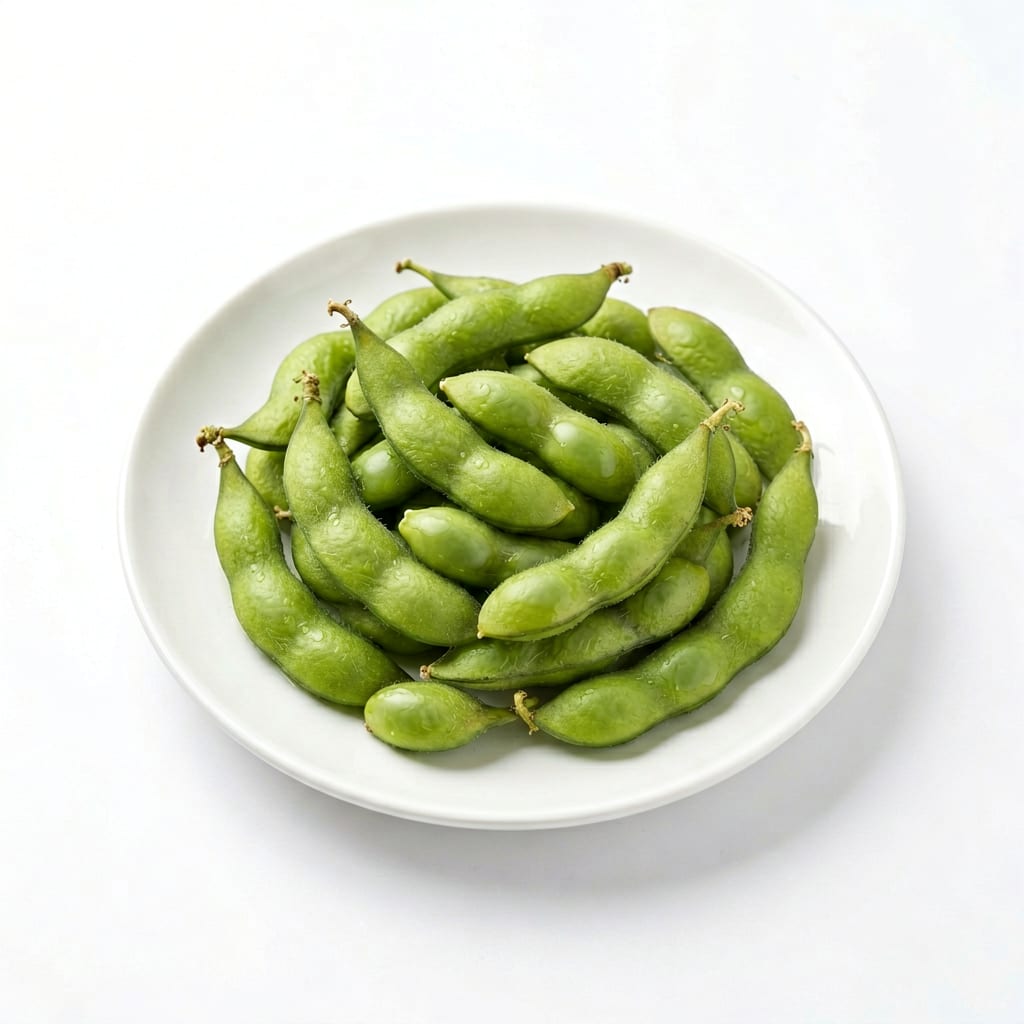
Compare with
Edamame
Edamame is a whole-food, high-fiber, low-calorie alternative to dim sum, offering far better satiety and blood sugar control.
Edamame provides far better fiber, protein, and blood sugar control compared to the refined carbs in dim sum.
This food
Dim Sum
VS95% alike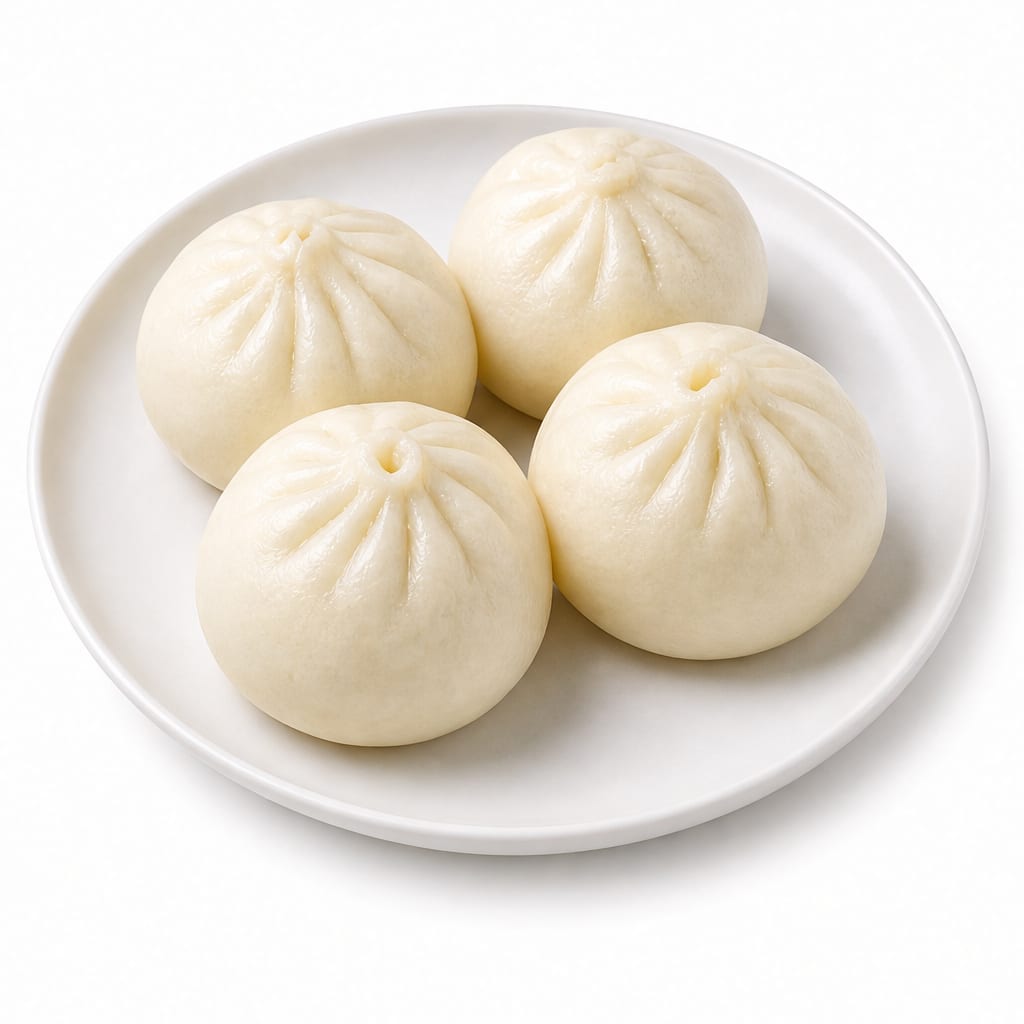
Compare with
Steamed Buns
Steamed buns are a dim sum staple with high refined carbs, while other dim sum items like dumplings offer better protein-to-carb ratios.
Choosing meat-filled dim sum over steamed buns provides a better protein-to-carb ratio and less blood sugar impact.
Common questions
FAQ
Answers aligned with how people search for this food.
Is dim sum healthy?
Dim sum can be part of a healthy diet if you choose steamed options like har gow and limit fried dishes and heavy soy sauce usage.
How many calories are in a typical dim sum meal?
A typical dim sum meal can range from 800 to over 1500 calories depending on the items chosen and the number of plates consumed.
What is the lowest calorie dim sum?
Steamed shrimp dumplings (har gow) and steamed vegetable dumplings are generally the lowest calorie options.
Can diabetics eat dim sum?
Diabetics should be cautious as dim sum wrappers are high in refined carbs that spike blood sugar; prioritize steamed vegetable and protein-heavy options.
Why is dim sum so high in sodium?
Dim sum is high in sodium due to the soy sauce, oyster sauce, and salted fillings used in the dough and meat mixtures.
Is dim sum good for weight loss?
Dim sum is challenging for weight loss due to its high calorie density and easy overconsumption, but manageable with strict portion control.
Are steamed dumplings healthier than fried?
Yes, steamed dumplings are significantly lower in fat and calories compared to their fried counterparts like potstickers or spring rolls.
Does dim sum have MSG?
Many traditional restaurants use MSG to enhance flavor, though some establishments offer MSG-free options upon request.
Transparency
Data confidence
Estimated confidence for nutrition data, interpretation, safety notes, and comparisons.
Nutrition data
Health analysis
Food safety
Comparisons