
Nutrition comparison
Dim Sum vs Ramen: Which Is Healthier?
Compare Dim Sum and Ramen to see which Asian cuisine favorite is better for weight loss, sodium, and daily eating. Learn the nutritional tradeoffs.
Overall winner · Dim Sum
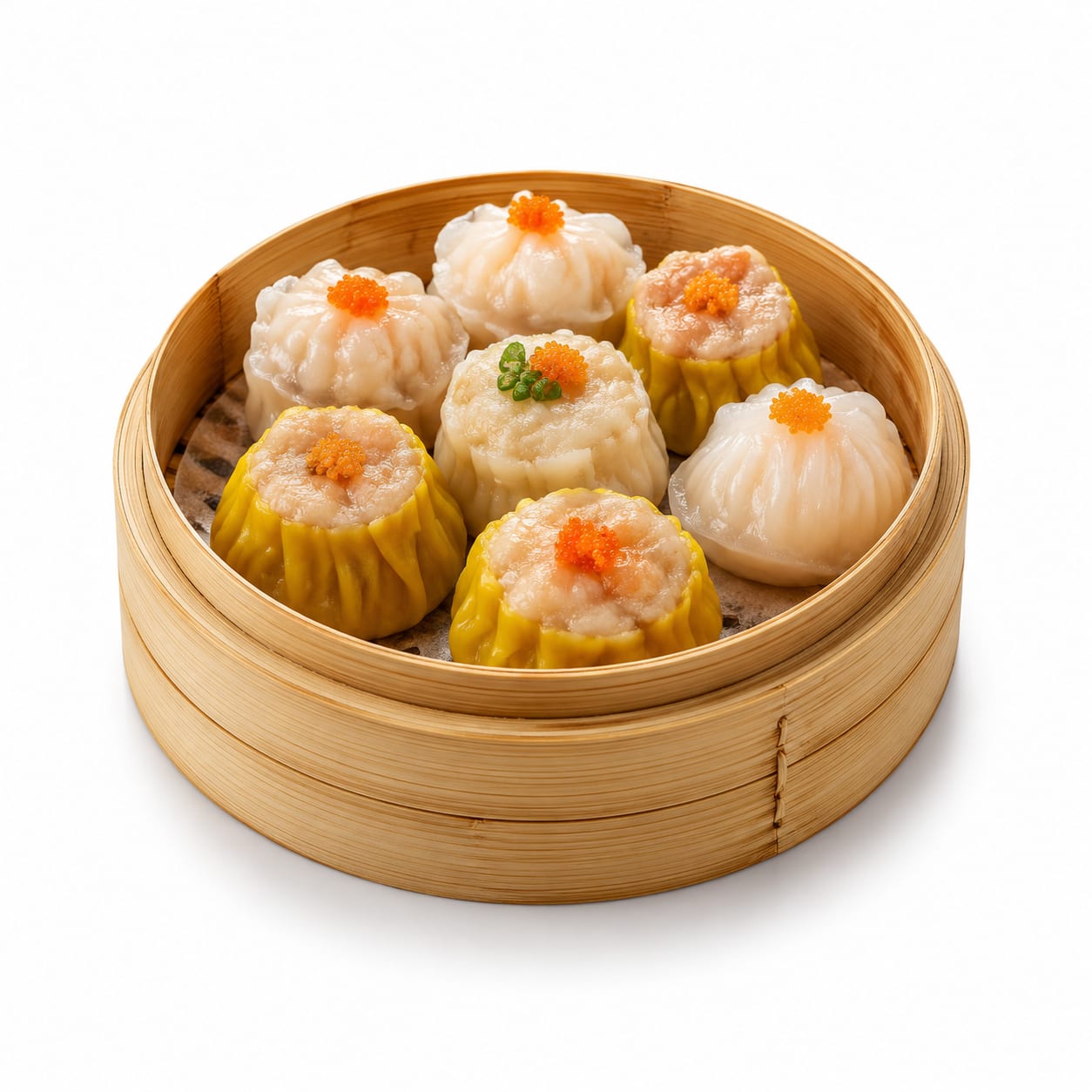
Dim Sum
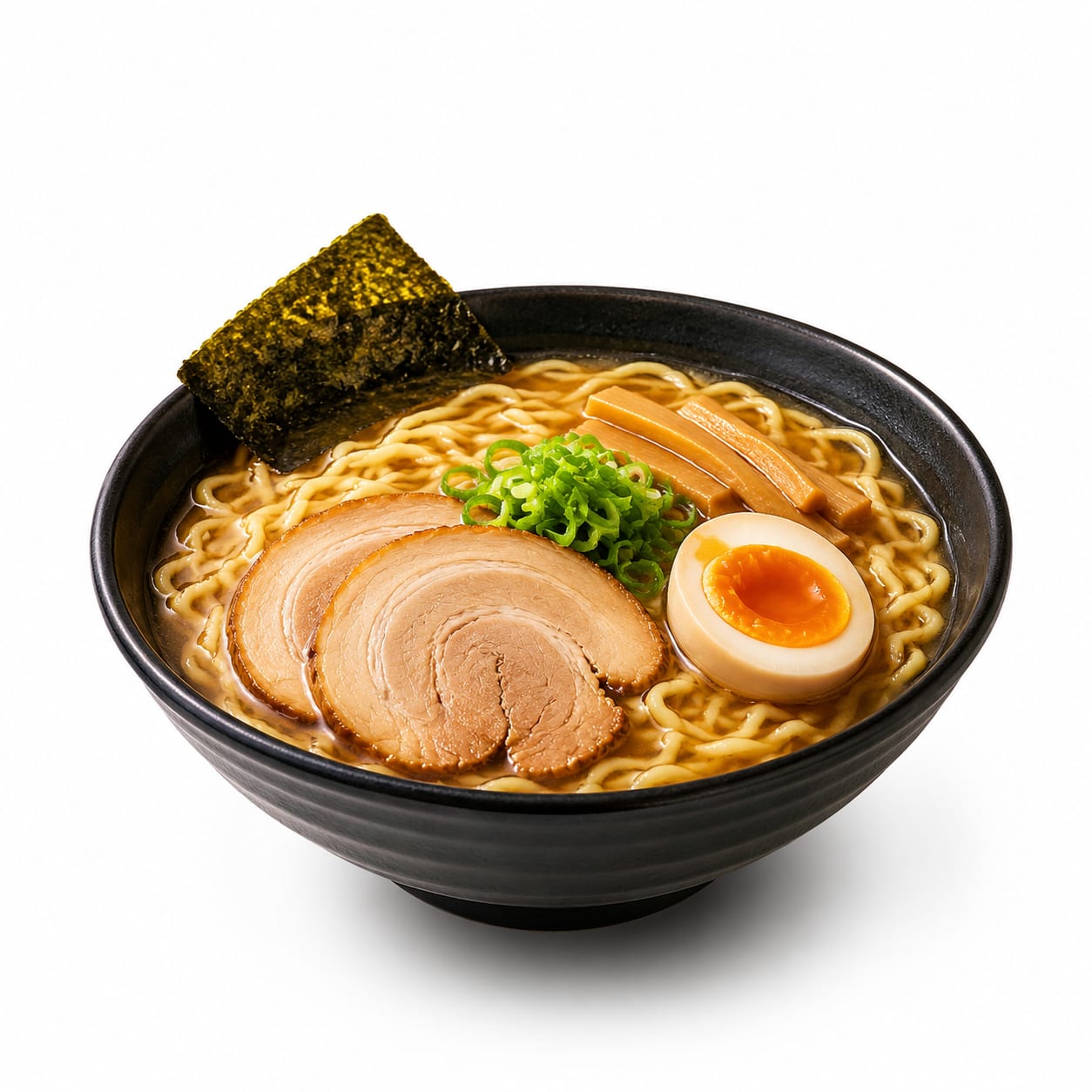
Ramen
Dim Sum edges out Ramen due to better portion control and macro variety, though both are sodium-heavy indulgences.
Dim Sum scores higher because its small-plate format allows for better portion control and vegetable inclusion. Ramen's fixed massive carb and sodium load pulls its score down.
Ramen offers deep, comforting satisfaction in a single bowl, while Dim Sum provides a more balanced, customizable spread but requires smarter choices.
At a glance
Executive summary
Overall
Dim Sum
Healthier
Dim Sum
More practical
Ramen
Daily use
It depends
Key comparison lenses
Sodium and Heart Health Impact
Both dishes are notoriously high in sodium, making cardiovascular risk the primary concern.
Blood Sugar and Carb Load
Ramen delivers a massive refined carb hit, while Dim Sum offers more flexibility to balance macros.
Portion Control and Mindful Eating
Dim Sum's small-plate style naturally slows eating, whereas Ramen is often consumed quickly as a large bowl.
Best choice for
Dim Sum
- Social dining
- Variety seekers
- Those wanting vegetable options
Ramen
- Quick solo meals
- Cold weather comfort
- Post-drinking recovery
Least suitable for
Dim Sum
- Strict low-sodium diets
- Solo diners wanting a quick meal
Ramen
- Blood sugar management
- Low-carb dieters
- Those prone to bloating
Deep comparison
Dimension by dimension
Each lens scores both foods and breaks down who each option suits.
- Dimension 1 · Priority 95Dim Sum
Sodium & Heart Health
Dim Sum · 35Ramen · 20Both are sodium bombs, but Ramen broth is particularly brutal on blood pressure.
Tradeoff
Choosing Dim Sum means you can avoid dipping sauces to cut sodium, but Ramen broth is almost impossible to modify.
Why it matters
High sodium intake leads to water retention and elevated blood pressure.
Real-world impact
Eating Ramen often leaves you parched and bloated for hours; Dim Sum is more manageable if you go easy on the soy sauce.
Dim Sum
- Those willing to skip heavy sauces
Better for
Ramen
- Hypertension management
Worse for
- Dimension 2 · Priority 85Dim Sum
Blood Sugar & Carb Load
Dim Sum · 45Ramen · 25Ramen noodles deliver a massive spike in blood sugar, while Dim Sum wrappers are smaller and can be offset by protein.
Tradeoff
Ramen provides quick energy but guarantees a crash; Dim Sum allows mixing dumplings with protein-heavy dishes.
Why it matters
Large refined carb loads lead to energy crashes and increased fat storage.
Real-world impact
Ramen often causes an afternoon food coma; Dim Sum keeps energy steadier if you balance plates.
Dim Sum
- Sustained energy
- Balancing macros
Better for
Ramen
- Carb-loading before intense activity
Better for
- Diabetes management
- Keto diets
Worse for
- Dimension 3 · Priority 80It depends
Satiety & Portion Control
Dim Sum · 65Ramen · 70Ramen is instantly and heavily filling, while Dim Sum requires mindful eating to avoid overordering.
Tradeoff
Ramen forces a large volume in one sitting, whereas Dim Sum lets you stop when you are actually full.
Why it matters
Portion control dictates long-term weight management.
Real-world impact
It is easy to overeat Dim Sum because dishes keep arriving, but Ramen forces you to finish a massive bowl even when full.
Dim Sum
- Pacing yourself
- Stopping when satisfied
Better for
- Mindless snacking
Worse for
Ramen
- Maximum fullness per dollar
Better for
- Feeling overly stuffed
Worse for
- Dimension 4 · Priority 75Dim Sum
Nutritional Variety
Dim Sum · 70Ramen · 40Dim Sum offers vegetables, seafood, and varied proteins; Ramen is mostly noodles with a single protein topping.
Tradeoff
Dim Sum requires active selection to get variety, while Ramen is a one-bowl meal with limited micronutrients.
Why it matters
Diverse nutrient intake supports overall health and gut microbiome.
Real-world impact
A Dim Sum spread can actually provide a decent vitamin profile, whereas Ramen is mostly just carbs and fat.
Dim Sum
- Getting vegetable servings
- Diverse micronutrients
Better for
Ramen
- Meeting daily vitamin needs
Worse for
Timeline
Health impact over time
Short-term
Hours to days
Dim Sum
- Mild fullness depending on quantity ordered
- Slight sodium thirst if sauces are overused
Ramen
- Heavy bloating from broth and carbs
- Immediate thirst from extreme sodium
- Strong food coma
Long-term
Months to years
Dim Sum
- Potential weight gain if fried options are favored
- Blood pressure concerns if eaten frequently
Ramen
- High risk of metabolic syndrome from refined carbs and sodium
- Significant water retention and bloating
Risk profile
Safety & processing
Ramen broths often contain heavy MSG, flavor enhancers, and preservatives, especially in commercial shops. Dim Sum uses more whole ingredients like shrimp and vegetables, though processed meats like pork buns are common.
Dim Sum
Undercooked seafood or meat
mediumSteamed dumplings must be cooked thoroughly to avoid foodborne illness from raw pork or shrimp fillings.
Cross-contamination
mediumShared bamboo steamers and carts can lead to cross-contact with allergens.
Ramen
Bacterial growth in broth
mediumIf broth is not kept at proper temperatures, it can harbor bacteria, though boiling usually mitigates this.
MSG sensitivity
lowSome individuals experience headaches or flushing from high MSG content in tonkotsu or miso broths.
Who wins for whom
Audience fit
Same foods, different winners depending on your goal.
children
Dim SumThe small, bite-sized nature of Dim Sum is fun and less overwhelming for kids than a giant bowl of hot broth.
daily consumption
It dependsNeither is great for daily consumption due to sodium, but a light Dim Sum order is less damaging than a daily Ramen habit.
diabetes
Dim SumDim Sum allows you to avoid heavy carbs by choosing meat and vegetable dishes, while Ramen noodles guarantee a blood sugar spike.
elderly
Dim SumSteamed Dim Sum is soft and easy to chew, and sodium can be managed by avoiding soy sauce, unlike Ramen where the broth is inseparable.
muscle gain
RamenRamen provides a massive carbohydrate load that pairs well with heavy lifting, plus chashu pork and egg offer decent protein.
weight loss
Dim SumDim Sum allows for steamed vegetable and shrimp options with built-in portion control, whereas Ramen is a fixed calorie bomb.
Your move
Decision guide
Choose Dim Sum
- You want to share a meal with friends and control your portions
- You crave variety including vegetables and seafood
- You want to avoid a massive carbohydrate crash
Choose Ramen
- You need deep, comforting warmth on a cold day
- You want a heavy, filling meal after intense physical activity
- You are eating solo and want a quick, satisfying bowl
Either works if
- You are okay with a high-sodium indulgence meal
Avoid both if
- You have severe hypertension and must strictly limit sodium
- You are on a low-carb or keto diet
Final recommendation
Choose Dim Sum for a more balanced, social meal where you can manage your macros. Save Ramen for when you need heavy comfort and carb-loading, but drink plenty of water after.
Practical
Consumer tips
- 1
When eating Dim Sum, ask for low-sodium soy sauce and skip the dipping for steamed items.
- 2
For Ramen, drink the broth sparingly—most of the sodium and fat lives there.
- 3
Add extra vegetables to Ramen if the restaurant allows modifications.
- 4
At Dim Sum, fill up on steamed greens and shrimp dishes before moving to fried options.