
Nutrition comparison
Dim Sum vs Potstickers: Nutrition, Calories, and Health Comparison
Comparing Dim Sum vs Potstickers? Discover the nutritional differences, sodium levels, and which dumpling is healthier for your diet and lifestyle goals.
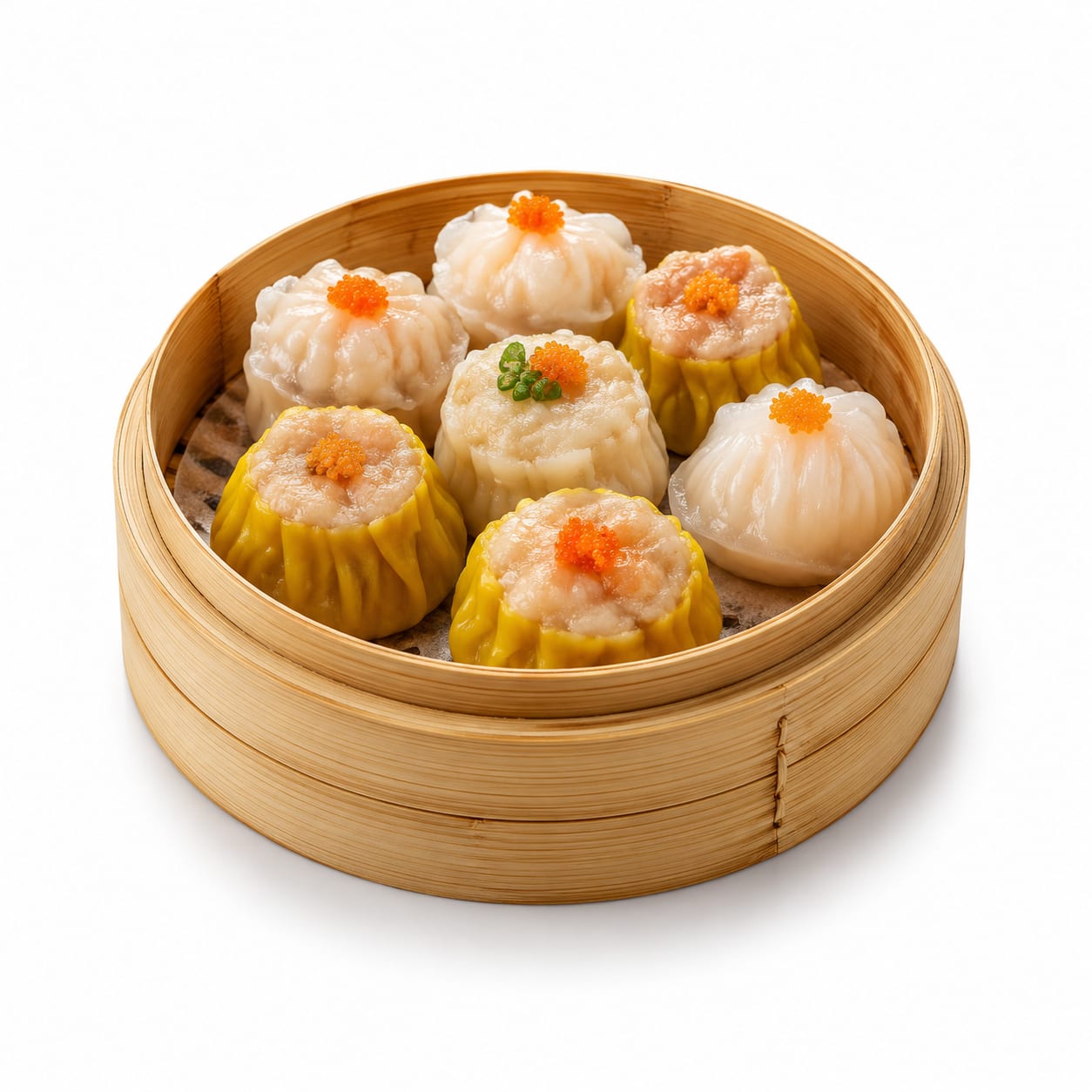
Dim Sum
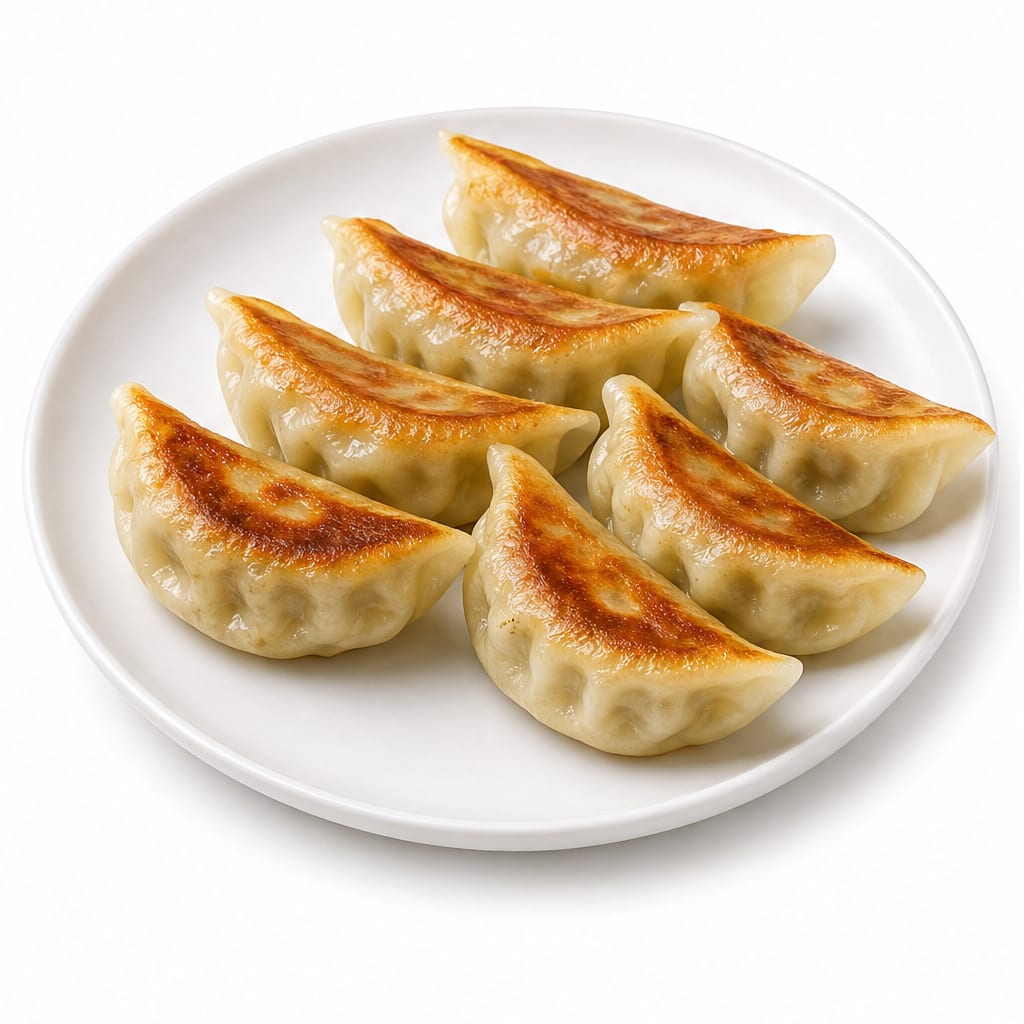
Potstickers
Dim Sum offers more nutritional variety and steamed options, but Potstickers win on portion predictability and convenience.
Potstickers score slightly higher due to portion predictability and convenience, but Dim Sum can easily outscore them if you strategically choose steamed vegetable and seafood dishes over fried options.
The diverse, lighter options of Dim Sum versus the crispy, comforting, and easy-to-track nature of Potstickers.
At a glance
Executive summary
Overall
It depends
Healthier
It depends
More practical
Potstickers
Daily use
Potstickers
Key comparison lenses
Sodium load and blood pressure impact
Both foods are notoriously high in sodium due to soy sauce and dipping sauces, making cardiovascular impact a primary concern.
Portion control and overeating risk
Dim Sum's variety encourages sampling many dishes, while Potstickers are uniform but easy to eat mindlessly by the plate.
Cooking method and fat content
Dim Sum offers steamed options that skip the fryer, whereas Potstickers are defined by their pan-fried crispy bottom.
Nutritional variety and balance
Dim Sum meals can include vegetables and lean proteins, while Potstickers are typically a uniform carb-heavy, pork-filled bite.
Convenience and everyday practicality
Potstickers are a staple frozen convenience food, while Dim Sum is usually a restaurant or weekend experience.
Best choice for
Dim Sum
- People wanting vegetable and protein variety
- Diners who prefer steamed over fried foods
- Social, shared-eating experiences
Potstickers
- People tracking exact calorie and macro intake
- Busy individuals needing a quick frozen meal
- Those craving a crispy, comforting bite
Least suitable for
Dim Sum
- People on strict low-sodium diets
- Anyone needing precise calorie tracking
- Quick solo weeknight dinners
Potstickers
- People avoiding high-fat pan-fried foods
- Those seeking a balanced meal in a single dish
- Diners looking for vegetable-heavy options
Deep comparison
Dimension by dimension
Each lens scores both foods and breaks down who each option suits.
- Dimension 1 · Priority 92It depends
Sodium and Blood Pressure Impact
Dim Sum · 40Potstickers · 45Both are sodium bombs, but Dim Sum dipping sauces push salt intake extremely high if used liberally.
Tradeoff
Dim Sum gives you the option to skip the sauce, while Potstickers have salt baked into the filling.
Why it matters
High sodium intake leads to bloating and raises blood pressure, making both foods tough for daily eating.
Real-world impact
You might feel puffy and thirsty the next morning after eating either, especially if you dipped liberally.
Dim Sum
- Those who can skip soy sauce dipping
Better for
- People who automatically dunk every bite in soy sauce
Worse for
Potstickers
- Those who prefer salt mixed into the food rather than dipping
Better for
- People sensitive to any hidden sodium in ground meat fillings
Worse for
- Dimension 2 · Priority 88Potstickers
Portion Control and Overeating Risk
Dim Sum · 35Potstickers · 65Potstickers come in defined counts, while Dim Sum's small plates encourage a buffet mentality.
Tradeoff
Dim Sum offers tiny plates that seem harmless but add up fast, versus Potstickers where a 6-piece count is easy to track.
Why it matters
Mindless eating is a major driver of unintended weight gain, and variety triggers the desire to eat more.
Real-world impact
It is shockingly easy to consume over 1000 calories at a Dim Sum meal without feeling full, while a set number of Potstickers provides a natural stopping point.
Dim Sum
- Shared meals where everyone splits dishes
Better for
- Anyone eating alone who tends to clear the table
Worse for
Potstickers
- Meal preppers tracking exact macros
- People who struggle with stopping once they start eating
Better for
- People who easily eat a whole 20-piece bag of frozen dumplings
Worse for
- Dimension 3 · Priority 82Dim Sum
Cooking Method and Fat Content
Dim Sum · 70Potstickers · 40Dim Sum includes many steamed options, while Potstickers rely on a crispy, oil-fried crust.
Tradeoff
Choosing steamed Dim Sum skips the heavy grease, but Potstickers always bring a dose of pan-fried fat.
Why it matters
Steaming keeps calories and inflammatory fats low, while pan-frying adds empty calories and makes the food heavier.
Real-world impact
Steamed shrimp Dim Sum leaves you feeling light and energized, whereas a plate of Potstickers can sit heavy in your stomach.
Dim Sum
- Those seeking lighter, steamed food options
Better for
- Anyone defaulting to the deep-fried Dim Sum options
Worse for
Potstickers
- People wanting higher calories for energy density
Better for
- Anyone watching their fat intake or dealing with acid reflux
Worse for
- Dimension 4 · Priority 78Dim Sum
Nutritional Variety and Balance
Dim Sum · 80Potstickers · 40Dim Sum menus offer vegetables, seafood, and lean meats, while Potstickers are mostly refined carbs and pork.
Tradeoff
Dim Sum allows you to build a balanced meal, whereas Potstickers are a one-note carb-and-fat combo.
Why it matters
Eating a mix of protein, fiber, and fats keeps blood sugar stable and provides better satiety.
Real-world impact
Ordering steamed greens and shrimp Dim Sum gives you actual nutrients; eating only Potstickers leaves you hungry again an hour later.
Dim Sum
- Those wanting to incorporate vegetables into their meal
Better for
- Diners who only order pork buns and spring rolls
Worse for
Potstickers
- People who want a simple, predictable snack without thinking
Better for
- Anyone needing a fiber-rich or vitamin-rich meal
Worse for
- Dimension 5 · Priority 75Potstickers
Convenience and Practicality
Dim Sum · 30Potstickers · 90Potstickers are a staple frozen food ready in minutes, while Dim Sum is typically a restaurant outing.
Tradeoff
You trade the artisanal variety of Dim Sum for the instant, cheap gratification of frozen Potstickers.
Why it matters
Convenience often dictates what we actually eat on a Tuesday night versus what we wish we ate.
Real-world impact
You can boil or pan-fry Potstickers in 10 minutes after work, while Dim Sum requires ordering takeout or spending hours folding wrappers.
Dim Sum
- Weekend brunch experiences
Better for
- Last-minute meal needs
Worse for
Potstickers
- Exhausted professionals needing dinner fast
- College students on a budget
Better for
- Special occasions or entertaining guests
Worse for
Timeline
Health impact over time
Short-term
Hours to days
Dim Sum
- Bloating from high sodium and varied ingredients
- Energy crash if you eat mostly fried, carb-heavy items
- Indigestion from mixing many different rich foods
Potstickers
- Heavy, sluggish feeling from the dense carb and fat combo
- Thirst from the salty filling
- Quick but short-lived satiety
Long-term
Months to years
Dim Sum
- Weight gain if frequently choosing fried options and heavy sauces
- Blood pressure concerns from restaurant-level sodium
- Better nutrient status if consistently choosing seafood and vegetable dishes
Potstickers
- Increased visceral fat if eaten frequently due to high refined carb and fat content
- Blood pressure spikes from regular frozen-food sodium intake
- Nutrient gaps due to lack of vegetable variety
Risk profile
Safety & processing
Restaurant Dim Sum uses commercial sauces and dough conditioners, but frozen Potstickers often contain more preservatives and stabilizers to survive freezing and long-term storage.
Dim Sum
Improper holding temperatures
mediumDim Sum carts or buffet-style holding can let food sit in the danger zone, increasing bacterial risk.
MSG sensitivity
lowSome restaurants use heavy MSG which can trigger headaches or flushing in sensitive individuals.
Potstickers
Undercooked pork filling
highIf not cooked thoroughly, the dense ground meat center of frozen Potstickers can harbor harmful bacteria.
Freezer burn and spoilage
lowLeaving frozen Potstickers too long or thawing improperly can degrade quality and safety.
Who wins for whom
Audience fit
Same foods, different winners depending on your goal.
children
PotstickersPotstickers are familiar, easy to chew, and kid-friendly, while Dim Sum can be intimidating or contain unexpected ingredients.
daily consumption
PotstickersNeither is great daily due to sodium, but Potstickers are far more practical for a quick everyday meal.
diabetes
Dim SumYou can avoid carb-heavy Dim Sum items and focus on protein, while Potstickers are mostly refined carbohydrate wrappers.
elderly
Dim SumSteamed Dim Sum items are very soft and easy to digest, offering gentle nutrition for sensitive stomachs.
muscle gain
Dim SumDim Sum offers high-protein options like steamed shrimp or chicken feet that are leaner than the fatty pork inside Potstickers.
weight loss
PotstickersPortion control is easier with a set number of Potstickers, whereas Dim Sum variety easily leads to overeating.
Your move
Decision guide
Choose Dim Sum
- You want a social, shared dining experience
- You are willing to seek out steamed vegetable and seafood options
- You want a lighter meal that will not sit heavy in your stomach
Choose Potstickers
- You need a fast, satisfying meal in under 15 minutes
- You are tracking calories and need exact portion sizes
- You are craving something crispy and comforting
Either works if
- You want a savory, dumpling-based comfort meal
- You are okay with a high-sodium dinner and will drink extra water
Avoid both if
- You are on a strict low-sodium diet for blood pressure
- You are highly sensitive to MSG or gluten
Final recommendation
If you are eating out and can choose steamed options, Dim Sum is the more nutrient-rich path. If you are at home needing a quick, comforting bite you can track easily, Potstickers are your friend. Just watch the dipping sauce either way.
Practical
Consumer tips
- 1
Ask for low-sodium soy sauce when eating Dim Sum, or dip your food lightly instead of soaking it.
- 2
Steam frozen Potstickers first, then just lightly pan-fry them to cut down on the oil needed.
- 3
Fill half your plate with steamed greens when eating Dim Sum to balance the richer items.
- 4
Pair Potstickers with a simple side salad or steamed broccoli to add missing fiber to the meal.
- 5
Drink plenty of water or unsweetened tea with either meal to help flush out the excess sodium.