
Nutrition comparison
Dim Sum vs Pad Thai: Which Asian Dish Is Healthier?
Compare Dim Sum and Pad Thai on sodium, carbs, protein, and portion control. Learn which dish fits your health goals and how to order smarter.
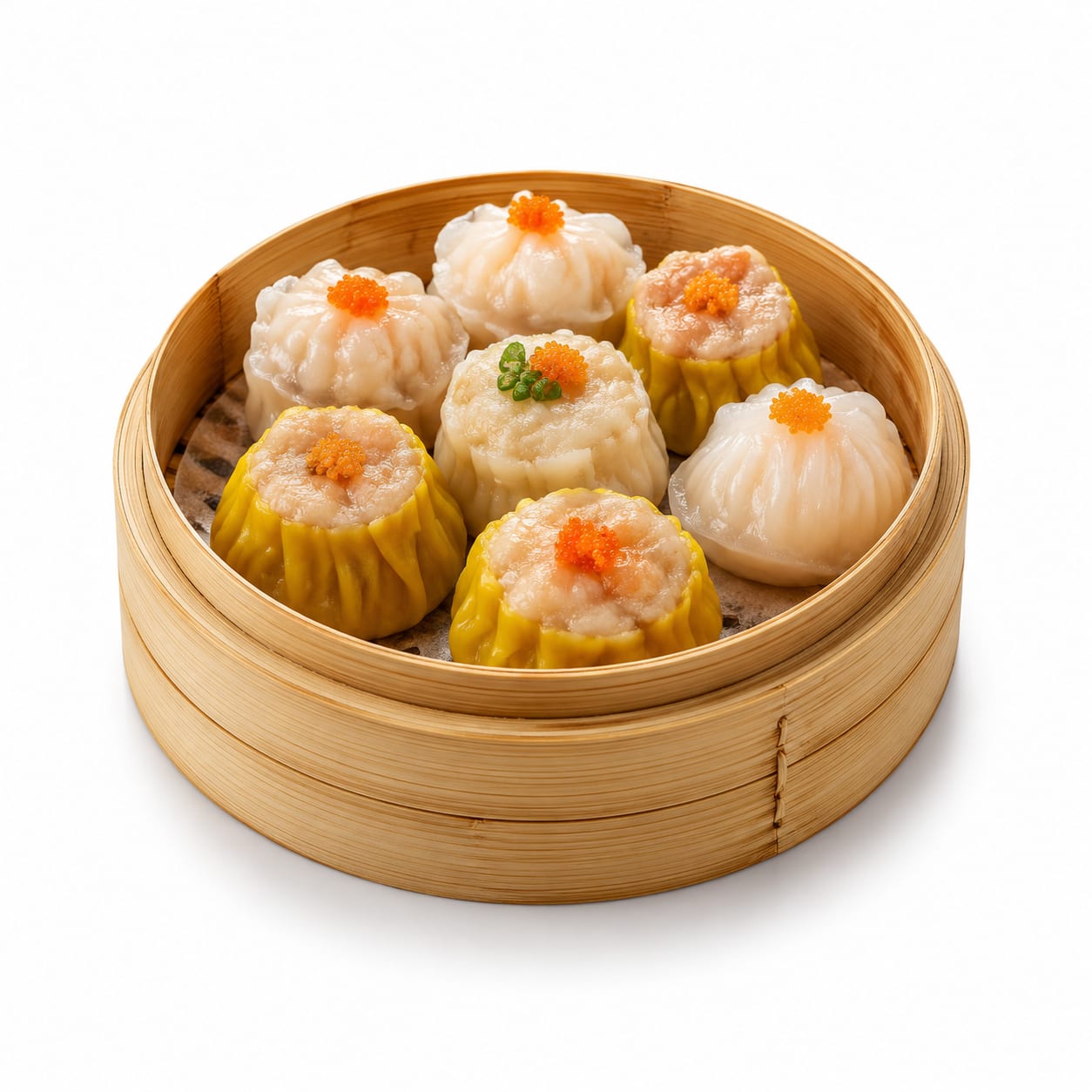
Dim Sum
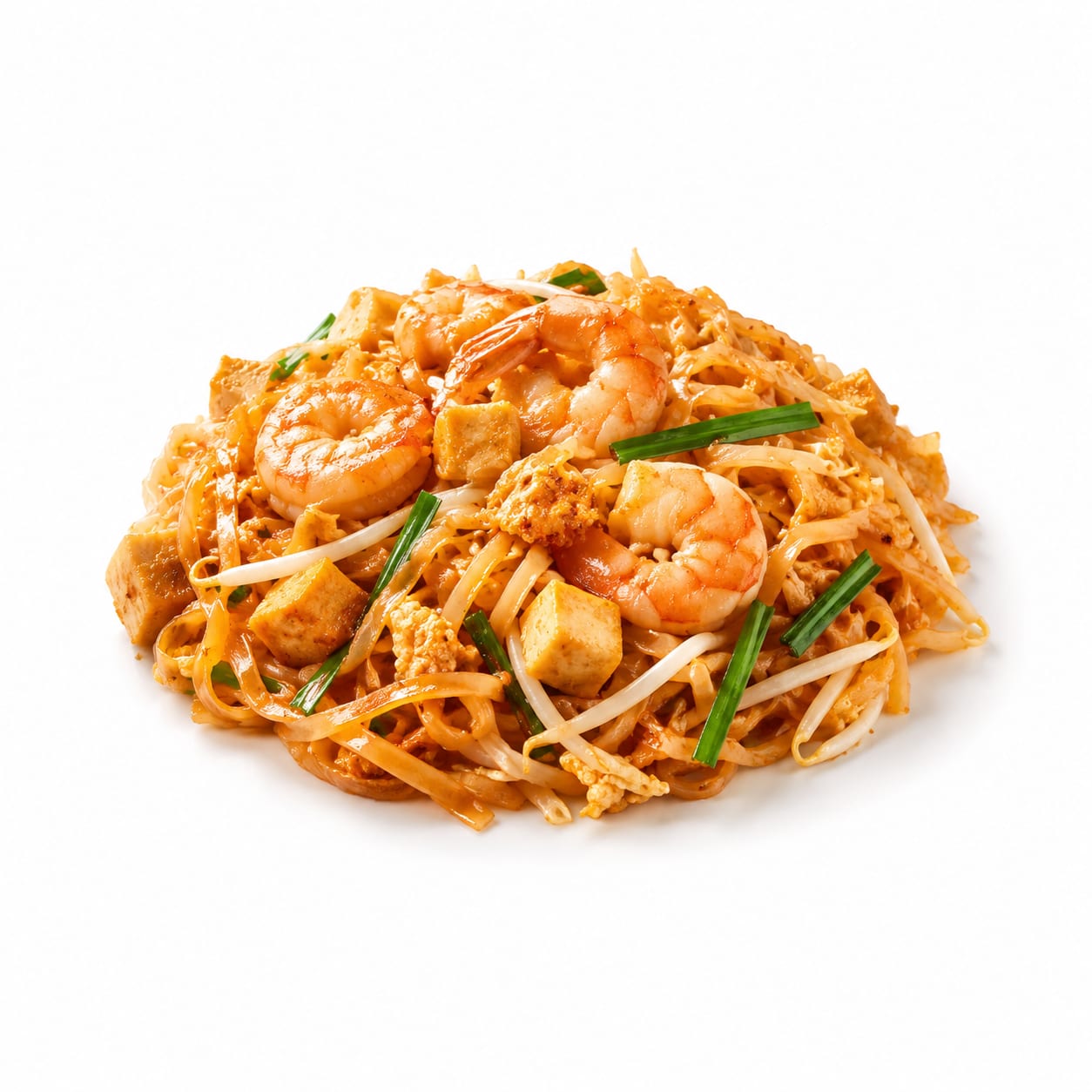
Pad Thai
Dim Sum wins on variety and protein options, Pad Thai wins on portion predictability and healthier fats from peanuts
Dim Sum edges ahead slightly due to potential for balanced choices, but both lose points for high sodium and refined carbs. Scores are close because the healthier option depends entirely on how Dim Sum is ordered and how much Pad Thai is consumed
Dim Sum lets you build a balanced plate but makes portion control nearly impossible, while Pad Thai is simpler to track but nutritionally one-dimensional
At a glance
Executive summary
Overall
It depends
Healthier
It depends
More practical
Pad Thai
Daily use
Pad Thai
Key comparison lenses
Sodium and heart health impact
Both dishes are notoriously high in sodium, but Dim Sum's variety means some items are far saltier than others, while Pad Thai's sauce delivers a consistent sodium hit
Portion control and overeating risk
Dim Sum's small plates encourage continuous eating, while Pad Thai arrives as a single large portion that's easy to overconsume
Carbohydrate load and blood sugar
Pad Thai is rice noodle-heavy with sugary tamarind sauce, while Dim Sum wrappers and buns add up quickly across multiple plates
Nutritional variety and balance
Dim Sum offers protein, vegetable, and seafood options in one meal, whereas Pad Thai is a single-composition dish
Fat quality and cooking method
Dim Sum includes both steamed and deep-fried items, while Pad Thai is stir-fried in oil with peanuts adding healthy fats
Best choice for
Dim Sum
- People who want protein variety including seafood and lean meats
- Diners who can practice restraint with small plates
- Anyone seeking vegetables alongside their carbs
- Those wanting a social, shared eating experience with balanced choices
Pad Thai
- People tracking calories or macros precisely
- Anyone needing a quick, predictable single-dish meal
- Those who prefer plant-based protein from tofu and peanuts
- Diners who want healthier monounsaturated fats
Least suitable for
Dim Sum
- People with severe sodium restrictions or hypertension
- Anyone struggling with portion control or binge eating
- Those on low-carb diets who find wrappers irresistible
- People with shellfish allergies navigating shared plates
Pad Thai
- People with peanut allergies
- Anyone monitoring blood sugar closely due to high glycemic load
- Those avoiding refined carbohydrates
- People seeking diverse nutrients in a single meal
Deep comparison
Dimension by dimension
Each lens scores both foods and breaks down who each option suits.
- Dimension 1 · Priority 92Pad Thai
Sodium Load
Dim Sum · 28Pad Thai · 38Both are sodium bombs, but Dim Sum typically delivers more salt per meal due to soy sauce, cured meats, and dipping sauces across multiple plates
Tradeoff
Pad Thai's sodium is concentrated in one sauce, making it easier to estimate, while Dim Sum's sodium accumulates invisibly across dishes
Why it matters
A single Dim Sum meal can easily exceed 3000mg sodium, which is more than two days' worth for people with hypertension
Real-world impact
You'll likely feel thirstier and more bloated after Dim Sum, and next-morning scale weight may spike from water retention
Dim Sum
- Anyone with high blood pressure or kidney concerns
- People prone to bloating after salty meals
Worse for
Pad Thai
- People who need to track sodium intake more predictably
Better for
- Dimension 2 · Priority 88Pad Thai
Portion Control
Dim Sum · 32Pad Thai · 52Pad Thai comes as one plate with visible boundaries, while Dim Sum's parade of small dishes removes natural stopping cues
Tradeoff
Dim Sum's variety is its joy and its danger — each new basket feels like a fresh start, so fullness signals get delayed
Why it matters
Research shows variety increases intake by up to 40%, and Dim Sum is essentially a variety-driven eating format
Real-world impact
It's very easy to consume 1500+ calories at Dim Sum without feeling full, while a Pad Thai portion feels complete when finished
Dim Sum
- Emotional eaters who struggle with unlimited food scenarios
- People who eat until the food is gone rather than until satisfied
Worse for
Pad Thai
- Anyone who eats better with clear portion boundaries
- People tracking calories who need predictable serving sizes
Better for
- Dimension 3 · Priority 82Dim Sum
Protein Quality and Variety
Dim Sum · 72Pad Thai · 48Dim Sum offers shrimp, pork, chicken, fish, and tofu across different dishes, while Pad Thai typically includes just one protein source
Tradeoff
Dim Sum's protein comes wrapped in refined carbs, while Pad Thai's protein sits alongside healthier peanut fats
Why it matters
Diverse protein sources provide a broader amino acid profile and make the meal more nutritionally complete
Real-world impact
After Dim Sum you'll feel more satisfied from varied proteins, but after Pad Thai you may crave something different within hours
Dim Sum
- Athletes needing diverse amino acid sources
- Anyone wanting seafood-based protein options
Better for
Pad Thai
- People relying on a single meal for substantial protein intake
Worse for
- Dimension 4 · Priority 85It depends
Blood Sugar Stability
Dim Sum · 42Pad Thai · 35Both meals are carb-heavy, but Dim Sum's mix of proteins and fats slows glucose absorption slightly better than Pad Thai's noodle-dominant profile
Tradeoff
Pad Thai's tamarind sauce adds concentrated sugar on top of refined rice noodles, creating a sharper blood sugar spike
Why it matters
Rice noodles digest quickly and the added sugar in Pad Thai sauce can cause a rapid glucose rise followed by an energy crash
Real-world impact
After Pad Thai you may feel sleepy within 90 minutes, while a balanced Dim Sum selection with steamed items provides steadier energy
Dim Sum
- People who choose mostly steamed items with protein-forward dishes
- Anyone wanting to moderate glycemic impact through food combining
Better for
- People who load up on buns, turnip cakes, and fried items
Worse for
Pad Thai
- People with insulin resistance or prediabetes
- Anyone sensitive to post-meal energy crashes
Worse for
- Dimension 5 · Priority 75Pad Thai
Fat Profile
Dim Sum · 38Pad Thai · 58Pad Thai's peanuts and stir-fry oil provide more monounsaturated fats, while Dim Sum mixes deep-fried trans-fat risks with fatty pork fillings
Tradeoff
Dim Sum's steamed items are lower in fat, but fried items like egg rolls and taro puffs deliver damaged oils with minimal nutritional benefit
Why it matters
Monounsaturated fats from peanuts support heart health, while repeated deep-frying oils can promote inflammation
Real-world impact
Choosing mostly steamed Dim Sum gives you less fat overall, but if you eat fried items, Pad Thai's peanut fat is the healthier option
Dim Sum
- People who stick exclusively to steamed dumplings and buns
Better for
- Diners who can't resist fried taro puffs and egg rolls
Worse for
Pad Thai
- Anyone wanting heart-healthier fat sources
- People who find peanut-based fat more satiating
Better for
- People with peanut or legume allergies
Worse for
- Dimension 6 · Priority 80Dim Sum
Nutritional Diversity
Dim Sum · 75Pad Thai · 40Dim Sum spans vegetables, seafood, meats, and different cooking methods in one meal, while Pad Thai is nutritionally repetitive
Tradeoff
Dim Sum's diversity only helps if you make balanced choices — ordering only pork dumplings negates the advantage entirely
Why it matters
Eating diverse foods in one sitting provides broader micronutrient coverage and supports gut microbiome health
Real-world impact
A well-chosen Dim Sum meal can cover protein, greens, and healthy carbs, while Pad Thai essentially repeats the same nutritional profile in every bite
Dim Sum
- People who intentionally order across categories including vegetable dishes
- Anyone wanting micronutrient variety without taking supplements
Better for
- Diners who order only their favorite two or three items repeatedly
Worse for
Pad Thai
- People seeking broad nutrient intake from a single meal
Worse for
Timeline
Health impact over time
Short-term
Hours to days
Dim Sum
- Significant bloating and water retention from sodium accumulation across multiple plates
- Variable energy depending on steamed vs fried ratio — heavy fried items cause sluggishness
- High satiety if protein-heavy items dominate, but easy to overeat past comfortable fullness
- Thirst that persists for hours after the meal due to soy sauce and salt content
Pad Thai
- Noticeable blood sugar spike within an hour from refined rice noodles and sweet sauce
- Moderate satiety from peanuts and protein, but hunger returns within 3-4 hours
- Possible mild digestive discomfort from high oil content if the dish is heavily stir-fried
- Less bloating than Dim Sum but still significant sodium impact
Long-term
Months to years
Dim Sum
- Regular Dim Sum consumption increases hypertension risk substantially due to cumulative sodium load
- Deep-fried items consumed frequently raise inflammatory marker levels over time
- The social eating format may reinforce overeating patterns that transfer to other meals
- Choosing steamed options consistently can mitigate most long-term risks
Pad Thai
- Frequent Pad Thai consumption contributes to refined carbohydrate overexposure and insulin resistance risk
- Peanut fat provides some cardiovascular benefit that partially offsets the refined carb impact
- Consistent large portions may normalize oversized carbohydrate meals
- Restaurant versions with heavy sauce and oil are significantly worse than homemade versions
Risk profile
Safety & processing
Both dishes use processed ingredients — Dim Sum wrappers are refined flour and many fillings contain cured meats with nitrates, while Pad Thai relies on refined rice noodles and commercially processed tamarind sauce with added sugar and preservatives. Neither is a whole-food meal, but both use recognizable ingredients rather than industrial formulations
Dim Sum
Bamboo steamer cross-contamination
mediumShared steamers and communal dining increase exposure to allergens and pathogens, especially for those with shellfish allergies
Improper holding temperatures
mediumDim Sum carts circulate for extended periods, and items may sit at unsafe temperatures longer than standard restaurant food
Cured and preserved meat exposure
lowSome fillings use cured pork products with nitrates, which are classified as probable carcinogens with regular consumption
Pad Thai
Peanut cross-contamination in kitchens
highThai kitchens use peanuts extensively, making cross-contamination nearly unavoidable for those with severe allergies
Reheated cooking oil
mediumHigh-volume stir-fry kitchens may reuse oil, creating oxidized compounds that promote inflammation
Sauce additive exposure
lowCommercial tamarind paste and fish sauce may contain MSG, preservatives, and artificial colorings
Who wins for whom
Audience fit
Same foods, different winners depending on your goal.
children
Pad ThaiPad Thai's familiar noodle format is easier for kids, and the single dish avoids the chaos of shared plates and choking-risk small items
daily consumption
Pad ThaiPad Thai is more nutritionally predictable and easier to fit into a daily routine, while Dim Sum is designed as an occasional social feast
diabetes
It dependsNeither is ideal, but carefully chosen steamed Dim Sum with protein-forward items causes less glycemic spike than Pad Thai's sugary noodle base
elderly
Dim SumDim Sum's soft steamed dumplings and buns are easier to chew and digest, and the variety supports better nutritional intake for aging appetites
muscle gain
Dim SumDim Sum's diverse protein sources from shrimp, pork, and chicken provide better amino acid variety for muscle recovery
weight loss
Pad ThaiPad Thai's single-portion format makes calorie tracking more realistic, while Dim Sum's endless small plates sabotage portion awareness
Your move
Decision guide
Choose Dim Sum
- You're sharing a meal with friends and can order strategically across steamed, vegetable, and protein categories
- You want diverse protein including seafood and can stop after 4-5 plates
- You're eating with elderly family members who benefit from soft, varied foods
- You haven't had Dim Sum in weeks and can treat it as a special occasion meal
Choose Pad Thai
- You need a quick, predictable single-dish meal without decision fatigue
- You're tracking macros or calories and want a defined portion
- You want healthier fats from peanuts alongside your carbs
- You're eating alone and want something satisfying without overthinking it
Either works if
- Sodium isn't a personal health concern for you
- You're comfortable with refined carbs in moderation
- You're eating out and both options are available at similar quality
- You plan to balance the meal with lighter eating earlier or later in the day
Avoid both if
- You have severe hypertension and need to keep sodium under 1500mg daily
- You're following a strict low-carb or ketogenic protocol
- You have active gout and need to limit purines from both seafood and pork
- You're highly sensitive to MSG or artificial flavor enhancers
Final recommendation
Choose Dim Sum when you can be intentional — prioritize steamed dumplings, include a vegetable dish, and set a firm plate limit. Choose Pad Thai when you need simplicity and predictability, ideally with extra protein and lighter sauce. Neither belongs in your regular rotation more than once or twice monthly, but both can fit a healthy diet when you know your tradeoffs
Practical
Consumer tips
- 1
Request Pad Thai with less sauce and extra vegetables to cut sugar and add fiber
- 2
At Dim Sum, fill your first round with steamed items only before considering anything fried
- 3
Ask for soy sauce on the side at Dim Sum rather than dipping liberally from shared containers
- 4
Split a Pad Thai order and add a side salad — restaurant portions are typically two servings
- 5
Drink extra water after either meal to help flush sodium and reduce next-day bloating
- 6
Avoid Dim Sum carts and order from a menu instead — you'll make more deliberate choices
- 7
Choose shrimp-based Dim Sum items over pork to reduce saturated fat while maintaining protein quality
- 8
Make Pad Thai at home using less sugar, more vegetables, and whole-grain noodles for a dramatically healthier version