
Nutrition comparison
Dim Sum vs Pho: Which is Healthier?
Compare Dim Sum and Pho to see which Asian cuisine is better for weight loss, sodium, and daily eating. Find out the nutritional tradeoffs and which is easier on your stomach.
Overall winner · Pho
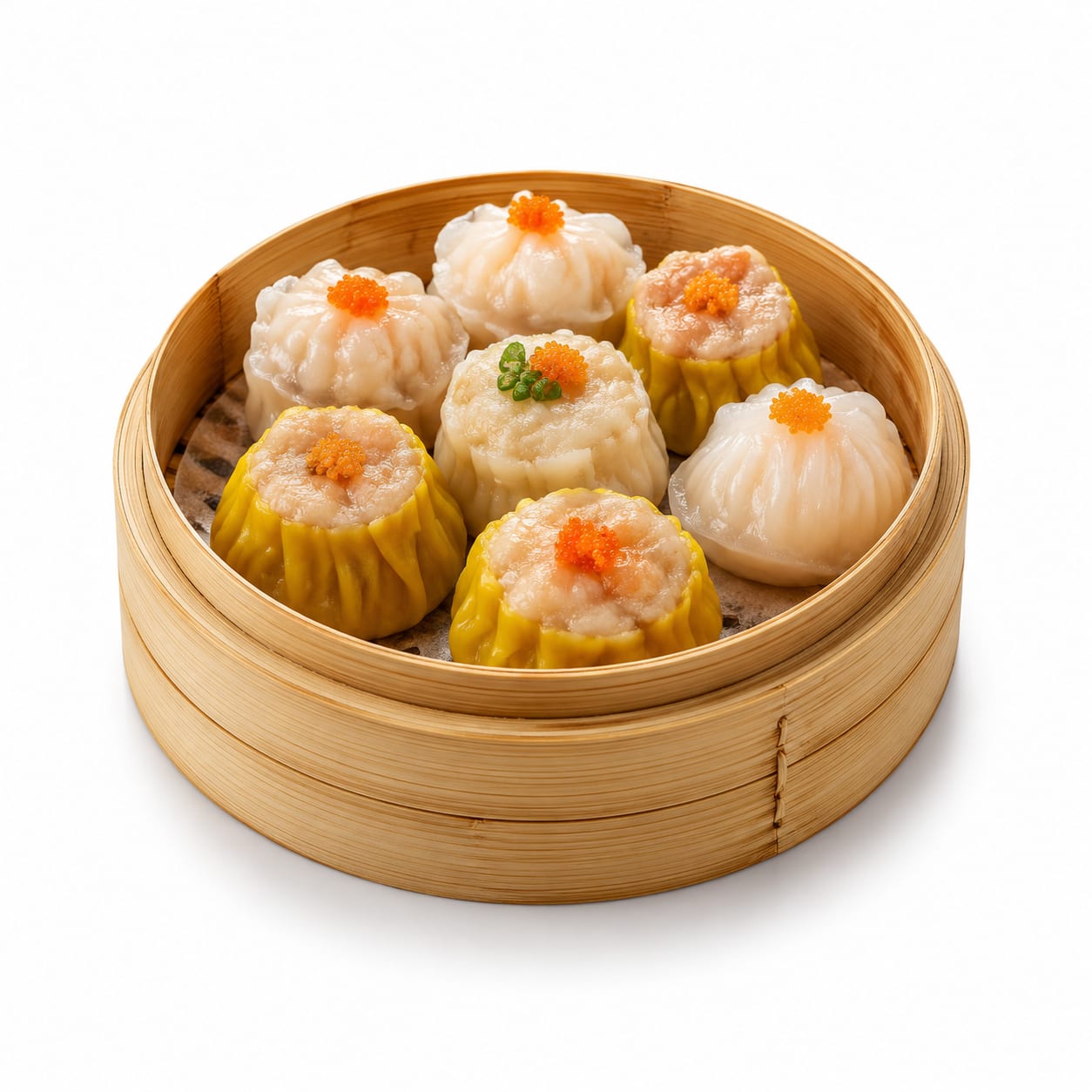
Dim Sum
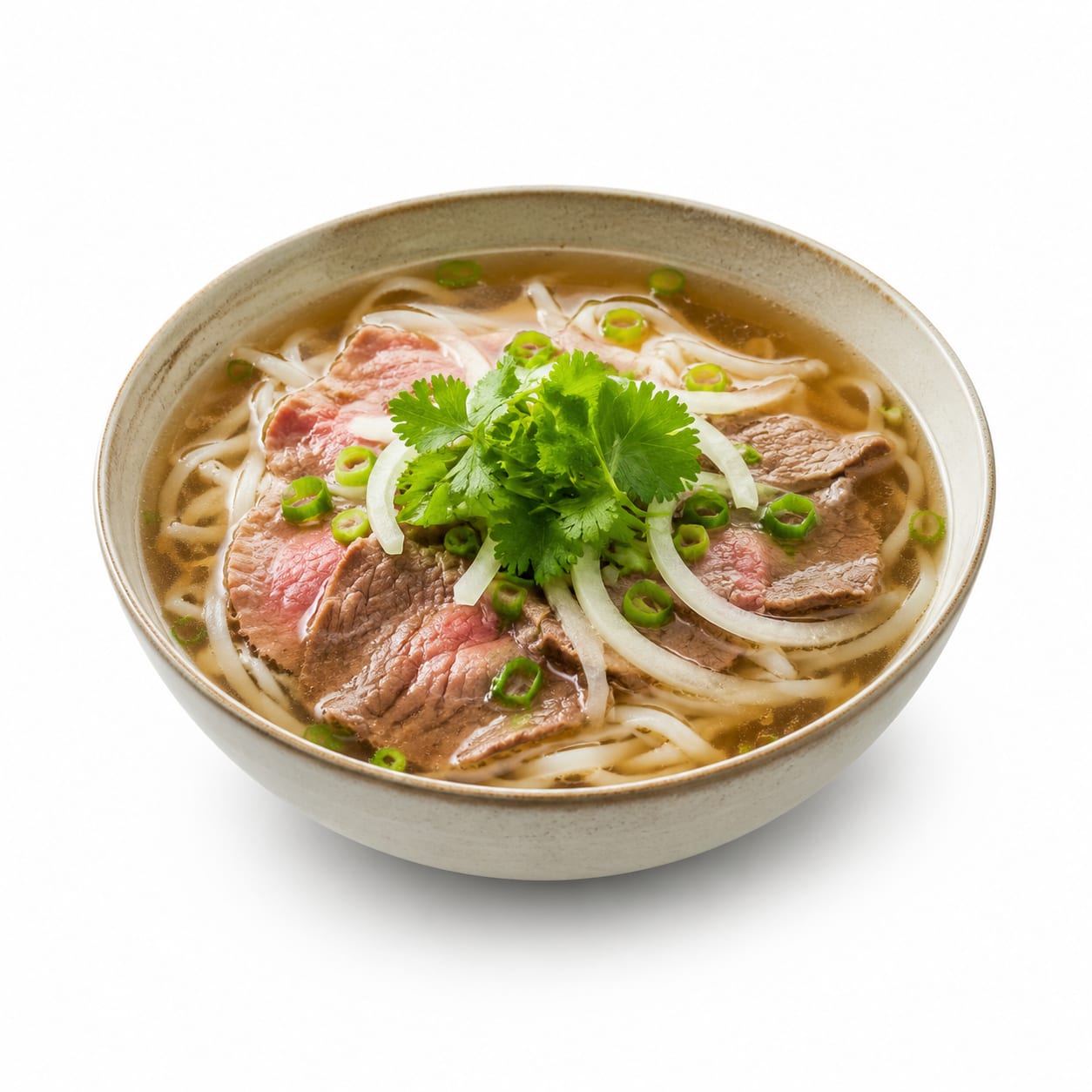
Pho
Pho is generally lighter, more hydrating, and easier to control portions, while Dim Sum is a calorie-dense, high-sodium indulgence that's easy to overeat.
Pho scores significantly higher due to its lower calorie density, hydrating broth, and easier portion control. Dim Sum loses points for hidden fats, extreme sodium, and overeating risk.
Comforting, lean broth and defined portions of Pho versus the rich, varied flavors and high fat or sodium bite-sized temptation of Dim Sum.
At a glance
Executive summary
Overall
Pho
Healthier
Pho
More practical
Pho
Daily use
Pho
Key comparison lenses
Sodium load and bloating risk
Both are restaurant Asian foods notorious for high sodium, but Dim Sum's reliance on soy and oyster sauces pushes it dangerously high.
Calorie density and portion control
Dim Sum's small bites mask massive calorie counts from frying and pork fat, while Pho's broth-based structure keeps calories lower per bite.
Satiety and overeating potential
Pho provides high volume hydration that fills you up, whereas Dim Sum's bite-sized nature encourages mindless overeating before fullness registers.
Digestive comfort and grease tolerance
Pho is famously gentle and hydrating, while Dim Sum's fried and heavy components can sit heavily in the stomach.
Best choice for
Dim Sum
- Sharing a festive weekend meal with friends
- Craving rich, savory, and fried flavors
- Those needing a calorie surplus to gain weight
Pho
- Warming up on a cold day or settling the stomach
- Quick, satisfying solo lunches
- Post-drinking recovery or gentle digestion
Least suitable for
Dim Sum
- Sodium-sensitive individuals with hypertension
- Strict calorie counters
- People prone to bloating from grease and sodium
Pho
- Low-carb dieters avoiding rice noodles
- People strictly avoiding MSG
Deep comparison
Dimension by dimension
Each lens scores both foods and breaks down who each option suits.
- Dimension 1 · Priority 95Pho
Sodium Load & Heart Health
Dim Sum · 25Pho · 55Pho can be high in sodium, but Dim Sum typically packs far more due to soy sauce, oyster sauce, and cured meats like sausage.
Tradeoff
You get intense savory flavor in Dim Sum, but at the cost of a massive sodium hit that leaves you bloated and thirsty.
Why it matters
High sodium intake spikes blood pressure and causes uncomfortable water retention.
Real-world impact
You'll likely feel puffier and reach for water all afternoon after a Dim Sum feast compared to a bowl of Pho.
Dim Sum
- Getting intense umami flavor
Better for
- People with hypertension
- Anyone prone to water retention
Worse for
Pho
- Blood pressure management
- Avoiding next-day puffiness
Better for
- Those strictly avoiding MSG
- People who need a very low-sodium diet
Worse for
- Dimension 2 · Priority 90Pho
Calorie Density & Portion Control
Dim Sum · 30Pho · 75Dim Sum's small bites hide massive calories from deep frying and pork fat, while Pho's broth-based structure keeps calories lower per bite.
Tradeoff
Dim Sum offers exciting variety but makes it incredibly easy to accidentally eat 1500+ calories without feeling full.
Why it matters
Mindless eating of calorie-dense bites leads to weight gain without providing lasting satisfaction.
Real-world impact
You can eat a massive bowl of Pho and feel comfortably full for hours, whereas Dim Sum often leaves you stuffed yet hungry again soon after.
Dim Sum
- Those needing a calorie surplus
- Sharing large family-style meals
Better for
- Calorie counters
- People who struggle with portion control
Worse for
Pho
- Weight loss goals
- Mindful eating and portion tracking
Better for
- Those needing massive calorie intake
- Very active individuals needing dense fuel
Worse for
- Dimension 3 · Priority 85Pho
Satiety & Fullness
Dim Sum · 50Pho · 85Pho's high water volume from broth stretches the stomach, providing strong physical fullness without heavy calories.
Tradeoff
Dim Sum relies on fat for satiety, which takes longer to kick in, leading to overeating before you realize you're full.
Why it matters
Feeling full prevents snacking later in the day and keeps energy stable.
Real-world impact
A Pho lunch will easily carry you to dinner; Dim Sum might have you reaching for a snack by 3 PM despite eating more calories.
Dim Sum
- Long, drawn-out social meals
- Craving rich, fatty textures
Better for
- Quick lunch breaks
- Avoiding food comas
Worse for
Pho
- Staying full until dinner
- Preventing afternoon snacking
Better for
- Those who prefer dry meals
- People who dislike eating large volumes
Worse for
- Dimension 4 · Priority 70Pho
Macronutrient Balance
Dim Sum · 40Pho · 70Pho offers a cleaner balance of lean protein, carbs from rice noodles, and broth, whereas Dim Sum skews heavily toward refined carbs and fat.
Tradeoff
Dim Sum provides more varied protein sources like shrimp and pork, but they are often encased in thick dough or deep-fried.
Why it matters
A balanced plate stabilizes blood sugar and prevents energy crashes.
Real-world impact
Pho gives you steadier energy through the afternoon, while Dim Sum can trigger a carb-heavy food coma.
Dim Sum
- Getting a variety of protein sources
- Higher fat diets if avoiding wrappers
Better for
- Low-fat diets
- Blood sugar management due to fat and carb combos
Worse for
Pho
- Lean muscle maintenance
- Balancing carbs and protein without excess fat
Better for
- Low-carb diets
- People avoiding refined rice noodles
Worse for
- Dimension 5 · Priority 75Pho
Digestive Comfort
Dim Sum · 40Pho · 85Pho's warm, clear broth is gentle on the digestive system and hydrating, while Dim Sum's fried and greasy items can sit heavy.
Tradeoff
The rich, oily textures of Dim Sum are satisfying in the moment but can cause indigestion later.
Why it matters
Comfortable digestion affects your productivity and mood after eating.
Real-world impact
Pho is a go-to when you're feeling under the weather; Dim Sum is a recipe for a bloated stomach if you have a sensitive gut.
Dim Sum
- Robust appetites
- Those without grease sensitivity
Better for
- Acid reflux sufferers
- People prone to indigestion from fried food
Worse for
Pho
- Sensitive stomachs
- Recovering from illness or a night out
Better for
- Those who get bloated from liquid meals
- People sensitive to warm spices like star anise
Worse for
Timeline
Health impact over time
Short-term
Hours to days
Dim Sum
- Post-meal bloating and grease-induced sluggishness
- Extreme thirst from high sodium intake
- Potential indigestion from mixing many different rich foods
Pho
- Comforting hydration from warm broth
- Comfortable fullness without heaviness
- Possible mild sweating from warm spices
Long-term
Months to years
Dim Sum
- Increased risk of hypertension from frequent high sodium intake
- Weight gain from hidden calories and fats if eaten regularly
- Higher cholesterol from frequent pork and fried consumption
Pho
- Better weight maintenance due to lower calorie density
- Improved hydration habits if broth is consumed regularly
- Potential sodium concerns if restaurant broth is consumed daily
Risk profile
Safety & processing
Both involve some refined carbs, but Dim Sum typically involves more heavily processed and fried components, including processed meats like Chinese sausage. Pho is relatively cleaner, relying on simmered bones and fresh herbs, though restaurant broths often contain MSG.
Dim Sum
Foodborne illness from improper holding temperatures
mediumSteamed and fried items left out on carts can dip into unsafe temperature zones, increasing bacterial risk.
Cross-contamination
mediumShared bamboo steamers and communal chopsticks can spread germs easily among diners.
Pho
MSG sensitivity
lowSome restaurant broths use heavy MSG, which can cause headaches or flushing in sensitive individuals.
Raw herb contamination
lowGarnishes like bean sprouts and Thai basil can harbor bacteria if not washed properly.
Who wins for whom
Audience fit
Same foods, different winners depending on your goal.
children
Dim SumDim Sum features fun, bite-sized pieces and sweeter flavors that are highly appealing to kids.
daily consumption
PhoPho is lighter and more balanced for regular eating, while Dim Sum is too heavy and sodium-laden for daily consumption.
diabetes
It dependsPho's rice noodles can spike blood sugar quickly, but Dim Sum's fat and carb combo can cause prolonged glucose elevation. Both require careful portioning.
elderly
PhoPho is much easier to chew, gentler on the digestive tract, and provides necessary hydration for older adults.
muscle gain
It dependsDim Sum offers higher calorie surplus and varied proteins for dirty bulking, while Pho provides leaner protein for clean muscle gain.
weight loss
PhoPho's broth fills you up on fewer calories, whereas Dim Sum's small bites are deceptively high in fat and calories.
Your move
Decision guide
Choose Dim Sum
- You want a festive, shared weekend meal with lots of variety
- You are craving rich, fried, and savory flavors
- You need a heavy calorie surplus without feeling stuffed early on
Choose Pho
- You want a comforting solo meal that is gentle on the stomach
- You are watching your weight or trying to eat lighter
- You need a hydrating meal that will keep you full without slowing you down
Either works if
- You are just looking for a warming, savory Asian meal and can make mindful choices
- You plan to load up on steamed vegetables and lean proteins regardless of the cuisine
Avoid both if
- You are on a strict low-sodium diet, as restaurant versions of both are sodium bombs
- You are doing a strict low-carb or ketogenic diet
Final recommendation
Pho is the clear winner for everyday eating, offering a comforting, hydrating, and portion-controlled meal. Save Dim Sum for weekend celebrations when the social experience and rich flavors are worth the sodium and calorie hangover.
Practical
Consumer tips
- 1
Ask for Pho broth on the side to control how much you consume, or drink extra water to flush the sodium.
- 2
At Dim Sum, balance fried dishes with steamed greens and steamed dumplings to cut calorie density.
- 3
Skip the hoisin and chili sauce in Pho to save on hidden sugar and sodium.
- 4
Start with steamed Dim Sum items before moving to fried ones to fill up faster on fewer calories.
- 5
Ask for extra bean sprouts and herbs in Pho to add bulk and fiber without extra calories.