
Nutrition comparison
Dim Sum vs Spring Rolls: Nutrition, Calories, and Healthier Choice
Comparing Dim Sum and Spring Rolls? Discover which is lower in calories, which has more protein, and which is the healthier choice for your diet.
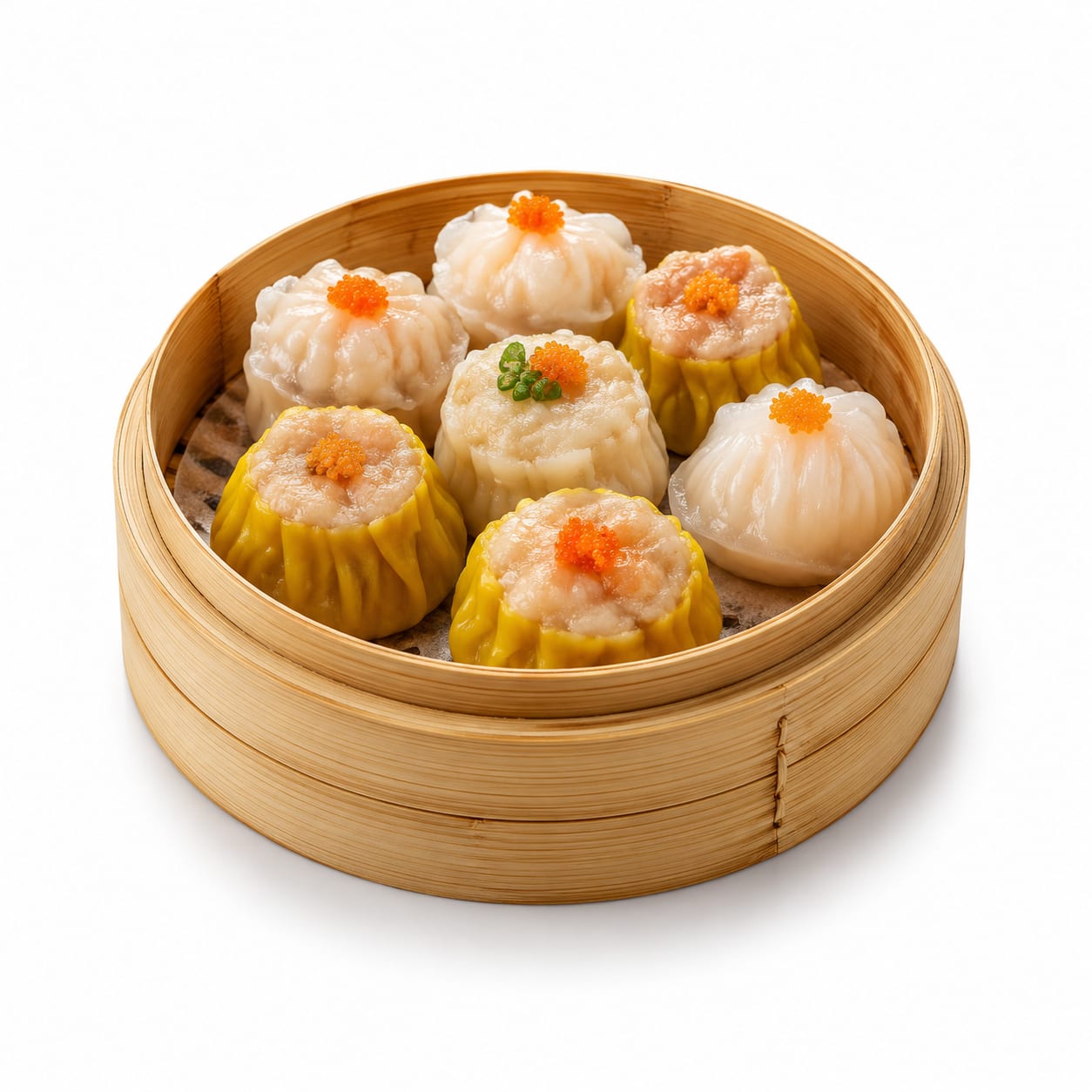
Dim Sum
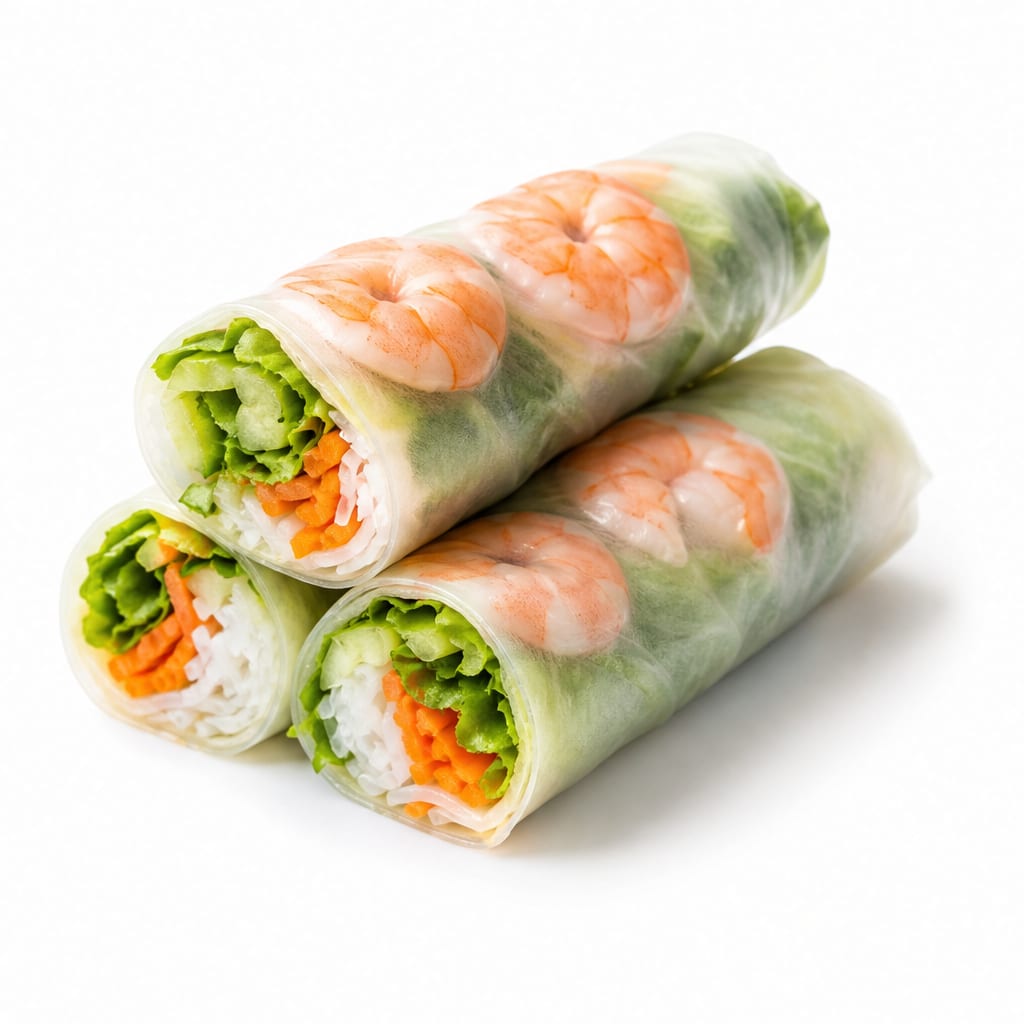
Spring Rolls
Dim Sum offers a more satisfying, protein-rich meal but packs a heavy sodium punch, while Spring Rolls provide a lighter, lower-calorie bite but may leave you hungry sooner.
Spring Rolls score higher due to lower sodium and calorie density, but Dim Sum earns points for protein and satiety.
Flavor and fullness versus sodium and calorie control.
At a glance
Executive summary
Overall
It depends
Healthier
Spring Rolls
More practical
Spring Rolls
Daily use
Spring Rolls
Key comparison lenses
Calorie density and weight management
Dim Sum is notoriously calorie-dense due to fried and doughy items, while fresh Spring Rolls are much lighter.
Sodium intake and heart health
Dim Sum contains very high sodium from soy sauce and cured meats, making it a concern for blood pressure.
Protein and satiety
Dim Sum offers dense protein from meat and seafood fillings, whereas Spring Rolls are often veggie-heavy and less filling.
Convenience and portability
Spring Rolls are a handheld, on-the-go food, while Dim Sum is a sit-down, shared dining experience.
Best choice for
Dim Sum
- Protein-rich sharing meals
- When you want a satisfying, savory feast
Spring Rolls
- Light lunch or snack
- Low-calorie appetizers
Least suitable for
Dim Sum
- Low-sodium diets
- Strict calorie counting
Spring Rolls
- High-protein diets
- Heavy, filling meals
Deep comparison
Dimension by dimension
Each lens scores both foods and breaks down who each option suits.
- Dimension 1 · Priority 90Spring Rolls
Calorie Density & Weight Management
Dim Sum · 45Spring Rolls · 80Spring Rolls, especially fresh ones, are significantly lower in calories than typical Dim Sum dishes.
Tradeoff
You save calories with Spring Rolls but sacrifice the dense, filling energy of Dim Sum.
Why it matters
If you eat out often, choosing lighter options prevents gradual weight gain.
Real-world impact
A few Dim Sum dishes can easily replace a full heavy meal, while Spring Rolls act as a light bridge between meals.
Dim Sum
- Hearty appetites
- Replacing a full meal
Better for
- Weight loss phases
- Light eating days
Worse for
Spring Rolls
- Calorie deficits
- Light snacking
Better for
- Post-workout recovery
- Long stretches without eating
Worse for
- Dimension 2 · Priority 85Spring Rolls
Sodium & Heart Health
Dim Sum · 30Spring Rolls · 65Dim Sum is famously sodium-heavy from soy sauce and cured meats, while Spring Rolls are much lighter on salt.
Tradeoff
Dim Sum delivers bold, savory flavors at the cost of high sodium intake.
Why it matters
Consistently high sodium intake is a leading driver of high blood pressure.
Real-world impact
A Dim Sum brunch can leave you thirsty and bloated for hours, whereas Spring Rolls feel much lighter.
Dim Sum
- Those who sweat heavily and need sodium
- People with low blood pressure
Better for
- Hypertension management
- Daily consumption
Worse for
Spring Rolls
- Heart health
- Reducing water retention
Better for
- Intense endurance sports requiring electrolytes
Worse for
- Dimension 3 · Priority 80Dim Sum
Protein & Satiety
Dim Sum · 80Spring Rolls · 50Dim Sum offers dense protein from pork, shrimp, and beef, keeping you full much longer than veggie-heavy Spring Rolls.
Tradeoff
You get more staying power from Dim Sum, but with heavier fat and calories.
Why it matters
Protein is key for preventing energy crashes and mid-afternoon cravings.
Real-world impact
Dim Sum will easily carry you to your next meal; Spring Rolls might only last you an hour or two.
Dim Sum
- Busy days with few meal breaks
- Muscle maintenance
Better for
- Light eating preferences
- Small portions
Worse for
Spring Rolls
- Light lunches before a sedentary afternoon
- Small appetite days
Better for
- Active individuals
- Growing teenagers
Worse for
- Dimension 4 · Priority 70Spring Rolls
Convenience & Portability
Dim Sum · 30Spring Rolls · 90Spring Rolls are a handheld, neat snack; Dim Sum requires sitting down, chopsticks, and often sharing.
Tradeoff
Dim Sum is a sit-down dining experience, while Spring Rolls are built for on-the-go eating.
Why it matters
If you need a quick bite during a busy day, convenience dictates compliance.
Real-world impact
You can easily eat Spring Rolls at your desk or in the car, but Dim Sum demands a proper setting.
Dim Sum
- Leisurely weekend brunches
- Social dining
Better for
- Eating while walking
- Time-crunched schedules
Worse for
Spring Rolls
- Commuting
- Quick desk lunches
- Picnics
Better for
- Formal sit-down dinners
Worse for
- Dimension 5 · Priority 75It depends
Fat Content & Cooking Method
Dim Sum · 50Spring Rolls · 60Fried Dim Sum and fried Spring Rolls both carry heavy fat, but fresh Spring Rolls easily win this category.
Tradeoff
Choosing fresh Spring Rolls eliminates almost all cooking fat, while most Dim Sum has at least some fried elements.
Why it matters
High fat from deep-frying adds empty calories and can trigger digestive sluggishness.
Real-world impact
Fresh Spring Rolls feel energizing after eating, while a heavy Dim Sum spread often leads to a food coma.
Dim Sum
- Craving rich, comforting textures
- High-calorie needs
Better for
- Gallbladder issues
- Acid reflux triggers
Worse for
Spring Rolls
- Digestive comfort
- Keeping energy stable
Better for
- Those needing dense caloric intake
Worse for
Timeline
Health impact over time
Short-term
Hours to days
Dim Sum
- Quickly satisfied from fat and protein
- Increased thirst from high sodium
- Feeling comfortably full
Spring Rolls
- Light and refreshing (if fresh)
- Rapid digestion
- May feel hungry again soon
Long-term
Months to years
Dim Sum
- Potential blood pressure concerns from sodium
- Weight gain if eaten frequently due to calorie density
Spring Rolls
- Easier weight management
- Better cardiovascular markers due to lower sodium
Risk profile
Safety & processing
Spring Rolls, especially fresh ones, use whole vegetables and minimal additives, while Dim Sum relies on more processed wrappers, fillings, and sodium-heavy sauces.
Dim Sum
High sodium load
highSoy sauce and cured meats push sodium to levels that can spike blood pressure.
Undercooked fillings
mediumBusy kitchens may occasionally undercook pork or seafood dumplings.
Spring Rolls
Unwashed produce
lowFresh Spring Rolls rely on raw vegetables, which carry a small risk of contamination if not washed properly.
Stale frying oil
mediumIf ordering fried Spring Rolls, reused oil can introduce inflammatory compounds.
Who wins for whom
Audience fit
Same foods, different winners depending on your goal.
children
It dependsDim Sum is fun and bite-sized, but Spring Rolls are safer and milder for picky eaters.
daily consumption
Spring RollsThe lower sodium and calorie density of Spring Rolls makes them a safer everyday option.
diabetes
Spring RollsSpring Rolls have a lighter carbohydrate load and less sugary sauces compared to Dim Sum.
elderly
Spring RollsLower sodium and softer textures in fresh Spring Rolls are gentler on aging hearts and digestion.
muscle gain
Dim SumDim Sum provides denser protein from pork, shrimp, and beef fillings.
weight loss
Spring RollsSpring Rolls are much lower in calories and fat, making it easier to stay in a deficit.
Your move
Decision guide
Choose Dim Sum
- You want a savory, satisfying meal with strong flavors
- You need a protein-rich option after a heavy workout
- You are sharing a meal with friends and want variety
Choose Spring Rolls
- You want a light, refreshing snack on a hot day
- You are watching your blood pressure or sodium intake
- You need a portable, mess-free lunch
Either works if
- You want an Asian-inspired appetizer before a main course
Avoid both if
- You are on a strict ketogenic or zero-carb diet
Final recommendation
Choose Spring Rolls for a light, lower-sodium bite that won't weigh you down, but opt for Dim Sum when you need a hearty, protein-packed meal and can handle the salt.
Practical
Consumer tips
- 1
Ask for steamed Dim Sum instead of fried to save hundreds of calories.
- 2
Choose fresh summer rolls over fried egg rolls to cut fat and calories significantly.
- 3
Dip your Dim Sum in less soy sauce to keep sodium from spiraling out of control.
- 4
Add extra shrimp or chicken to Spring Rolls to boost their staying power.