
Nutrition comparison
Dim Sum vs Dumplings: Which Is Healthier for You?
Compare Dim Sum and Dumplings on calories, sodium, portion control, and health impact. Learn which fits your goals and how to enjoy both wisely.
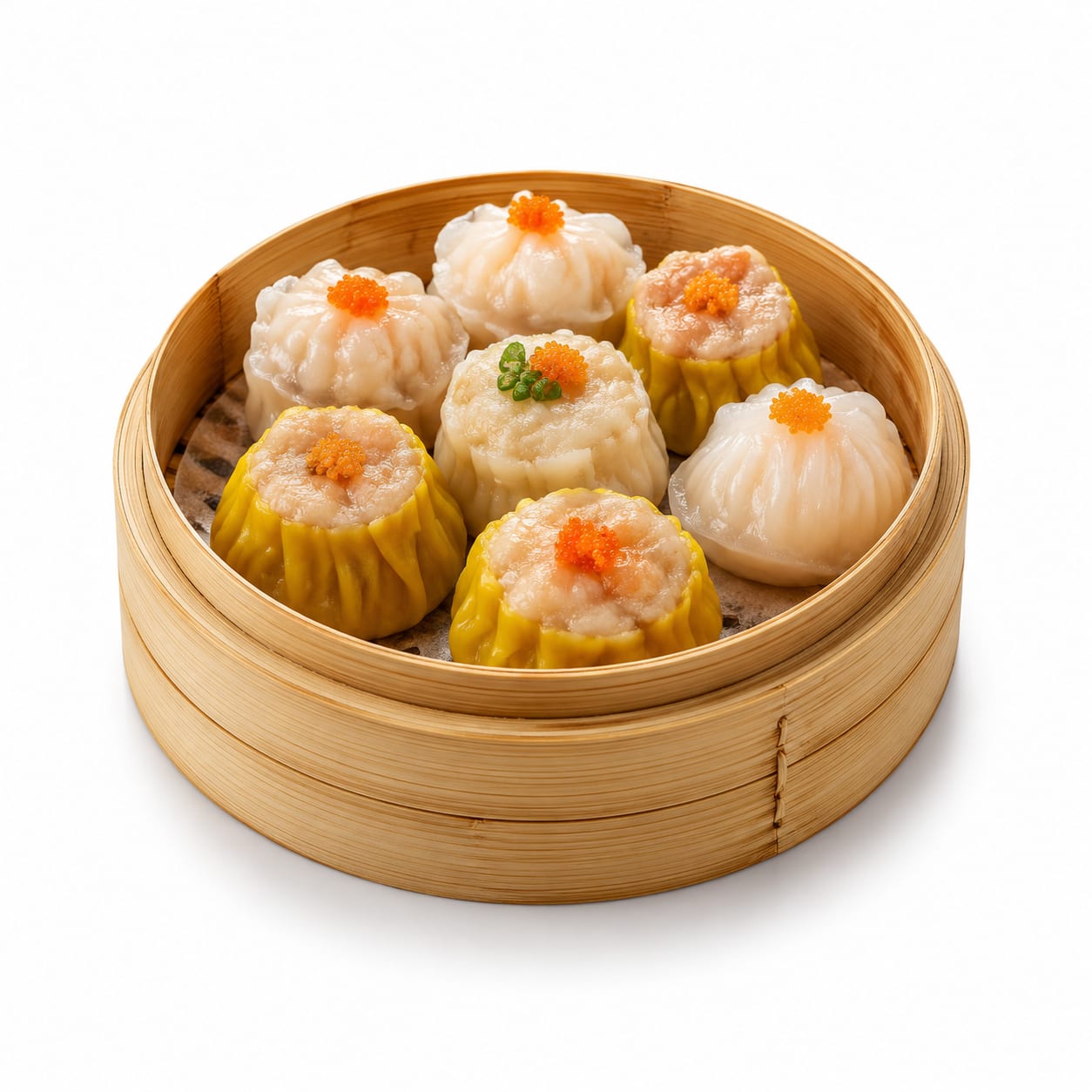
Dim Sum
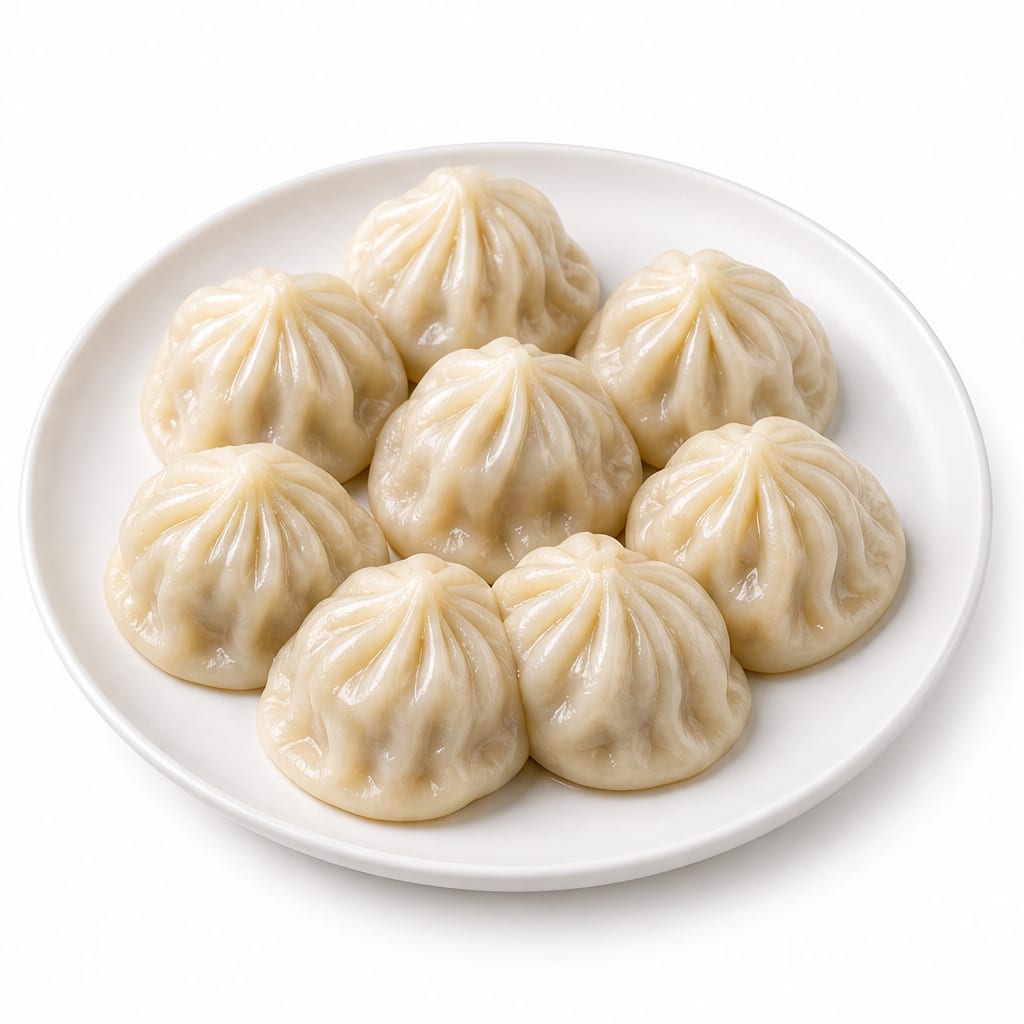
Dumplings
Dumplings give you more control and predictability, but Dim Sum offers wider nutritional variety if you choose wisely.
Dumplings score higher due to portion control and nutritional predictability, but Dim Sum can outperform when dishes are carefully selected. The low confidence reflects how much preparation and selection matter for both.
Dim Sum provides diverse nutrients through its range of dishes, but the variety makes overeating and sodium overload almost inevitable. Dumplings are simpler to track but nutritionally narrower.
At a glance
Executive summary
Overall
It depends
Healthier
It depends
More practical
Dumplings
Daily use
Dumplings
Key comparison lenses
calorie and portion control
Dim Sum is a multi-dish experience that makes tracking intake difficult, while dumplings are easier to portion and count
sodium awareness
Both are high-sodium foods, but Dim Sum's variety of sauces and preserved items compounds the salt load significantly
nutritional predictability
Dumplings have more consistent nutritional profiles, whereas Dim Sum ranges from steamed vegetables to deep-fried indulgences
social vs solo eating context
Dim Sum is inherently a shared, multi-course social meal, while dumplings work equally well as a quick solo meal
healthier selection within category
Users want to know which option allows smarter choices without sacrificing enjoyment
Best choice for
Dim Sum
- Social gatherings where sharing is the point
- Getting diverse nutrients in one sitting
- Special occasion meals worth savoring
- People who eat slowly and stop when full
Dumplings
- Weeknight dinners with controlled portions
- Meal prep and batch cooking
- Counting calories or tracking macros
- Quick satisfying meals without the feast mentality
Least suitable for
Dim Sum
- Sodium-sensitive individuals
- Strict calorie counters
- People prone to overeating in social settings
- Anyone needing predictable blood sugar control
Dumplings
- People seeking wide nutritional variety
- Those bored by repetitive meals
- Social dining experiences requiring shared plates
Deep comparison
Dimension by dimension
Each lens scores both foods and breaks down who each option suits.
- Dimension 1 · Priority 93Dumplings
Portion Control & Calorie Predictability
Dim Sum · 35Dumplings · 72Dumplings are countable. Six dumplings is six dumplings. Dim Sum turns into an unpredictable parade of plates where calories vanish into shared baskets.
Tradeoff
You sacrifice variety for certainty with dumplings, but that certainty makes weight management realistic.
Why it matters
Unconscious overeating is the biggest hidden risk with Dim Sum. Studies show people eat 30-50% more in shared-plate settings.
Real-world impact
A Dim Sum brunch can easily hit 1500+ calories before you feel full. A dumpling dinner stays around 400-600 calories with intentional portions.
Dim Sum
- Learning intuitive eating without counting
- Situations where enjoyment matters more than tracking
Better for
- Anyone who loses track while socializing
- Emotional eaters triggered by abundance
Worse for
Dumplings
- Consistent weight management
- Macro tracking for fitness goals
- Preventing accidental overconsumption
Better for
- People who find counting food stressful or triggering
Worse for
- Dimension 2 · Priority 89Dumplings
Sodium Load
Dim Sum · 28Dumplings · 52Both are salty, but Dim Sum stacks sodium across multiple dishes, dipping sauces, and preserved fillings. Dumplings concentrate salt in one format you can moderate.
Tradeoff
Even dumplings can deliver 600-900mg sodium per serving, but at least you see it coming. Dim Sum's cumulative salt sneak is harder to manage.
Why it matters
A single Dim Sum meal can exceed 3000mg sodium, which is the daily limit for most adults. This matters for blood pressure, bloating, and thirst-driven overeating.
Real-world impact
After Dim Sum, you might feel puffy and reach for sugary drinks to compensate. After dumplings, you feel satisfied without the next-day bloat.
Dim Sum
- Active individuals who sweat out sodium
- People with naturally low blood pressure
Better for
- Anyone watching blood pressure
- Kidney disease patients
- People prone to bloating
Worse for
Dumplings
- Hypertension management
- Reducing water retention
- More controlled salt intake
Better for
- Those who add soy sauce liberally, negating the advantage
Worse for
- Dimension 3 · Priority 82Dim Sum
Nutritional Variety
Dim Sum · 78Dumplings · 42Dim Sum spans steamed greens, protein dishes, rice rolls, and soups. Dumplings are nutritionally repetitive by design.
Tradeoff
Variety brings micronutrients dumplings lack, but also brings fried items and sugar-laden sauces you didn't plan for.
Why it matters
Broader nutrient intake supports gut health and long-term wellbeing. But variety without selection discipline becomes indulgence.
Real-world impact
A well-chosen Dim Sum spread gives you vegetables, protein, and carbs in balance. A dumpling plate gives you protein and carbs with minimal micronutrients.
Dim Sum
- Getting diverse vitamins and minerals
- Gut microbiome support from varied fibers
- Preventing meal monotony
Better for
- Difficulty isolating trigger ingredients
- Unpredictable nutrient totals
Worse for
Dumplings
- Consistent macro ratios
- Simpler elimination diets
- Identifying food sensitivities
Better for
- Potential nutrient gaps over time
- Dietary boredom leading to cravings
Worse for
- Dimension 4 · Priority 78It depends
Satiety & Fullness Quality
Dim Sum · 65Dumplings · 68Dumplings provide steady, predictable fullness. Dim Sum can leave you stuffed but unsatisfied due to mixed signals from diverse flavors.
Tradeoff
Dim Sum's variety stimulates appetite through sensory-specific satiety, meaning each new dish resets your desire to eat. Dumplings let fullness build naturally.
Why it matters
Sensory variety is a proven driver of overconsumption. This is why buffets are dangerous even for disciplined eaters.
Real-world impact
After dumplings, you feel done. After Dim Sum, you might feel overfull yet still want one more plate of something different.
Dim Sum
- Long leisurely meals where pacing matters
- Situations where you eat slowly with conversation
Better for
- Fast eaters who outpace their fullness signals
- Grazers who keep eating while food is present
Worse for
Dumplings
- Post-workout meals needing reliable fullness
- Preventing late-night hunger after dinner
Better for
- Large appetites needing volume satisfaction
Worse for
- Dimension 5 · Priority 76Dumplings
Preparation Control & Home Cooking
Dim Sum · 25Dumplings · 80Dumplings are straightforward to make at home with controlled ingredients. Dim Sum requires specialized techniques and multiple dishes that most home cooks cannot replicate healthily.
Tradeoff
Homemade dumplings let you slash sodium, boost vegetables, and choose quality protein. Restaurant Dim Sum locks you into their recipes.
Why it matters
Home preparation is the single strongest predictor of diet quality. Food you control is food that serves your goals.
Real-world impact
Homemade dumplings with lean chicken and cabbage are genuinely healthy. Restaurant Dim Sum is always a nutritional gamble.
Dim Sum
- Restaurant experiences worth the tradeoff
- Cultural celebrations where tradition matters
Better for
- Daily or frequent consumption
- Anyone avoiding restaurant sodium levels
Worse for
Dumplings
- Weekly meal prep routines
- Families wanting healthier comfort food
- Budget-conscious home cooking
Better for
- People with no time or interest in cooking
Worse for
- Dimension 6 · Priority 74Dumplings
Blood Sugar Stability
Dim Sum · 38Dumplings · 58Dim Sum includes sweet items, refined rice dishes, and starchy buns that spike glucose. Dumplings, especially boiled or steamed, have a more moderate glycemic impact.
Tradeoff
Neither is ideal for blood sugar, but dumplings provide a more stable curve. Dim Sum's sweet-savory cycling creates glucose rollercoasters.
Why it matters
Post-meal energy crashes and cravings follow blood sugar spikes. Stable glucose means steadier energy and better mood.
Real-world impact
After Dim Sum, you may crave a nap. After a balanced dumpling meal, you can return to your afternoon with stable energy.
Dim Sum
- Active individuals who tolerate carbs well
- Those eating small curated selections
Better for
- Insulin resistance
- Diabetes management
- Afternoon productivity needs
Worse for
Dumplings
- Prediabetes management
- Sustained afternoon energy
- Reducing sugar cravings
Better for
- Those pairing dumplings with sweet sauces or sugary drinks
Worse for
Timeline
Health impact over time
Short-term
Hours to days
Dim Sum
- Post-meal bloating from sodium and diverse ingredients
- Energy crash from mixed glycemic loads across dishes
- Thirst and water retention from high salt intake
- Overfull sensation that may still feel unsatisfying
Dumplings
- Comfortable fullness when portions are intentional
- Mild thirst depending on filling and dipping sauce use
- Steadier energy with fewer glucose spikes
- Easier digestion with simpler ingredient combinations
Long-term
Months to years
Dim Sum
- Cardiovascular risk from frequent high-sodium meals
- Weight creep from habitual overconsumption in social settings
- Potential benefits from vegetable variety if selections are wise
- Blood pressure concerns with regular Dim Sum dining
Dumplings
- More manageable weight maintenance with portion control
- Lower cardiovascular risk when homemade with lean fillings
- Possible nutrient monotony if eaten too frequently without variety
- Better long-term adherence to dietary goals
Risk profile
Safety & processing
Restaurant Dim Sum often includes MSG, preservatives in preserved meats, and additives in frozen items. Dumplings, especially homemade, use simpler ingredient lists. Store-bought frozen versions of both carry similar additive concerns, but dumplings have more transparent labeling.
Dim Sum
Improper holding temperatures
highDim Sum carts keep food warm for extended periods, creating bacterial growth risk if temperatures drop below safe thresholds.
Cross-contamination
mediumShared tongs, carts, and plates increase exposure to allergens and pathogens from other diners' selections.
Preserved meat compounds
mediumTraditional preserved meats in some Dim Sum items contain nitrates and nitrites linked to cancer risk with regular consumption.
Dumplings
Undercooked pork or poultry filling
highThick dumplings with meat centers may appear done on the outside while remaining undercooked inside, especially when pan-fried.
Dipping sauce contamination
lowShared soy sauce or vinegar pots at restaurants can harbor bacteria from multiple users.
Who wins for whom
Audience fit
Same foods, different winners depending on your goal.
children
It dependsDim Sum's variety excites kids and exposes them to diverse foods, but dumplings are safer for portion control and avoiding excessive sodium in developing bodies.
daily consumption
DumplingsDumplings can be a reasonable weekly staple when homemade. Dim Sum is best reserved for occasional enjoyment due to cumulative sodium and calorie impact.
diabetes
DumplingsSimpler carbohydrate profile and fewer hidden sugars make blood sugar management more realistic with dumplings.
elderly
DumplingsLower sodium, softer textures when boiled, and easier digestion make dumplings gentler for aging bodies with cardiovascular concerns.
muscle gain
DumplingsDumplings with high-protein fillings like shrimp or chicken deliver more predictable protein per calorie than Dim Sum's mixed plates.
weight loss
DumplingsCountable portions and controllable ingredients make dumplings far easier to fit into a calorie deficit without feeling deprived.
Your move
Decision guide
Choose Dim Sum
- You are celebrating a special occasion with friends or family
- You can commit to selecting mostly steamed items and vegetables
- You eat slowly and stop when satisfied, not stuffed
- You rarely eat Dim Sum and want to enjoy it fully
Choose Dumplings
- You want a satisfying meal without the sodium hangover
- You are tracking calories, macros, or sodium intake
- You prefer cooking at home with controlled ingredients
- You need reliable energy after your meal
- You eat this type of food more than once a week
Either works if
- You are comfortable making smart selections regardless of format
- Both are occasional treats rather than regular meals
- You pair your meal with plenty of water and skip sugary drinks
Avoid both if
- You have severe sodium restrictions from hypertension or kidney disease
- You are following a strict low-carb or ketogenic diet
- You have gluten sensitivity unless using rice-based wrappers
Final recommendation
For everyday eating, dumplings give you control, predictability, and the option to cook healthier versions at home. Save Dim Sum for weekends and celebrations, but go in with a strategy: favor steamed over fried, load up on vegetable dishes, and skip the sweet items. The food you eat regularly should be the food you can manage regularly, and dumplings win that test.
Practical
Consumer tips
- 1
When ordering Dim Sum, start with steamed vegetables and protein before considering fried items. Fullness from healthier choices reduces temptation.
- 2
Make dumplings at home using ground turkey or chicken, shredded cabbage, and reduced-sodium soy sauce. Freeze batches for quick weeknight meals.
- 3
At Dim Sum, request sauces on the side and dip lightly instead of pouring. This alone can cut 400-600mg sodium per meal.
- 4
Boiled dumplings have roughly 30% fewer calories than pan-fried ones. The texture difference is minimal with good filling.
- 5
Drink green tea with either meal. It aids digestion and provides mild satiety without adding calories or sodium.
- 6
If eating Dim Sum weekly, alternate between lighter and heavier selections each visit rather than always ordering favorites.
- 7
For dumplings, choose shrimp or vegetable fillings over pork to reduce saturated fat by roughly 40% per serving.