
Nutrition comparison
Dim Sum vs Wontons: Which Is Healthier for You?
Compare dim sum and wontons on sodium, calories, portion control, and nutritional value. Find out which Cantonese favorite fits your health goals better.
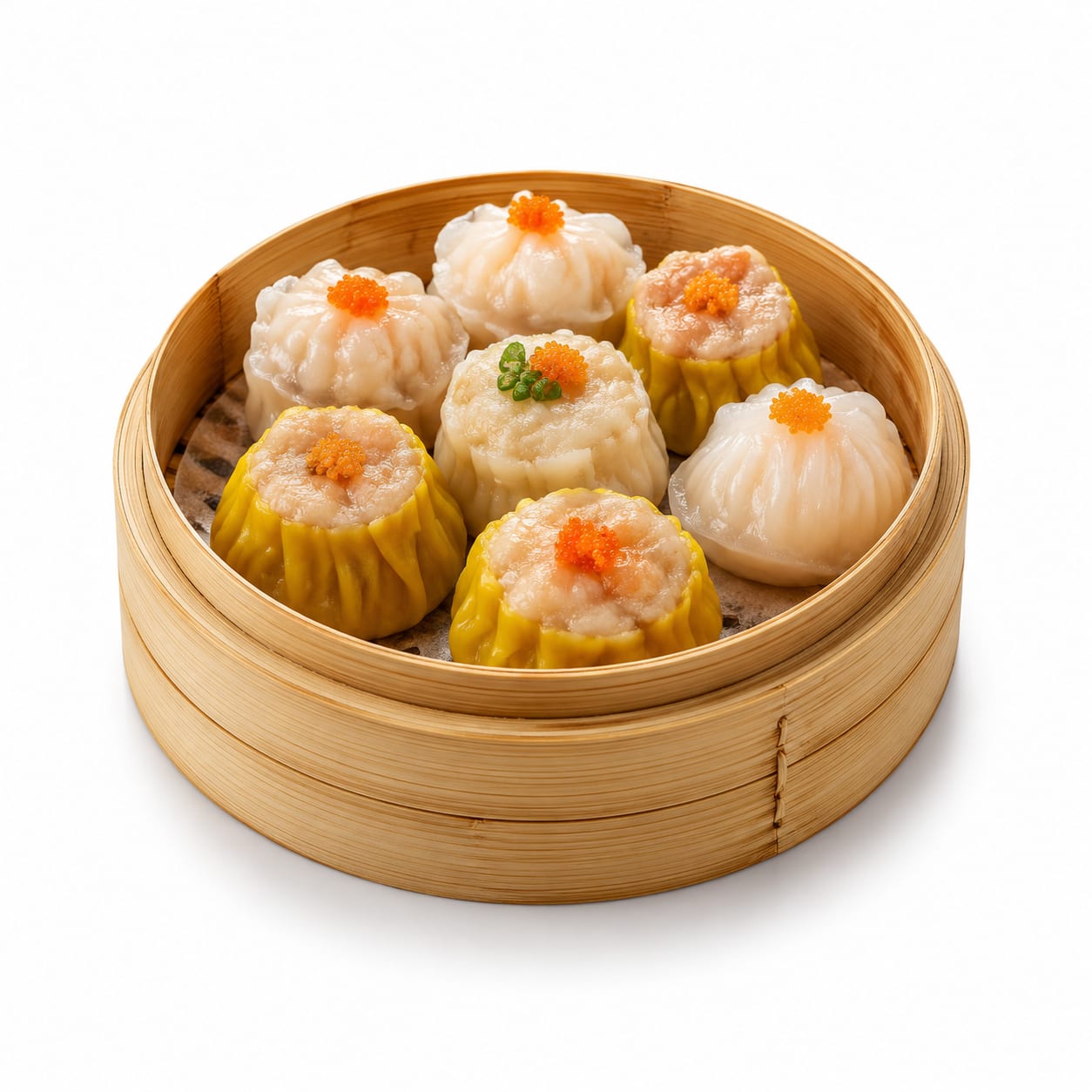
Dim Sum
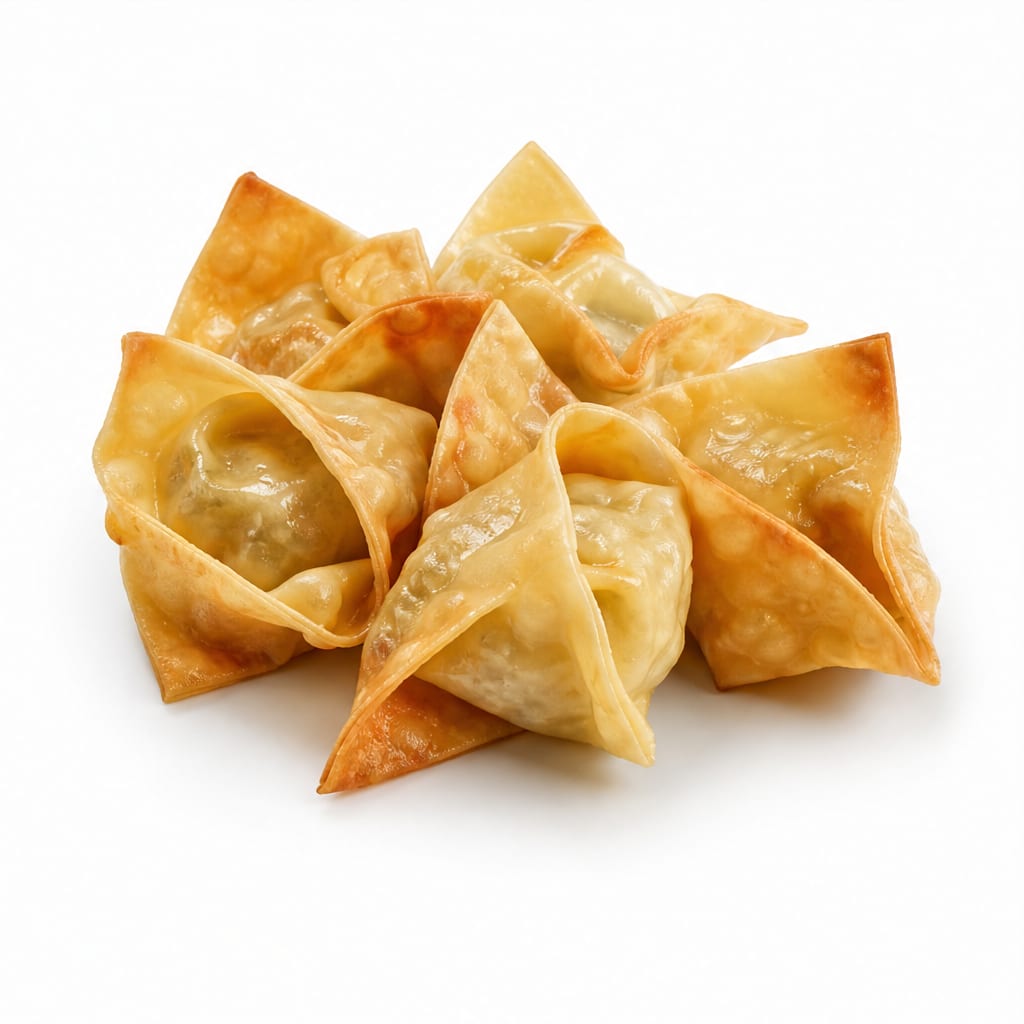
Wontons
Wontons win for portion control and predictability; dim sum wins for variety and balanced nutrient spread if you order wisely.
Wontons score higher due to better portion predictability and lower average sodium per serving. Dim Sum loses points for overeating risk and hidden fats, though it gains some back through nutritional variety.
Dim Sum gives you more nutritional diversity but makes it dangerously easy to overeat sodium and calories. Wontons are simpler and easier to portion but nutritionally one-dimensional.
At a glance
Executive summary
Overall
It depends
Healthier
Wontons
More practical
Wontons
Daily use
Wontons
Key comparison lenses
Portion control and overeating risk
Dim Sum is served in shared small plates that encourage overordering, while wontons come in a defined bowl portion
Sodium load comparison
Both are Cantonese dishes with high sodium from soy sauce and fillings, but dim sum's variety multiplies intake
Calorie density and hidden fats
Dim sum includes fried items and pork-filled buns, while wontons are typically boiled or lightly fried
Nutritional variety vs focused simplicity
Dim sum offers vegetable dishes and seafood options alongside heavy items, wontons are nutritionally narrower
Blood sugar impact from refined carbs
Dim sum includes rice noodle rolls and sweet buns that spike blood sugar faster than wonton wrappers
Best choice for
Dim Sum
- Social dining where sharing is the goal
- Getting vegetable and seafood variety in one meal
- Special occasions where experience matters more than macros
Wontons
- Weeknight meals with controlled portions
- Soothing comfort food when you feel unwell
- Quick protein-carb balance without decision fatigue
Least suitable for
Dim Sum
- Sodium-sensitive individuals watching blood pressure
- People who struggle with portion control in social settings
- Anyone tracking precise macros
Wontons
- Those seeking wide micronutrient variety in a single meal
- People wanting a filling social dining experience
- Anyone bored by repetitive meals
Deep comparison
Dimension by dimension
Each lens scores both foods and breaks down who each option suits.
- Dimension 1 · Priority 92Wontons
Portion Control
Dim Sum · 35Wontons · 78Wontons arrive in a defined bowl. Dim Sum arrives in waves of shared plates that make stopping difficult.
Tradeoff
Dim Sum's variety is fun but removes natural stopping cues. Wontons give you a clear endpoint.
Why it matters
Most people underestimate how much they eat during dim sum. Social pressure and shared plates override fullness signals.
Real-world impact
A dim sum outing can easily hit 1500+ calories before you feel full. A wonton bowl typically lands around 400-600 calories.
Dim Sum
- Sharing with a group where everyone takes small tastes
Better for
- Anyone who eats until the table is cleared
- Emotional eaters triggered by variety
Worse for
Wontons
- Solo meals where you want predictable intake
- Meal prep tracking with consistent portions
Better for
- Those who feel deprived by single-dish meals
Worse for
- Dimension 2 · Priority 88Wontons
Sodium Load
Dim Sum · 30Wontons · 50Both are salty, but dim sum multiplies sodium across multiple dishes. Wontons concentrate it in one bowl.
Tradeoff
A single wonton serving has high sodium, but dim sum's cumulative sodium across 6-8 small plates is often double.
Why it matters
Sodium from dim sum sneaks up through dipping sauces, cured fillings, and seasoned wrappers across every dish.
Real-world impact
A typical dim sum meal can deliver 3000-5000mg sodium. Wonton soup sits around 1500-2500mg. Both exceed ideal limits, but dim sum goes further.
Dim Sum
- Hypertension patients
- Anyone prone to water retention
Worse for
Wontons
- Blood pressure management
- Reducing next-day bloating
Better for
- Dimension 3 · Priority 80Dim Sum
Nutritional Variety
Dim Sum · 82Wontons · 40Dim Sum spans vegetables, seafood, pork, and tofu. Wontons are nutritionally narrow by design.
Tradeoff
Dim Sum's variety means you can build a balanced plate if you choose carefully. Wontons give you protein and carbs but little else.
Why it matters
Micronutrient diversity matters more than most people think. A meal with greens, seafood, and varied fillings beats a single-dish approach.
Real-world impact
Ordering har gow, choy sum, and steamed fish alongside heavier items gives you minerals and vitamins a wonton bowl simply cannot match.
Dim Sum
- Getting omega-3s from shrimp and fish dishes
- Adding leafy greens through vegetable plates
- Covering multiple food groups in one sitting
Better for
Wontons
- Anyone needing micronutrient diversity
- Long-term daily eaters lacking variety
Worse for
- Dimension 4 · Priority 85Wontons
Hidden Fats and Calorie Density
Dim Sum · 38Wontons · 62Dim Sum includes deep-fried items and pork-heavy fillings that look innocent in steamer baskets. Wontons are typically lighter.
Tradeoff
Steamed dim sum items appear healthy but often hide fatty pork and oil-drenched wrappers. Boiled wontons carry less hidden fat.
Why it matters
Visual cues fail with dim sum. A small dumpling can pack 80-120 calories from pork fat and oil. Fried items like taro puffs are calorie bombs.
Real-world impact
Six pieces of siu mai can match a full wonton soup in calories but feel like a light starter.
Dim Sum
- Weight loss efforts derailed by invisible calories
- People assuming steamed means low-fat
Worse for
Wontons
- Calorie-conscious diners
- Those avoiding hidden cooking oils
Better for
- Dimension 5 · Priority 75Wontons
Blood Sugar Stability
Dim Sum · 40Wontons · 60Dim Sum's rice noodle rolls and sweet buns cause faster glucose spikes. Wonton wrappers are thinner and lower in refined carbs.
Tradeoff
Cheong fun and char siu bao deliver concentrated refined carbs with little fiber. Wontons balance thin wrappers with protein-rich filling.
Why it matters
The carb-heavy dim sum items digest quickly, causing energy crashes within hours. Wontons provide a steadier energy curve.
Real-world impact
After dim sum, you may feel sluggish by mid-afternoon. Wonton soup tends to sustain energy longer despite being a simpler meal.
Dim Sum
- Insulin-resistant individuals
- Those prone to post-meal crashes
Worse for
Wontons
- Diabetics managing glucose spikes
- Afternoon energy maintenance
Better for
- Dimension 6 · Priority 70Wontons
Comfort and Satiety
Dim Sum · 55Wontons · 75Wonton soup is deeply comforting and filling per calorie. Dim sum satisfies through variety but not always through fullness.
Tradeoff
Hot broth in wonton soup fills the stomach quickly and warmly. Dim sum can leave you stuffed yet oddly unsatisfied.
Why it matters
Broth-based meals trigger satiety signals faster than dry small plates. The liquid volume in wonton soup is genuinely filling.
Real-world impact
A bowl of wonton soup on a cold evening feels like a complete hug. Dim sum feels more like grazing, which can trigger continued eating.
Dim Sum
- Those who prefer tasting over feasting
Better for
- Those who need to feel full to stop eating
Worse for
Wontons
- Sick days when you need gentle nourishment
- Cold weather comfort eating
Better for
Timeline
Health impact over time
Short-term
Hours to days
Dim Sum
- Post-meal bloating from sodium and variety overload
- Energy crash from refined carb-heavy items
- Thirst and water retention from dipping sauces
Wontons
- Comforting warmth from broth aiding digestion
- Moderate fullness without the overstuffed feeling
- Some sodium-related thirst but more manageable
Long-term
Months to years
Dim Sum
- Regular dim sum dining raises cardiovascular risk through repeated sodium and saturated fat exposure
- Overeating patterns reinforced by social dining norms
- Potential weight gain from hidden calorie accumulation
Wontons
- More sustainable as an occasional meal with predictable macros
- Lower cumulative sodium if broth is not fully consumed
- Repetitive nutrition if eaten too frequently without side dishes
Risk profile
Safety & processing
Both involve prepared wrappers and seasoned fillings, but dim sum's wider range includes items with more additives, preservatives, and artificial colorings in restaurant settings.
Dim Sum
Cross-contamination from shared steamers
mediumMultiple items steamed simultaneously increase risk of allergen and bacterial cross-contamination
Improper holding temperatures
mediumDim sum carts may keep food in the danger zone longer than kitchen-to-table service
MSG sensitivity reactions
lowRestaurant dim sum commonly uses MSG which triggers symptoms in sensitive individuals
Wontons
Undercooked pork filling
mediumThick wontons may have undercooked centers if not boiled long enough, especially with raw pork
Broth contamination from raw meat juices
lowIf wontons break during cooking, raw filling can contaminate the broth
Who wins for whom
Audience fit
Same foods, different winners depending on your goal.
children
Dim SumDim sum's visual variety and bite-sized format excite kids and expose them to different foods. Wontons can feel monotonous for young eaters.
daily consumption
WontonsWontons are simpler, more portion-predictable, and easier to prepare at home with controlled ingredients. Daily dim sum would be a sodium and calorie disaster.
diabetes
WontonsWontons cause a more predictable and moderate blood sugar response. Dim sum's sweet buns and rice rolls are glucose spikes waiting to happen.
elderly
WontonsWonton soup is gentle on aging digestive systems, easy to chew, and hydrating. Dim sum can include tough or fried items that challenge digestion.
muscle gain
Dim SumDim sum's variety allows you to select protein-heavy items like shrimp dumplings and steamed fish for higher total protein intake.
weight loss
WontonsWontons offer controlled portions and fewer hidden calories. Dim sum's variety and social setting make overeating almost inevitable.
Your move
Decision guide
Choose Dim Sum
- You want a social dining experience with friends or family
- You can practice restraint and focus on steamed seafood and vegetable items
- You are celebrating and the experience matters more than perfect macros
Choose Wontons
- You want a predictable, comforting meal without overeating risk
- You are watching sodium, calories, or blood sugar
- You need a quick weeknight dinner that satisfies without requiring choices
Either works if
- You are dining solo and can control dim sum portions by ordering just 2-3 items
- You want Cantonese flavors but do not care about the format
Avoid both if
- You are on a strict low-sodium diet prescribed by a doctor
- You have severe shellfish allergies, as both commonly contain shrimp
Final recommendation
For everyday eating, wontons are the safer and more sustainable choice. Save dim sum for weekends and social occasions, but go in with a strategy: favor steamed over fried, skip the sweet items, and stop ordering before you feel full.
Practical
Consumer tips
- 1
At dim sum, fill your first round with har gow, steamed greens, and tofu before touching fried items
- 2
Ask for low-sodium soy sauce and use it sparingly at dim sum restaurants
- 3
When making wontons at home, use lean ground chicken or turkey instead of pork to cut saturated fat
- 4
Drink water throughout a dim sum meal to help offset the sodium load
- 5
If ordering dim sum alone, stick to three items maximum and skip the rice noodle rolls
- 6
Freeze homemade wontons in batches for quick weekday meals that beat takeout nutritionally