
Nutrition comparison
Dim Sum vs Steamed Buns: Which Is Healthier for Daily Eating?
Compare Dim Sum and Steamed Buns on sodium, fat, calories, and convenience. Find out which Chinese food is better for weight loss, daily meals, and blood pressure control.
Overall winner · Steamed Buns
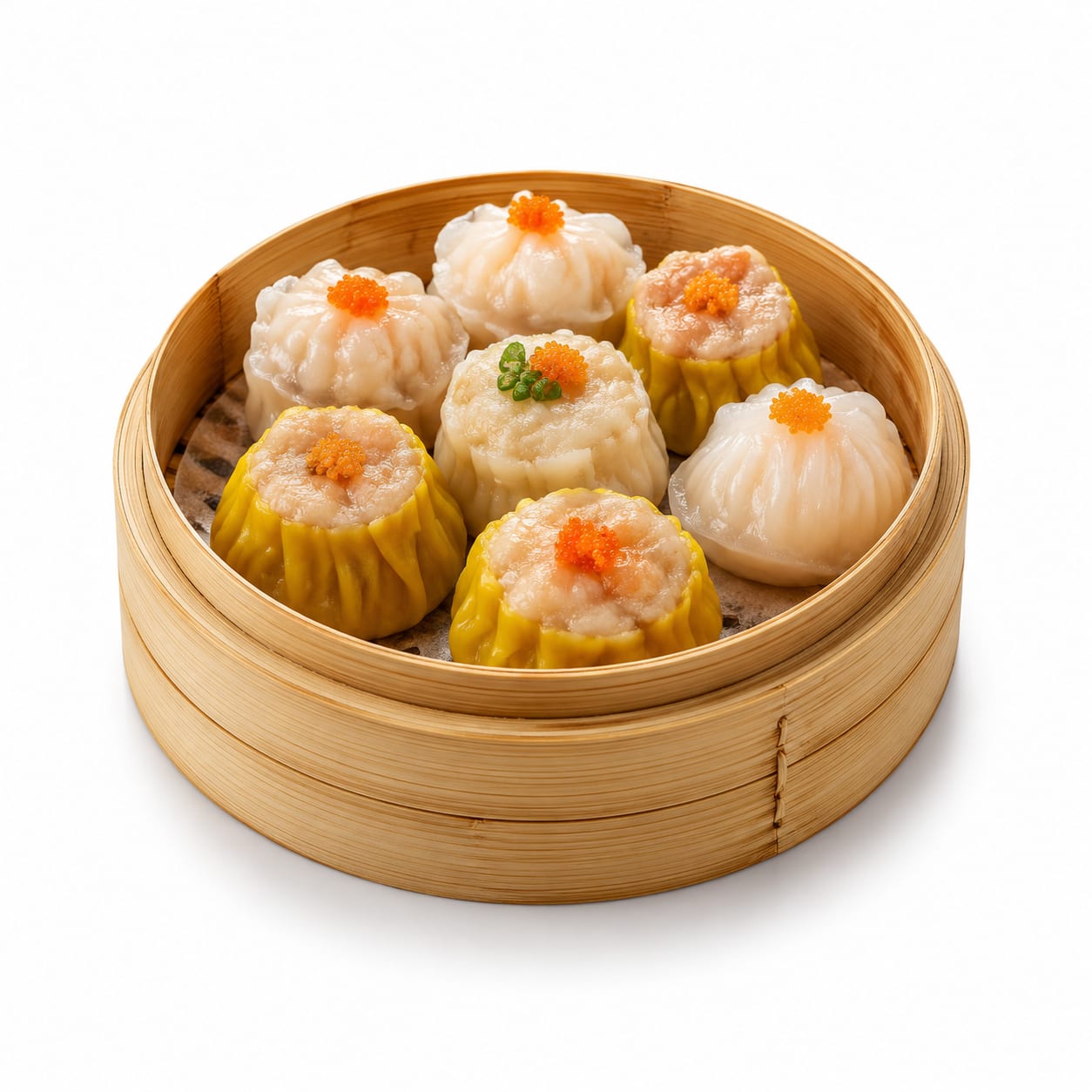
Dim Sum
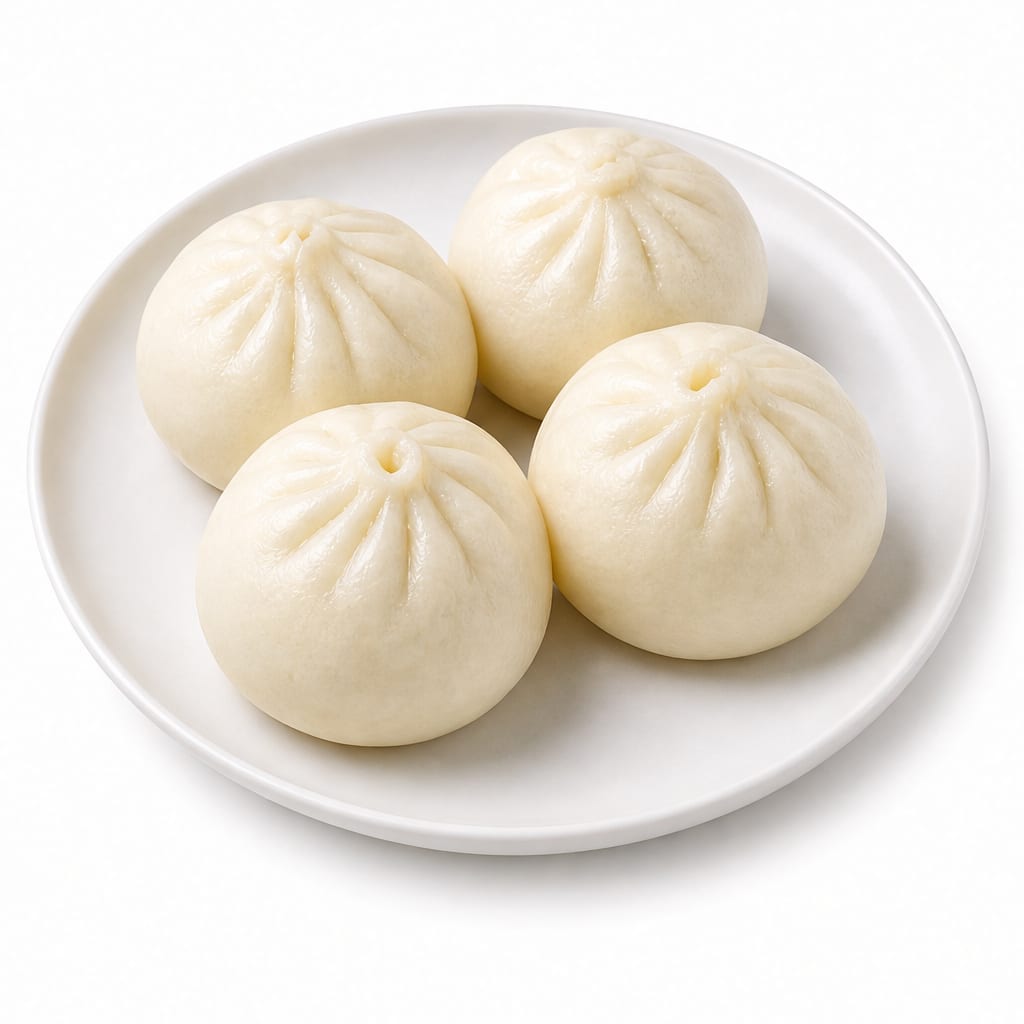
Steamed Buns
Steamed Buns win for everyday eating thanks to lower sodium, less fat, and easier portion control, while Dim Sum offers more variety but at a hidden health cost
Steamed Buns score notably higher due to lower sodium, minimal added fat, and better portion predictability. Dim Sum loses ground on hidden calories and salt, though it wins on variety and protein options.
Dim Sum gives you flavor diversity and social dining but loads you with sodium and oil; Steamed Buns are simpler, lighter, and far easier on your body daily
At a glance
Executive summary
Overall
Steamed Buns
Healthier
Steamed Buns
More practical
Steamed Buns
Daily use
Steamed Buns
Key comparison lenses
sodium and hydration impact
Dim Sum is notoriously high in sodium due to soy sauce, preserved ingredients, and dipping sauces, while Steamed Buns are typically lower in salt
portion control and overeating
Dim Sum's small-plate format encourages ordering multiple dishes, making calorie and sodium intake easy to underestimate
fat and oil exposure
Many Dim Sum items are pan-fried or deep-fried, while Steamed Buns avoid added oils almost entirely
convenience and everyday practicality
Steamed Buns are grab-and-go portable, while Dim Sum is a sit-down restaurant experience
nutritional diversity
Dim Sum offers wider nutrient variety across dishes, but Steamed Buns provide more predictable nutrition per serving
Best choice for
Dim Sum
- Social dining and shared meals
- Protein variety from seafood and meat fillings
- Experiencing diverse flavors and textures
- Special occasions and weekend gatherings
Steamed Buns
- Quick breakfast on the go
- Controlling sodium and fat intake
- Predictable calorie tracking
- Comforting, filling everyday meals
Least suitable for
Dim Sum
- Daily sodium-sensitive individuals
- Strict calorie counters due to unpredictable portions
- People avoiding fried foods
- Quick solo meals during busy mornings
Steamed Buns
- Those seeking diverse nutrient profiles in one meal
- Diners wanting vegetable-heavy options
- People bored by repetitive meals
- Social dining experiences requiring shared plates
Deep comparison
Dimension by dimension
Each lens scores both foods and breaks down who each option suits.
- Dimension 1 · Priority 95Steamed Buns
sodium_load
Dim Sum · 28Steamed Buns · 68Dim Sum can easily deliver 2000-3000mg of sodium in a single sitting, while Steamed Buns typically stay under 500mg per bun
Tradeoff
Dim Sum's bold flavors come from soy sauce, salted shrimp, and preserved meats, while Steamed Buns rely on simpler seasoning inside the dough
Why it matters
High sodium meals leave you bloated, thirsty, and can spike blood pressure, especially if eaten regularly
Real-world impact
After a Dim Sum meal, expect water retention and that puffy feeling the next morning; Steamed Buns rarely cause this
Dim Sum
- Those who find bland food unappealing and need stronger flavors to enjoy eating
Better for
- Hypertension patients
- Kidney disease management
- Anyone already exceeding daily sodium limits
Worse for
Steamed Buns
- Anyone watching blood pressure
- People prone to bloating
- Those who eat Chinese food multiple times per week
Better for
- Diners who find low-sodium food unsatisfying and end up overeating later
Worse for
- Dimension 2 · Priority 88Steamed Buns
fat_and_oil_content
Dim Sum · 35Steamed Buns · 78Dim Sum includes many fried or pan-fried items like potstickers and spring rolls, while Steamed Buns use no added cooking oil
Tradeoff
Fried Dim Sum items deliver crispy textures and richer mouthfeel, but each piece adds invisible fat calories that add up fast
Why it matters
Hidden oils can double the calorie count of a meal without making you feel more full
Real-world impact
Three fried Dim Sum dishes can match the fat content of a fast-food burger, while two Steamed Buns stay light and clean
Dim Sum
- Those who find steamed-only food texturally boring
Better for
- Those with high triglycerides
- People trying to lose weight
Worse for
Steamed Buns
- Weight-conscious eaters
- People with gallbladder issues
- Anyone tracking fat grams
Better for
- Anyone needing higher calorie density for energy balance
Worse for
- Dimension 3 · Priority 82Steamed Buns
satiety_and_fullness
Dim Sum · 55Steamed Buns · 74Steamed Buns provide more consistent fullness per calorie due to their dough-to-filling ratio, while Dim Sum's small bites can leave you wanting more
Tradeoff
Dim Sum's variety keeps your palate interested but can delay fullness signals, leading to overordering
Why it matters
Foods that fail to fill you up lead to overeating, even when calories seem reasonable per piece
Real-world impact
Two Steamed Buns make a solid breakfast that holds you until lunch; Dim Sum often requires four to six plates before feeling satisfied
Dim Sum
- Those who eat slowly and stop at the first sign of fullness
Better for
- Mindless eaters who keep grabbing plates
- People who struggle with stopping cues
Worse for
Steamed Buns
- Busy people who need one item to carry them to the next meal
- Portion-conscious eaters
Better for
- Those who find one food item monotonous and seek variety to feel satisfied
Worse for
- Dimension 4 · Priority 78Dim Sum
nutritional_diversity
Dim Sum · 82Steamed Buns · 45Dim Sum spans shrimp, pork, vegetables, tofu, and rice noodles, while Steamed Buns offer one filling type per bun
Tradeoff
Dim Sum's variety delivers broader micronutrients in one meal, but Steamed Buns keep nutrition simple and predictable
Why it matters
Eating diverse protein and vegetable sources supports better overall nutrient intake
Real-world impact
A well-chosen Dim Sum spread can cover protein, omega-3s, and vegetables; Steamed Buns require side dishes to match that range
Dim Sum
- Those who want multiple food groups in one sitting
- Diners seeking seafood-based protein
Better for
- Those who only pick meat-heavy items and skip vegetable dishes
Worse for
Steamed Buns
- People who prefer simple, know-what-you-get meals
- Those who get their nutrients from other meals in the day
Better for
- Anyone relying on a single item as their complete meal
Worse for
- Dimension 5 · Priority 76Steamed Buns
convenience_and_portability
Dim Sum · 30Steamed Buns · 88Steamed Buns are handheld, self-contained, and easy to eat while commuting; Dim Sum requires sitting down with plates, chopsticks, and dipping sauces
Tradeoff
Dim Sum is a dining experience, while Steamed Buns are practical fuel
Why it matters
The easier a food is to grab, the more likely you are to choose it over less healthy convenience options
Real-world impact
Steamed Buns fit in a bag for the train ride; Dim Sum means a restaurant reservation or waiting for takeout assembly
Dim Sum
- Weekend brunch socializing
- Leisurely meals with friends
Better for
- Anyone with a 15-minute lunch window
- People eating while walking
Worse for
Steamed Buns
- Morning commuters
- Office lunch breaks
- Road trip snacks
Better for
- Those who view meals as social experiences rather than fuel
Worse for
- Dimension 6 · Priority 72Steamed Buns
blood_sugar_stability
Dim Sum · 48Steamed Buns · 62Steamed Buns with meat or vegetable fillings provide a steadier carb release than Dim Sum's mix of refined wrappers and sugary sauces
Tradeoff
Some Dim Sum items like sesame balls and sweet buns spike blood sugar fast, while savory Steamed Buns digest more gradually
Why it matters
Blood sugar crashes after meals lead to afternoon fatigue and cravings
Real-world impact
A savory pork Steamed Bun gives you two to three hours of steady energy; a Dim Sum dessert ball can trigger a crash within an hour
Dim Sum
- Those who stick to steamed Dim Sum items and skip dessert options
Better for
- Diabetics who cannot easily estimate carb counts across mixed plates
Worse for
Steamed Buns
- People with insulin resistance
- Those who experience afternoon energy dips
Better for
- Those who eat plain vegetable buns with too little protein to slow digestion
Worse for
Timeline
Health impact over time
Short-term
Hours to days
Dim Sum
- Post-meal thirst from high sodium intake
- Bloating and water retention within hours
- Possible sluggishness from high fat content in fried items
- Overfull feeling from multiple small plates adding up
Steamed Buns
- Comfortable fullness without heaviness
- Minimal thirst after eating
- Steady energy for two to three hours
- Easy digestion with no greasy aftertaste
Long-term
Months to years
Dim Sum
- Regular Dim Sum consumption increases risk of hypertension due to sodium load
- Frequent fried items contribute to elevated cholesterol over time
- Social overeating patterns can develop from the small-plate format
- Higher risk of weight gain from hidden calories if eaten weekly
Steamed Buns
- Consistent low-sodium meals support healthier blood pressure long-term
- Minimal oil intake reduces cardiovascular risk
- Predictable portions help maintain stable weight
- Possible nutrient gaps if eaten alone without vegetable sides
Risk profile
Safety & processing
Both foods involve processed dough and prepared fillings, but Dim Sum often includes preserved ingredients like salted shrimp, cured meats, and added MSG, while Steamed Buns typically use fresher, simpler fillings with fewer additives.
Dim Sum
Foodborne illness from improper holding temperatures
mediumDim Sum carts keep food warm but not always at safe temperatures, creating a window for bacterial growth in meat and seafood items
Allergen cross-contamination
mediumShared steamers and prep surfaces mean shellfish and peanut traces can appear in unexpected dishes
Preservative exposure from cured fillings
lowSalted egg, preserved vegetables, and cured meats may contain nitrates and elevated sodium
Steamed Buns
Dough undercooking in frozen varieties
lowFrozen Steamed Buns may have unevenly cooked centers if not heated thoroughly, though this is more a texture issue than a safety one
Filler ingredients in commercial buns
lowMass-produced Steamed Buns may use starch extenders and flavor enhancers, though generally at safe levels
Who wins for whom
Audience fit
Same foods, different winners depending on your goal.
children
Steamed BunsSteamed Buns are easier for small hands to hold, have milder flavors, and avoid the choking hazards of small Dim Sum pieces
daily consumption
Steamed BunsSteamed Buns have a cleaner nutritional profile that holds up to daily repetition without accumulating sodium and fat overload
diabetes
Steamed BunsSteamed Buns with savory fillings cause more gradual blood sugar rises compared to Dim Sum's mix of sweet sauces and refined wrappers
elderly
Steamed BunsLower sodium and softer textures make Steamed Buns gentler on aging digestive systems and blood pressure concerns
muscle gain
Dim SumDim Sum provides more protein variety including shrimp, chicken, and beef options that support muscle building better than single-filling buns
weight loss
Steamed BunsSteamed Buns offer predictable calories per piece with no hidden oil, making it far easier to stay within a calorie budget
Your move
Decision guide
Choose Dim Sum
- You are dining with friends and want a shared, social experience
- You need broader protein intake from seafood and meat varieties
- You are eating out as an occasional treat, not a daily habit
- You can stick to mostly steamed items and skip fried and sweet dishes
Choose Steamed Buns
- You need a quick, portable breakfast or lunch
- You are watching your sodium, fat, or calorie intake
- You want predictable nutrition without guessing
- You eat Chinese food regularly and need a sustainable daily option
Either works if
- You want a comforting, warm meal on a cold day
- You are eating moderately and pairing with vegetables or soup
Avoid both if
- You have a severe wheat or gluten sensitivity
- You are on a strict low-carb or ketogenic diet
- You are highly sensitive to MSG or sodium
Final recommendation
Make Steamed Buns your everyday choice and treat Dim Sum as a weekend or social occasion. When you do eat Dim Sum, favor steamed items over fried, skip the sweet desserts, and go easy on dipping sauces to cut sodium by up to half.
Practical
Consumer tips
- 1
Order Steamed Buns with vegetable fillings to add fiber and micronutrients that plain meat buns lack
- 2
At Dim Sum, request sauces on the side so you control how much sodium each bite picks up
- 3
Limit fried Dim Sum items to one per meal and fill the rest of your order with steamed dumplings and greens
- 4
Freeze extra Steamed Buns at home for quick meals — they reheat well and save you from less healthy convenience food
- 5
Pair either food with a cup of unsweetened green tea, which helps digestion and partially offsets sodium's effects
- 6
If eating Dim Sum weekly, ask your server which items are steamed versus fried — the difference can be 200+ calories per plate