
Nutrition comparison
Dim Sum vs Edamame: Which Is Healthier for Daily Eating?
Compare Dim Sum and Edamame on sodium, calories, protein, and daily sustainability. Find out which food fits your health goals and when to enjoy each one.
Overall winner · Edamame
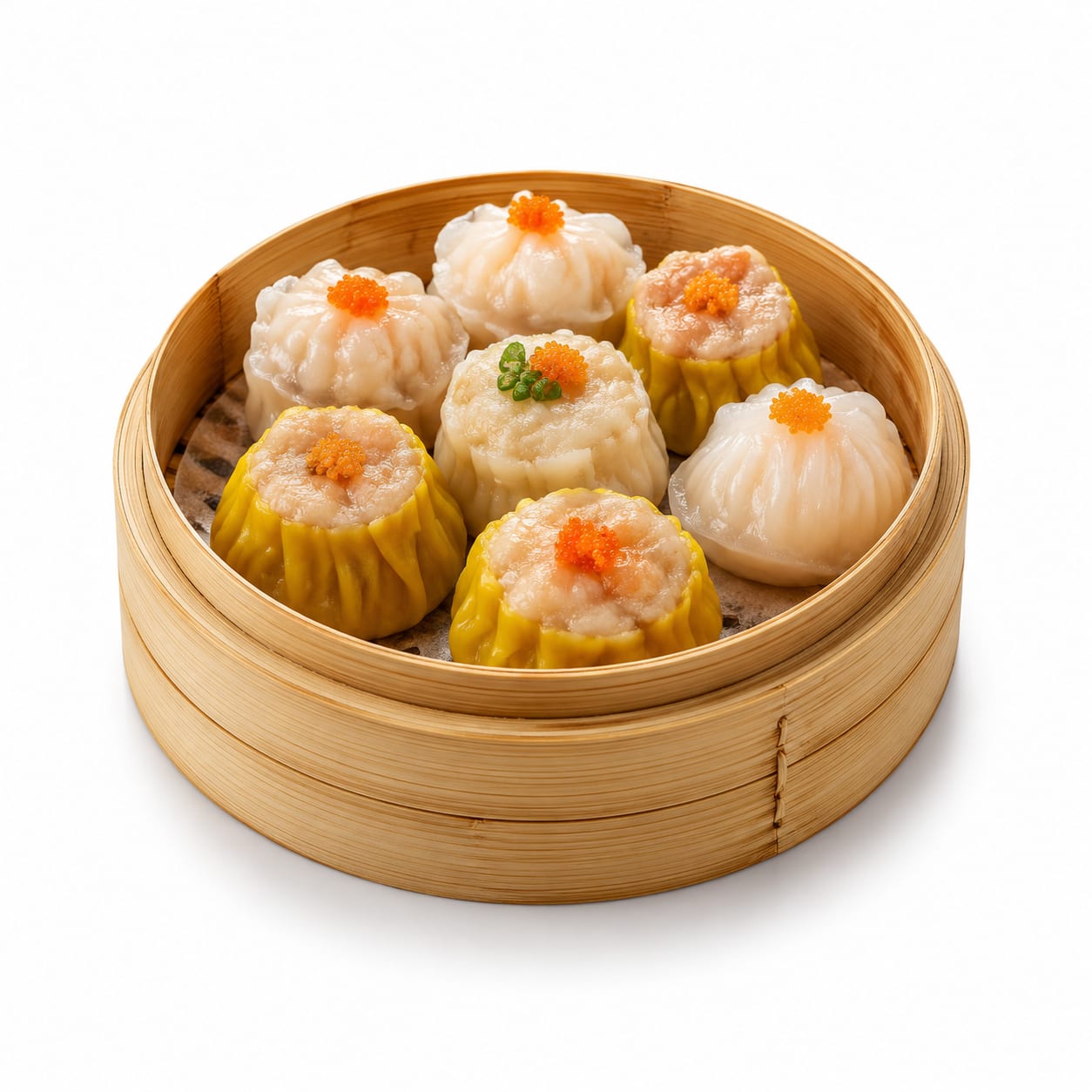
Dim Sum
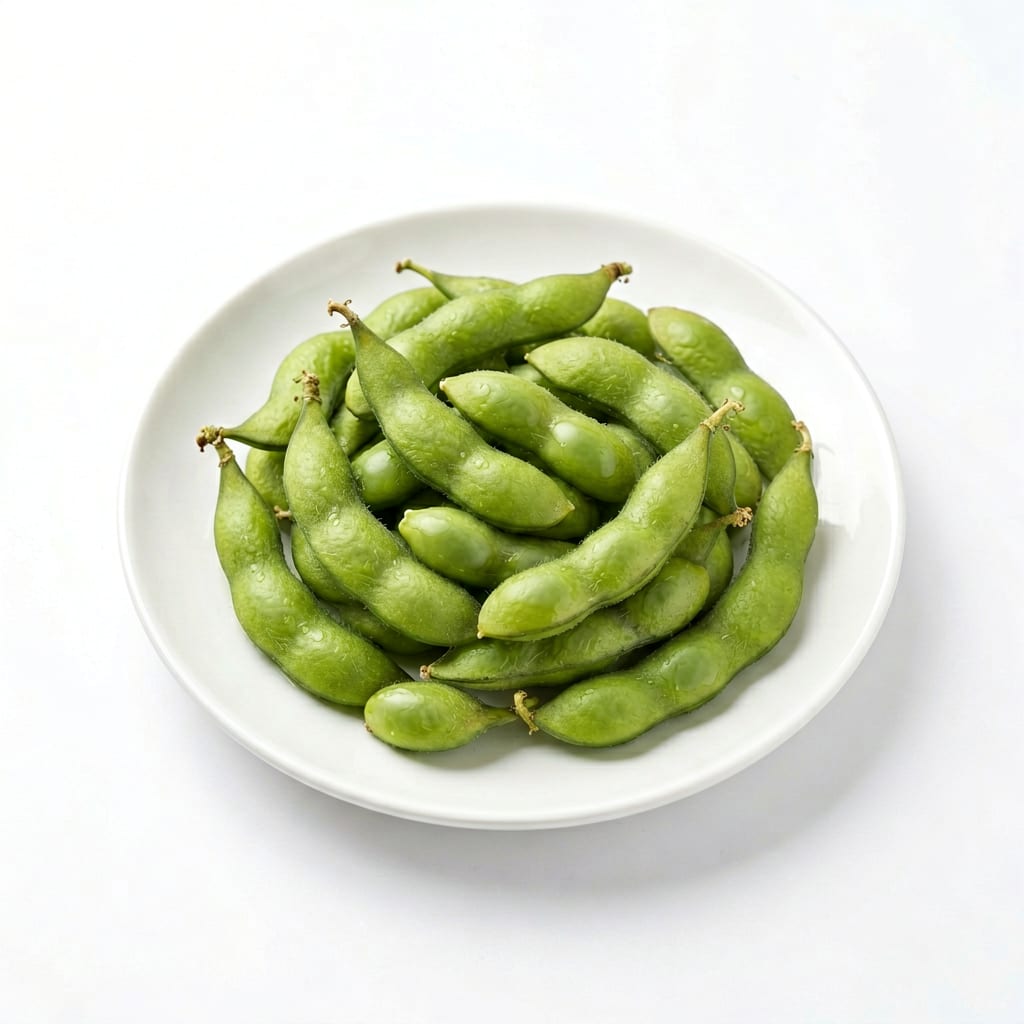
Edamame
Edamame wins for daily health and simplicity, while Dim Sum is an occasional indulgence with serious sodium and calorie tradeoffs.
Edamame scores significantly higher due to clean nutrition, low sodium, and daily sustainability. Dim Sum loses ground on sodium density, hidden calories, and lack of portion control, though it offers cultural and social value that numbers cannot capture.
You trade flavor variety and social experience for clean nutrition, lower sodium, and effortless portion control.
At a glance
Executive summary
Overall
Edamame
Healthier
Edamame
More practical
Edamame
Daily use
Edamame
Key comparison lenses
Sodium and heart health impact
Dim Sum is notoriously sodium-dense due to soy sauce, preserved fillings, and dipping sauces, while Edamame is naturally low sodium before added salt
Everyday vs occasional eating pattern
Edamame works as a daily staple, Dim Sum is typically a weekend or social dining experience with very different consumption patterns
Calorie density and portion control
Dim Sum encourages overeating through variety and shared plates, Edamame provides built-in portion awareness from the pods
Processing level and ingredient transparency
Edamame is a whole food with minimal processing, Dim Sum involves multiple prepared components with hidden fats and fillers
Protein quality and satiety
Both offer protein but from very different sources with different satiety profiles and amino acid completeness
Best choice for
Dim Sum
- Social celebrations and weekend gatherings
- Cultural food experiences and family traditions
- When you want diverse flavors and textures in one meal
- Sharing food with a group
Edamame
- Daily high-protein snacking
- Post-workout recovery fuel
- Weight management and calorie control
- Meal prep and quick healthy sides
Least suitable for
Dim Sum
- Daily consumption due to sodium load
- Blood pressure management diets
- Strict calorie counting
- People avoiding pork or shellfish
Edamame
- Social dining experiences
- People with soy allergies
- Those seeking culinary variety
- Anyone bored by repetitive meals
Deep comparison
Dimension by dimension
Each lens scores both foods and breaks down who each option suits.
- Dimension 1 · Priority 95Edamame
Sodium and Heart Health
Dim Sum · 20Edamame · 85Dim Sum delivers a massive sodium hit that can exceed daily limits in a single sitting, while Edamame keeps sodium minimal unless you add salt.
Tradeoff
That delicious soy sauce and seasoned filling comes at a real cardiovascular cost that adds up quickly.
Why it matters
High sodium meals directly raise blood pressure and leave you bloated and thirsty for hours afterward.
Real-world impact
A typical Dim Sum meal can pack 2000-4000mg of sodium. Edamame with light salt stays under 200mg per cup.
Dim Sum
- Immediate flavor satisfaction
- Traditional taste experience
Better for
- Post-meal thirst and water retention
- Blood pressure spikes
- Hidden sodium in dipping sauces
Worse for
Edamame
- Blood pressure management
- Reduced bloating after meals
- Long-term heart health
Better for
- Can taste bland without added salt
- Less culturally familiar flavor profile
Worse for
- Dimension 2 · Priority 85Edamame
Calorie Density and Portion Control
Dim Sum · 30Edamame · 88Edamame is naturally self-limiting and low in calorie density, while Dim Sum encourages overeating through variety and social pace.
Tradeoff
The fun of trying many small dishes makes it very easy to consume far more calories than you realize.
Why it matters
Calories sneak in through fried wrappers, fatty pork fillings, and oil-heavy sauces that feel light in the moment.
Real-world impact
A casual Dim Sum outing can easily hit 1000-1500 calories. A cup of Edamame is around 190 calories and very filling.
Dim Sum
- More satisfying per bite emotionally
- Greater variety keeps eating interesting
Better for
- Mindless overeating during social dining
- Hidden calories in fried and dough-wrapped items
- Difficult to track intake
Worse for
Edamame
- Built-in portion control from pod shelling
- Lower calorie density per bite
- Easier to stop eating when full
Better for
- Less exciting eating experience
- Can feel monotonous over time
Worse for
- Dimension 3 · Priority 75Edamame
Protein Quality and Satiety
Dim Sum · 50Edamame · 82Edamame provides complete plant protein that keeps you full, while Dim Sum protein varies wildly by dish and comes with fat baggage.
Tradeoff
Dim Sum offers tastier protein through pork and shrimp but with more saturated fat and less satiety per calorie.
Why it matters
Protein that keeps you full without excess calories is the foundation of sustainable eating patterns.
Real-world impact
One cup of Edamame delivers 17g of clean protein. A Dim Sum pork bun has similar protein but triple the calories.
Dim Sum
- More bioavailable animal protein in shrimp dishes
- Broader amino acid profile from mixed meats
Better for
- Protein often paired with high-fat fillings
- Inconsistent protein across different dishes
Worse for
Edamame
- Consistent protein content per serving
- Protein without saturated fat
- Longer-lasting fullness
Better for
- Plant protein absorbs slightly less efficiently
- Less culinary appeal as a protein source
Worse for
- Dimension 4 · Priority 80Edamame
Processing and Clean Eating
Dim Sum · 25Edamame · 92Edamame is a whole food with one ingredient, while Dim Sum involves refined wrappers, fillers, and hidden additives.
Tradeoff
The convenience and taste of prepared Dim Sum comes with refined carbs, preservatives, and industrial ingredients you cannot see.
Why it matters
Less processing generally means better nutrient retention and fewer inflammatory compounds entering your body.
Real-world impact
Edamame is literally just soybeans. Dim Sum wrappers use refined flour and fillings often contain MSG, preservatives, and added sugars.
Dim Sum
- More complex and developed flavors
- Restaurant-quality preparation
Better for
- Refined flour in wrappers and buns
- Potential MSG and preservatives
- Unknown oil quality in fried items
Worse for
Edamame
- Full ingredient transparency
- No hidden additives or preservatives
- Minimal processing preserves nutrients
Better for
- Less culinary sophistication
- Minimal flavor complexity
Worse for
- Dimension 5 · Priority 70Edamame
Blood Sugar Stability
Dim Sum · 35Edamame · 85Edamame provides steady energy with minimal blood sugar impact, while Dim Sum's refined carbs cause rapid spikes and crashes.
Tradeoff
Those soft steamed buns and rice noodle rolls taste amazing but send your blood sugar on a rollercoaster.
Why it matters
Blood sugar crashes after Dim Sum leave you tired and hungry again within two hours.
Real-world impact
Edamame has a glycemic index near zero. Dim Sum rice flour wrappers spike blood sugar fast, especially on an empty stomach.
Dim Sum
- Immediate energy from carbohydrates
- More satisfying during the meal
Better for
- Energy crash 1-2 hours after eating
- Insulin spikes from refined wrappers
- Increased hunger shortly after the meal
Worse for
Edamame
- Steady energy for hours after eating
- No afternoon crash
- Safe for blood sugar management
Better for
- Less immediate satisfaction
- Not enough carbs for intense exercise fuel
Worse for
- Dimension 6 · Priority 65Edamame
Convenience and Practicality
Dim Sum · 30Edamame · 90Edamame takes 5 minutes at home, while Dim Sum requires a restaurant visit or significant preparation skill.
Tradeoff
Dim Sum is a destination dining experience, not something you casually prepare on a Tuesday evening.
Why it matters
Foods you can easily make at home consistently beat restaurant-only options for building healthy habits.
Real-world impact
Frozen Edamame microwaves in 3-4 minutes. Dim Sum means a restaurant trip, waiting, and spending $25-50 per person.
Dim Sum
- No preparation required at restaurants
- Full service dining experience
Better for
- Cannot easily make at home
- Expensive for regular consumption
- Time investment for dining out
Worse for
Edamame
- Ready in minutes from frozen
- Cheap at $3-5 per serving
- Available at any grocery store
Better for
- No restaurant experience
- Minimal preparation variety
Worse for
Timeline
Health impact over time
Short-term
Hours to days
Dim Sum
- Bloating and water retention from high sodium
- Energy crash 1-2 hours after the meal from refined carbs
- Overfull feeling from calorie density and variety-driven overeating
- Immediate thirst lasting several hours
Edamame
- Gentle fullness without heaviness
- Steady energy with no crash
- Mild digestive benefit from fiber
- Possible gas if eating large quantities quickly
Long-term
Months to years
Dim Sum
- Elevated blood pressure with frequent consumption
- Weight gain from calorie density and social overeating patterns
- Increased cardiovascular risk from sodium and saturated fat
- Insulin resistance from repeated refined carb exposure
Edamame
- Improved cholesterol from soy isoflavones
- Better blood pressure from low sodium and high potassium
- Sustained weight management from high satiety per calorie
- Potential hormonal effects from high soy consumption in sensitive individuals
Risk profile
Safety & processing
Edamame is about as close to unprocessed as food gets, while Dim Sum involves refined flours, seasoned fillings, and restaurant preparation with unknown ingredients. The transparency gap is significant.
Dim Sum
Foodborne illness from improper holding temperatures
mediumDim Sum carts keep food warm but not always at safe temperatures, creating bacterial growth risk especially for seafood and pork items
Allergen exposure from cross-contamination
mediumShared preparation areas and steamers mean shellfish, pork, and gluten cross-contact is common and hard to avoid
Sodium-related health effects
highA single meal can exceed the American Heart Association's daily sodium limit of 2300mg, posing real risk for those with hypertension
Edamame
Soy allergy reactions
highEdamame is a top 9 allergen and can cause severe reactions in soy-allergic individuals, including anaphylaxis
Pesticide residue on conventional soybeans
lowSoybeans are often heavily sprayed; choosing organic Edamame significantly reduces this concern
GMO exposure
lowMost US soybeans are genetically modified; organic or explicitly non-GMO Edamame avoids this entirely
Who wins for whom
Audience fit
Same foods, different winners depending on your goal.
children
It dependsEdamame is a fun finger food with safe nutrition, but Dim Sum offers broader food exposure and cultural learning that matters for developing palates.
daily consumption
EdamameEdamame works as a daily staple without health compromises, while Dim Sum is best limited to occasional enjoyment due to sodium and calorie density.
diabetes
EdamameEdamame has minimal blood sugar impact and high fiber, while Dim Sum's refined flour wrappers cause rapid glucose spikes.
elderly
EdamameEdamame is gentle on the system with low sodium and easy fiber, while Dim Sum's sodium load and heavy fillings stress aging cardiovascular and digestive systems.
muscle gain
EdamameEdamame delivers consistent clean protein without excess fat, making it easier to hit protein targets within calorie limits.
weight loss
EdamameEdamame provides high satiety per calorie with built-in portion control, while Dim Sum's variety and calorie density actively work against weight loss goals.
Your move
Decision guide
Choose Dim Sum
- You are celebrating with friends or family this weekend
- Cultural food experiences bring you genuine joy and connection
- You can balance the rest of your day with lighter, low-sodium meals
- You order strategically with more steamed vegetables and fewer fried items
Choose Edamame
- You need a quick, healthy protein source for daily eating
- Blood pressure or heart health is a priority for you
- You want something filling that supports weight management
- You are meal prepping for the week and need reliable nutrition
Either works if
- You want a savory snack and can control Dim Sum portions
- Social connection matters as much as nutrition for your wellbeing today
Avoid both if
- You have a soy allergy since Edamame is soy and Dim Sum uses soy sauce heavily
- You are on a strict sodium restriction that allows no flexibility
Final recommendation
Keep Edamame as your everyday protein snack and save Dim Sum for meaningful social occasions. When you do eat Dim Sum, lead with steamed vegetable dishes, go easy on dipping sauces, and drink plenty of water to manage the sodium. The best approach is not choosing between them but knowing when each one serves your life best.
Practical
Consumer tips
- 1
Choose organic Edamame to avoid GMO soy and pesticide residue concerns
- 2
When ordering Dim Sum, fill up on steamed greens and choi first to reduce overeating heavier items
- 3
Ask for low-sodium soy sauce at Dim Sum restaurants, which cuts sodium by roughly 40%
- 4
Keep frozen Edamame stocked for a 5-minute healthy snack that requires zero planning
- 5
Limit Dim Sum to once or twice monthly and balance with low-sodium meals the rest of the day
- 6
Shell Edamame slowly rather than eating pre-shelled beans, as the pacing naturally controls portions
- 7
Avoid fried Dim Sum items like sesame balls and spring rolls, which can double the calorie count of steamed alternatives