
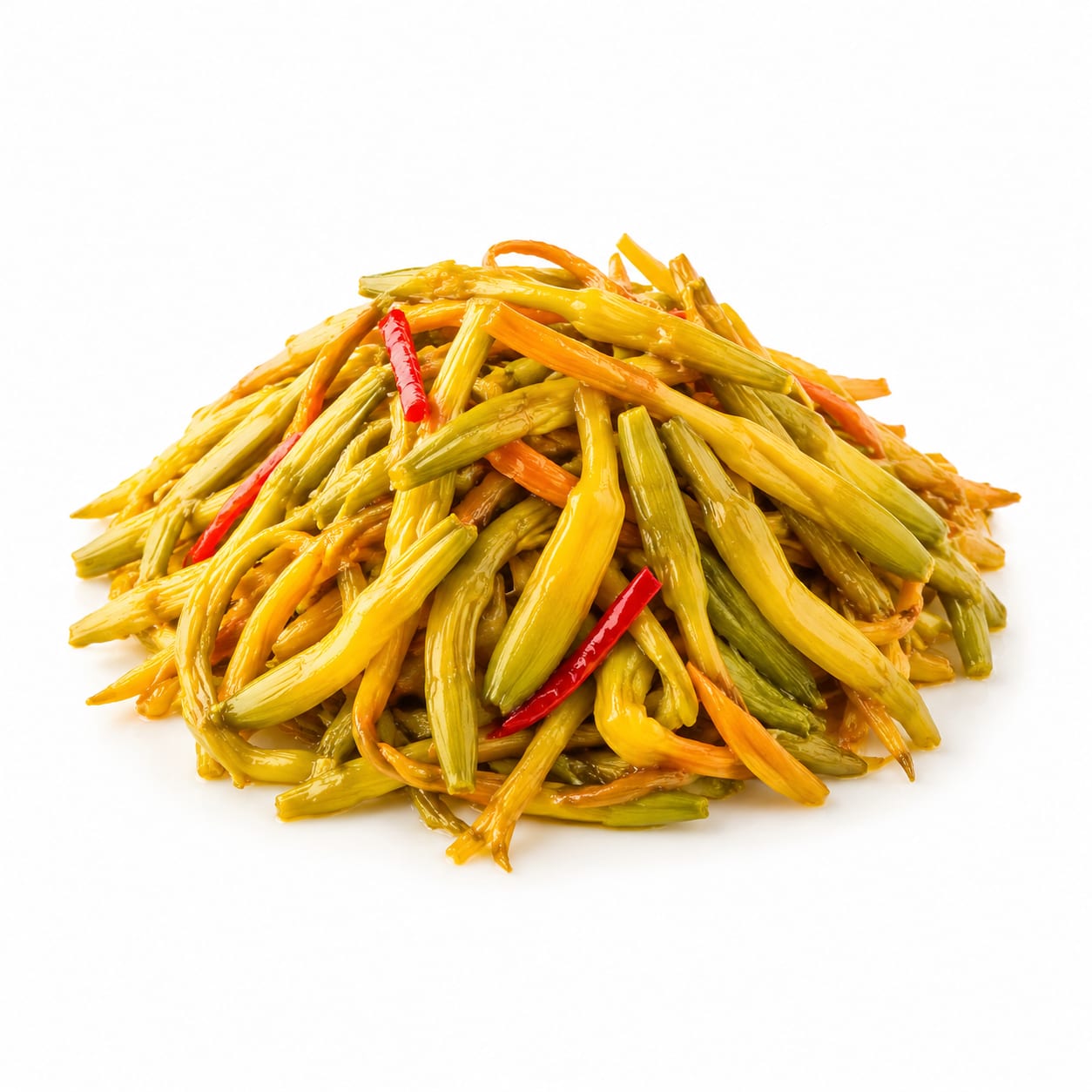
Edible Flower / Vegetable
Daylily
An edible flower and bud commonly used in Asian cooking, known for its mild flavor and strict requirement to be cooked before eating.
Daylilies are edible flowering plants where the buds, flowers, and young shoots are consumed, often used fresh or dried in Asian cuisine.
low-calorie fibrous vegetable
Typical serving · 50g
Common varieties · Hemerocallis fulva, Hemerocallis lilioasphodelus, Golden Needles (dried), Lemon Daylily
Overall context score across nutrition, safety, and diet fit
At a glance
Quick facts
Simple indicators based on nutrition, processing, and diet fit.
The story
What makes it unique
Daylily buds and flowers are low in calories and carbohydrates, providing moderate fiber and micronutrients like vitamin C and beta-carotene. Digestion is moderate due to fiber content, promoting mild satiety. Must be cooked before consumption to neutralize mild gastrointestinal toxins.
Varieties: Hemerocallis fulva · Hemerocallis lilioasphodelus · Golden Needles (dried) · Lemon Daylily
Per 100g
Nutrition breakdown
Macro balance and key metrics at a glance.
Energy
Density 0.35 kcal/g
Protein
Carbs
Fat
Fiber
Sugar
3 g
Sodium
10 mg
Potassium
200 mg
Glycemic index
15
Glycemic load
1
Water content
88%
Standout compounds
Nutrient highlights
Vitamin C
moderateSupports immune function and skin health
Beta-Carotene
moderateActs as an antioxidant and supports vision
Dietary Fiber
moderatePromotes digestive regularity and gut health
Iron
lowEssential for oxygen transport in blood
Wellness map
Health scores & processing
NOVA processing scale
minimally processed · Whole food
Fresh daylilies are whole, unprocessed plant foods. Dried daylilies (golden needles) undergo minimal dehydration without additives.
Diet compatibility
- Weight loss
- Muscle gain
- Diabetes
- Gut health
- Low carb
- High protein
- Heart health
Relative standing
Food rankings
Qualitative ranks compared to similar whole foods.
- Satietygood
- Blood sugarexcellent
- Nutrient densitygood
- Fitness fuelpoor
- Processing qualityexcellent
Eat with confidence
Food safety profile
Raw daylilies contain mild toxins that can cause stomach upset and diarrhea. They must always be thoroughly cooked before eating. Proper identification is crucial as some true lilies are highly toxic.
Evidence confidence 85%
- Pesticideslow
- Antibioticslow
- Heavy metalslow
- Contaminationmoderate
Watch for
- Natural plant toxins (when raw)
Safer choices
Commercially cultivated daylilies or dried golden needles from reputable suppliers.
Prep tips
Wash thoroughly, remove stamens and pistils, and boil or stir-fry completely before consumption. Soak dried varieties well and discard soaking water.
Not typically regulated as a primary food crop in Western markets; foraging requires correct identification to avoid toxic true lily look-alikes.
Deep dive
Health analysis
How this food may fit different goals and preparation choices.
Weight loss
Very low energy density and calorie count make daylilies an excellent volume-eating food to increase meal size without adding significant calories.
Blood sugar
Low carbohydrate and sugar content combined with dietary fiber results in a minimal impact on blood glucose levels.
Fitness & energy
Lacks the macronutrient density required for workout fuel or muscle recovery; best used as a side dish rather than an energy source.
Gut health
Provides dietary fiber that supports bowel regularity and acts as a prebiotic, though overconsumption can act as a laxative.
Processing quality
Whole food in its fresh form; dried varieties are simply dehydrated without additives, maintaining high processing quality.
Food safety
Requires strict cooking to neutralize mild toxins; foraging carries the risk of misidentifying toxic true lilies.
Common mistakes
Eating daylilies raw, consuming too many at once, or confusing them with toxic true lilies which can be fatal.
Best preparation
Boiling, stir-frying, or adding to soups after a brief blanching to ensure complete cooking and toxin neutralization.
Practical guide
Best use cases
When and how this food fits real eating patterns.
Low-carb stir-fry addition
Adds bulk and texture to vegetable stir-fries without adding significant carbs or calories.
Hot and sour soup ingredient
Traditional use of dried golden needles adds authentic flavor and fiber to Asian soups.
High-volume diet meals
Increases portion sizes for dieters looking to eat more food while keeping calories low.
Balance sheet
Pros & cons
Upsides
- Very low in calories and carbohydrates
- Provides moderate amounts of fiber and vitamin C
- Versatile culinary ingredient in soups and stir-fries
- Low glycemic impact suitable for diabetics
Trade-offs
- Mildly toxic if consumed raw
- Risk of misidentification with toxic true lilies when foraging
- Not a significant source of protein or healthy fats
- Can act as a laxative if eaten in large quantities
Fit check
Who is it for?
Great match
- low-carb diets
- weight loss volume eating
- blood sugar management
- Asian cuisine enthusiasts
Consider alternatives
- raw food diets
- high-protein diets
- inexperienced foragers
Side by side
How it compares
Open the full head-to-head analysis for nutrition, safety, and practical tradeoffs.
This food
Daylily
VS85% alike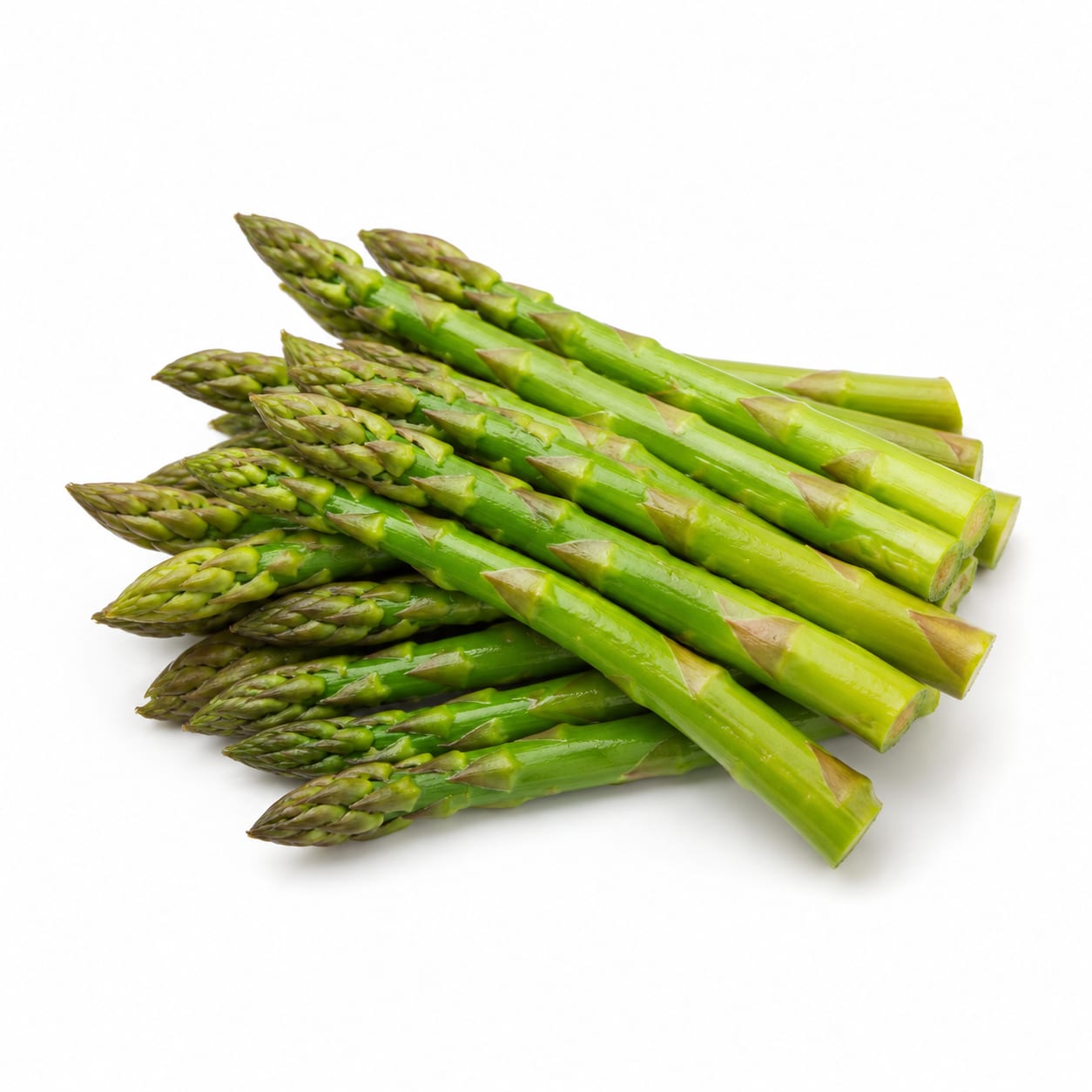
Compare with
Asparagus
Asparagus offers more folate and protein, while daylilies provide a unique floral note and lower calorie count per serving.
Asparagus provides more protein and folate for fitness, while daylilies are lower in calories for weight loss.
This food
Daylily
VS90% alike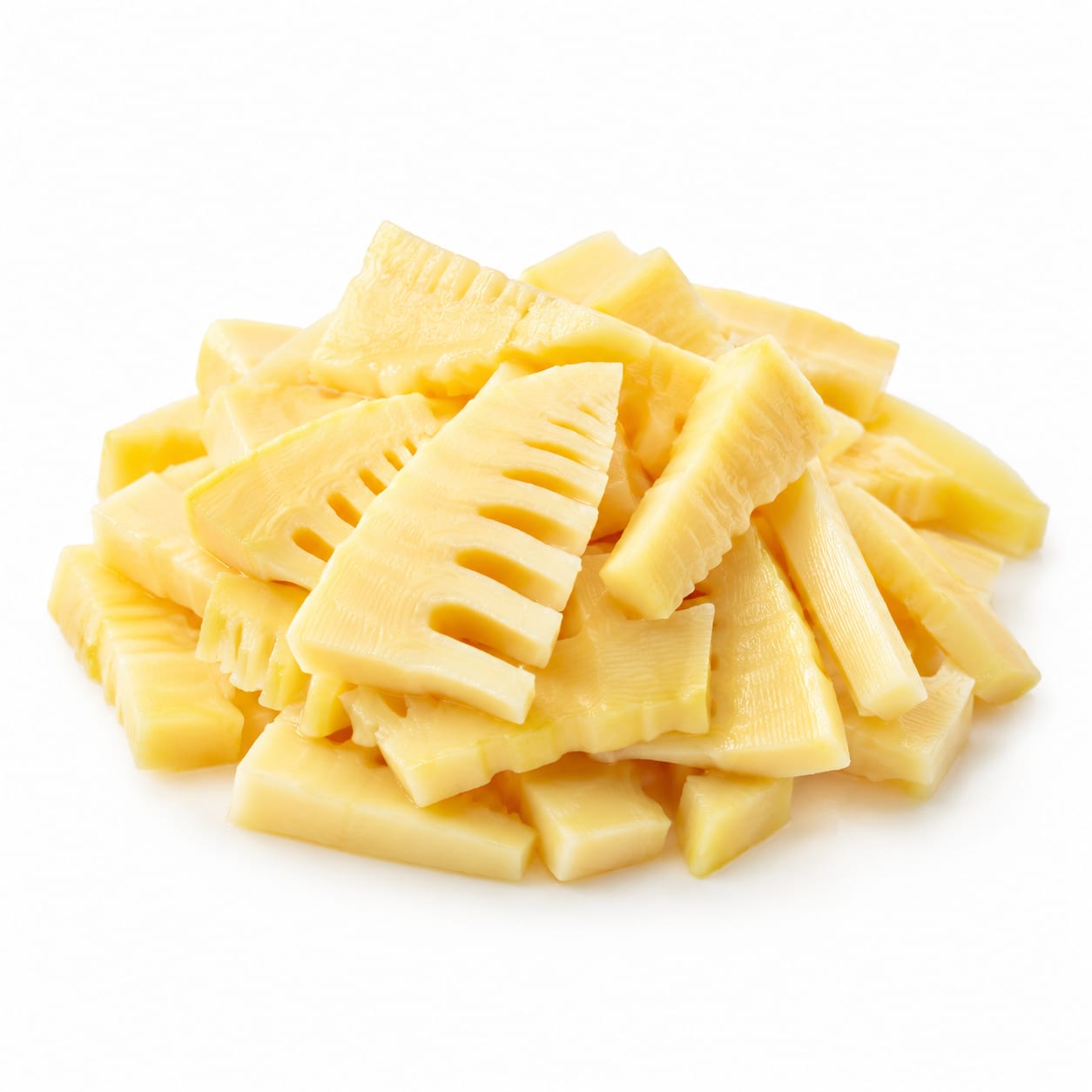
Compare with
Bamboo Shoots
Bamboo shoots are slightly lower in sugar and higher in fiber, while daylilies offer more vitamin C.
Bamboo shoots are higher in fiber and lower in sugar for blood sugar control, while daylilies offer more vitamin C.
This food
Daylily
VS80% alike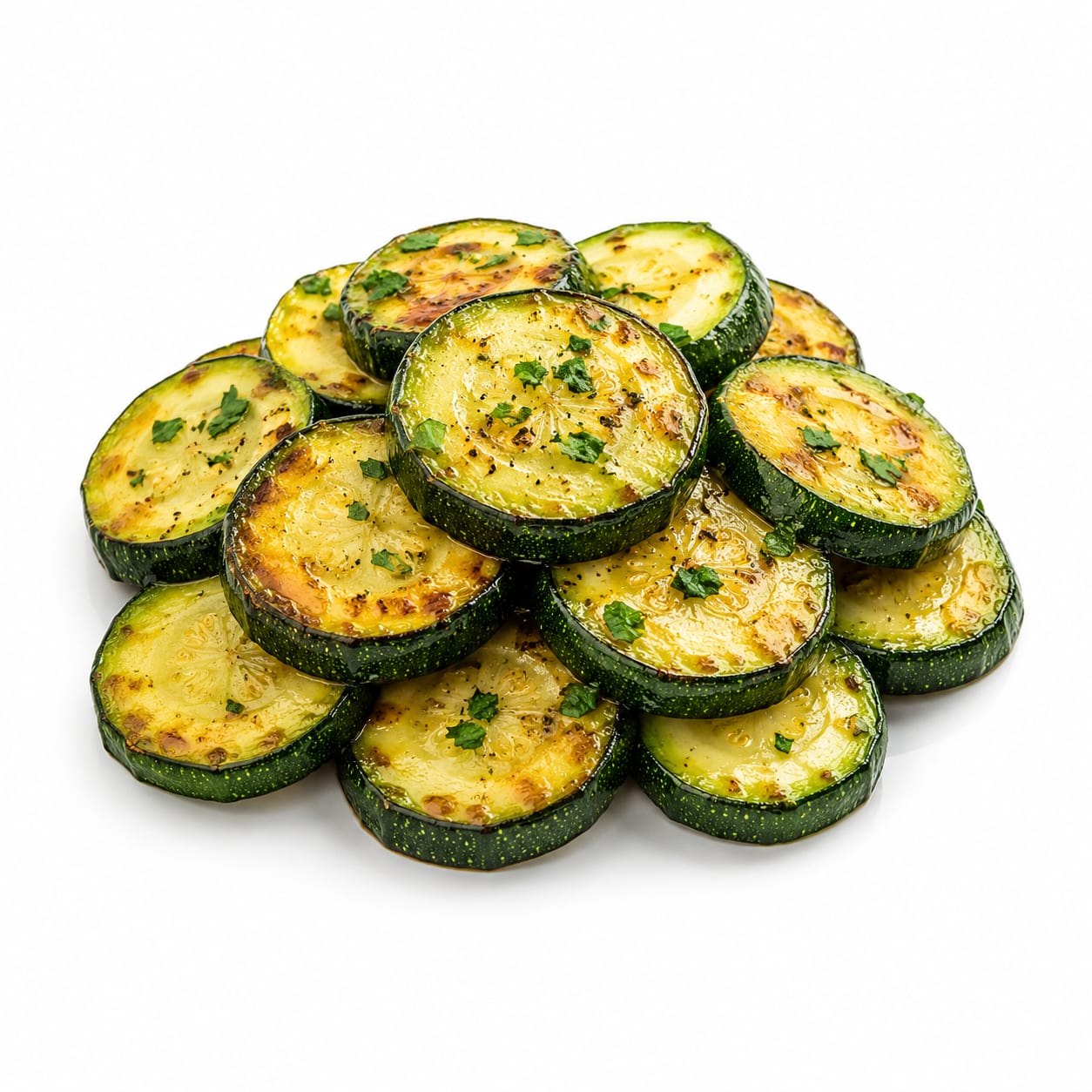
Compare with
Zucchini
Zucchini is more widely available and versatile raw, while daylilies must be cooked and offer a denser texture.
Daylilies are lower in calories and carbs for blood sugar control, while zucchini is safer to eat raw and more versatile.
This food
Daylily
VS75% alike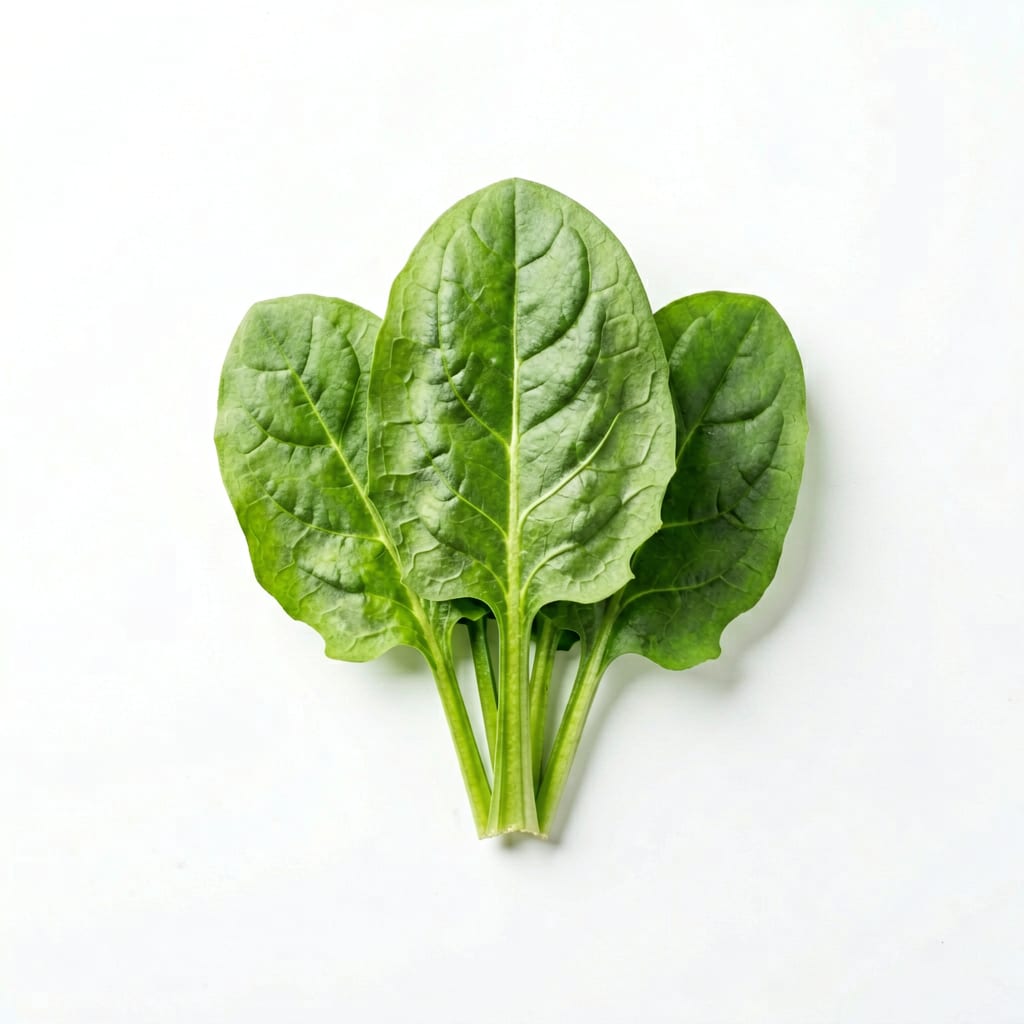
Compare with
Spinach
Spinach is significantly higher in iron, calcium, and vitamins, making it more nutrient-dense overall.
Spinach is far more nutrient-dense with higher iron and vitamins, while daylilies are slightly lower in calories.
This food
Daylily
VS70% alike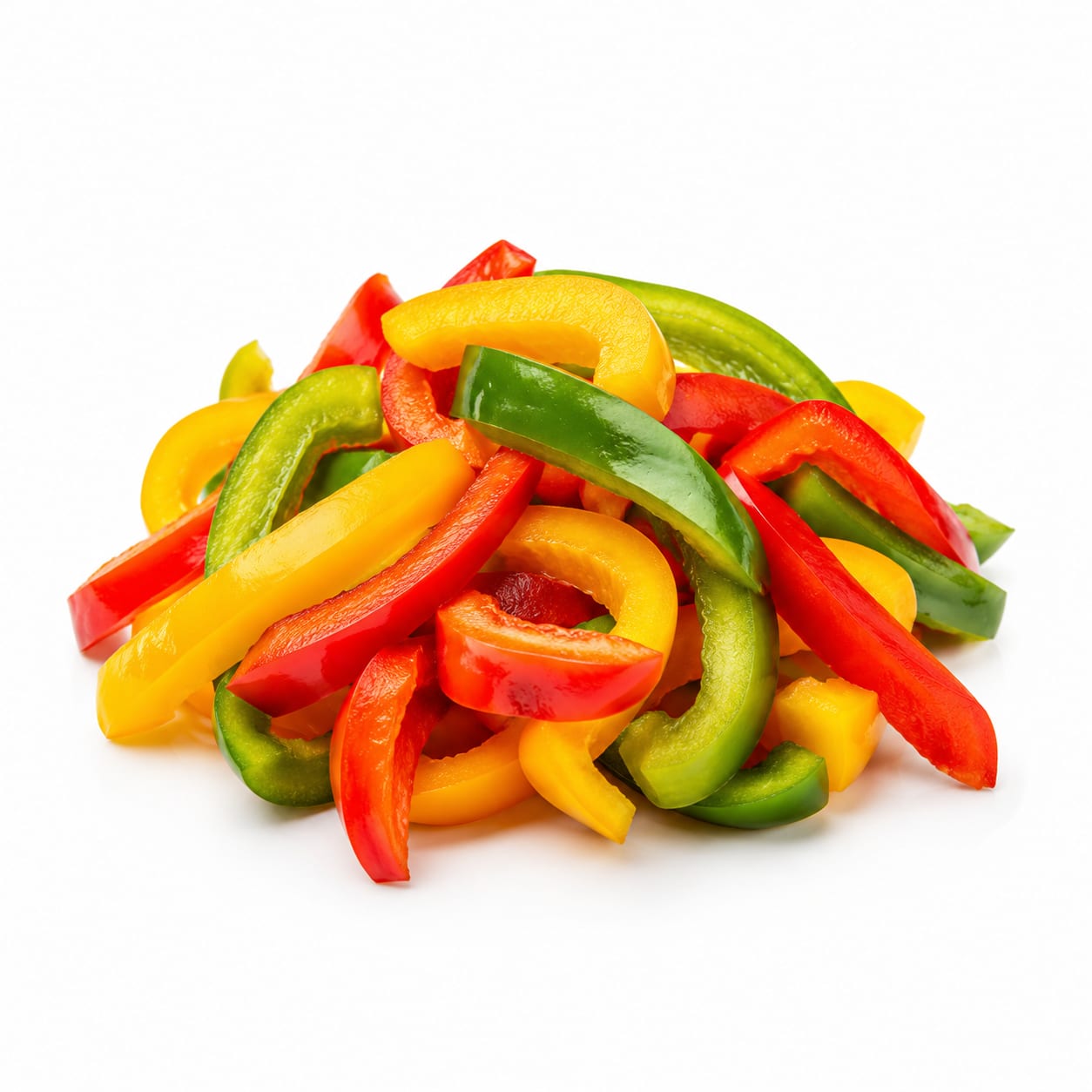
Compare with
Bell Peppers
Bell peppers are much higher in vitamin C and can be eaten raw safely, whereas daylilies are lower in carbs and must be cooked.
Bell peppers provide much more vitamin C and can be eaten raw, while daylilies are lower in carbs and calories.
This food
Daylily
VS85% alike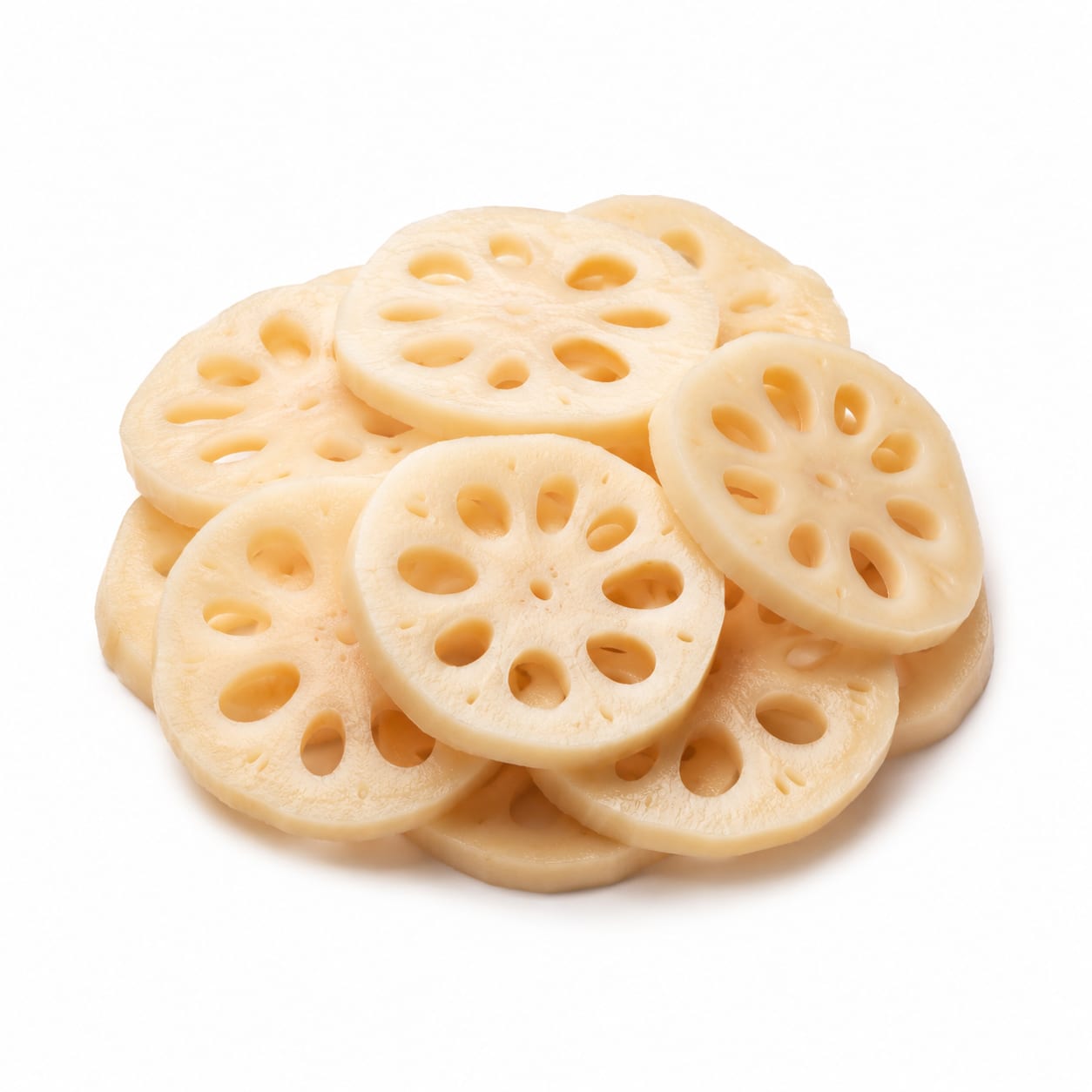
Compare with
Lotus Root
Lotus root is higher in carbohydrates and fiber, providing more energy, while daylilies are better for strict low-carb diets.
Lotus root provides more carbs and fiber for fitness energy, while daylilies are much lower in carbs for weight loss.
This food
Daylily
VS80% alike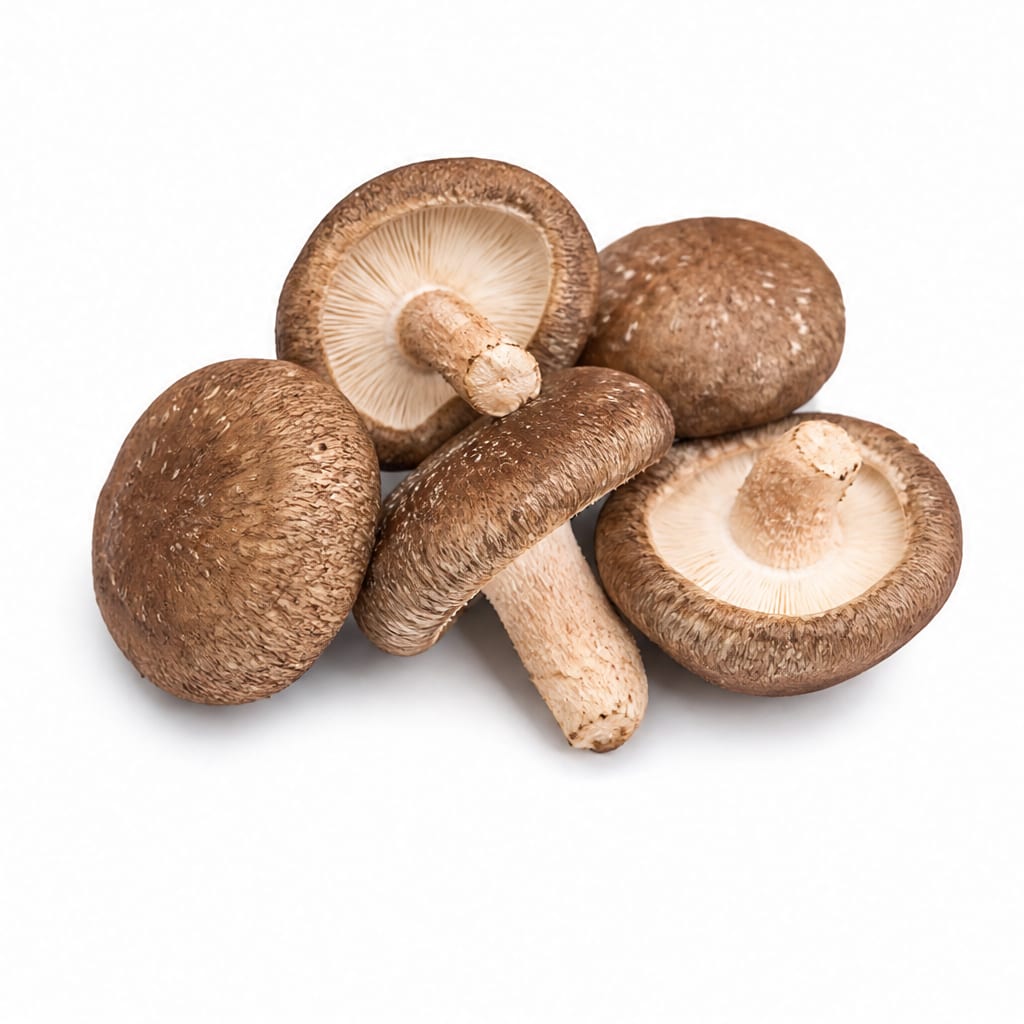
Compare with
Shiitake Mushrooms
Shiitakes offer unique immune-supporting compounds and more protein, while daylilies are lower in calories and carbs.
Shiitake mushrooms offer more protein and immune support, while daylilies are lower in calories and carbs.
This food
Daylily
VS75% alike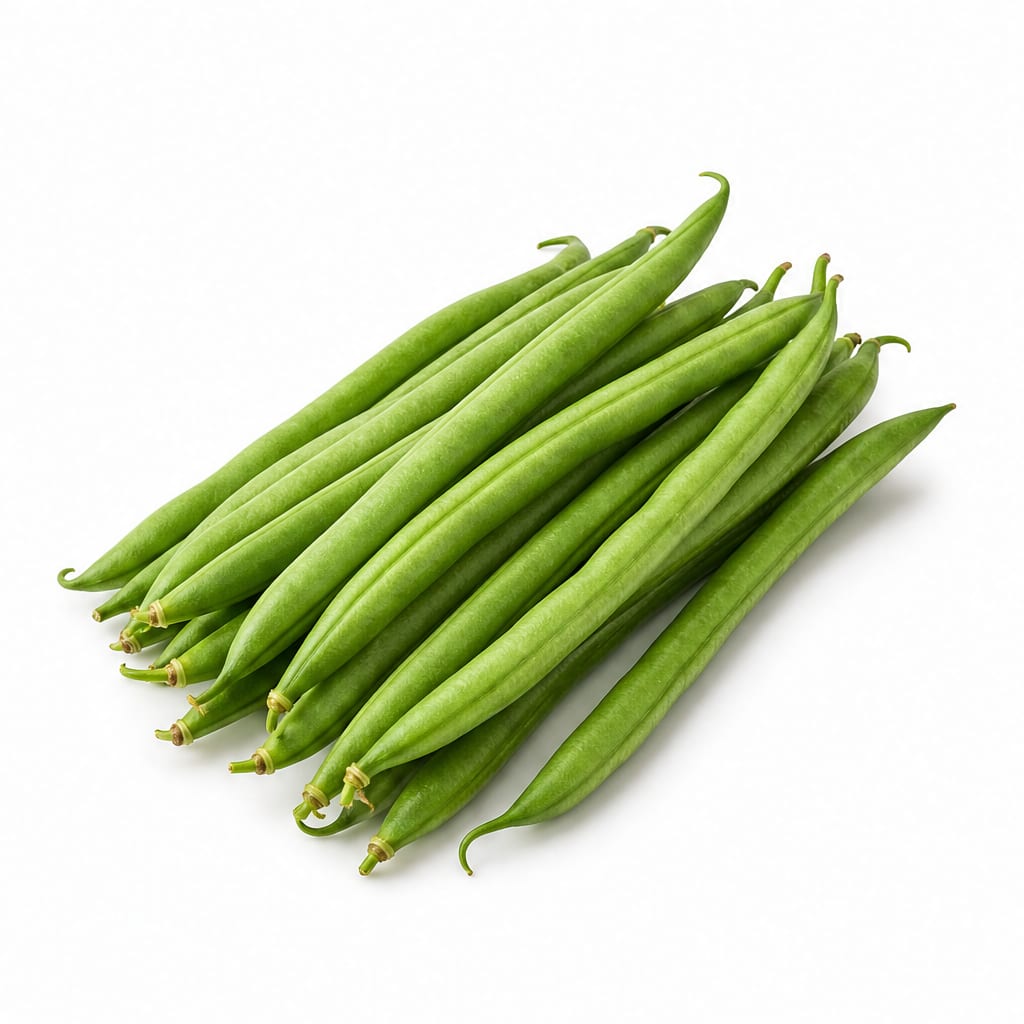
Compare with
Green Beans
Green beans are more accessible and provide more fiber, while daylilies are lower in calories and carbohydrates.
Green beans are higher in fiber for satiety, while daylilies are lower in calories and carbs for weight loss.
This food
Daylily
VS70% alike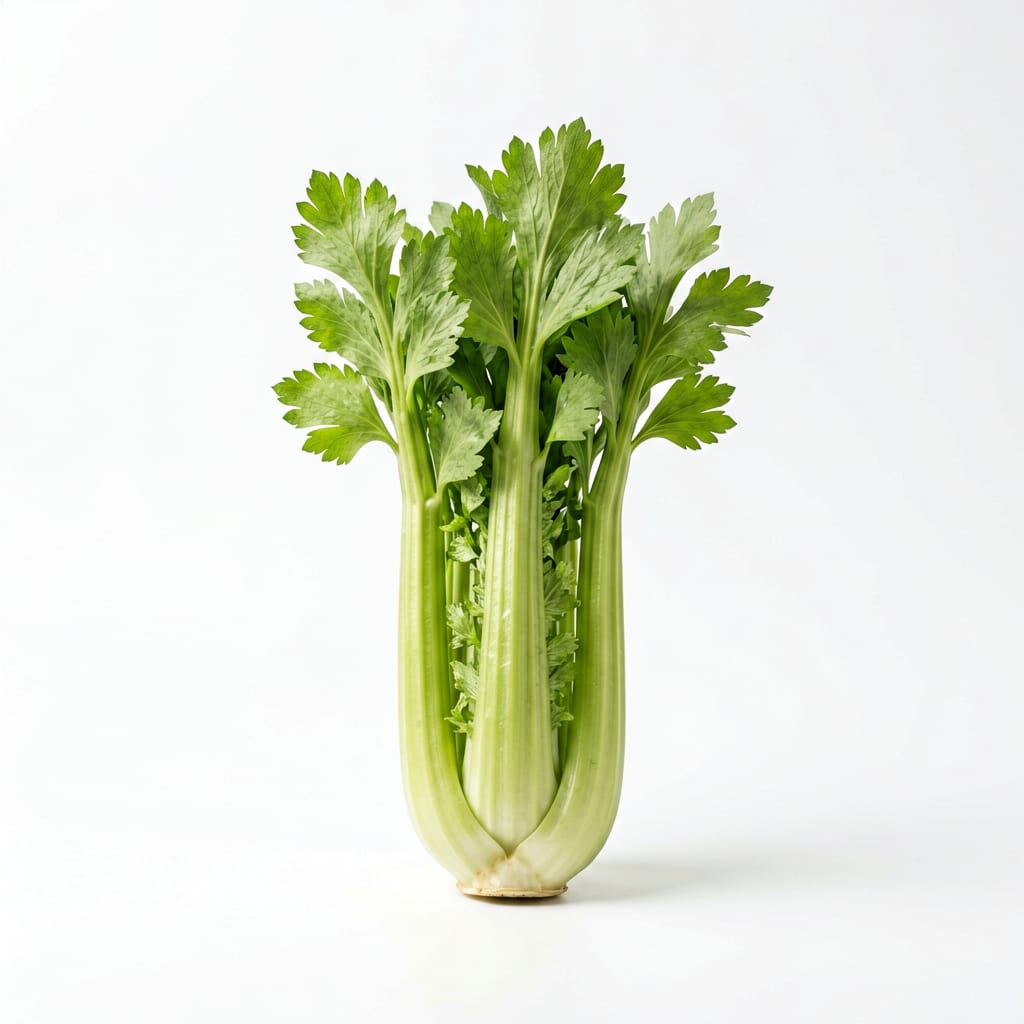
Compare with
Celery
Celery is safe to eat raw and extremely low in calories, while daylilies offer a denser texture and more vitamin C when cooked.
Celery is safer raw and extremely low in calories, while daylilies provide more vitamin C and a denser cooked texture.
This food
Daylily
VS80% alike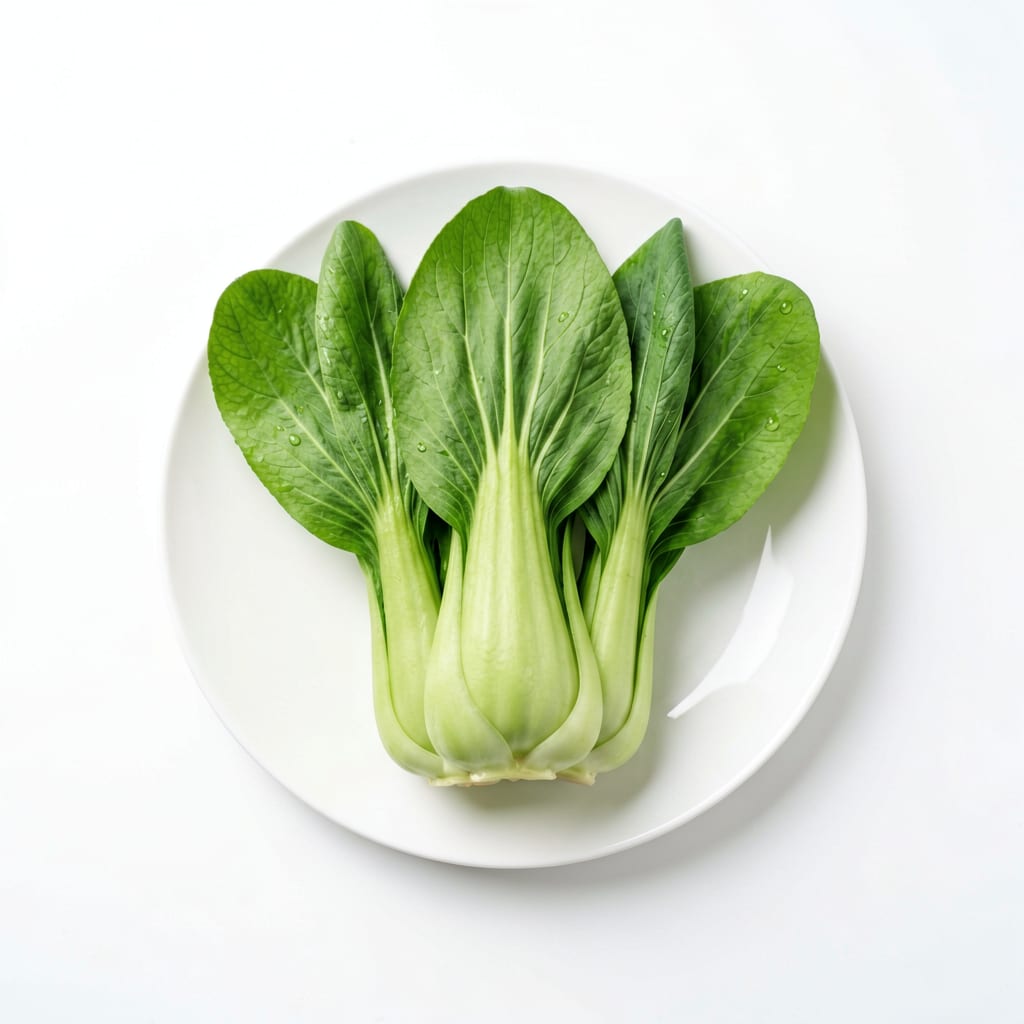
Compare with
Bok Choy
Bok choy is richer in calcium and vitamins A and C, while daylilies are slightly lower in carbohydrates.
Bok choy is much richer in calcium and vitamins, while daylilies are slightly lower in carbs and calories.
Common questions
FAQ
Answers aligned with how people search for this food.
Are daylilies safe to eat?
Yes, but they must be cooked first to neutralize mild toxins that cause stomach upset. Never eat them raw.
Can you eat daylilies raw?
It is strongly advised against eating them raw; consuming raw daylilies can lead to diarrhea and gastrointestinal distress.
What do daylilies taste like?
They have a mild, slightly sweet, and vegetal flavor, often compared to asparagus or zucchini, with a slightly mucilaginous texture when cooked.
How do you prepare daylilies for cooking?
Wash thoroughly, remove the basal end if tough, and blanch or boil them before adding to stir-fries or soups to ensure safety.
Are dried daylilies the same as fresh?
Dried daylilies (golden needles) are the buds dehydrated for storage; they must be soaked and cooked before eating and are a staple in hot and sour soup.
Can diabetics eat daylilies?
Yes, they are very low in carbohydrates and sugar, making them a safe and healthy choice for blood sugar management.
Are daylilies good for weight loss?
Yes, they are extremely low in calories while providing fiber, which helps increase satiety without excess caloric intake.
How can you tell a daylily from a toxic lily?
Daylilies have leafless stems and multiple blooms that last a day, while true lilies have leaves up the stem; consult an expert before foraging.
Transparency
Data confidence
Estimated confidence for nutrition data, interpretation, safety notes, and comparisons.
Nutrition data
Health analysis
Food safety
Comparisons