
Nutrition comparison
Daylily vs Bell Peppers: Safety, Nutrition, and Which to Choose
Compare daylily and bell peppers on safety, vitamin C, culinary versatility, and everyday practicality. Learn why bell peppers are the safer daily choice and when daylilies are worth the extra care.
Overall winner · Bell Peppers
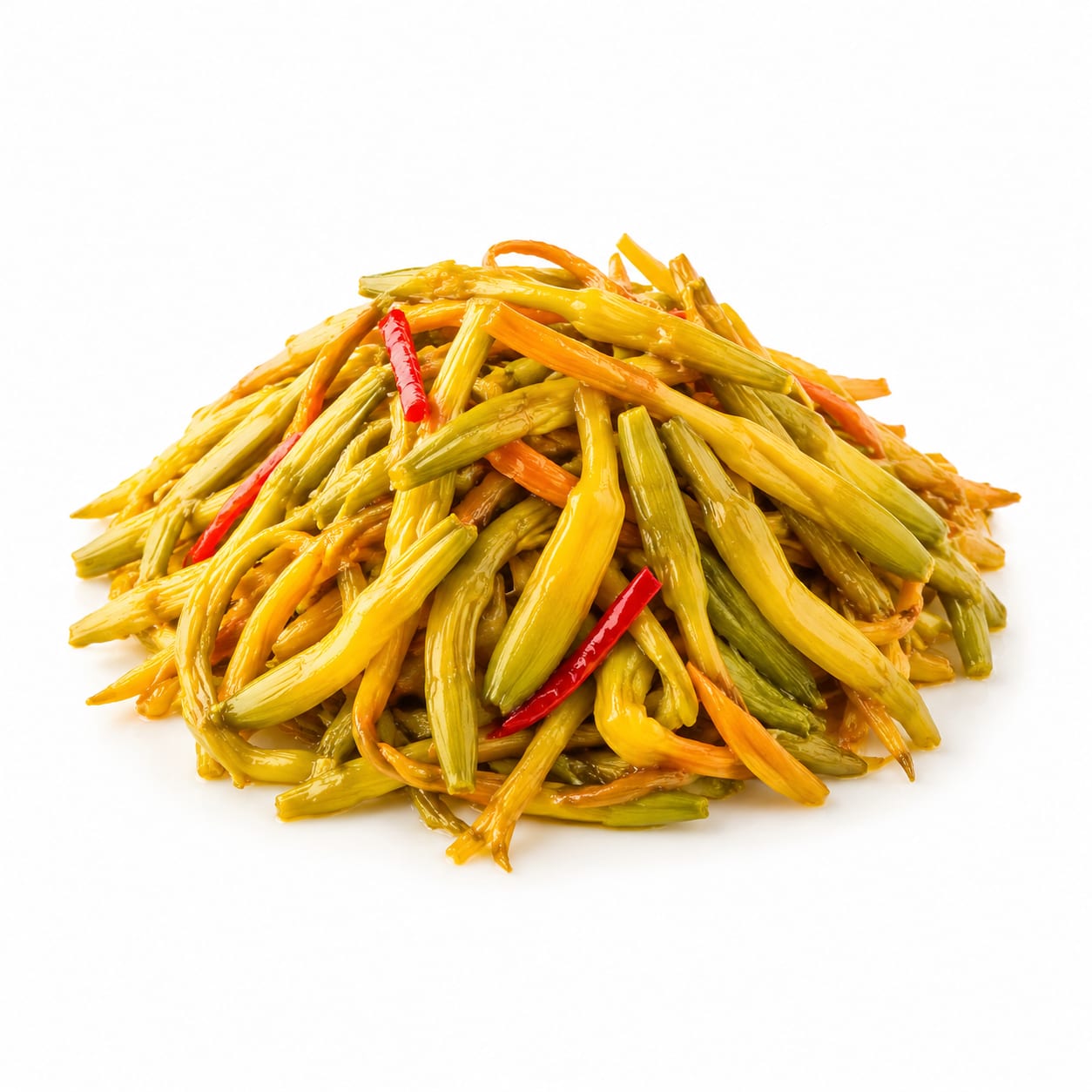
Daylily
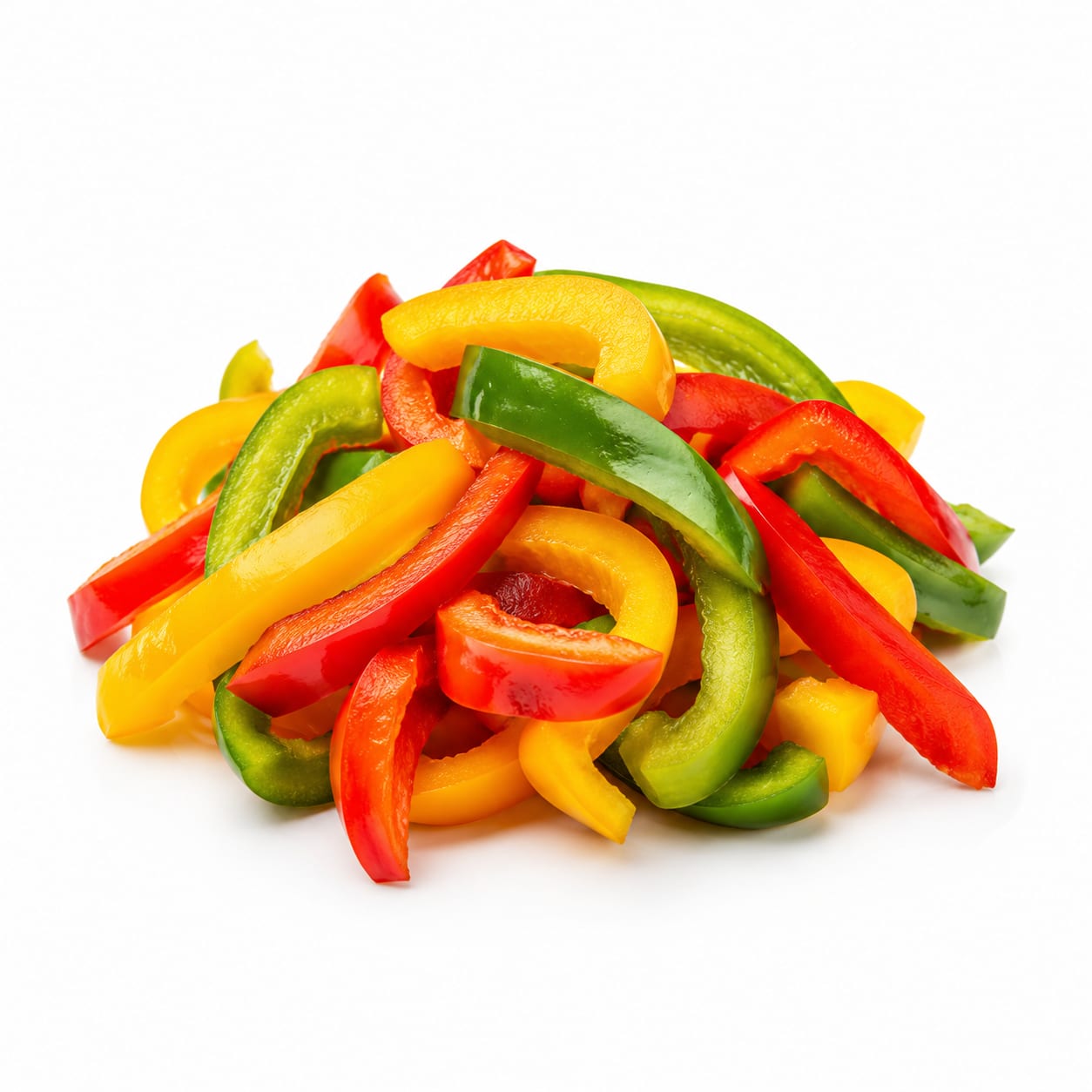
Bell Peppers
Bell peppers are the safer, more practical everyday choice with outstanding vitamin C content, while daylilies offer unique traditional value but demand careful preparation to avoid toxicity.
Bell peppers score significantly higher due to superior safety, vitamin C content, accessibility, and everyday practicality. Daylilies score lower primarily because toxicity risks and preparation demands outweigh their interesting nutritional profile for most users.
Daylilies bring cultural depth and interesting bioactive compounds but require expertise to prepare safely; bell peppers deliver reliable nutrition with zero safety concerns.
At a glance
Executive summary
Overall
Bell Peppers
Healthier
Bell Peppers
More practical
Bell Peppers
Daily use
Bell Peppers
Key comparison lenses
safety and preparation requirements
Daylilies carry genuine toxicity risks if misidentified or improperly prepared, while bell peppers are among the safest vegetables available
vitamin C and antioxidant density
Bell peppers are one of the richest vitamin C sources in the produce aisle; daylilies offer antioxidants but far less vitamin C
everyday practicality
Most users can grab bell peppers at any grocery store; daylilies require specialty sourcing and preparation confidence
culinary versatility and accessibility
Bell peppers work raw, cooked, stuffed, or snacked; daylilies are niche and require specific cooking knowledge
traditional and medicinal value
Daylilies have centuries of use in traditional Chinese medicine and cuisine, offering unique bioactive compounds
Best choice for
Daylily
- Adventurous home cooks exploring traditional Chinese cuisine
- People seeking traditional herbal remedies for mild anxiety or sleep support
- Gardeners who grow their own verified edible daylily varieties
Bell Peppers
- Families wanting a safe, kid-friendly vegetable
- Anyone boosting vitamin C intake naturally
- Meal preppers who need a versatile, long-lasting vegetable
Least suitable for
Daylily
- Children and anyone unfamiliar with proper daylily preparation
- People with sensitive digestion or food anxiety
- Anyone who cannot verify the exact species they are consuming
Bell Peppers
- People with nightshade sensitivities or allergies
- Those specifically seeking traditional Chinese medicinal foods
Deep comparison
Dimension by dimension
Each lens scores both foods and breaks down who each option suits.
- Dimension 1 · Priority 95Bell Peppers
Safety and Toxicity Risk
Daylily · 35Bell Peppers · 98Daylilies can cause serious digestive distress or worse if the wrong species is consumed or if they are undercooked. Bell peppers are virtually risk-free.
Tradeoff
Daylilies reward careful preparation with unique flavors and traditional benefits, but the margin for error is uncomfortably thin for casual cooks.
Why it matters
A single mistake with daylily identification or cooking can lead to vomiting, diarrhea, or worse. Bell peppers never carry this concern.
Real-world impact
You can hand a raw bell pepper to a toddler without a second thought. Daylilies require research, confidence, and attention before serving to anyone.
Daylily
- Experienced foragers who can confidently identify Hemerocallis species
Better for
- Anyone unsure about species identification
- People cooking for guests who may have sensitive stomachs
Worse for
Bell Peppers
- Households with children
- Beginner cooks
- Anyone who values peace of mind at mealtime
Better for
- People with nightshade allergies
Worse for
- Dimension 2 · Priority 88Bell Peppers
Vitamin C Content
Daylily · 30Bell Peppers · 97Red bell peppers deliver over 200% of your daily vitamin C per cup. Daylilies contain some vitamin C but nowhere near the same concentration.
Tradeoff
If immune support and collagen health are priorities, bell peppers are hard to beat. Daylilies cannot compete on this specific nutrient.
Why it matters
Vitamin C supports immunity, skin health, and iron absorption. Bell peppers are one of the best plant sources available.
Real-world impact
One raw red bell pepper covers more than two days of vitamin C needs. You would need large quantities of daylilies to approach the same benefit.
Daylily
- Anyone relying on a single vegetable for vitamin C
Worse for
Bell Peppers
- People fighting off colds
- Anyone looking to boost iron absorption from plant meals
- Those wanting better skin support from food
Better for
- Dimension 3 · Priority 70Daylily
Traditional and Bioactive Compounds
Daylily · 82Bell Peppers · 55Daylilies have been used in traditional Chinese medicine for centuries, with compounds that may support calmness and sleep. Bell peppers offer standard antioxidant benefits without the traditional medicine pedigree.
Tradeoff
Daylilies carry cultural wisdom and unique bioactive compounds that bell peppers simply do not match, but the evidence base is smaller and less rigorous.
Why it matters
If you value food-as-medicine traditions or are curious about herbal approaches, daylilies offer something bell peppers cannot.
Real-world impact
A warm daylily soup is traditionally used to support relaxation before bed. Bell peppers, while nutritious, have no equivalent traditional therapeutic use.
Daylily
- People interested in traditional Chinese herbal cuisine
- Those seeking gentle, food-based calming remedies
Better for
- Anyone expecting strong clinical evidence for medicinal claims
Worse for
Bell Peppers
- People who prefer well-studied, evidence-backed nutrition
Better for
- Those specifically exploring traditional Asian herbal cooking
Worse for
- Dimension 4 · Priority 82Bell Peppers
Culinary Versatility
Daylily · 38Bell Peppers · 94Bell peppers work raw in salads, roasted, stuffed, stir-fried, or simply snacked. Daylilies are limited to specific cooked dishes, primarily soups and stir-fries.
Tradeoff
Bell peppers adapt to nearly any cuisine or meal. Daylilies shine in specific traditional dishes but feel out of place elsewhere.
Why it matters
A versatile vegetable gets eaten more often, which means more consistent nutritional benefit over time.
Real-world impact
You can throw bell peppers into omelets, pasta, salads, or eat them plain. Daylilies mostly appear in hot and sour soup or specific Chinese stir-fries.
Daylily
- Cooks specializing in Chinese cuisine
Better for
- People who cook diverse international cuisines
- Raw food enthusiasts
Worse for
Bell Peppers
- Meal preppers
- Families needing one vegetable that works in many dishes
- Anyone who snacks on raw vegetables
Better for
- Dimension 5 · Priority 85Bell Peppers
Accessibility and Convenience
Daylily · 25Bell Peppers · 96Bell peppers are available at every grocery store year-round. Fresh daylilies are rare, and even dried ones require specialty shops.
Tradeoff
Convenience matters for consistency. The easier a food is to obtain and prepare, the more likely you are to eat it regularly.
Why it matters
Nutrition only works if you actually eat the food. Bell peppers remove every barrier between you and a nutritious vegetable.
Real-world impact
Bell peppers are a 30-second wash-and-eat vegetable. Daylilies require sourcing, soaking if dried, thorough cooking, and species verification.
Daylily
- People with access to Asian specialty markets
- Home gardeners growing edible daylily varieties
Better for
- Rural shoppers without specialty store access
- Anyone unwilling to plan meals around hard-to-find ingredients
Worse for
Bell Peppers
- Busy professionals
- Anyone shopping at standard grocery stores
- People who want nutrition without extra effort
Better for
- Dimension 6 · Priority 65It depends
Fiber and Digestive Health
Daylily · 68Bell Peppers · 70Both provide modest fiber. Dried daylilies can be slightly higher in fiber per serving when rehydrated, but improperly prepared daylilies can irritate the digestive tract.
Tradeoff
Daylilies may offer more fiber on paper, but the risk of digestive upset from improper preparation negates that advantage for many people.
Why it matters
Fiber supports fullness and gut health, but only if your digestive system tolerates the food well.
Real-world impact
A bell pepper gives you gentle, reliable fiber. Daylilies could give you more, but also could leave you with stomach discomfort if undercooked.
Daylily
- Confident cooks who prepare daylilies thoroughly
Better for
- Those prone to digestive upset
Worse for
Bell Peppers
- People with sensitive digestion
- Anyone wanting predictable digestive comfort
Better for
Timeline
Health impact over time
Short-term
Hours to days
Daylily
- Potential nausea, vomiting, or diarrhea if undercooked or if wrong species is consumed
- Mild calming effect traditionally reported when properly prepared as soup
- Moderate fiber contribution to fullness when cooked correctly
Bell Peppers
- Immediate vitamin C boost supporting immune function
- Crunchy texture promotes slower eating and better satiety signals
- Gentle hydration from high water content
Long-term
Months to years
Daylily
- Possible cumulative exposure to mild toxins if preparation is inconsistent
- Traditional use suggests gentle sleep and anxiety support over time
- Unique antioxidant intake from daylily-specific flavonoids
Bell Peppers
- Consistent vitamin C intake supports skin, joints, and immune resilience
- Regular antioxidant consumption from carotenoids may reduce oxidative stress
- Very low risk profile makes long-term daily consumption safe and sustainable
Risk profile
Safety & processing
Both foods are whole, minimally processed vegetables. Dried daylilies undergo dehydration but typically without additives. Fresh bell peppers are as natural as produce gets. Neither raises processing concerns.
Daylily
Species misidentification
highSome ornamental lilies resemble daylilies but are toxic. Only Hemerocallis species are edible. Eating the wrong lily can cause serious poisoning.
Undercooking toxicity
highRaw or undercooked daylilies contain compounds that can cause vomiting and diarrhea. Thorough cooking is essential to neutralize these substances.
Allergic or sensitivity reactions
mediumSome individuals report digestive discomfort even from properly prepared daylilies, particularly on first exposure.
Bell Peppers
Pesticide residue on conventional peppers
mediumBell peppers frequently appear on the EWG's Dirty Dozen list. Washing helps, but organic options reduce exposure further.
Nightshade sensitivity
lowA small percentage of people experience joint pain or digestive issues from nightshade vegetables, though evidence is largely anecdotal.
Who wins for whom
Audience fit
Same foods, different winners depending on your goal.
children
Bell PeppersBell peppers are safe, fun to eat, and packed with immune-supporting vitamin C. Daylilies are inappropriate for children due to toxicity risks from improper preparation.
daily consumption
Bell PeppersBell peppers can be eaten daily without concern. Daylilies should be consumed occasionally and always with careful preparation, making them unsuitable as a daily staple.
diabetes
Bell PeppersBell peppers have a very low glycemic load and provide satisfying crunch without blood sugar impact. Daylilies are also low-glycemic but carry unnecessary risk for a population that should prioritize food safety.
elderly
Bell PeppersOlder adults benefit from bell peppers' vitamin C for immune and skin health, and the safety profile is reassuring. Daylilies' digestive risks are harder to justify for this group.
muscle gain
Bell PeppersNeither food is a protein powerhouse, but bell peppers provide vitamin C which supports collagen formation for joint and tissue health during training.
weight loss
Bell PeppersBell peppers are low-calorie, high-volume, and easy to snack on raw. Daylilies are also low-calorie but their preparation demands and safety concerns make them less practical for consistent weight loss eating.
Your move
Decision guide
Choose Daylily
- You are an experienced cook familiar with traditional Chinese preparation methods
- You grow your own verified edible daylily varieties and know exactly what you have
- You are specifically exploring traditional herbal cuisine and understand the risks
- You want a unique ingredient for hot and sour soup or Chinese stir-fries
Choose Bell Peppers
- You want a safe, reliable vegetable the whole family can enjoy
- You are looking to boost vitamin C intake naturally
- You need a versatile vegetable that works in any meal
- You value convenience and consistent nutrition without safety worries
Either works if
- You enjoy trying new vegetables and want both in your rotation
- You are comfortable cooking daylilies occasionally while relying on bell peppers daily
- You appreciate both traditional Chinese cuisine and everyday Western cooking
Avoid both if
- You have nightshade sensitivities and lack confidence in daylily preparation
- You are looking for a high-protein vegetable option
Final recommendation
Make bell peppers your everyday vegetable. They are safe, versatile, and packed with vitamin C. Save daylilies for occasional traditional dishes when you have the right ingredients, knowledge, and time to prepare them properly. The nutritional gap between these two is less important than the safety gap.
Practical
Consumer tips
- 1
Choose organic bell peppers when possible since conventional peppers rank high for pesticide residue
- 2
If cooking daylilies, always boil thoroughly and discard the cooking water before adding to dishes
- 3
Never forage wild daylilies unless you are absolutely certain of the species — ornamental lilies can look similar but are dangerous
- 4
Red bell peppers contain more vitamin C and beta-carotene than green ones, so choose red for maximum nutrition
- 5
Dried daylily buds should be soaked for at least 30 minutes and cooked for at least 10-15 minutes before eating
- 6
Store bell peppers in the crisper drawer and they will last 1-2 weeks, making them excellent for meal prep