
Nutrition comparison
Daylily vs Lotus Root: Safety, Nutrition, and Which to Choose
Compare daylily and lotus root nutrition, safety, and culinary use. Learn why lotus root is the safer daily choice and how to properly prepare daylily to avoid toxin risks.
Overall winner · Lotus Root
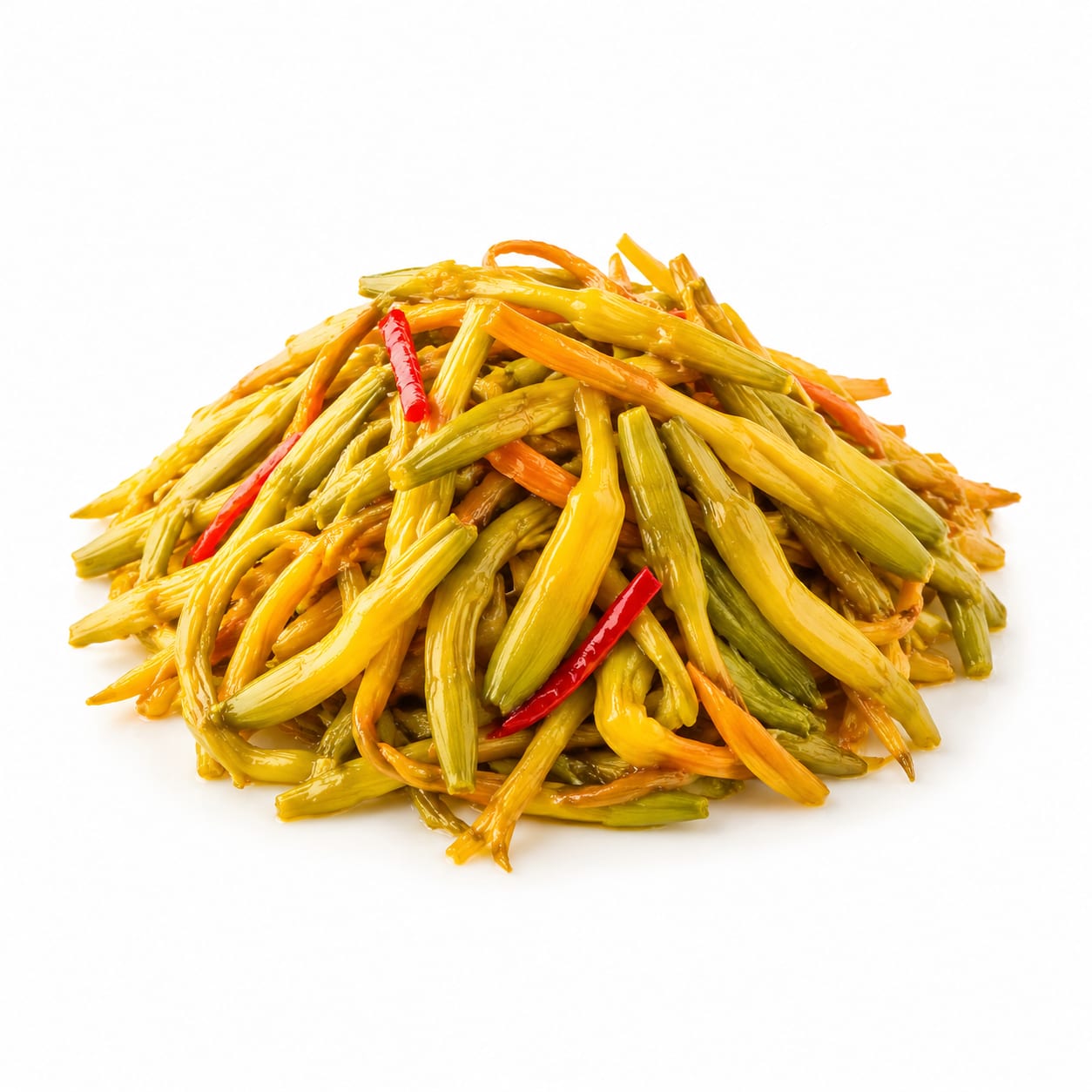
Daylily
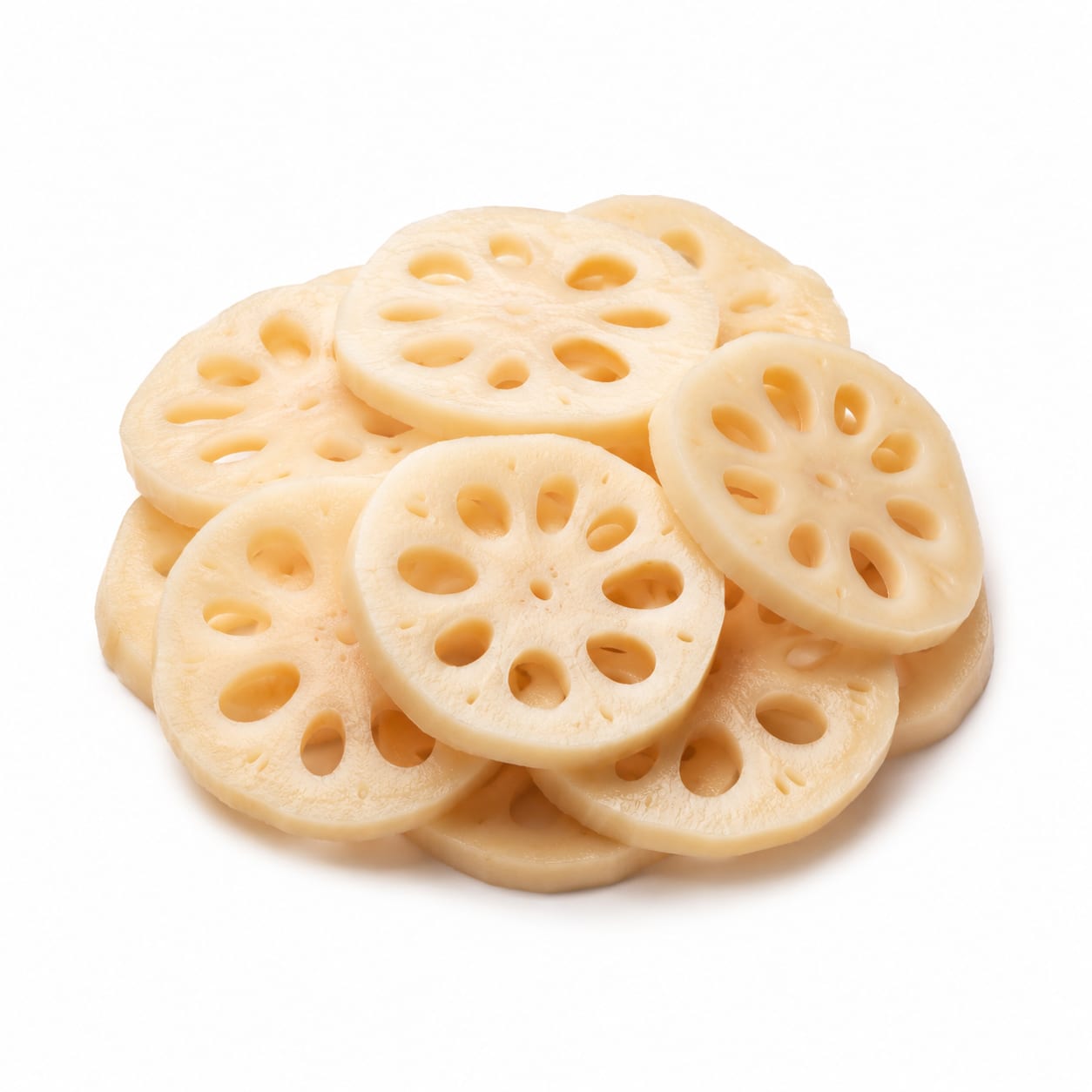
Lotus Root
Lotus root is the safer, more nutrient-dense, and easier-to-use choice for regular consumption, while daylily offers unique flavor and tradition but demands careful toxin-aware preparation.
Lotus root scores notably higher primarily due to daylily's significant safety concerns and demanding preparation requirements. Nutritionally, lotus root also delivers more consistent mineral and vitamin content per serving.
Daylily brings distinctive taste and cultural heritage but carries a real food safety burden; lotus root delivers reliable nutrition with minimal risk.
At a glance
Executive summary
Overall
Lotus Root
Healthier
Lotus Root
More practical
Lotus Root
Daily use
Lotus Root
Key comparison lenses
safety and preparation risks
Fresh daylily contains colchicine-like toxins that demand careful preparation, making safety the dominant concern in this comparison
digestive and gut health
Both foods are traditional gut-friendly ingredients in Asian cuisine, but lotus root's resistant starch offers a more reliable prebiotic benefit
nutritional density for daily use
Users choosing between these two Asian vegetables want to know which delivers more consistent nutrition without special handling
blood sugar management
Lotus root's resistant starch gives it a meaningful edge for glucose stability, a common concern with starchy vegetables
culinary convenience
Daylily is almost always sold dried and requires rehydration and blanching, while lotus root is more straightforward to prepare
Best choice for
Daylily
- People seeking traditional Chinese medicinal flavors
- Home cooks making hot and sour soup or specific regional dishes
- Those wanting a low-calorie garnish with mild diuretic properties
Lotus Root
- Anyone prioritizing safe, stress-free vegetable preparation
- People managing blood sugar who want a starchy vegetable with less glycemic impact
- Families wanting a kid-friendly crunchy vegetable for stir-fries and soups
Least suitable for
Daylily
- Children and pregnant women due to colchicine toxicity risk
- Anyone unwilling to follow strict soaking and blanching protocols
- People with sensitive digestion who react to even small amounts of residual toxins
Lotus Root
- People strictly limiting carbohydrate intake on very low-carb diets
- Those with oxalate sensitivity in rare cases
Deep comparison
Dimension by dimension
Each lens scores both foods and breaks down who each option suits.
- Dimension 1 · Priority 95Lotus Root
safety_and_toxin_risk
Daylily · 40Lotus Root · 90Fresh daylily contains colchicine-like alkaloids that can cause nausea, vomiting, and abdominal pain if not properly detoxified through soaking and thorough cooking.
Tradeoff
Daylily rewards careful traditional preparation with unique flavor, but one shortcut can lead to genuine food poisoning; lotus root carries no such risk.
Why it matters
A vegetable that can make you sick if slightly undercooked changes how casually you can use it in weeknight cooking.
Real-world impact
If you rush dinner and skip the full blanching step for daylily, you could end up with stomach cramps instead of a pleasant meal.
Daylily
- Experienced cooks who follow traditional preparation methods every time
Better for
- Anyone who occasionally cuts corners in the kitchen
Worse for
Lotus Root
- Busy households that need vegetables they can cook without special protocols
- Parents cooking for children who cannot risk any toxin exposure
Better for
- Dimension 2 · Priority 80Lotus Root
vitamin_and_mineral_density
Daylily · 55Lotus Root · 78Lotus root provides significantly more vitamin C, potassium, vitamin B6, and iron per serving compared to daylily buds.
Tradeoff
Daylily offers decent vitamin A and some iron, but lotus root covers a broader micronutrient base more reliably.
Why it matters
If you are eating one of these as a regular vegetable side, lotus root contributes more toward your daily nutrient targets.
Real-world impact
A single serving of lotus root covers roughly 30% of your daily vitamin C, while daylily contributes a smaller fraction of most micronutrients.
Daylily
- Those specifically seeking vitamin A from plant sources
Better for
- Those relying on a single vegetable for broad mineral intake
Worse for
Lotus Root
- Anyone wanting a well-rounded micronutrient boost from a single vegetable
- People who need more potassium for blood pressure management
Better for
- Dimension 3 · Priority 85Lotus Root
digestive_health_and_fiber
Daylily · 62Lotus Root · 80Lotus root contains both soluble fiber and resistant starch that feed beneficial gut bacteria, while daylily provides moderate fiber without the prebiotic edge.
Tradeoff
Daylily has traditionally been used to soothe digestion in Chinese medicine, but lotus root's resistant starch offers a more scientifically supported prebiotic benefit.
Why it matters
Resistant starch from lotus root ferments slowly in the gut, producing butyrate, which supports colon health more consistently.
Real-world impact
Regular lotus root consumption can contribute to smoother digestion and more stable bowel habits over time.
Daylily
- Those following traditional Chinese dietary therapy for mild digestive discomfort
Better for
- People specifically seeking prebiotic-resistant starch benefits
Worse for
Lotus Root
- People looking to improve gut microbiome diversity through prebiotic fiber
- Anyone dealing with irregular digestion who wants a gentle, food-based approach
Better for
- Dimension 4 · Priority 70Lotus Root
blood_sugar_stability
Daylily · 65Lotus Root · 72Lotus root's resistant starch slows glucose absorption despite being a starchy vegetable, giving it a surprisingly gentle glycemic impact.
Tradeoff
Daylily is lower in carbohydrates overall, which helps blood sugar, but lotus root's resistant starch provides a more sustained energy release.
Why it matters
A starchy vegetable that does not spike blood sugar sharply is rare and valuable for anyone monitoring glucose.
Real-world impact
After a lotus root stir-fry, you feel steady energy for hours rather than the quick rise and dip typical of most starches.
Daylily
- Those on strict low-carb plans who want minimal carbohydrate intake
Better for
Lotus Root
- People with prediabetes or insulin resistance who still want to enjoy starchy vegetables
- Active individuals who want sustained energy from complex carbohydrates
Better for
- Those counting every gram of carbohydrate very tightly
Worse for
- Dimension 5 · Priority 65Lotus Root
culinary_convenience
Daylily · 45Lotus Root · 75Daylily is typically sold dried and requires soaking for 30+ minutes plus blanching before use, while lotus root can be peeled, sliced, and cooked immediately.
Tradeoff
Daylily's dried form means a long shelf life and concentrated flavor, but the rehydration and detoxification steps add significant prep time.
Why it matters
When you are deciding what to cook on a Tuesday evening, a vegetable that needs an hour of prep loses to one that goes from fridge to pan in minutes.
Real-world impact
With lotus root, you can decide to make soup and be eating in 30 minutes; with daylily, you need to plan ahead or keep pre-soaked buds ready.
Daylily
- Meal preppers who soak and blanch batches in advance
- Cooks building deep flavor in slow-simmered soups and braises
Better for
- Spontaneous cooks who decide what to make at the last minute
Worse for
Lotus Root
- Weeknight cooks who need a vegetable ready fast
- Anyone who wants to add a crunchy element to stir-fries with zero soaking
Better for
- Dimension 6 · Priority 60It depends
antioxidant_and_anti_inflammatory_potential
Daylily · 68Lotus Root · 66Daylily contains flavonoids and carotenoids with notable antioxidant activity, while lotus root provides polyphenols and vitamin C; both contribute but through different compounds.
Tradeoff
Daylily may have a slight edge in specific antioxidant compounds, but lotus root's vitamin C provides more broadly documented anti-inflammatory support.
Why it matters
Both vegetables contribute to reducing oxidative stress, but neither is a standout antioxidant powerhouse compared to berries or leafy greens.
Real-world impact
Including either vegetable in a varied diet supports inflammation management, but neither alone will dramatically move the needle.
Daylily
- Those interested in traditional Chinese medicinal food therapy for heat-clearing effects
Better for
Lotus Root
- People wanting vitamin C-supported immune and anti-inflammatory benefits alongside fiber
Better for
Timeline
Health impact over time
Short-term
Hours to days
Daylily
- Improperly prepared daylily can cause acute nausea, vomiting, and abdominal pain within hours
- Properly prepared daylily may have a mild diuretic effect, reducing water retention
Lotus Root
- Lotus root provides quick satiety due to its fiber and water content, helping with portion control
- The resistant starch can cause mild gas in people unaccustomed to high-fiber foods
Long-term
Months to years
Daylily
- Consistent consumption of properly prepared daylily may support mild anti-inflammatory benefits
- Chronic exposure to trace colchicine from repeated inadequate preparation could stress the digestive system and kidneys
Lotus Root
- Regular lotus root intake supports gut microbiome diversity through consistent prebiotic fiber
- Potassium and vitamin C from lotus root contribute to long-term cardiovascular and immune health
Risk profile
Safety & processing
Both are whole, minimally processed plant foods. Dried daylily buds are simply dehydrated without additives, and fresh lotus root is sold whole. The processing concern for daylily is not about additives but about the natural toxin that remains unless properly cooked out.
Daylily
Colchicine-like alkaloid toxicity
highFresh daylily buds contain colchicine-like compounds that cause gastrointestinal poisoning. Even dried buds retain enough to cause illness if not thoroughly soaked and blanched. Symptoms include nausea, vomiting, abdominal pain, and in severe cases, organ damage.
Sulfur dioxide residue in commercially dried buds
mediumSome commercially dried daylily buds are treated with sulfur dioxide as a preservative, which can trigger reactions in sensitive individuals, particularly those with asthma.
Lotus Root
Mud and bacterial contamination in root crevices
lowLotus root grows in muddy pond sediment and can harbor bacteria in its hollow chambers. Thorough washing and peeling eliminates this risk easily.
Parasite exposure from raw consumption
lowEating lotus root raw carries a small risk of parasite exposure from pond water. Cooking eliminates this concern entirely.
Who wins for whom
Audience fit
Same foods, different winners depending on your goal.
children
Lotus RootLotus root is safer, easier to prepare correctly, and has a fun crunchy texture kids enjoy. Daylily's colchicine risk makes it inappropriate for children unless prepared by someone highly experienced.
daily consumption
Lotus RootLotus root can be eaten daily without special precautions, while daylily's toxin risk and more involved preparation make it better suited as an occasional ingredient.
diabetes
Lotus RootLotus root's resistant starch causes a slower, more manageable blood sugar rise compared to most starchy vegetables, making it a safer choice for glucose management.
elderly
Lotus RootOlder adults benefit from lotus root's potassium for blood pressure, soft texture when braised, and zero toxin risk. Daylily's safety demands are harder to guarantee in elderly meal preparation.
muscle gain
It dependsNeither vegetable is a significant protein source. Both serve better as side dishes alongside protein-rich foods in a muscle-building meal plan.
weight loss
Lotus RootLotus root is more filling per calorie due to its fiber and resistant starch content, making it easier to eat satisfying portions without overconsuming calories.
Your move
Decision guide
Choose Daylily
- You are an experienced cook comfortable with traditional Chinese preparation techniques for detoxifying daylily
- You are making hot and sour soup, Buddha's delight, or other specific dishes where daylily's flavor is irreplaceable
- You have reliable access to high-quality dried daylily with minimal sulfur treatment
Choose Lotus Root
- You want a safe, family-friendly vegetable you can cook without special protocols
- You are looking for a nutrient-dense side dish that supports gut health and blood sugar stability
- You value convenience and want something you can peel, slice, and cook on a weeknight
Either works if
- You are building a varied Asian vegetable repertoire and want both for different dishes
- You are focused on antioxidant diversity and want to rotate between different plant compounds
Avoid both if
- You are on a very strict ketogenic diet and cannot accommodate starchy or carbohydrate-containing vegetables
- You have known allergies to either plant family
Final recommendation
For most people, lotus root is the clearly better everyday choice: safer, more nutritious, and easier to prepare. Daylily is worth enjoying occasionally in traditional dishes, but only if you are committed to proper soaking and blanching. If you would not reliably follow those steps, skip daylily entirely and enjoy lotus root without worry.
Practical
Consumer tips
- 1
When buying dried daylily, look for golden-yellow buds without a strong chemical smell, which can indicate excess sulfur dioxide treatment
- 2
Soak dried daylily for at least 30 minutes and blanch in boiling water for 2-3 minutes before using in any dish to reduce toxin content
- 3
Choose lotus roots that feel heavy for their size with smooth, unblemished skin for the freshest quality
- 4
Store lotus root wrapped in damp paper towel in the refrigerator and use within a week for best texture
- 5
If you are new to lotus root, try it sliced thin and stir-fried with garlic and vinegar for a simple, satisfying introduction
- 6
Never eat fresh raw daylily buds under any circumstances due to colchicine toxicity