
Nutrition comparison
Daylily vs Asparagus: Nutrition, Safety, and Taste Compared
Discover the nutritional differences and safety risks between Daylily and Asparagus. Learn which vegetable is better for daily use, gut health, and cooking convenience.
Overall winner · Asparagus
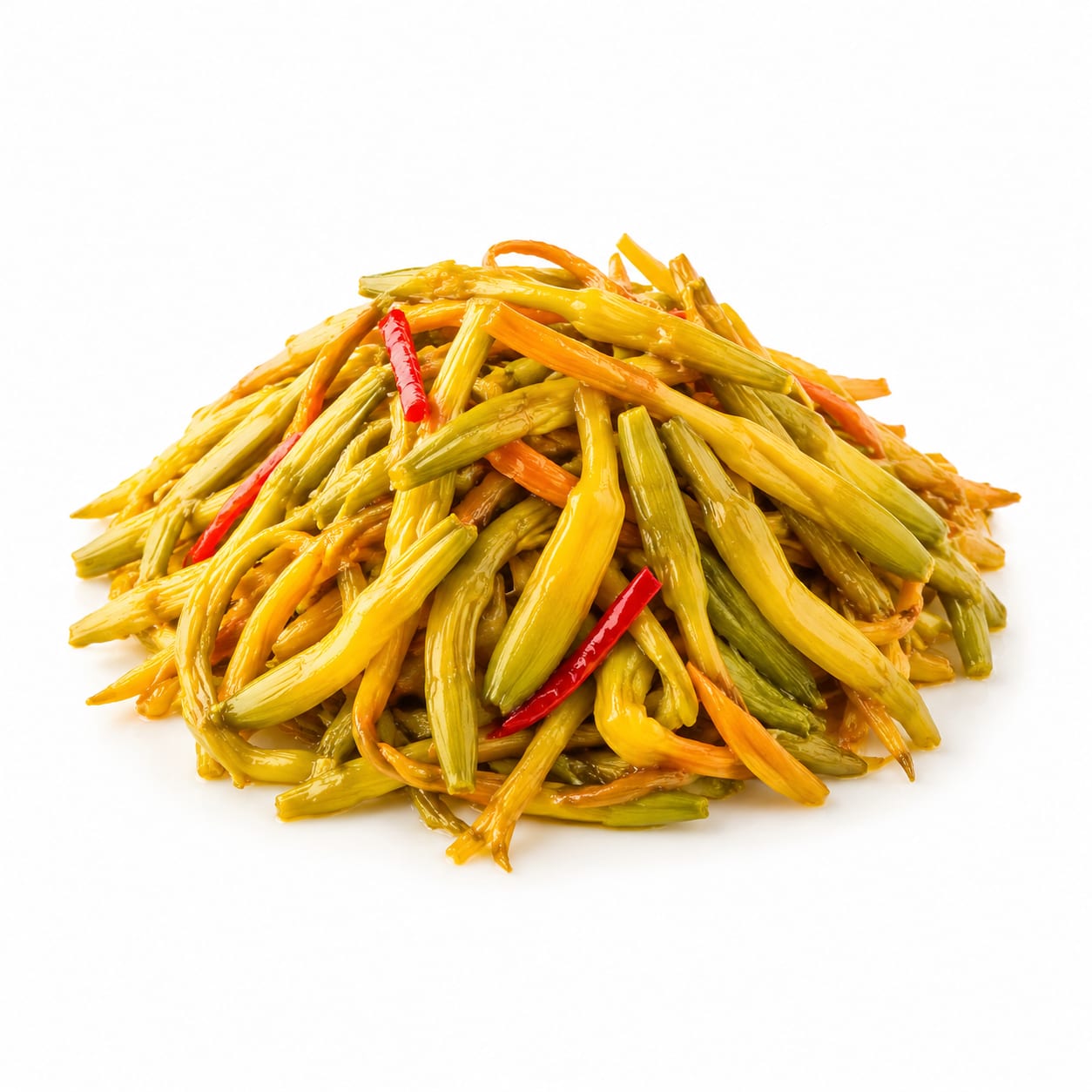
Daylily
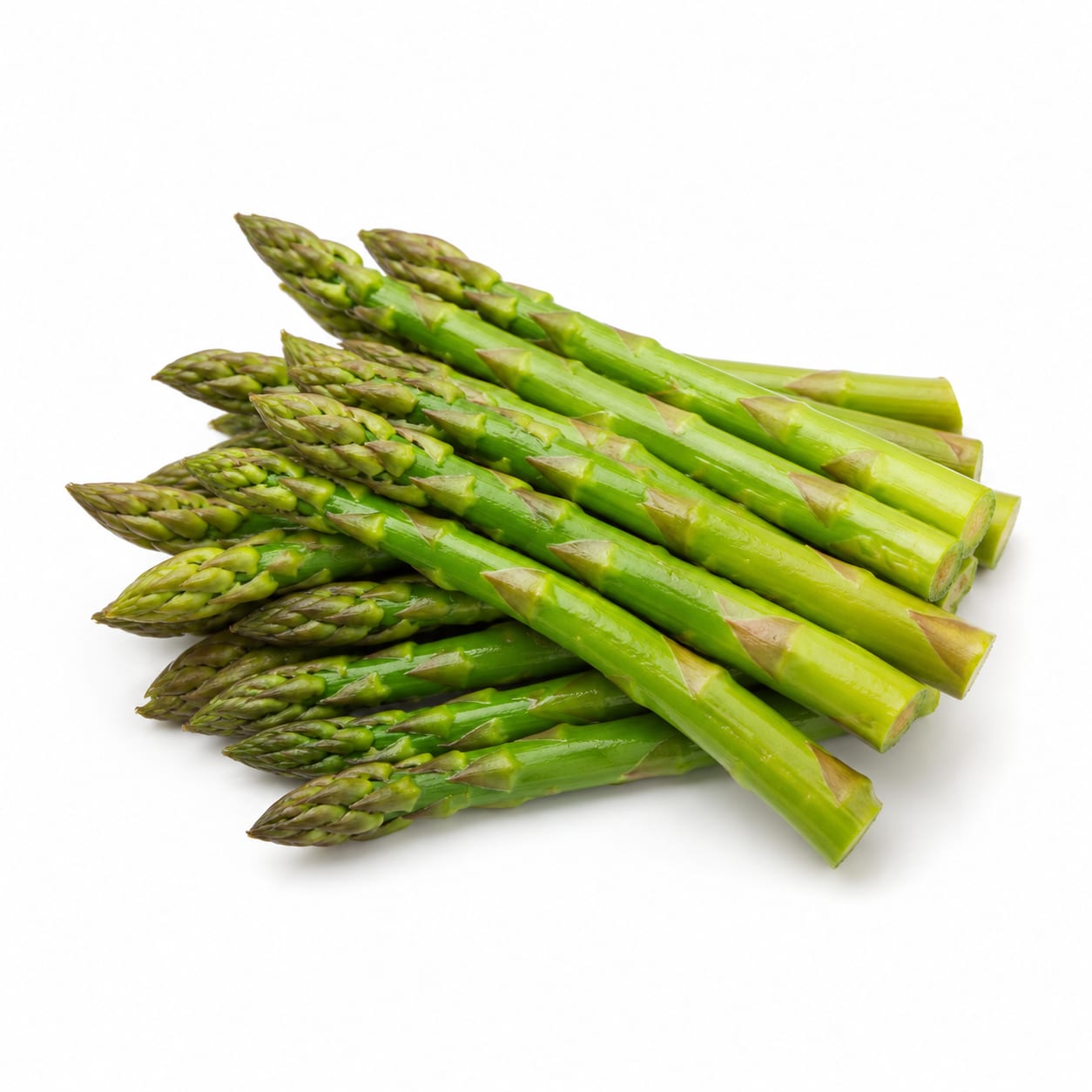
Asparagus
Asparagus is the safer, more convenient everyday vegetable, while Daylily offers unique flavors and iron but demands careful preparation.
Asparagus scores higher due to its superior safety profile, ease of preparation, and folate content. Daylily loses points for its necessary prep steps and foraging risks, though it remains a nutritious option when handled correctly.
Daylily provides a culinary adventure and higher iron, but Asparagus delivers reliable nutrition without the safety and prep hurdles.
At a glance
Executive summary
Overall
Asparagus
Healthier
Asparagus
More practical
Asparagus
Daily use
Asparagus
Key comparison lenses
Safety and Proper Preparation
Daylily requires specific cooking to avoid digestive distress and carries foraging misidentification risks, whereas Asparagus is universally safe to eat raw or cooked.
Nutritional Density and Vitamin Profile
Both offer unique vitamins, with Asparagus leading in folate and Daylily offering more iron and vitamin A.
Culinary Convenience and Availability
Asparagus is a grocery staple, while fresh Daylily is seasonal and often foraged, with dried versions requiring rehydration.
Best choice for
Daylily
- Adventurous eaters
- Those needing an iron boost
- Experienced foragers
Asparagus
- Pregnant women needing folate
- Everyday home cooks
- People seeking low-maintenance veggies
Least suitable for
Daylily
- Casual foragers
- People with sensitive stomachs
- Those unfamiliar with lily identification
Asparagus
- People with severe gout flare-ups
- Those bothered by asparagus-scented urine
Deep comparison
Dimension by dimension
Each lens scores both foods and breaks down who each option suits.
- Dimension 1 · Priority 95Asparagus
Safety and Toxicity Risk
Daylily · 55Asparagus · 95Daylily can cause severe stomach upset if eaten raw or misidentified, while Asparagus is virtually risk-free.
Tradeoff
Eating Daylily introduces a real risk of digestive distress or misidentification with toxic lilies, a non-issue with Asparagus.
Why it matters
Consuming the wrong lily or undercooked Daylily buds can lead to vomiting and hospital visits.
Real-world impact
You can snack on raw Asparagus safely, but raw Daylily might ruin your afternoon.
Daylily
- Impulsive snacking
- Unsupervised foraging
Worse for
Asparagus
- Worry-free eating
- Raw snacking
- Beginner cooks
Better for
- Dimension 2 · Priority 80It depends
Vitamin and Mineral Profile
Daylily · 82Asparagus · 85Daylily packs more iron and vitamin A, while Asparagus dominates in folate and vitamin K.
Tradeoff
Choosing Daylily boosts iron for energy, whereas Asparagus supports cell growth and bone health with folate and vitamin K.
Why it matters
Folate is critical for pregnancy and heart health, while iron is essential for preventing fatigue.
Real-world impact
Asparagus is a prenatal superfood; Daylily is better if you need plant-based iron.
Daylily
- Iron intake
- Vitamin A for vision
Better for
- Folate needs
Worse for
Asparagus
- Folate for pregnancy
- Vitamin K for bones
Better for
- Iron deficiency
Worse for
- Dimension 3 · Priority 75Asparagus
Preparation and Convenience
Daylily · 45Asparagus · 90Asparagus is ready in minutes with simple cooking, while Daylily requires boiling and draining to remove toxins.
Tradeoff
Daylily demands extra kitchen steps for safety, whereas Asparagus goes straight from fridge to pan.
Why it matters
Complex prep deters everyday cooking and increases the chance of mistakes.
Real-world impact
Roasting Asparagus takes 10 minutes; preparing Daylily safely requires boiling, draining, and rinsing.
Daylily
- Traditional Asian recipes
Better for
- Busy weeknights
- Quick meals
Worse for
Asparagus
- Quick weeknight dinners
- Meal prepping
Better for
- Dimension 4 · Priority 70Asparagus
Digestive Tolerance
Daylily · 60Asparagus · 85Asparagus contains prebiotic fiber that feeds gut bacteria, while Daylily can irritate the stomach if not thoroughly cooked.
Tradeoff
Asparagus soothes and supports the gut, whereas Daylily can trigger digestive upset if preparation falls short.
Why it matters
Gut discomfort overrides any nutritional benefit a food might offer.
Real-world impact
Undercooked Daylily can cause cramping, while Asparagus consistently digests smoothly.
Daylily
- Sensitive stomachs
- IBS flare-ups
Worse for
Asparagus
- Gut health
- Smooth digestion
Better for
- Urine odor sensitivity
Worse for
Timeline
Health impact over time
Short-term
Hours to days
Daylily
- Potential nausea or vomiting if eaten raw or undercooked
- Quick iron boost if properly prepared
Asparagus
- Noticeable urine odor within hours
- Gentle digestive regularity from fiber
Long-term
Months to years
Daylily
- Improved iron status preventing fatigue
- Risk of cumulative digestive sensitivity if often undercooked
Asparagus
- Stronger bones from vitamin K
- Better heart health supported by folate and prebiotics
Risk profile
Safety & processing
Both are whole foods, but dried Daylily often contains sulfite preservatives to maintain color, whereas fresh Asparagus is typically sold additive-free.
Daylily
Toxicity from misidentification
highDaylilies look similar to toxic true lilies, which can cause organ failure.
Digestive distress from raw consumption
mediumEating raw or undercooked Daylily buds or flowers can cause vomiting and diarrhea.
Sulfite sensitivity
lowCommercially dried Daylily buds are frequently treated with sulfites, which can trigger asthma in sensitive individuals.
Asparagus
Gout flare-ups
lowContains purines which were historically thought to trigger gout, though vegetable purines are less concerning than meat purines.
Who wins for whom
Audience fit
Same foods, different winners depending on your goal.
children
AsparagusAsparagus is much safer and easier to portion for kids; Daylily's raw toxicity risk makes it unsuitable for unsupervised children.
daily consumption
AsparagusAsparagus can be eaten daily without special prep, while Daylily's safety requirements make it better as an occasional treat.
diabetes
AsparagusAsparagus has a very low glycemic index and high inulin fiber, which helps stabilize blood sugar without digestive risks.
elderly
AsparagusAsparagus provides folate and vitamin K for bone and cognitive health with zero safety risks, ideal for aging bodies.
muscle gain
It dependsNeither is a protein powerhouse, but Daylily offers slightly more iron to support oxygen transport during workouts.
weight loss
AsparagusAsparagus is lower in calories and easier to prepare without added fats, making it a more reliable weight-loss staple.
Your move
Decision guide
Choose Daylily
- You are an experienced forager confident in plant identification
- You want to boost iron intake through a unique plant source
- You are cooking traditional Asian dishes like hot and sour soup
Choose Asparagus
- You want a safe, easy vegetable for weeknight dinners
- You are pregnant or trying to conceive and need folate
- You have a sensitive stomach and want gut-friendly fiber
Either works if
- You want a low-calorie side dish to pair with lean protein
- You are looking to increase your daily vegetable intake
Avoid both if
- You have severe oral allergy syndrome related to lily or asparagus family plants
Final recommendation
Make Asparagus your everyday green for its safety and folate, but enjoy properly prepared Daylily as an occasional culinary adventure when you crave its unique flavor and iron boost.
Practical
Consumer tips
- 1
Always boil Daylily buds for at least 15 minutes and drain the water before eating to neutralize toxins
- 2
Never eat Daylily raw, and never forage for it unless you are 100% certain it is not a toxic true lily
- 3
If buying dried Daylily, rinse thoroughly and check labels if you are sensitive to sulfites
- 4
Snap the woody ends off Asparagus naturally—they break right where the tender part begins
- 5
Roast Asparagus with olive oil at 400°F for 10 minutes for the best texture and flavor