
Nutrition comparison
Daylily vs Spinach: Safety, Nutrition, and Which Green to Eat Daily
Comparing daylily and spinach for nutrition, safety, and daily use. Learn why spinach is the safer everyday choice and how to properly prepare daylily if you choose to eat it.
Overall winner · Spinach
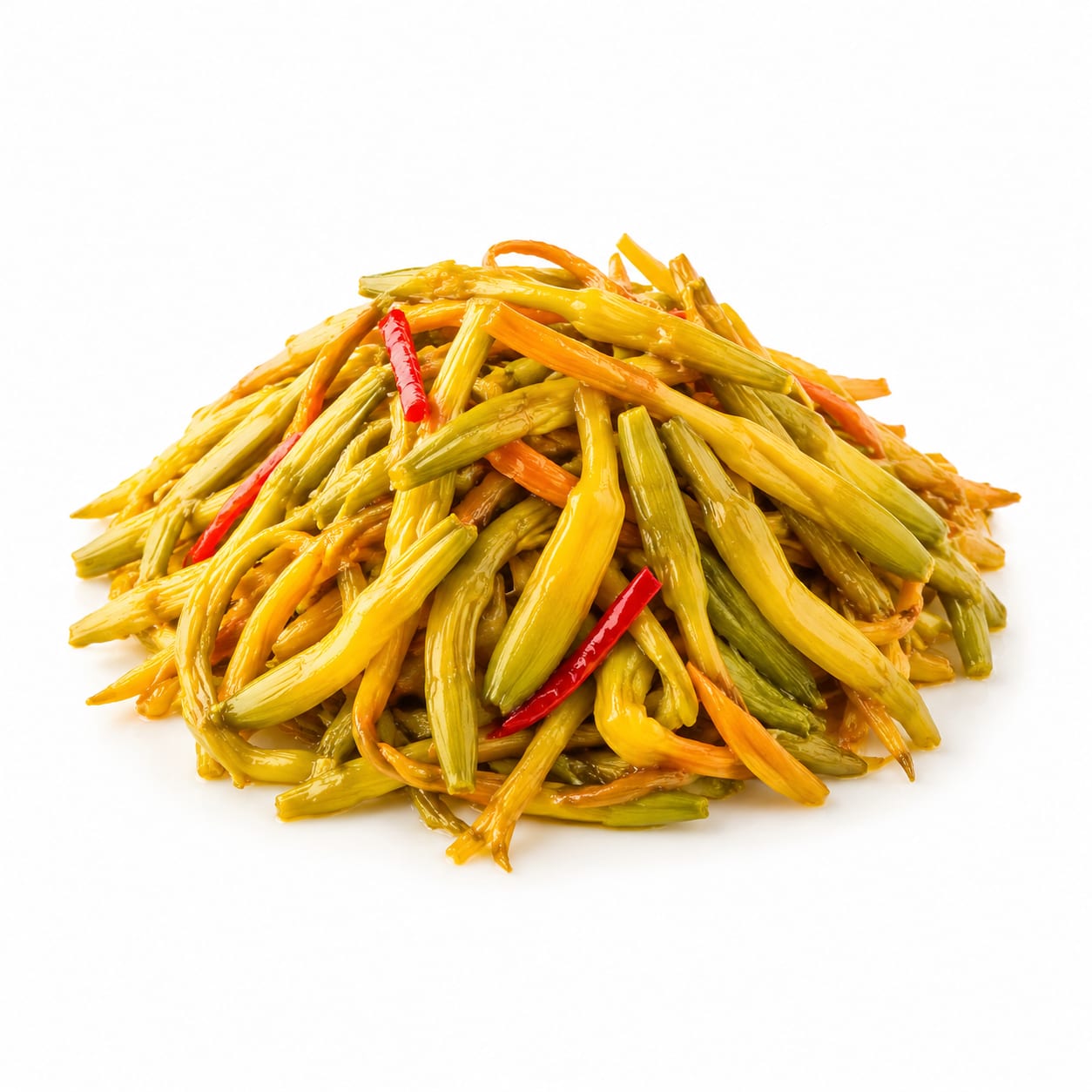
Daylily
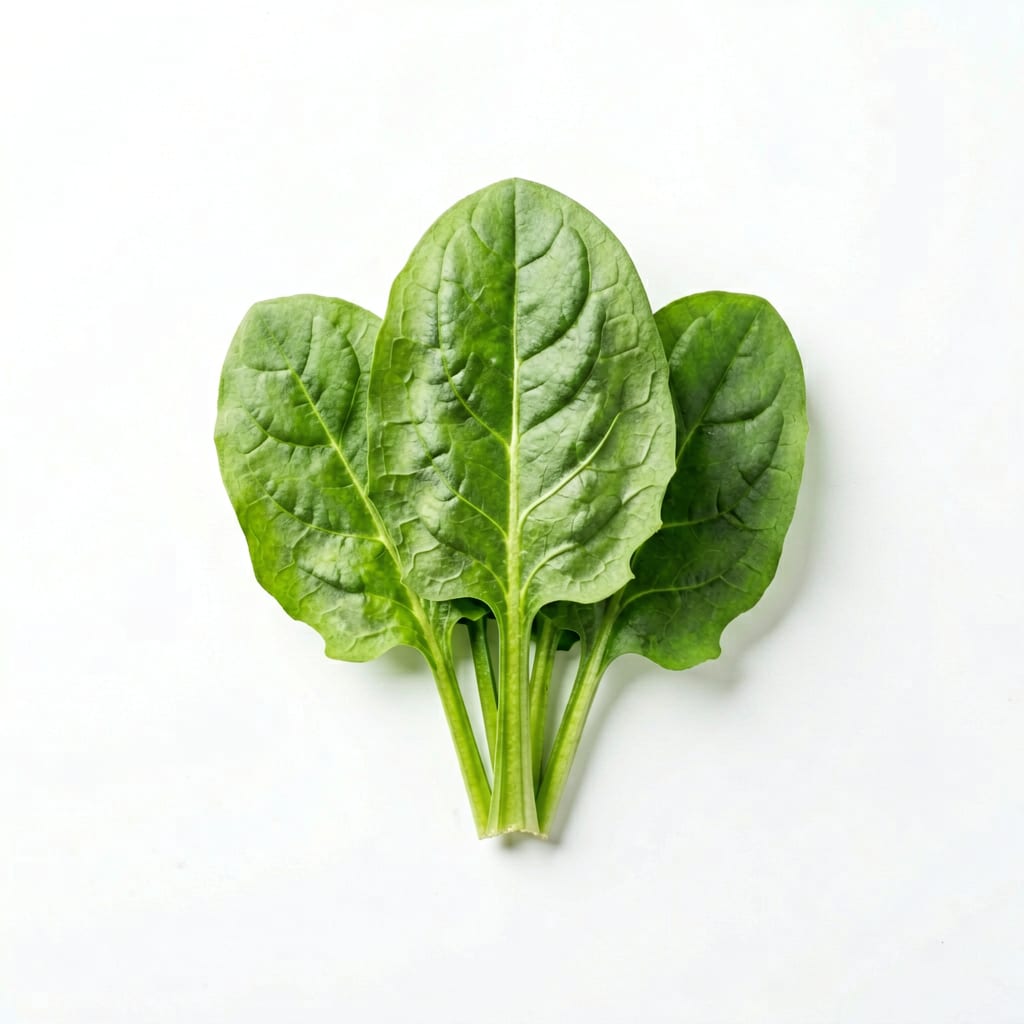
Spinach
Spinach is the safer, more practical, and more nutrient-dense choice for daily use. Daylily offers unique cultural and culinary value but demands careful preparation to avoid toxicity.
Spinach scores significantly higher due to superior safety profile, stronger evidence base, higher nutrient density, and everyday practicality. Daylily loses ground primarily on safety risks requiring specific preparation knowledge and limited availability.
Daylily provides interesting traditional flavor and potential calming properties, but requires toxin-awareness cooking. Spinach delivers reliable nutrition with minimal safety concerns.
At a glance
Executive summary
Overall
Spinach
Healthier
Spinach
More practical
Spinach
Daily use
Spinach
Key comparison lenses
safety and preparation requirements
Daylily contains toxic compounds when raw or improperly prepared, making safety the single most critical differentiator
nutrient density for daily greens
Users choosing between these are likely seeking a nutritious leafy green for regular consumption
oxalate and kidney stone risk
Both foods carry oxalate concerns but through different mechanisms, impacting susceptible individuals
culinary versatility and accessibility
Spinach is universally available and easy to use; daylily requires specialty sourcing and specific cooking knowledge
traditional medicinal vs proven nutrition
Daylily carries cultural medicine significance while spinach has stronger clinical evidence for health benefits
Best choice for
Daylily
- People exploring traditional Chinese cuisine who know proper preparation
- Those seeking a mildly calming, sleep-supportive food in traditional medicine contexts
- Culinary adventurers wanting unique texture and floral notes in soups and stir-fries
Spinach
- Anyone wanting a reliable daily green with proven nutritional benefits
- People managing blood pressure or bone density concerns
- Families needing a safe, versatile vegetable for everyday meals
Least suitable for
Daylily
- Children and pregnant women due to colchicine-like compound risks
- Anyone unfamiliar with proper daylily preparation techniques
- People with sensitive digestion or prone to food sensitivities
Spinach
- People with a history of calcium oxalate kidney stones
- Those on blood thinners like warfarin who must monitor vitamin K intake
Deep comparison
Dimension by dimension
Each lens scores both foods and breaks down who each option suits.
- Dimension 1 · Priority 95Spinach
safety_and_toxin_risk
Daylily · 35Spinach · 82Fresh daylily contains colchicine-like alkaloids that can cause serious gastrointestinal distress, vomiting, and even neurological symptoms if not properly detoxified through drying and thorough cooking.
Tradeoff
Daylily rewards careful traditional preparation with unique flavor, but one mistake can mean a painful night. Spinach is forgiving — even raw it poses minimal acute risk.
Why it matters
A food that can make you sick if slightly undercooked fundamentally changes how casually you can use it in meals.
Real-world impact
With spinach, you can grab a handful for a salad without thinking. With daylily, you must verify it is the correct species, properly dried or thoroughly boiled, and never consumed raw in quantity.
Daylily
- Experienced cooks who follow traditional preparation methods precisely
Better for
- Casual cooks who might skip or rush preparation steps
- Anyone foraging without expert identification skills
Worse for
Spinach
- Busy households needing safe food without special protocols
- Anyone cooking for children or vulnerable individuals
Better for
- People with severe oxalate sensitivity who still need to monitor intake
Worse for
- Dimension 2 · Priority 88Spinach
nutrient_density
Daylily · 58Spinach · 89Spinach delivers substantially more vitamin K, folate, iron, and magnesium per serving. Daylily offers decent vitamin A and some vitamin C but cannot match the breadth of micronutrients.
Tradeoff
Spinach is a nutritional powerhouse covering multiple vitamin and mineral bases simultaneously. Daylily is more of a specialty contributor than a foundational green.
Why it matters
If you are eating greens primarily to fill nutritional gaps, spinach does significantly more heavy lifting per bite.
Real-world impact
A single cup of cooked spinach covers over 800% of daily vitamin K needs and nearly half your folate. Daylily provides pleasant nutrition but not at those levels.
Daylily
- Adding variety to an already nutrient-rich diet
Better for
- Reliance as a sole leafy green for nutritional needs
Worse for
Spinach
- Serving as a primary daily green for broad micronutrient coverage
- Supporting bone health through vitamin K density
- Pregnant women needing folate
Better for
- Those who cannot tolerate high oxalate loads
Worse for
- Dimension 3 · Priority 82It depends
oxalate_burden
Daylily · 55Spinach · 40Both contain notable oxalates, but spinach is among the highest-oxalate foods commonly consumed. Daylily has moderate oxalate levels, though preparation methods can reduce them further.
Tradeoff
Spinach is worse for kidney stone formers, but daylily's other toxicity risks may outweigh its oxalate advantage for many people.
Why it matters
For the roughly 10-15% of people prone to calcium oxalate kidney stones, this is a daily decision factor, not a minor detail.
Real-world impact
If you have had a kidney stone, spinach can directly contribute to your next one. Daylily is moderately safer on oxalates but carries its own different risks.
Daylily
- Kidney stone formers who still want an occasional cooked green
Better for
- Anyone who assumes all traditional greens are automatically low-oxalate
Worse for
Spinach
- People without oxalate concerns who benefit from spinach's other nutrients
Better for
- Recurrent calcium oxalate kidney stone formers
Worse for
- Dimension 4 · Priority 78Spinach
culinary_versatility_and_accessibility
Daylily · 30Spinach · 92Spinach works raw in salads, blended in smoothies, sautéed as a side, folded into eggs, or baked into dishes. Daylily is primarily used dried in soups and stir-fries within specific Asian culinary traditions.
Tradeoff
Spinach adapts to virtually any cuisine or meal. Daylily brings a distinctive experience but fits a narrow culinary niche.
Why it matters
A food you can use ten ways gets eaten ten times more often than one that fits only one or two dishes.
Real-world impact
Spinach disappears into smoothies and pasta sauces effortlessly. Daylily requires a trip to an Asian grocery, rehydration time, and a recipe that suits its texture.
Daylily
- Home cooks specializing in Chinese or Taiwanese cuisine
- Those wanting a unique ingredient to impress at dinner parties
Better for
- Anyone without access to specialty Asian markets
Worse for
Spinach
- Meal preppers needing one green that works across multiple recipes
- Families with picky eaters who benefit from hidden vegetables
Better for
- Cooks who find spinach's slimy cooked texture unappealing
Worse for
- Dimension 5 · Priority 70Daylily
traditional_and_medicinal_value
Daylily · 80Spinach · 55Daylily has centuries of use in traditional Chinese medicine as a calming, sleep-promoting, and diuretic food. Spinach has some traditional use but is primarily valued for direct nutrition.
Tradeoff
Daylily offers cultural depth and potential calming properties that spinach simply does not claim. However, these benefits are less rigorously studied.
Why it matters
For people who value food-as-medicine traditions, daylily carries meaning and purpose beyond its nutrient profile.
Real-world impact
A warm bowl of daylily soup is traditionally served to new mothers and anxious individuals in Chinese culture. Spinach soup is just soup.
Daylily
- People who incorporate traditional Chinese medicine principles into their diet
- Those seeking foods traditionally associated with relaxation and sleep support
Better for
- Anyone who assumes traditional use equals proven efficacy
Worse for
Spinach
- Evidence-focused eaters who prefer clinically validated health claims
Better for
- Those looking for food with cultural and emotional significance beyond nutrition
Worse for
- Dimension 6 · Priority 72Spinach
digestive_tolerance
Daylily · 40Spinach · 70Properly prepared daylily is generally well-tolerated, but the margin for error is slim. Undercooked daylily can cause significant digestive distress. Spinach is gentle for most people when cooked.
Tradeoff
Spinach is predictably gentle on digestion for the majority. Daylily can be fine or can cause a very bad evening depending on preparation quality.
Why it matters
Digestive upset from food is not just uncomfortable — it erodes trust in healthy eating and makes you less likely to eat greens at all.
Real-world impact
Eat slightly undercooked daylily and you may experience nausea, abdominal pain, and diarrhea within hours. Slightly undercooked spinach just tastes chewy.
Daylily
- Those who have eaten it safely for years and have established tolerance
Better for
- First-time eaters who may not recognize proper preparation
- People with IBS or sensitive digestion
Worse for
Spinach
- People with sensitive stomachs who need predictable digestion
- Anyone recovering from gastrointestinal illness
Better for
- Those who experience bloating from high-fiber greens
Worse for
Timeline
Health impact over time
Short-term
Hours to days
Daylily
- Potential nausea, vomiting, or diarrhea if undercooked or consumed in large raw quantities
- Mild diuretic effect may increase urination
- Satisfying umami flavor can make meals more enjoyable when properly prepared
Spinach
- Quick boost in folate and iron intake after a single serving
- Raw spinach in salads provides immediate vitamin C and hydration
- Large raw amounts may cause temporary bloating in sensitive individuals
Long-term
Months to years
Daylily
- Consistent properly-prepared consumption may support mild calming and sleep quality based on traditional use
- Regular intake provides modest vitamin A and antioxidant contributions
- Ongoing risk if preparation habits become inconsistent over time
Spinach
- Sustained intake strongly supports bone density through exceptional vitamin K content
- Regular consumption associated with lower blood pressure due to natural nitrates
- Long-term high intake without calcium pairing may contribute to kidney stone formation in susceptible people
Risk profile
Safety & processing
Both are whole plant foods with minimal processing concerns. Dried daylily is simply dehydrated, and fresh or frozen spinach has no meaningful additives. The naturalness is equal — the difference is in safety knowledge, not processing.
Daylily
Colchicine-like alkaloid toxicity
highFresh daylily contains hemerocallin and colchicine-like compounds that cause gastrointestinal poisoning. Drying and thorough cooking significantly reduce but may not eliminate all risk. Never eat large quantities of fresh daylily.
Species misidentification
highNot all daylily species are equally edible. Foraging errors or mislabeled products could introduce more toxic varieties. Purchase from reputable sources only.
Allergic reactions
mediumSome individuals report contact dermatitis or oral allergy syndrome with daylily. First-time consumers should try small amounts.
Spinach
High oxalate content
mediumSpinach is among the top oxalate-containing foods. For kidney stone formers, regular consumption increases recurrence risk. Boiling and discarding water reduces oxalates significantly.
Pesticide residue
mediumSpinach consistently appears on the Environmental Working Group's Dirty Dozen list with frequent pesticide detections. Washing helps but does not remove all residues. Organic options reduce this concern.
Bacterial contamination
lowLike all leafy greens, raw spinach can carry E. coli or Salmonella. Pre-washed bagged spinach has been linked to outbreaks. Rinse thoroughly before eating.
Who wins for whom
Audience fit
Same foods, different winners depending on your goal.
children
SpinachChildren are more vulnerable to daylily's toxic compounds and less likely to report early symptoms of illness. Spinach is widely recognized as safe for children when served cooked or age-appropriately prepared.
daily consumption
SpinachSpinach can be eaten daily with minimal safety concerns and maximal nutritional benefit. Daily daylily consumption is uncommon, culturally unusual even in traditions that use it, and carries cumulative preparation risk.
diabetes
SpinachSpinach has near-zero impact on blood sugar and its magnesium content supports insulin sensitivity. Daylily is also low-glycemic but the preparation complexity makes consistent daily use harder.
elderly
SpinachOlder adults benefit enormously from spinach's vitamin K for bone health and folate for cognitive support. Daylily's toxicity risk is harder to manage with potential age-related changes in digestion and medication interactions.
muscle gain
SpinachNeither is a protein source, but spinach provides more iron and magnesium which support muscle function and recovery. Daylily's safety concerns make it less suitable as a frequent training diet component.
weight loss
SpinachSpinach is extremely low in calories, highly volumetric, and easy to add to any meal in large quantities. Daylily is typically used in smaller amounts as an ingredient rather than a bulk food.
Your move
Decision guide
Choose Daylily
- You are experienced with traditional Chinese cooking and know the proper drying and boiling techniques
- You want a unique ingredient for occasional special-occasion soups or stir-fries
- You are specifically seeking traditional calming foods and understand the preparation requirements
Choose Spinach
- You want a reliable daily green that covers multiple nutritional bases effortlessly
- You are cooking for children, elderly family members, or anyone vulnerable to foodborne risks
- You need one versatile green that works in smoothies, salads, sautés, and baked dishes
- You have no experience with daylily preparation and want to avoid the learning curve risk
Either works if
- You enjoy rotating different greens for variety and can manage daylily as an occasional treat alongside regular spinach
- Neither is a staple and you simply want to add more plant diversity to your week
Avoid both if
- You form calcium oxalate kidney stones and need low-oxalate greens like kale or bok choy instead
- You are on warfarin and cannot manage the vitamin K fluctuations from daily spinach or the unpredictable intake from occasional daylily
Final recommendation
Make spinach your everyday green. It is safer, more nutritious, and dramatically easier to use. Treat daylily as a specialty ingredient for occasional traditional dishes when you have the knowledge and patience to prepare it correctly. If you have never cooked daylily, learn from someone experienced before attempting it alone.
Practical
Consumer tips
- 1
If you choose daylily, always buy dried rather than fresh — the drying process significantly reduces toxic alkaloid content
- 2
Boil daylily thoroughly and discard the cooking water before adding to dishes — never use the boiling liquid as stock
- 3
For spinach, boiling and draining the water removes 40-70% of oxalates if kidney stones are a concern, though some water-soluble vitamins are also lost
- 4
Buy organic spinach when possible to reduce pesticide exposure, especially if you eat it frequently
- 5
If trying daylily for the first time, eat only a small portion and wait several hours to assess tolerance before having more
- 6
Pair spinach with a vitamin C source like lemon juice to improve iron absorption from its non-heme iron
- 7
Never forage wild daylily unless you are with an expert — toxic lookalikes exist and misidentification is dangerous