
Nutrition comparison
Daylily vs Shiitake Mushrooms: Safety, Nutrition, and Which to Choose
Compare daylily and shiitake mushrooms on safety, immune benefits, heart health, and everyday practicality. Learn which functional food is better for your goals.
Overall winner · Shiitake Mushrooms
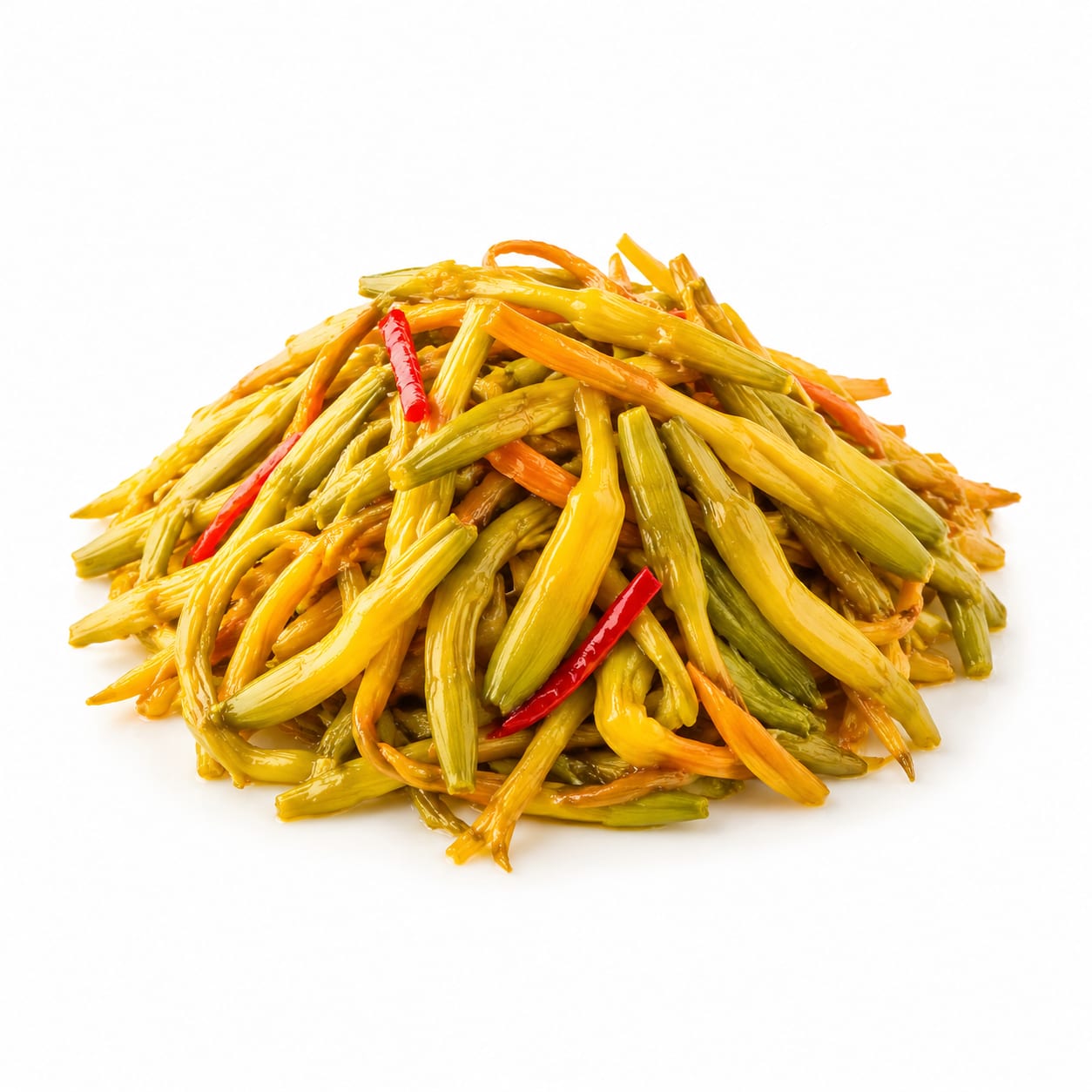
Daylily
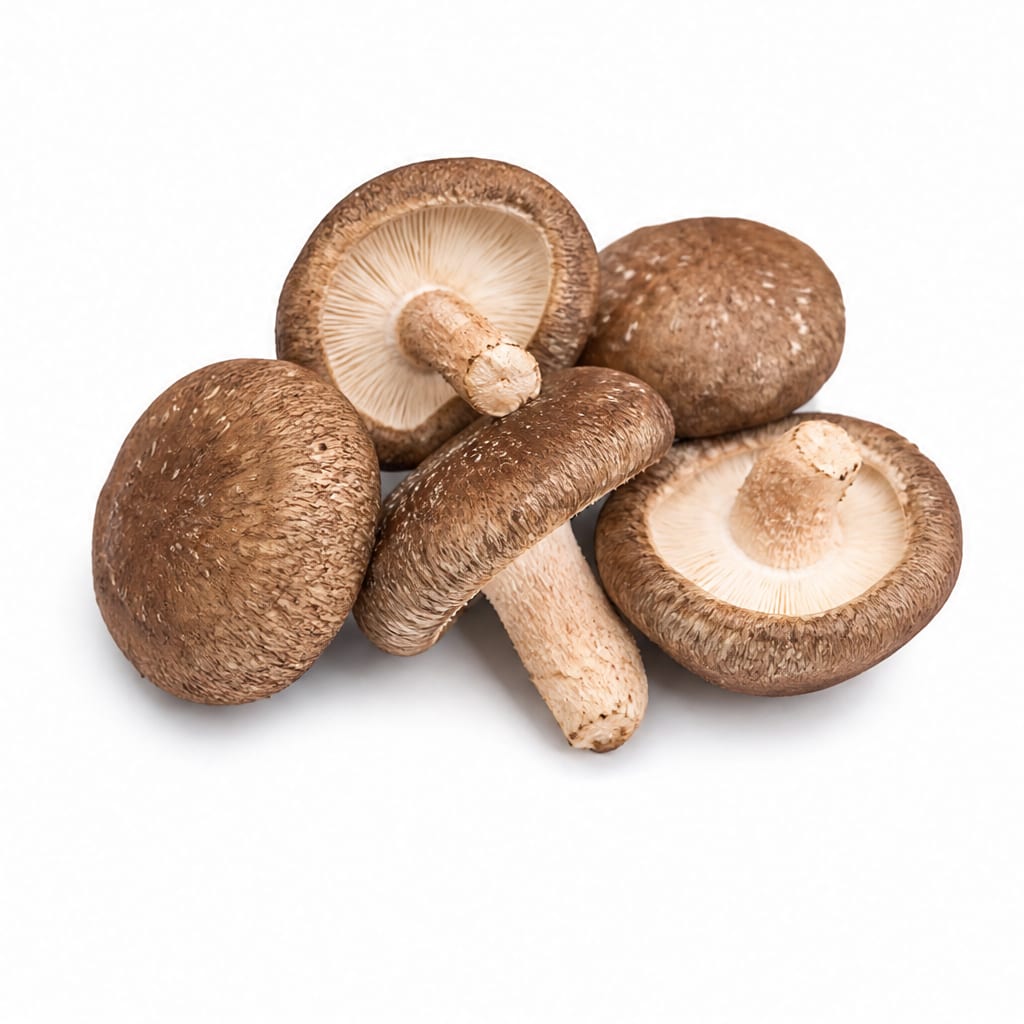
Shiitake Mushrooms
Shiitake mushrooms offer stronger nutritional benefits with far fewer safety concerns, making them the more practical and reliable choice for regular use.
Shiitake mushrooms score significantly higher due to superior safety, stronger evidence for health benefits, and everyday practicality. Daylily is not without merit, but its preparation demands and toxicity potential hold it back for general recommendation.
Daylily brings unique floral antioxidants and traditional medicine appeal, but demands careful preparation to avoid toxicity. Shiitake delivers consistent, well-researched benefits with minimal risk.
At a glance
Executive summary
Overall
Shiitake Mushrooms
Healthier
Shiitake Mushrooms
More practical
Shiitake Mushrooms
Daily use
Shiitake Mushrooms
Key comparison lenses
safety and preparation requirements
Daylily contains colchicine-like compounds that require careful cooking; shiitake is much safer with basic cooking
immune and longevity benefits
Shiitake's beta-glucans are well-studied for immunity; daylily has antioxidants but less clinical evidence
nutritional density for calorie
Both are low-calorie functional foods, but their micronutrient profiles serve different purposes
culinary versatility and accessibility
Shiitake is widely available globally; daylily is niche and often requires specialty stores
digestive tolerance
Both can cause digestive issues, but for different reasons and with different severity
Best choice for
Daylily
- People exploring traditional Chinese medicine approaches
- Home gardeners who grow their own edible daylilies
- Cooks seeking unique floral flavors in Asian soups
- Those wanting variety beyond common mushrooms
Shiitake Mushrooms
- Anyone seeking reliable immune support
- People wanting heart-health benefits from food
- Home cooks wanting a versatile umami ingredient
- Those new to functional foods who want something safe and proven
Least suitable for
Daylily
- People unfamiliar with proper daylily preparation techniques
- Anyone with sensitivity to colchicine or similar compounds
- Children and pregnant women due to toxicity risk if undercooked
- Those wanting a grab-and-cook ingredient without special steps
Shiitake Mushrooms
- People with known shiitake dermatitis sensitivity
- Those allergic to mushrooms or fungal proteins
- Individuals on severe low-purine diets due to gout concerns
Deep comparison
Dimension by dimension
Each lens scores both foods and breaks down who each option suits.
- Dimension 1 · Priority 95Shiitake Mushrooms
safety_and_preparation_ease
Daylily · 35Shiitake Mushrooms · 88Daylily requires blanching and water changes to remove toxic compounds; shiitake just needs basic cooking.
Tradeoff
Daylily rewards careful traditional preparation with unique nutrients, but one shortcut can cause real illness.
Why it matters
If you are tired or rushed, skipping daylily prep steps is genuinely dangerous. Shiitake forgives imperfect cooking.
Real-world impact
A rushed weeknight dinner with undercooked daylily can mean nausea and diarrhea. Shiitake rarely causes problems even slightly undercooked.
Daylily
- Adventurous cooks who enjoy traditional preparation rituals
Better for
- Anyone prone to taking shortcuts in the kitchen
- Households with children who might snack on raw ingredients
Worse for
Shiitake Mushrooms
- Busy households needing safe quick-cooking ingredients
- Beginners learning to cook with functional foods
Better for
- People with specific mushroom allergies
Worse for
- Dimension 2 · Priority 88Shiitake Mushrooms
immune_system_support
Daylily · 52Shiitake Mushrooms · 90Shiitake's lentinan and beta-glucans have robust clinical backing for immune modulation. Daylily offers antioxidants but with weaker evidence.
Tradeoff
Shiitake is a daily immune ally with proven compounds. Daylily is more of a seasonal antioxidant boost.
Why it matters
If you are choosing a functional food specifically to stay healthy through cold season, shiitake delivers more reliably.
Real-world impact
Regular shiitake consumption is linked to fewer sick days and better immune markers. Daylily may help, but the evidence is thinner.
Daylily
- Those already eating a varied diet who want additional antioxidant diversity
Better for
- Those relying on a single food for immune defense
Worse for
Shiitake Mushrooms
- People prone to frequent colds or infections
- Older adults wanting evidence-based immune support
- Anyone recovering from illness
Better for
- People with autoimmune conditions who need to avoid immune stimulants
Worse for
- Dimension 3 · Priority 82Shiitake Mushrooms
heart_health_and_cholesterol
Daylily · 48Shiitake Mushrooms · 85Shiitake contains eritadenine, which actively helps lower cholesterol. Daylily has fiber and antioxidants but no targeted cholesterol-lowering compound.
Tradeoff
Shiitake works directly on cholesterol pathways. Daylily supports cardiovascular health indirectly through general antioxidant activity.
Why it matters
For people managing cholesterol through diet, shiitake is one of the most effective whole foods available.
Real-world impact
Eating shiitake regularly can meaningfully improve cholesterol panels over months. Daylily's heart benefits are plausible but unproven.
Daylily
- Those wanting general cardiovascular antioxidant coverage
Better for
- Those needing targeted cholesterol management
Worse for
Shiitake Mushrooms
- People with elevated LDL cholesterol
- Those trying to reduce statin dependency through diet
- Anyone with family history of heart disease
Better for
- People already on cholesterol medication should consult their doctor about interactions
Worse for
- Dimension 4 · Priority 78Shiitake Mushrooms
nutrient_density_per_calorie
Daylily · 62Shiitake Mushrooms · 80Both are low-calorie, but shiitake packs more B vitamins, selenium, copper, and vitamin D. Daylily offers more vitamin A and vitamin C.
Tradeoff
Shiitake covers more essential mineral bases. Daylily shines more on the vitamin side, especially vitamin A.
Why it matters
If you are eating one of these as a daily functional food, shiitake fills more nutritional gaps per bite.
Real-world impact
A serving of shiitake covers meaningful portions of your B-vitamin and selenium needs. Daylily contributes more to vitamin A intake.
Daylily
- Those specifically wanting to boost vitamin A intake
- People needing more vitamin C from food sources
Better for
- Those relying on it as a primary mineral source
Worse for
Shiitake Mushrooms
- Vegetarians needing B-vitamin support
- People low in selenium or copper
- Those wanting plant-based vitamin D from UV-exposed shiitake
Better for
- People looking for significant vitamin A or C contributions
Worse for
- Dimension 5 · Priority 75Shiitake Mushrooms
digestive_tolerance
Daylily · 40Shiitake Mushrooms · 72Daylily causes digestive distress more frequently, especially if undercooked. Shiitake is gentler but can trigger issues in sensitive people.
Tradeoff
Daylily's risk is higher and more severe. Shiitake's risk is lower and usually milder.
Why it matters
If you have a sensitive stomach, daylily is a gamble. Shiitake is safer but not risk-free.
Real-world impact
Undercooked daylily can cause vomiting and diarrhea within hours. Shiitake may cause mild bloating in some people, and rare skin reactions in others.
Daylily
- Those with iron stomachs who follow traditional prep methods carefully
Better for
- Anyone with IBS or sensitive digestion
- People who have reacted to colchicine-like compounds before
Worse for
Shiitake Mushrooms
- People with sensitive digestion
- Those introducing functional foods gradually
Better for
- Those who have experienced shiitake dermatitis
- People with severe mushroom intolerance
Worse for
- Dimension 6 · Priority 72Shiitake Mushrooms
culinary_versatility_and_access
Daylily · 38Shiitake Mushrooms · 90Shiitake is available in nearly every grocery store and works in stir-fries, soups, pasta, and more. Daylily is niche and mostly found dried in Asian markets.
Tradeoff
Shiitake fits seamlessly into most cuisines. Daylily is a specialty ingredient that limits your recipe options.
Why it matters
The best functional food is the one you actually eat regularly. Shiitake makes that easy.
Real-world impact
You can find shiitake at any supermarket and use it five ways this week. Daylily requires a specialty store trip and specific recipe knowledge.
Daylily
- Experienced cooks exploring Chinese or Korean traditional recipes
- People with home gardens growing edible daylily varieties
Better for
- People without access to Asian grocery stores
- Those wanting weeknight-friendly ingredients
Worse for
Shiitake Mushrooms
- Home cooks wanting an easy umami boost
- Those who shop at regular grocery stores
- Anyone wanting to add functional foods without recipe overhaul
Better for
- Cooks specifically seeking floral flavor profiles
Worse for
Timeline
Health impact over time
Short-term
Hours to days
Daylily
- Can cause nausea, vomiting, or diarrhea if not properly blanched and drained
- Provides a noticeable vitamin C and antioxidant boost when prepared correctly
- Mild diuretic effect may reduce bloating in some people
Shiitake Mushrooms
- Quick umami satisfaction that makes meals more filling and flavorful
- Mild immune-stimulating effect noticeable within days of regular consumption
- Rare but possible shiitake dermatitis skin reaction if eaten raw or undercooked
Long-term
Months to years
Daylily
- Consistent antioxidant intake may support cellular aging defense
- Traditional medicine suggests blood-purifying and calming effects, though evidence is limited
- Repeated exposure to improperly prepared daylily could stress the digestive system
Shiitake Mushrooms
- Regular consumption associated with improved cholesterol and cardiovascular markers
- Beta-glucan intake supports sustained immune resilience over months and years
- Ergothioneine accumulation may protect against neurodegenerative decline
Risk profile
Safety & processing
Both foods are whole and minimally processed in their natural forms. Dried daylily buds and dried shiitake are simply dehydrated without additives. Fresh versions of both are as natural as it gets.
Daylily
Colchicine-like toxin exposure
highFresh daylily contains compounds similar to colchicine that cause gastrointestinal distress. Must be blanched with water changes to remove. Never eat raw.
Misidentification with toxic lily species
highNot all lilies are edible. Confusing daylily with toxic ornamental lilies can cause severe poisoning. Only consume verified Hemerocallis species.
Sulfur dioxide in dried products
mediumSome commercially dried daylily buds are treated with sulfur dioxide as a preservative, which can trigger reactions in sensitive individuals.
Shiitake Mushrooms
Shiitake dermatitis
mediumA whip-like skin rash can occur in some people who eat raw or undercooked shiitake. Cooking eliminates the lentinan compound responsible.
Purine content and gout
lowShiitake contains moderate purines. People with severe gout may need to limit intake, though cooking reduces purine levels somewhat.
Allergic reactions
lowMushroom allergies exist and can range from mild oral allergy to anaphylaxis. Rare but possible.
Who wins for whom
Audience fit
Same foods, different winners depending on your goal.
children
Shiitake MushroomsShiitake is safer for children with simple cooking. Daylily's toxicity risk if undercooked makes it inappropriate for kids without strict supervision.
daily consumption
Shiitake MushroomsShiitake can be eaten daily without special preparation concerns. Daylily should be consumed more cautiously and less frequently due to residual compound concerns.
diabetes
Shiitake MushroomsShiitake has a lower glycemic impact and its fiber content helps steady blood sugar. Daylily's carbohydrate content is slightly higher and less predictable.
elderly
Shiitake MushroomsShiitake's immune support, bone-health minerals, and easy digestibility when cooked suit older adults well. Daylily's safety risks are harder to manage.
muscle gain
It dependsNeither is a significant protein source. Shiitake has slightly more protein per calorie, but both need pairing with protein-rich foods for muscle goals.
weight loss
Shiitake MushroomsShiitake is lower in calories per serving, more filling due to umami satisfaction, and easier to use as a meat substitute in meals.
Your move
Decision guide
Choose Daylily
- You are an experienced cook familiar with traditional Chinese preparation methods
- You grow your own verified edible daylily varieties and know how to process them
- You want to diversify your antioxidant sources beyond common mushrooms
- You are specifically following traditional Chinese medicine dietary protocols
Choose Shiitake Mushrooms
- You want a safe, reliable functional food you can eat daily
- You are focused on immune support, heart health, or cholesterol management
- You value convenience and grocery store accessibility
- You are cooking for a family and need ingredients that forgive imperfect preparation
- You are new to functional foods and want something proven and approachable
Either works if
- You enjoy rotating different functional foods for nutrient diversity
- You are comfortable cooking both and want variety in your weekly meals
- You are generally healthy and just want to add more plant-based foods
Avoid both if
- You have severe mushroom or lily allergies
- You are on immunosuppressant medications and need to avoid immune-stimulating foods
- You have acute gout flares and need to restrict purine intake strictly
Final recommendation
For most people, shiitake mushrooms are the clearly better choice. They deliver more proven health benefits, require less careful preparation, and are far easier to find and cook with. Daylily is a fascinating traditional ingredient worth exploring if you are an experienced cook who can manage its safety requirements, but it should not be your daily functional food. Think of shiitake as your reliable daily driver and daylily as an occasional specialty ingredient for when you want something different.
Practical
Consumer tips
- 1
If cooking daylily, always blanch fresh buds in boiling water for at least 2 minutes, discard the water, and rinse before using in recipes
- 2
Never eat daylily raw, and never assume any lily in your garden is edible without verified identification
- 3
Dried shiitake mushrooms can be reconstituted in warm water for 20 minutes and the soaking liquid makes excellent broth
- 4
UV-exposed shiitake mushrooms contain significantly more vitamin D, so look for packages that mention UV treatment or sun-drying
- 5
If buying dried daylily, check the ingredient list for sulfur dioxide if you are sensitive to sulfites
- 6
Start with small portions of either food if you have never tried them before, and observe how your body reacts over 24 hours
- 7
Store dried shiitake in an airtight container in a cool dark place and they will last over a year