
Nutrition comparison
Daylily vs Bok Choy: Safety, Nutrition, and Which Asian Green to Choose
Comparing Daylily and Bok Choy? Learn about the critical safety differences, nutritional profiles, and practical cooking considerations. Bok Choy is safer and easier for daily use, while Daylily offers unique traditional benefits with important preparation requirements.
Overall winner · Bok Choy
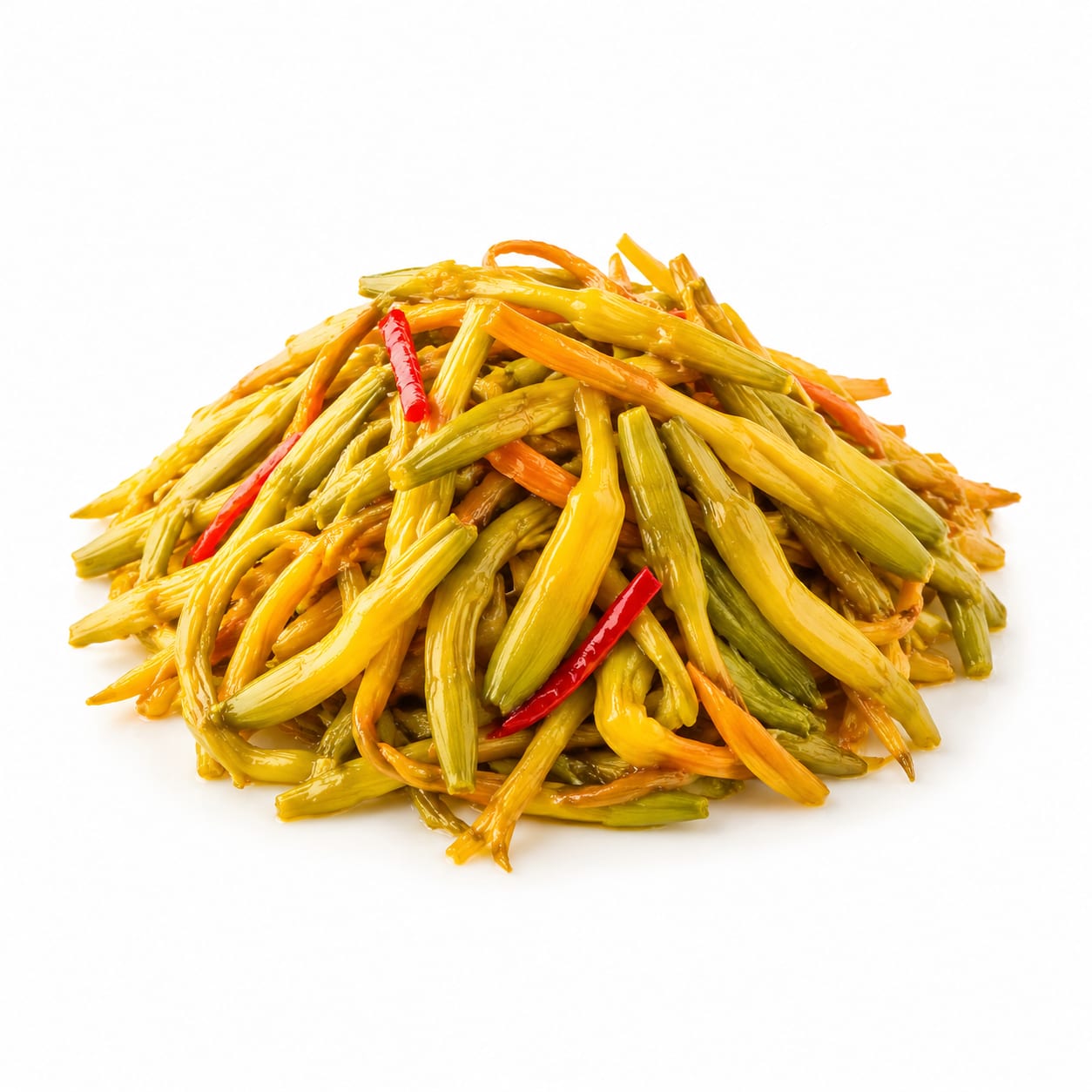
Daylily
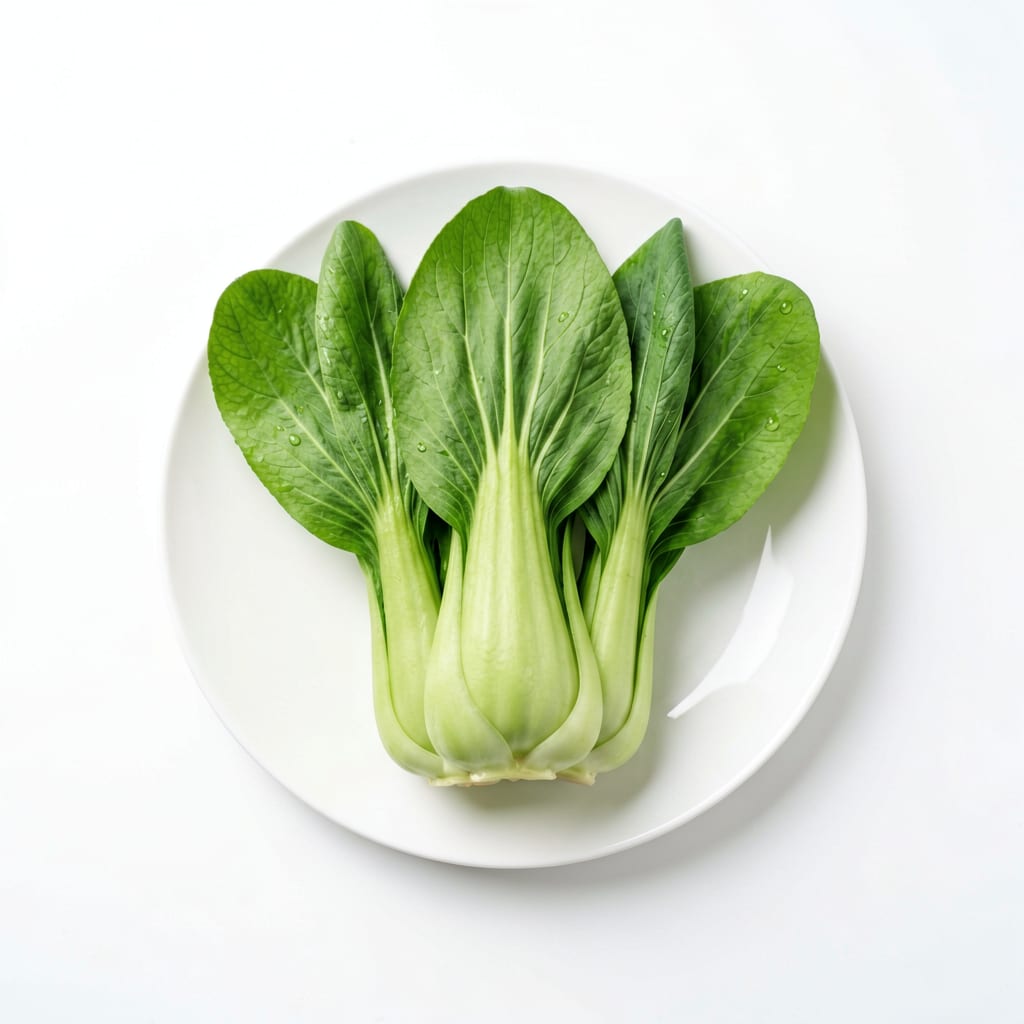
Bok Choy
Bok Choy wins for everyday safety, convenience, and reliable nutrition. Daylily offers unique traditional benefits but demands careful preparation to avoid toxicity.
Bok Choy scores significantly higher due to superior safety, convenience, and everyday reliability. Daylily's toxicity risk when improperly prepared and its limited availability pull its score down despite respectable nutritional value and cultural significance.
Daylily brings distinctive flavor and traditional medicinal value but carries real preparation risks. Bok Choy delivers consistent, worry-free nutrition with almost no learning curve.
At a glance
Executive summary
Overall
Bok Choy
Healthier
Bok Choy
More practical
Bok Choy
Daily use
Bok Choy
Key comparison lenses
safety and preparation requirements
Daylily contains colchicine-like compounds that are toxic when raw or improperly prepared, making safety the dominant concern in this comparison
everyday practicality and ease of use
Bok Choy is rinse-and-cook simple while Daylily requires soaking, boiling, and discarding water — a major convenience gap
nutrient density for daily vegetable intake
Both are nutrient-rich Asian vegetables but with very different vitamin and mineral profiles worth understanding
culinary tradition and availability
Bok Choy is a supermarket staple worldwide; Daylily is mostly found dried in Asian markets and requires familiarity to use
Best choice for
Daylily
- People experienced with traditional Chinese cooking techniques
- Those seeking traditional calming and sleep-supporting remedies
- Home cooks wanting to explore authentic regional Chinese dishes
- Anyone looking for a unique umami-rich ingredient in soups and stir-fries
Bok Choy
- Busy households wanting a quick, reliable vegetable side
- Parents feeding children who need safe, easy-to-prepare greens
- Anyone new to Asian cooking who wants a forgiving ingredient
- Daily vegetable rotation with minimal food safety concerns
Least suitable for
Daylily
- Children and pregnant women due to toxicity risks if undercooked
- Inexperienced cooks unfamiliar with proper daylily preparation
- Anyone seeking a grab-and-cook weeknight vegetable
- People with sensitive digestion who may react to residual compounds
Bok Choy
- Those specifically seeking the traditional medicinal properties of daylily
- Cooking authentic certain regional Chinese dishes that require golden needles
- Anyone looking for a dried, shelf-stable vegetable option
Deep comparison
Dimension by dimension
Each lens scores both foods and breaks down who each option suits.
- Dimension 1 · Priority 95Bok Choy
food_safety_and_toxicity_risk
Daylily · 35Bok Choy · 95Daylily contains colchicine-like alkaloids that cause nausea, vomiting, and diarrhea if consumed raw or undercooked. Bok Choy has virtually no toxicity concerns.
Tradeoff
Daylily rewards careful traditional preparation with unique flavor, but the consequences of a mistake are genuinely unpleasant and potentially serious.
Why it matters
A vegetable that can make you sick if you skip a step fundamentally changes your relationship with cooking it. Bok Choy never has this problem.
Real-world impact
One rushed evening with Daylily could mean hours of gastrointestinal distress. Bok Choy forgives almost any cooking shortcut.
Daylily
- Experienced cooks who follow traditional preparation methods precisely
Better for
- Novice cooks
- Households with kids who might snack on raw ingredients
- Anyone with a history of GI sensitivity
Worse for
Bok Choy
- Families with children
- Pregnant women
- Anyone who occasionally rushes dinner prep
- People with sensitive stomachs
Better for
- Dimension 2 · Priority 88Bok Choy
preparation_convenience
Daylily · 30Bok Choy · 90Bok Choy rinses and cooks in minutes. Dried Daylily needs soaking for 30+ minutes, then boiling with water discarded, before it is safe to eat.
Tradeoff
Daylily's multi-step preparation is a ritual that connects you to culinary tradition. Bok Choy's simplicity connects you to dinner faster.
Why it matters
When you are tired and hungry, a 3-minute vegetable beats a 45-minute process every time. Convenience determines what you actually cook.
Real-world impact
Bok Choy turns a bare fridge into a meal in under 10 minutes. Daylily requires planning ahead and dedicated prep time.
Daylily
- Weekend cooking projects
- Meal prep sessions where you are already soaking and boiling other ingredients
Better for
- Spontaneous cooking
- Quick lunch preparation
- Small kitchens with limited prep space
Worse for
Bok Choy
- Weeknight dinners
- Last-minute side dishes
- Meal prep beginners
- Anyone cooking while tired
Better for
- Dimension 3 · Priority 80Bok Choy
vitamin_and_mineral_density
Daylily · 65Bok Choy · 82Bok Choy delivers impressive vitamin A, C, K, calcium, and folate in very few calories. Daylily offers iron, phosphorus, and some B vitamins but a less complete micronutrient spread.
Tradeoff
Bok Choy is a more well-rounded nutrient source per bite. Daylily contributes iron and phosphorus but requires more volume to match Bok Choy's vitamin density.
Why it matters
When you eat a vegetable daily, the breadth of its micronutrient profile matters more than any single nutrient. Bok Choy covers more bases.
Real-world impact
A regular Bok Choy habit meaningfully boosts your calcium and vitamin K intake. Daylily adds iron but leaves nutritional gaps you need to fill elsewhere.
Daylily
- Those needing extra iron intake
- Traditional diets where daylily complements other nutrient sources
Better for
- Being relied on as a primary vegetable source
- Meeting calcium needs
Worse for
Bok Choy
- Bone health support through calcium and vitamin K
- Immune support from vitamins A and C
- Prenatal nutrition due to folate content
- Anyone eating a light, nutrient-dense diet
Better for
- Contributing significant iron
Worse for
- Dimension 4 · Priority 72It depends
antioxidant_and_bioactive_compounds
Daylily · 72Bok Choy · 75Bok Choy contains glucosinolates linked to cancer-fighting properties. Daylily offers unique flavonoids and phenolic compounds with traditional calming and anti-inflammatory uses.
Tradeoff
Bok Choy's glucosinolates have stronger clinical evidence. Daylily's bioactives are promising but mostly supported by traditional use rather than large-scale studies.
Why it matters
Both vegetables offer more than basic nutrition — they contain compounds that actively support health beyond vitamins and minerals.
Real-world impact
Regular Bok Choy consumption is linked to lower cancer risk in population studies. Daylily's calming reputation is real for many people but harder to quantify.
Daylily
- Traditional approaches to stress and sleep support
- Anti-inflammatory dietary patterns rooted in Chinese medicine
Better for
- Those wanting clinically validated bioactive benefits
Worse for
Bok Choy
- Evidence-based cancer risk reduction
- Long-term cellular protection through glucosinolates
Better for
- Those specifically seeking calming or sleep-supporting food compounds
Worse for
- Dimension 5 · Priority 68It depends
availability_and_shelf_stability
Daylily · 60Bok Choy · 78Bok Choy is available fresh in nearly every grocery store. Daylily is typically sold dried in Asian markets, giving it longer pantry life but far fewer places to buy it.
Tradeoff
Daylily wins on shelf stability — dried golden needles last months in your pantry. Bok Choy wins on accessibility — you can find it almost anywhere, anytime.
Why it matters
The best vegetable is one you can actually get. Availability determines whether an ingredient becomes a habit or a one-time experiment.
Real-world impact
Bok Choy is a staple you can count on wherever you shop. Daylily requires a specialty store trip or online order, which limits spontaneous use.
Daylily
- Stocking a pantry for weeks without grocery trips
- Rural areas with Asian markets but limited fresh produce
Better for
- Communities without Asian grocery stores
- Anyone unfamiliar with dried ingredient shopping
Worse for
Bok Choy
- Urban and suburban shoppers with regular grocery access
- People who prefer fresh over dried vegetables
- Anyone who shops at standard supermarkets
Better for
- Emergency pantry cooking when fresh produce has run out
Worse for
- Dimension 6 · Priority 65Bok Choy
digestive_tolerance
Daylily · 45Bok Choy · 85Bok Choy is gentle on most digestive systems. Daylily can cause GI upset even when properly prepared in sensitive individuals, and is risky when undercooked.
Tradeoff
Bok Choy is one of the most digestion-friendly cruciferous vegetables. Daylily sits heavier and carries residual risk regardless of preparation care.
Why it matters
A vegetable that hurts your stomach is a vegetable you stop eating. Tolerance determines long-term adherence.
Real-world impact
Bok Choy rarely causes complaints even among people who struggle with other cruciferous vegetables. Daylily has a reputation for causing issues in those with sensitive guts.
Daylily
- Those with robust digestion who tolerate it well
Better for
- Sensitive digestive systems
- People prone to bloating or GI upset
Worse for
Bok Choy
- People with IBS or sensitive digestion
- Older adults with more delicate stomachs
- Anyone introducing more vegetables gradually
Better for
Timeline
Health impact over time
Short-term
Hours to days
Daylily
- Potential nausea, vomiting, or diarrhea if undercooked due to colchicine-like alkaloids
- Mild calming effect traditionally associated with daylily consumption
- Satisfying umami flavor that enhances meal enjoyment when properly prepared
Bok Choy
- Immediate hydration boost from high water content
- Gentle digestive support without bloating in most people
- Quick nutrient delivery with virtually no risk of adverse reaction
Long-term
Months to years
Daylily
- Iron and phosphorus contribution to blood health and bone maintenance with regular consumption
- Traditional use suggests cumulative calming and sleep-supporting benefits
- Persistent risk of occasional GI episodes if preparation vigilance slips over time
Bok Choy
- Consistent calcium and vitamin K intake supporting bone density over decades
- Glucosinolate exposure linked to reduced cancer risk in long-term population studies
- Reliable, low-risk vegetable habit that is easy to maintain for years
Risk profile
Safety & processing
Both are whole, natural vegetables. Dried Daylily is dehydrated but contains no artificial additives. Bok Choy is typically sold fresh and unprocessed. Both are clean choices by any standard.
Daylily
Colchicine-like alkaloid toxicity from raw or undercooked consumption
highFresh daylily contains toxic alkaloids that cause nausea, vomiting, abdominal pain, and diarrhea. Proper preparation — soaking dried flowers, boiling thoroughly, and discarding cooking water — is essential. Never eat raw daylily.
Misidentification with toxic lily species
mediumNot all lily species are edible. Foraging errors or mislabeled products could introduce truly dangerous compounds. Purchase from reputable Asian grocery sources rather than foraging.
Sulfur dioxide residues in some dried products
lowSome commercially dried daylily products use sulfur dioxide as a preservative, which can trigger reactions in sensitive individuals. Look for unsulfured options when possible.
Bok Choy
Pesticide residue on conventional crops
lowBok Choy can carry pesticide residues like any leafy vegetable. Washing thoroughly or choosing organic reduces this minor concern.
Goitrogenic compounds when consumed raw in extreme quantities
lowCruciferous vegetables contain goitrogens that can interfere with thyroid function, but this only matters with very large raw intake. Normal cooked consumption is completely safe.
Who wins for whom
Audience fit
Same foods, different winners depending on your goal.
children
Bok ChoyBok Choy is safe, mild-flavored, and easy to prepare correctly. Daylily's toxicity risk when undercooked makes it inappropriate for children who might eat ingredients before cooking is complete.
daily consumption
Bok ChoyBok Choy can be eaten daily with zero safety concerns and minimal effort. Daylily requires ongoing preparation vigilance that makes daily use impractical and unnecessarily risky.
diabetes
Bok ChoyBok Choy has an exceptionally low glycemic load and provides steady fiber. Daylily is also low-glycemic but its carbohydrate content is slightly higher per serving when rehydrated.
elderly
Bok ChoyBok Choy is gentle on digestion, rich in bone-supporting calcium and vitamin K, and requires minimal preparation effort. Daylily's GI risk and prep complexity make it less suitable for older adults.
muscle gain
It dependsNeither vegetable is a significant protein source. Both serve as complementary sides to protein-rich meals. Daylily offers slightly more iron which supports oxygen delivery to muscles.
weight loss
Bok ChoyBok Choy is extremely low in calories, high in water and fiber, and easy to eat in large volumes. Daylily is also low-calorie but the preparation burden makes consistent use harder.
Your move
Decision guide
Choose Daylily
- You are experienced with traditional Chinese cooking and confident in proper preparation techniques
- You want a unique pantry-stable ingredient for authentic Chinese soups and stir-fries
- You are specifically interested in the traditional calming and sleep-supporting properties of daylily
- You enjoy the ritual of soaking and preparing dried ingredients
Choose Bok Choy
- You want a reliable, safe vegetable you can cook any night without special steps
- You are feeding children, elderly family members, or anyone with sensitive digestion
- You are building a daily vegetable habit and need something easy to stick with
- You shop at regular grocery stores and want immediate availability
- You are new to Asian cooking and want a forgiving starting point
Either works if
- You want to add more Asian vegetables to your diet and enjoy variety
- You are cooking a Chinese meal and could use either as a complementary side
- You value traditional food culture and want to explore different ingredients over time
Avoid both if
- You have a specific allergy to plants in the lily or brassica family
- You are looking for a high-protein food source rather than a vegetable side
Final recommendation
Make Bok Choy your everyday green. It is safe, simple, and nutrient-dense with almost no downside. Keep dried Daylily as a specialty ingredient for weekends or traditional recipes when you have time to prepare it properly. The safety gap between these two is real and should shape your default choice.
Practical
Consumer tips
- 1
If cooking Daylily, always soak dried flowers for at least 30 minutes, boil thoroughly, and discard the cooking water before adding to dishes
- 2
Never eat fresh or raw Daylily — the toxicity risk is serious and well-documented
- 3
Buy Daylily from reputable Asian grocery stores rather than foraging, since misidentification with toxic lily species is a real danger
- 4
Look for unsulfured dried Daylily to avoid potential sulfur dioxide sensitivity reactions
- 5
Bok Choy cooks in 3-5 minutes — just halve, rinse, and stir-fry or steam for an effortless side
- 6
Store Bok Choy in a plastic bag in the crisper drawer and use within 5-7 days for best quality
- 7
Both vegetables pair beautifully with garlic, ginger, and soy sauce — keep these staples on hand
- 8
If you are new to Daylily, try a small amount first to test your digestive tolerance before making it a regular ingredient