
Nutrition comparison
Daylily vs Bamboo Shoots: Nutrition, Safety, and Taste Compared
Discover the nutritional differences, safety concerns, and best uses for Daylily vs Bamboo Shoots. Learn which high-fiber vegetable is right for your meals.
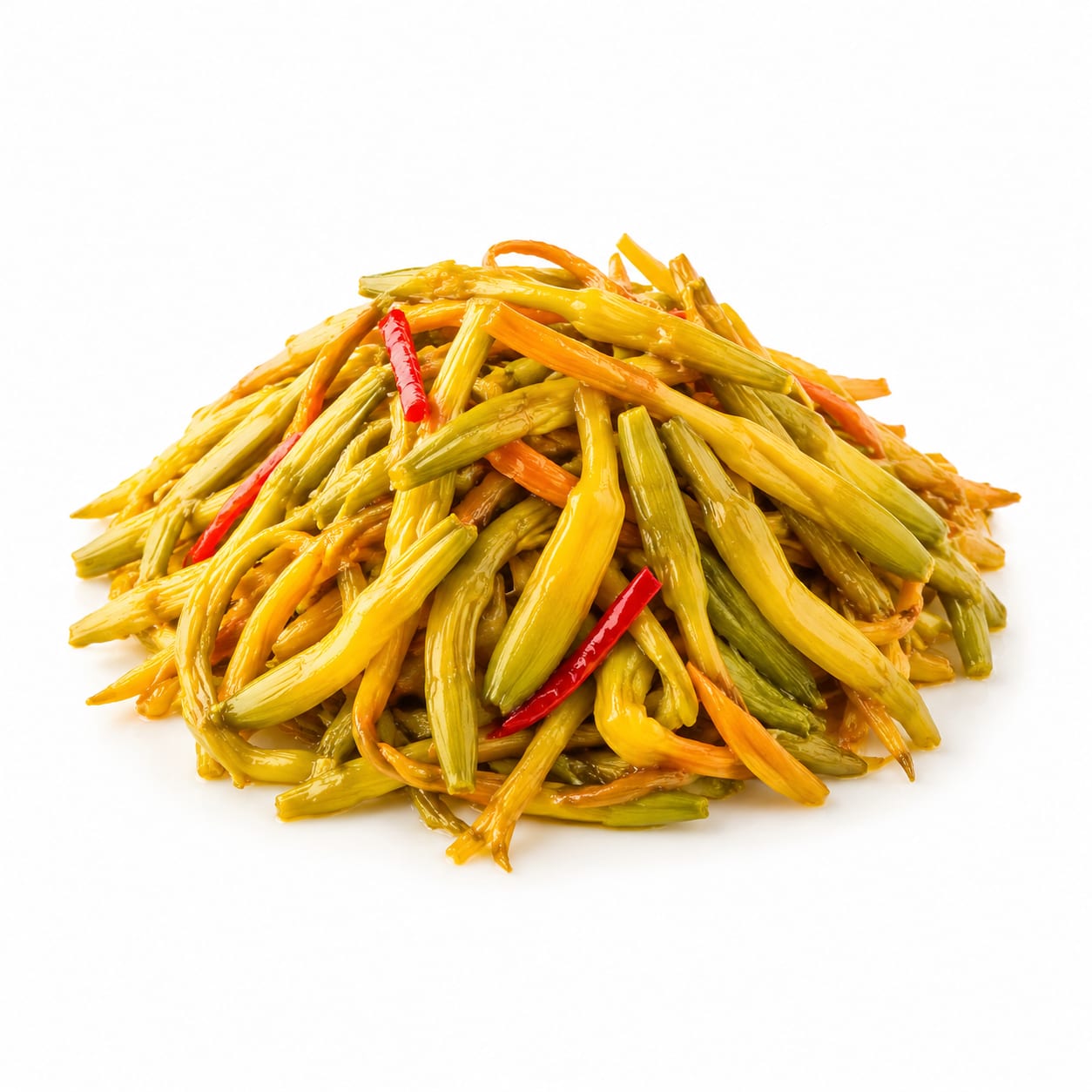
Daylily
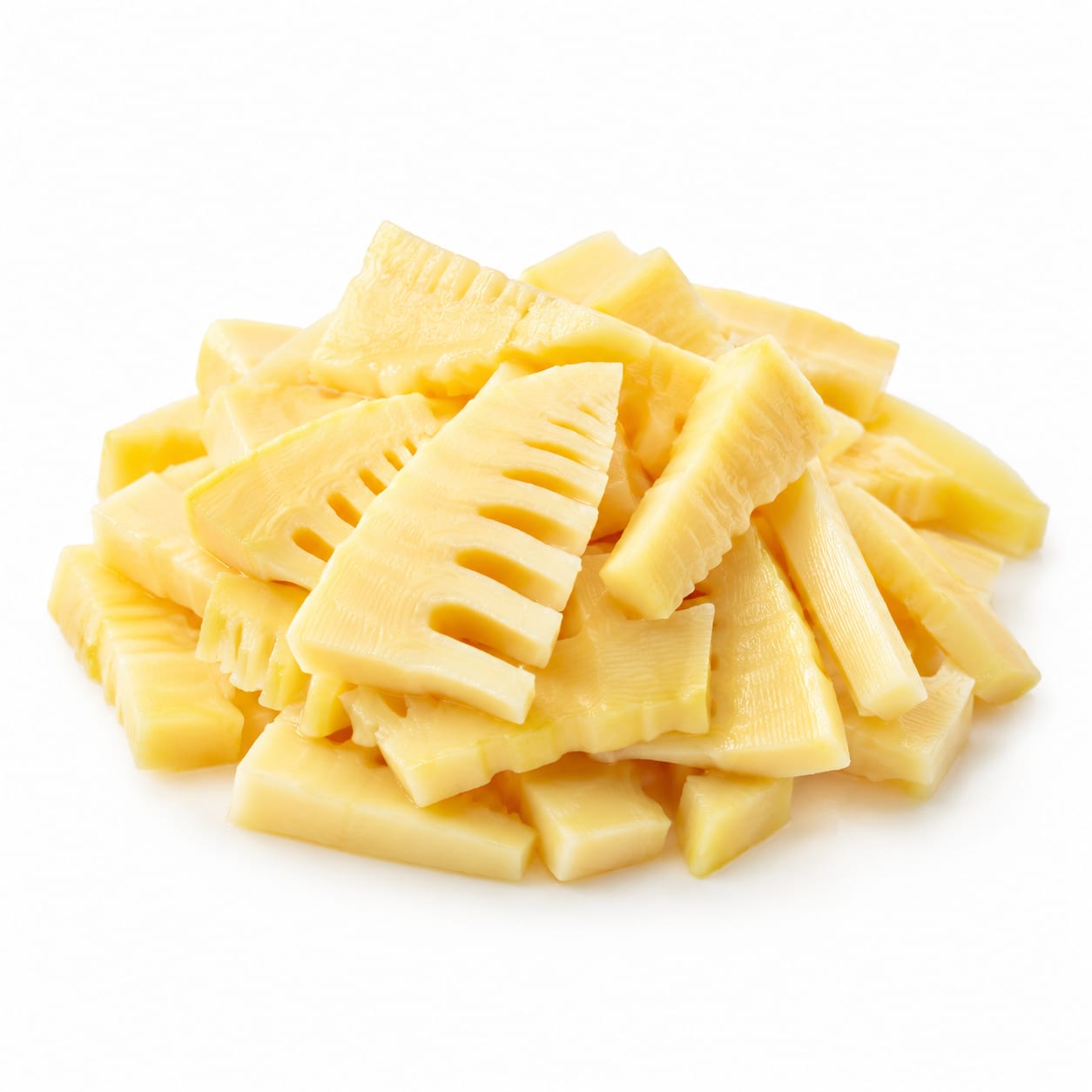
Bamboo Shoots
Both are low-calorie, high-fiber vegetables that demand careful cooking to remove natural toxins, but Bamboo Shoots are easier to find safely prepared, while Daylily offers a surprising iron boost.
Bamboo Shoots score slightly higher due to the widespread availability of safe canned versions and superior convenience, though Daylily wins on micronutrient density if properly prepared.
Daylily delivers more iron and a sweeter floral flavor but carries a higher risk if improperly prepared; Bamboo Shoots are widely available ready-to-eat in cans but offer fewer micronutrients.
At a glance
Executive summary
Overall
It depends
Healthier
It depends
More practical
Bamboo Shoots
Daily use
Bamboo Shoots
Key comparison lenses
Safety and proper preparation
Both foods contain natural toxins that must be neutralized through specific cooking methods, making safety the primary concern.
Weight management and satiety
Both are extremely low in calories and high in fiber, making them popular for appetite control.
Nutrient density and micronutrients
Users want to know which plant offers more vitamins and minerals per serving.
Convenience and culinary use
Availability of safe, pre-cooked versions heavily influences which food is more practical for everyday cooking.
Best choice for
Daylily
- People needing an iron boost
- Home cooks experienced with traditional Chinese preparation
- Those looking for a unique, slightly sweet flavor in soups and stir-fries
Bamboo Shoots
- People prioritizing weight loss and fullness
- Busy cooks who want a safe, ready-to-use canned option
- Fans of earthy, crunchy textures in curries and ramen
Least suitable for
Daylily
- Impatient cooks who skip boiling steps
- People unaware of fresh Daylily toxicity risks
- Those looking for a grab-and-go vegetable
Bamboo Shoots
- People highly sensitive to sodium from canned goods
- Those with severe thyroid issues (if consuming improperly cooked fresh shoots)
- Individuals who dislike earthy or woody flavors
Deep comparison
Dimension by dimension
Each lens scores both foods and breaks down who each option suits.
- Dimension 1 · Priority 95Bamboo Shoots
Safety and Toxin Removal
Daylily · 50Bamboo Shoots · 80Fresh Daylily contains colchicine-like alkaloids that cause severe nausea if undercooked, whereas fresh Bamboo Shoots contain cyanogenic glycosides that release cyanide; however, canned Bamboo Shoots bypass this danger entirely.
Tradeoff
Daylily requires strict boiling and soaking to be safe, while canned Bamboo Shoots are ready to eat, making Bamboo Shoots far less risky for the average consumer.
Why it matters
Eating either of these raw or undercooked can lead to serious food poisoning, so the availability of a safe, pre-cooked option is a major advantage.
Real-world impact
If you buy fresh Daylily, a rushed dinner prep could mean a trip to the hospital; canned Bamboo Shoots let you cook stress-free.
Daylily
- Experienced cooks who follow traditional prep methods
Better for
- Quick weeknight dinners
- People who skim recipe instructions
Worse for
Bamboo Shoots
- Anyone wanting guaranteed safety without extra prep
- Beginners cooking Asian cuisine at home
Better for
- Those who exclusively eat raw or fresh-picked produce
Worse for
- Dimension 2 · Priority 85Bamboo Shoots
Weight Management and Satiety
Daylily · 78Bamboo Shoots · 85Both are fantastic low-calorie, high-fiber choices, but Bamboo Shoots have slightly fewer calories per serving and a crunchier texture that promotes slower eating and better fullness cues.
Tradeoff
Daylily is very filling for soups, but Bamboo Shoots offer more physical chewing resistance, which helps you feel more satisfied with fewer calories.
Why it matters
Foods that take longer to chew and expand in the gut make sticking to a calorie deficit much easier.
Real-world impact
A bowl of ramen with Bamboo Shoots will keep you full for hours without breaking your calorie budget, acting as a natural appetite suppressant.
Daylily
- Light, comforting soups that feel soothing
Better for
- Meals where you want a substantial, chewy bite
Worse for
Bamboo Shoots
- Crunchy stir-fries that take time to chew
- Volume eating strategies
Better for
- Soft, comfort-food texture preferences
Worse for
- Dimension 3 · Priority 75Daylily
Nutrient Density
Daylily · 82Bamboo Shoots · 65Daylily is surprisingly rich in iron, Vitamin A, and Vitamin C, easily outshining Bamboo Shoots in the micronutrient department.
Tradeoff
You get more vitamins and minerals from Daylily, but you have to navigate the tedious preparation process to access them.
Why it matters
Iron is crucial for energy, and getting it from plant sources is a big win, especially for those avoiding red meat.
Real-world impact
Adding properly prepared Daylily to your diet can help fight afternoon fatigue and support better blood health over time.
Daylily
- Vegetarians needing plant-based iron
- Those wanting to boost Vitamin A for skin and eye health
Better for
- Situations where nutrient density doesn't justify the prep time
Worse for
Bamboo Shoots
- Getting basic fiber and potassium with zero effort
Better for
- Recovering from iron deficiency
Worse for
- Dimension 4 · Priority 70Bamboo Shoots
Convenience and Culinary Versatility
Daylily · 45Bamboo Shoots · 88Bamboo Shoots are a staple in canned form across Asian markets, ready to be tossed into any dish, while Daylily usually requires rehydrating and boiling before use.
Tradeoff
Daylily offers a unique sweet, slightly musky flavor that is hard to replicate, but Bamboo Shoots are a plug-and-play ingredient you can keep in your pantry for months.
Why it matters
Convenience often dictates what we actually eat on a busy Tuesday versus what we aspire to cook.
Real-world impact
You can whip up a quick curry with canned Bamboo Shoots in 15 minutes, whereas Daylily requires planning ahead to soak and boil.
Daylily
- Specialty dishes like Chinese hot and sour soup
- Traditional banquet cooking
Better for
- Spontaneous cooking sessions
Worse for
Bamboo Shoots
- Quick weeknight meals
- Pantry stocking and emergency meals
Better for
- Recipes specifically calling for a floral, delicate flavor
Worse for
Timeline
Health impact over time
Short-term
Hours to days
Daylily
- Severe nausea, vomiting, or diarrhea if fresh Daylily is undercooked due to colchicine-like compounds
- Quick satiety from high fiber content
Bamboo Shoots
- Dizziness or headache if raw fresh shoots are consumed due to cyanogenic glycosides
- Comfortable fullness without feeling heavy
Long-term
Months to years
Daylily
- Improved iron status and energy levels from consistent, safe consumption
- Better bowel regularity from insoluble fiber
Bamboo Shoots
- Easier weight maintenance due to extremely low calorie density
- Support for a healthy gut microbiome through steady fiber intake
Risk profile
Safety & processing
Dried Daylily is a simple dehydrated product with minimal additives, while canned Bamboo Shoots often contain added sodium and may be exposed to BPA in can linings, though fresh Bamboo Shoots are completely natural.
Daylily
Colchicine-like alkaloid poisoning
highFresh Daylily contains toxins that cause severe gastrointestinal distress. Must be boiled thoroughly, and the water discarded, before eating.
Sulfur dioxide preservatives
mediumDried Daylily is often treated with sulfur dioxide to maintain its bright golden color, which can trigger asthma in sensitive individuals.
Bamboo Shoots
Cyanogenic glycosides
highFresh Bamboo Shoots contain compounds that turn into cyanide when eaten raw. Must be boiled with the lid off to evaporate toxins.
High sodium and BPA exposure
mediumCanned Bamboo Shoots are high in added salt and may contain trace BPA from can linings, which is a concern for daily consumption.
Who wins for whom
Audience fit
Same foods, different winners depending on your goal.
children
Bamboo ShootsCanned Bamboo Shoots are safely prepared and easy to chew, whereas the high toxicity risk of improperly prepared Daylily makes it too risky for kids.
daily consumption
Bamboo ShootsRinsed canned Bamboo Shoots are safe and easy to add to daily meals, whereas Daylily is best reserved for occasional use due to preparation demands and potential sulfur preservatives.
diabetes
Bamboo ShootsBamboo Shoots have an exceptionally low glycemic index and carbohydrate count, making blood sugar management easier.
elderly
Bamboo ShootsCanned Bamboo Shoots are soft, safe, and require no complex prep, reducing the risk of foodborne illness for older adults.
muscle gain
It dependsNeither is a significant protein source, but Daylily provides more iron which supports oxygen delivery to muscles during workouts.
weight loss
Bamboo ShootsBamboo Shoots are slightly lower in calories and their crunchy texture naturally slows down eating, helping you feel full on fewer calories.
Your move
Decision guide
Choose Daylily
- You want to boost your iron intake naturally
- You are an experienced cook making traditional hot and sour soup
- You can source high-quality dried Daylily and have time to soak it properly
Choose Bamboo Shoots
- You want a low-effort, low-calorie crunch for your meals
- You are meal prepping and need safe, shelf-stable vegetables
- You love adding earthy texture to curries, ramens, or stir-fries
Either works if
- You need a high-fiber side dish to keep you regular
- You are looking for low-calorie volume to fill out a plate
Avoid both if
- You are unwilling to thoroughly boil fresh versions of either vegetable
- You have a highly sensitive digestive tract that struggles with insoluble fiber
Final recommendation
For most people, Bamboo Shoots are the more practical and safer daily choice, especially when bought canned. Save Daylily for special recipes where its unique flavor and iron boost truly shine, but always respect the required prep steps to avoid getting sick.
Practical
Consumer tips
- 1
Never eat fresh Daylily or Bamboo Shoots raw; always boil them thoroughly.
- 2
When buying dried Daylily, look for brands with no added sulfur dioxide, or soak them twice and rinse well before boiling.
- 3
Opt for canned Bamboo Shoots to skip the toxin-removal step, but always rinse them under cold water to remove excess sodium.
- 4
If boiling fresh Bamboo Shoots, leave the pot lid off so the cyanide gases can escape into the air.
- 5
Store leftover canned Bamboo Shoots in a glass container in the fridge to avoid BPA leaching from the opened can.