
Nutrition comparison
Daylily vs Green Beans: Safety, Nutrition, and Which to Choose
Compare daylilies and green beans on safety, nutrition, and everyday practicality. Learn why green beans are the safer daily choice and when daylilies are worth the extra care.
Overall winner · Green Beans
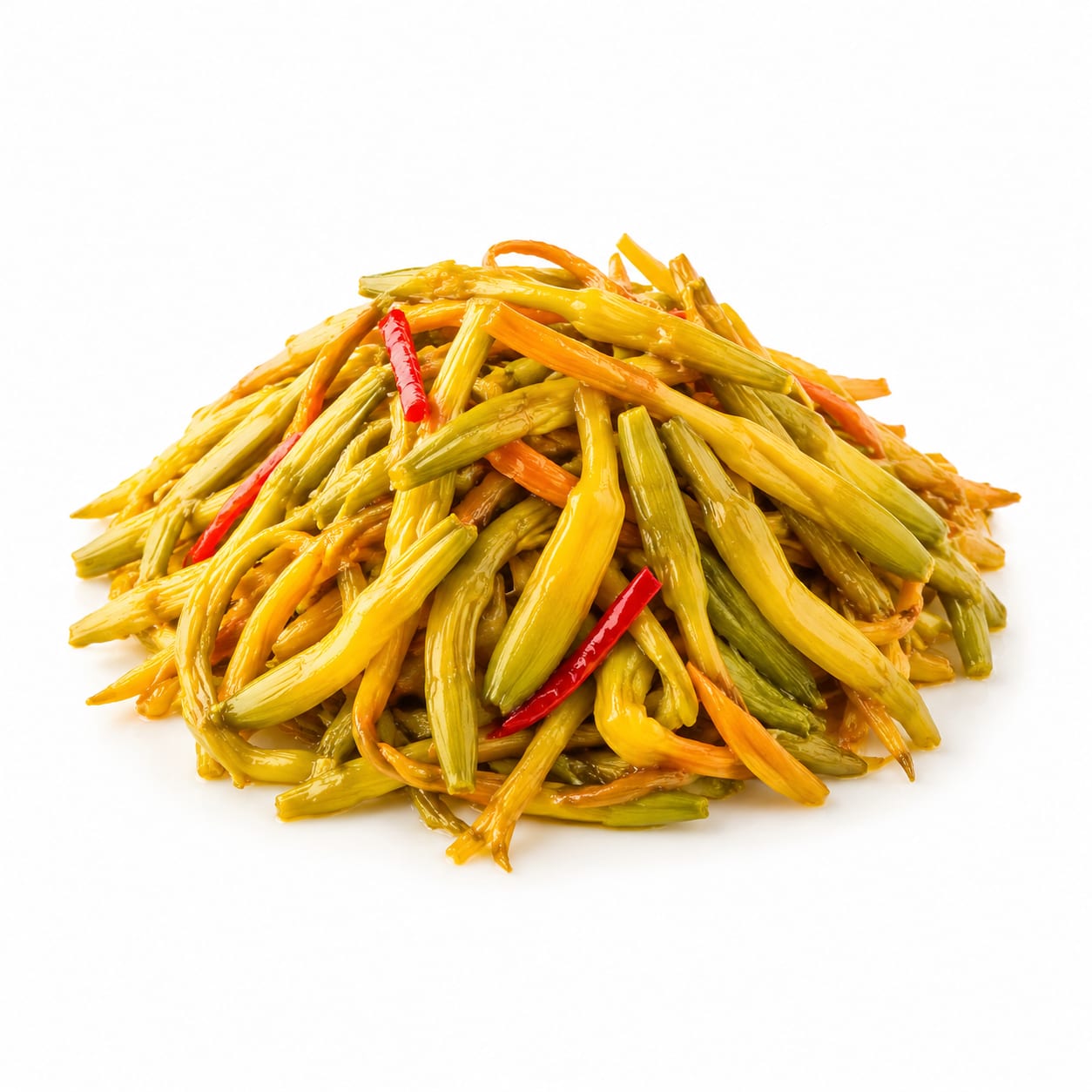
Daylily
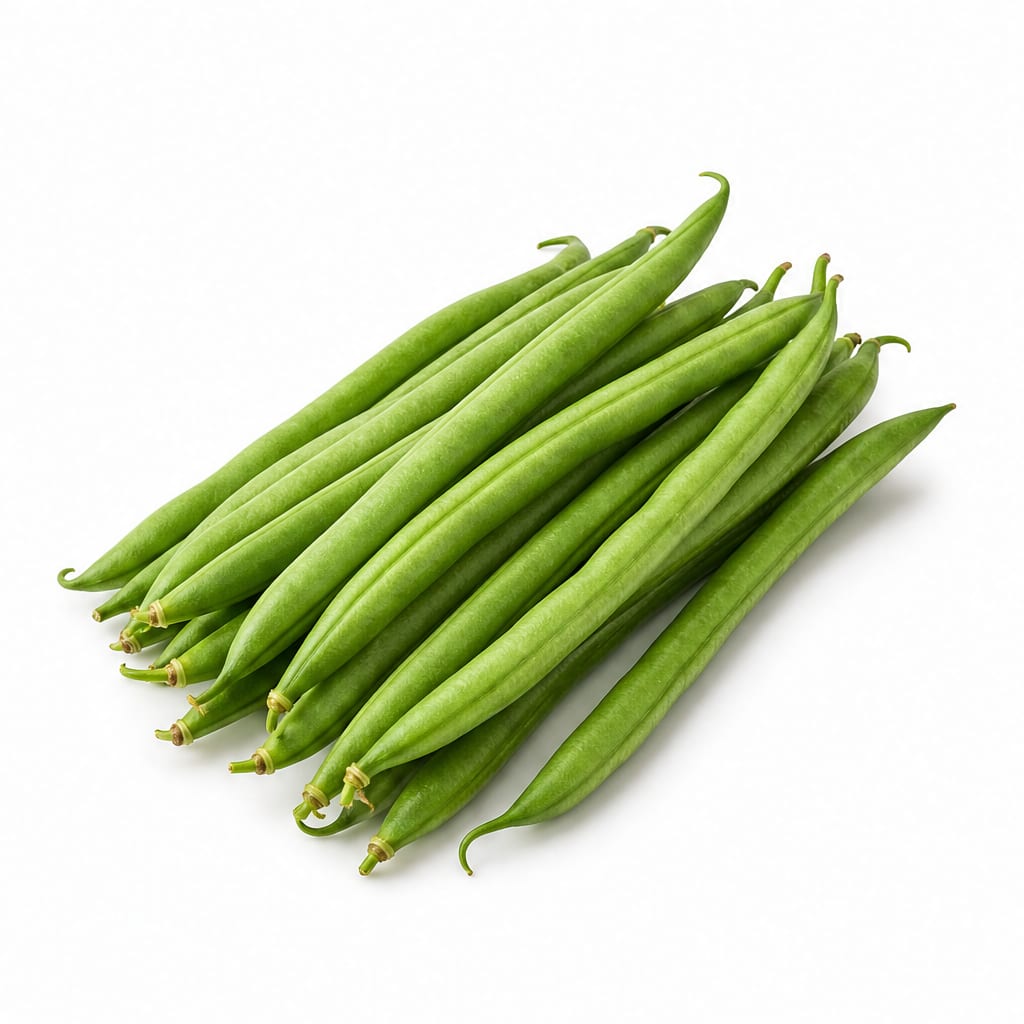
Green Beans
Green beans are the safer, more practical everyday vegetable, while daylilies offer unique culinary tradition but demand careful handling to avoid toxicity.
Green beans score significantly higher due to superior safety, accessibility, and consistent nutritional value. Daylilies are not inherently bad but their preparation demands and toxicity potential substantially lower everyday usability.
Daylilies bring cultural depth and a distinctive flavor, but green beans deliver reliable nutrition without the safety worries.
At a glance
Executive summary
Overall
Green Beans
Healthier
Green Beans
More practical
Green Beans
Daily use
Green Beans
Key comparison lenses
safety and preparation requirements
Daylilies carry genuine toxicity risks if improperly prepared, making safety the dominant concern in this comparison
everyday vegetable reliability
Green beans are a staple vegetable most people can cook confidently; daylilies require specialized knowledge
culinary accessibility
Green beans are available everywhere; fresh daylilies are niche and dried versions require reconstitution
nutritional value for common diets
Both offer fiber and micronutrients but differ significantly in vitamin density and mineral profiles
Best choice for
Daylily
- Adventurous home cooks exploring Chinese cuisine
- People seeking traditional medicinal ingredients
- Dishes where a sweet, delicate floral note is desired
Green Beans
- Families wanting a safe, kid-friendly vegetable
- Anyone meal-prepping for the week
- People managing blood sugar or weight
Least suitable for
Daylily
- Children and pregnant women due to toxicity risks
- Inexperienced cooks unfamiliar with proper preparation
- Anyone seeking a grab-and-cook weeknight vegetable
Green Beans
- People bored with common vegetables wanting novelty
- Traditional Chinese recipes specifically calling for golden needles
Deep comparison
Dimension by dimension
Each lens scores both foods and breaks down who each option suits.
- Dimension 1 · Priority 95Green Beans
safety_and_toxicity
Daylily · 35Green Beans · 85Daylilies contain colchicine-like compounds that can cause serious illness if raw or undercooked; green beans only require basic cooking to neutralize lectins.
Tradeoff
Daylilies reward careful preparation with unique flavor but carry real consequences for mistakes; green beans are forgiving even if slightly undercooked.
Why it matters
A single batch of improperly prepared daylilies can cause nausea, vomiting, and diarrhea severe enough to require medical attention.
Real-world impact
Most home cooks can safely prepare green beans without a second thought; daylilies require research and attention that many people will skip.
Daylily
- Experienced cooks who follow traditional preparation methods
Better for
- Casual cooks who skim recipes
- People with sensitive digestion
Worse for
Green Beans
- Anyone who values peace of mind at dinner
- Households with children
Better for
- Dimension 2 · Priority 78Green Beans
nutritional_density
Daylily · 55Green Beans · 78Green beans provide more vitamin K, vitamin C, and folate per serving. Daylilies offer decent iron and vitamin A but less overall micronutrient breadth.
Tradeoff
Daylilies contribute some iron and carotenoids that green beans lack, but green beans deliver a more well-rounded vitamin profile.
Why it matters
For someone relying on vegetables as a primary nutrient source, green beans cover more bases consistently.
Real-world impact
A cup of green beans gives you about 20% of your daily vitamin K and vitamin C; daylilies are harder to quantify and vary by preparation.
Daylily
- People specifically looking to boost iron intake through vegetables
Better for
- Those relying on a single vegetable for micronutrient coverage
Worse for
Green Beans
- Anyone wanting broad-spectrum vitamin support
- Pregnant women needing folate
Better for
- Dimension 3 · Priority 70Green Beans
fiber_and_satiety
Daylily · 58Green Beans · 75Green beans provide about 4g of fiber per cup with a satisfying crunch. Dried daylilies, once reconstituted, offer fiber but with a softer, less filling texture.
Tradeoff
Daylilies can add bulk to soups and stir-fries but feel less satisfying as a standalone side dish.
Why it matters
Fiber that comes with physical satisfaction makes healthy eating easier to sustain.
Real-world impact
A plate of steamed green beans feels like a real side dish; reconstituted daylilies feel more like a condiment.
Daylily
- Soups and braised dishes where fiber dissolves into the broth
Better for
- Those wanting a crunchy, satisfying vegetable experience
Worse for
Green Beans
- As a standalone vegetable side
- For people who want to feel full on fewer calories
Better for
- Dimension 4 · Priority 72Green Beans
culinary_versatility
Daylily · 45Green Beans · 82Green beans work steamed, roasted, stir-fried, in salads, casseroles, and soups. Daylilies are primarily used in Chinese braises, soups, and stir-fries.
Tradeoff
Daylilies shine in specific traditional dishes but feel out of place in most Western recipes; green beans adapt to nearly any cuisine.
Why it matters
A versatile vegetable gets eaten more often, which matters more than occasional novelty.
Real-world impact
Green beans can anchor a weeknight dinner with minimal thought; daylilies require planning and recipe hunting.
Daylily
- Authentic Chinese home cooking
- Adventurous dinner parties
Better for
- Cooks who rotate between many cuisines
Worse for
Green Beans
- Weeknight cooking in a hurry
- Meal prep containers
- Holiday side dishes
Better for
- Dimension 5 · Priority 80Green Beans
accessibility_and_cost
Daylily · 30Green Beans · 90Green beans are available year-round in every grocery store at low cost. Fresh daylilies are rarely sold outside specialty markets; dried versions are easier to find but still niche.
Tradeoff
Daylilies connect you to a rich culinary tradition but require effort to source; green beans are always there when you need them.
Why it matters
The best vegetable for your health is the one you actually buy and eat regularly.
Real-world impact
You can grab green beans anywhere; finding daylilies might mean a trip to an Asian market or an online order.
Daylily
- People living near well-stocked Asian grocery stores
Better for
- People without access to specialty markets
Worse for
Green Beans
- Rural shoppers with limited store access
- Budget-conscious families
- Anyone who values convenience
Better for
Timeline
Health impact over time
Short-term
Hours to days
Daylily
- Improperly prepared daylilies can cause nausea, vomiting, abdominal pain, and diarrhea within hours
- Properly cooked daylilies are generally well-tolerated and gentle on digestion
Green Beans
- Mild digestive discomfort possible if consumed raw in large quantities due to lectins
- Properly cooked green beans are easy on the stomach and rarely cause any adverse reaction
Long-term
Months to years
Daylily
- Traditional Chinese medicine attributes cooling and diuretic properties to daylilies, though evidence is limited
- Repeated consumption of improperly prepared daylilies could stress the digestive system
Green Beans
- Regular green bean consumption supports cardiovascular health through fiber and antioxidants
- Consistent intake contributes to stable blood sugar and healthy digestion
Risk profile
Safety & processing
Both are whole plant foods with minimal processing concerns. Dried daylilies may contain sulfur dioxide as a preservative, which can affect sensitive individuals; green beans sold fresh or frozen are typically additive-free.
Daylily
Colchicine-like toxicity from raw or undercooked daylilies
highRaw daylilies contain compounds similar to colchicine that can cause severe gastrointestinal distress. Boiling and discarding the water is essential.
Sulfur dioxide in dried daylilies
mediumMany commercially dried daylilies are treated with sulfur dioxide as a preservative, which can trigger reactions in asthmatic individuals.
Misidentification with toxic lily species
highForaging daylilies carries the risk of confusing them with other lily species that are genuinely poisonous. Only cultivated Hemerocallis should be consumed.
Green Beans
Lectin content in raw green beans
lowRaw green beans contain phytohaemagglutinin, but cooking eliminates this concern entirely. Most people cook green beans anyway.
Pesticide residue on conventional green beans
mediumGreen beans frequently appear on EWG's Dirty Dozen list; choosing organic reduces exposure significantly.
Who wins for whom
Audience fit
Same foods, different winners depending on your goal.
children
Green BeansGreen beans are safe, familiar, and easy to prepare appropriately; daylilies carry toxicity risks that make them unsuitable for young children.
daily consumption
Green BeansGreen beans can be eaten daily without concern; daylilies are best enjoyed occasionally due to preparation demands and safety considerations.
diabetes
Green BeansGreen beans have a well-documented low glycemic impact and steady fiber content that supports blood sugar stability.
elderly
Green BeansGreen beans provide vitamin K for bone health and are easy to cook until tender; daylilies pose unnecessary risk for older, potentially more vulnerable digestive systems.
muscle gain
It dependsNeither vegetable is a meaningful protein source; both serve as complementary sides to protein-rich meals.
weight loss
Green BeansGreen beans are lower in calories per serving and more satiating due to their crunch and fiber, making portion control easier.
Your move
Decision guide
Choose Daylily
- You are experienced with Chinese cooking and know how to prepare daylilies safely
- You want to explore traditional recipes like moo shu or hot and sour soup
- You have reliable access to properly sourced dried daylilies and accept the preparation effort
Choose Green Beans
- You want a dependable vegetable you can cook any night without worry
- You are feeding children, elderly family members, or anyone with a sensitive stomach
- You value broad nutrient coverage and fiber in your daily diet
- You want something affordable and available at any grocery store
Either works if
- You are making a Chinese stir-fry and both could work as complementary vegetables
- You want to increase your overall vegetable variety and can prepare both properly
Avoid both if
- You have a known allergy to lily family plants
- You are looking for a high-protein food to anchor a meal
Final recommendation
Green beans are the clear choice for everyday eating — they are safe, nutritious, affordable, and versatile. Daylilies are worth trying if you are drawn to Chinese cuisine and willing to learn proper preparation, but they belong in the category of occasional specialty ingredients, not daily staples.
Practical
Consumer tips
- 1
If cooking daylilies, always boil them thoroughly and discard the cooking water before using them in recipes
- 2
Soak dried daylilies in warm water for at least 30 minutes before cooking to rehydrate and reduce preservative residue
- 3
Choose organic green beans when possible to reduce pesticide exposure, especially if you eat them frequently
- 4
Never forage wild daylilies unless you are absolutely certain of identification — toxic lookalikes are common
- 5
If you are new to daylilies, start with a small portion to test your tolerance before making them a regular ingredient