
Nutrition comparison
Daylily vs Celery: Safety, Nutrition, and Which One Belongs in Your Kitchen
Comparing daylily and celery for nutrition, safety, and everyday practicality. Learn why celery is safer for daily use and when daylily's nutrients are worth the extra prep effort.
Overall winner · Celery
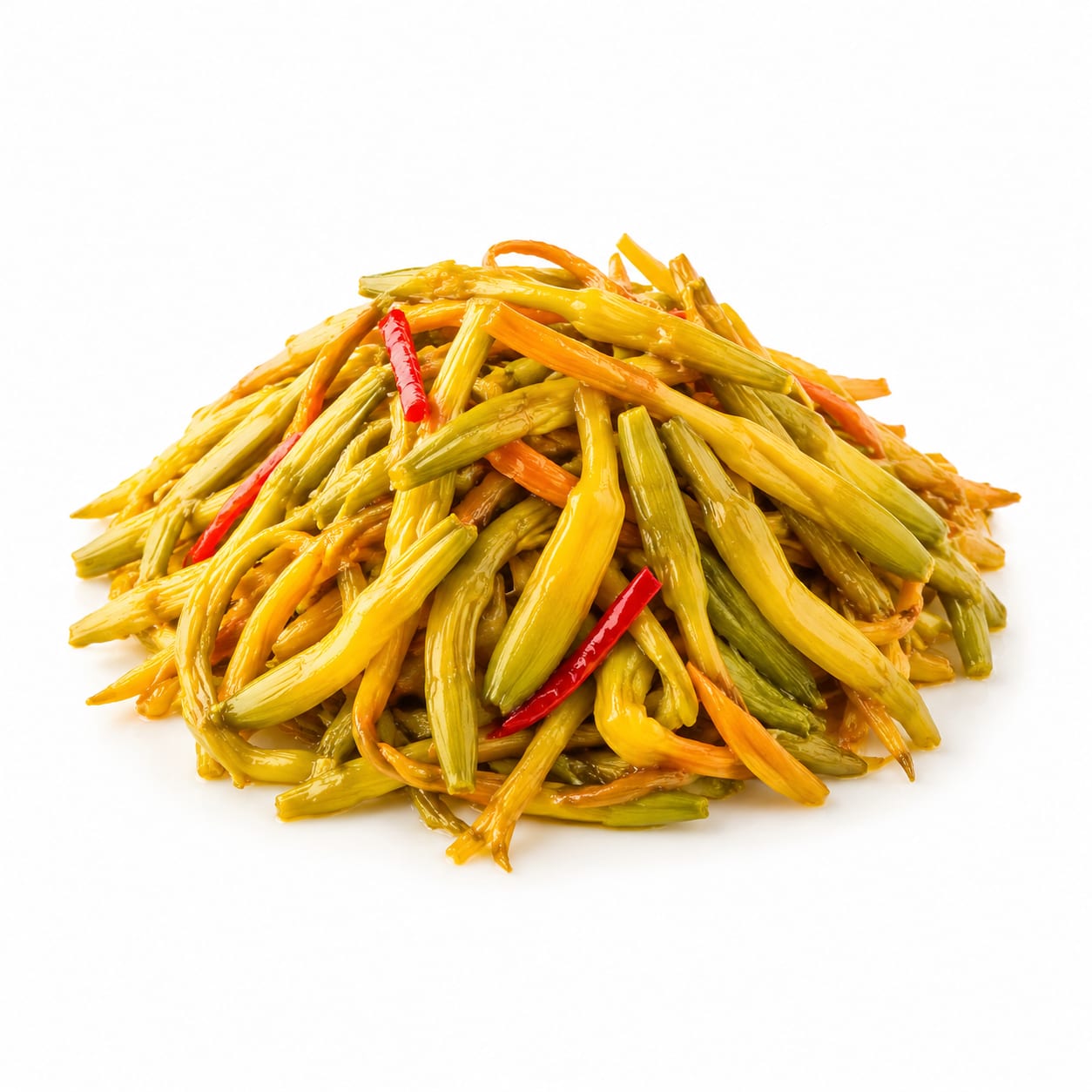
Daylily
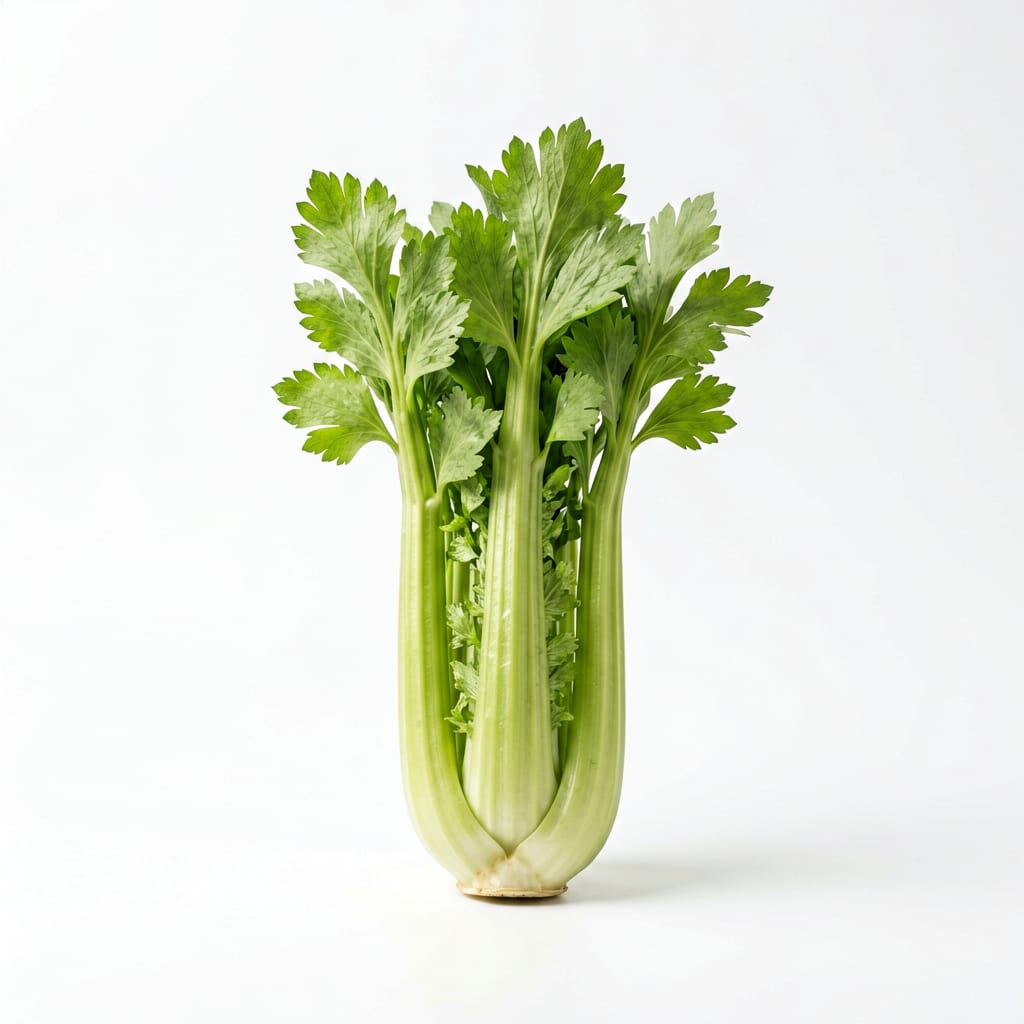
Celery
Celery wins for everyday safety and convenience, but daylily offers richer nutrients when properly prepared.
Celery scores higher mainly due to safety and convenience advantages. Daylily's nutritional edge is real but offset by preparation risks and limited accessibility.
Daylily delivers more vitamins and minerals per bite but demands careful cooking to avoid toxicity; celery is safe raw and endlessly convenient but nutritionally lighter.
At a glance
Executive summary
Overall
Celery
Healthier
It depends
More practical
Celery
Daily use
Celery
Key comparison lenses
safety and preparation requirements
Daylily has significant toxicity risks if improperly prepared, making safety the dominant concern in this comparison
everyday convenience and versatility
Celery is a grab-and-go vegetable while daylily requires careful cooking, creating a major practical gap
nutrient density per calorie
Both are low-calorie vegetables but deliver very different micronutrient profiles worth understanding
culinary tradition and accessibility
Daylily is a specialty ingredient primarily in East Asian cooking, while celery is universally available
Best choice for
Daylily
- Experienced home cooks comfortable with proper preparation techniques
- People seeking iron and vitamin A from plant sources
- Fans of East Asian soups and stir-fries wanting authentic flavor
- Those looking for a more nutrient-dense low-calorie vegetable
Celery
- Busy people who need ready-to-eat snacks with zero prep
- Anyone wanting a safe, reliable daily vegetable habit
- Weight loss dieters who benefit from high-volume crunch
- Parents packing school lunches or quick snacks
Least suitable for
Daylily
- Children who might eat raw or undercooked buds
- Anyone unfamiliar with proper daylily preparation methods
- People with sensitive digestion who react to new ingredients
- Those who need grab-and-go convenience
Celery
- People on low-sodium diets who need to watch natural sodium intake
- Those with celery allergy, which is relatively common in Europe
- Anyone seeking a nutrient-dense vegetable as a main side dish
Deep comparison
Dimension by dimension
Each lens scores both foods and breaks down who each option suits.
- Dimension 1 · Priority 95Celery
safety_and_toxicity
Daylily · 35Celery · 88Fresh daylily contains colchicine-like compounds that can cause serious poisoning if not thoroughly cooked and soaked.
Tradeoff
Daylily rewards careful preparation with unique nutrients but carries real risk for the uninformed; celery is almost always safe to eat raw.
Why it matters
A single mistake with daylily preparation can cause nausea, vomiting, and worse. This is not a theoretical risk.
Real-world impact
If someone snacks on raw daylily buds thinking they are like any edible flower, they could end up in the emergency room.
Daylily
- Nutrient intake when properly cooked by someone who knows the process
Better for
- Risk of colchicine poisoning from raw or undercooked consumption
- Anxiety about preparation for first-time users
Worse for
Celery
- Worry-free raw snacking
- Safe food for children and elderly
- Zero risk of toxic exposure from improper cooking
Better for
- Pesticide residue concerns unless organic
Worse for
- Dimension 2 · Priority 85Celery
convenience_and_ease_of_use
Daylily · 25Celery · 92Celery requires washing and cutting at most; daylily demands boiling, soaking, and careful handling every time.
Tradeoff
Celery fits into any meal in seconds; daylily is a deliberate cooking project that limits spontaneity.
Why it matters
The vegetable you can eat easily is the vegetable you will actually eat regularly.
Real-world impact
Celery goes from fridge to snack plate in under a minute. Daylily requires at least 20 minutes of active preparation including boiling and water changes.
Daylily
- Creating intentional, slow-cooked meals with deeper flavor
Better for
- Cannot be eaten raw or as a quick snack
- Requires multiple preparation steps every time
- Not available in most grocery stores fresh
Worse for
Celery
- Quick snacks between meetings
- Adding crunch to salads instantly
- Meal prep without extra cooking steps
- Travel and lunchbox packing
Better for
- Can feel boring or repetitive as a daily snack
Worse for
- Dimension 3 · Priority 70Daylily
nutrient_density
Daylily · 78Celery · 52Daylily packs more iron, vitamin A, and vitamin C per serving than celery, which is mostly water by weight.
Tradeoff
Daylily delivers more nutrition per calorie but you have to cook it first; celery gives you less nutrition but asks nothing in return.
Why it matters
If you are eating vegetables partly for their micronutrients, daylily contributes more to your daily targets.
Real-world impact
A serving of cooked daylily covers a meaningful portion of your iron and vitamin A needs; celery mostly provides hydration and a little vitamin K.
Daylily
- Iron intake for vegetarians and vegans
- Vitamin A for eye and immune health
- More substantial nutritional contribution per serving
Better for
- Nutrients are partially lost during required boiling
Worse for
Celery
- Vitamin K for bone and blood health
- Hydration from extremely high water content
- Folate for prenatal nutrition
Better for
- Very low in most vitamins and minerals per serving
- High water content dilutes nutrient concentration
Worse for
- Dimension 4 · Priority 60Celery
digestive_tolerance
Daylily · 50Celery · 75Celery is gentle on most digestive systems; daylily can cause stomach upset even when properly prepared, especially in large amounts.
Tradeoff
Celery is a safe bet for sensitive stomachs; daylily requires moderation even when cooked correctly.
Why it matters
A vegetable that causes discomfort will not become a habit, no matter how nutritious.
Real-world impact
Some people report mild stomach discomfort after eating daylily even when it is fully cooked, particularly in larger portions.
Daylily
- Moderate fiber intake that supports regularity when eaten in small amounts
Better for
- Can cause nausea or stomach pain if undercooked
- Even properly prepared daylily may upset sensitive stomachs in large portions
Worse for
Celery
- Gentle fiber that rarely causes bloating
- High water content aids digestion and hydration
- Well-tolerated by most people including those with IBS in small amounts
Better for
- Stringy texture can be hard to chew for people with dental issues
- Can cause gas in some people due to natural sugars
Worse for
- Dimension 5 · Priority 55Celery
weight_management
Daylily · 65Celery · 82Celery's extreme low calorie count and satisfying crunch make it a classic weight-loss food; daylily is also low-calorie but harder to snack on mindlessly.
Tradeoff
Celery is the easier diet food because you can eat it anytime; daylily is low-calorie too but requires effort that limits overeating in a different way.
Why it matters
For weight loss, the food you can grab when hungry without thinking is the one that actually helps.
Real-world impact
Reaching for celery sticks instead of chips is a simple swap. Reaching for daylily requires cooking first, which may lead you to grab something else entirely.
Daylily
- Low calorie density when cooked without added oils
- More filling per serving due to higher nutrient content
Better for
- Cannot serve as an instant craving solution
- Often cooked with richer sauces that add calories
Worse for
Celery
- Extremely low calorie at roughly 14 kcal per 100g
- Crunchy texture satisfies the urge to snack mechanically
- Can be eaten in unlimited quantities without calorie concern
- Natural alternative to chips or crackers for dipping
Better for
- So low in calories it does not provide lasting fullness on its own
Worse for
Timeline
Health impact over time
Short-term
Hours to days
Daylily
- Potential nausea, vomiting, or abdominal pain if consumed raw or undercooked due to colchicine-like toxins
- Mild digestive adjustment period for those new to eating daylily
- Quick nutrient boost including iron and vitamin A when properly prepared
Celery
- Immediate hydration from high water content
- Gentle digestive support from soluble fiber
- Very low blood sugar impact, making it safe for glucose-sensitive individuals
Long-term
Months to years
Daylily
- Improved iron status with regular consumption, especially valuable for plant-based eaters
- Better vitamin A intake supporting eye health and immune function
- Ongoing risk if preparation habits become careless over time
Celery
- Consistent vitamin K intake supporting bone density and blood clotting
- Lower blood pressure contribution from natural nitrates and potassium
- Minimal caloric impact making it sustainable for long-term weight management
Risk profile
Safety & processing
Both are whole plant foods with minimal processing concerns. Dried daylily may contain sulfur dioxide as a preservative, so check labels if sensitive. Celery's main concern is pesticide residue, which washing or choosing organic addresses.
Daylily
Colchicine-like toxin poisoning
highFresh daylily contains colchicine-like alkaloids that cause serious gastrointestinal symptoms and can be dangerous. Must be boiled thoroughly and soaked to remove toxins. Never eat raw.
Sulfur dioxide in dried products
mediumCommercially dried daylily buds are often treated with sulfur dioxide as a preservative. Can trigger reactions in sensitive individuals, especially those with asthma.
Misidentification with toxic lily species
mediumNot all lily species are edible. Foraging errors can lead to consuming toxic lookalikes. Only consume daylily from reliable food sources, not wild foraging unless expert-confirmed.
Celery
High pesticide residue
mediumCelery consistently appears on the Environmental Working Group's Dirty Dozen list due to high pesticide residue. Washing helps but does not eliminate all residues. Organic is preferable.
Allergic reactions
lowCelery allergy is one of the more common food allergies in Europe and can cause reactions ranging from oral allergy syndrome to anaphylaxis in sensitive individuals.
Natural sodium content
lowCelery contains more natural sodium than most vegetables. Not a concern for most people but worth noting for those on strict low-sodium diets.
Who wins for whom
Audience fit
Same foods, different winners depending on your goal.
children
CeleryCelery sticks are a safe, fun, and familiar snack for kids. Daylily's toxicity risk when raw or undercooked makes it inappropriate for children without adult preparation oversight.
daily consumption
CeleryCelery can be eaten daily without special precautions. Daylily should be consumed in moderation even when properly prepared, and the preparation effort makes daily use impractical for most people.
diabetes
CeleryCelery has an almost negligible effect on blood sugar and can be eaten freely. Daylily is also low-glycemic but requires cooking and portion awareness due to its carbohydrate content.
elderly
CeleryCelery is easy to digest, provides gentle fiber, and requires no special preparation. Daylily's potential to cause digestive upset and its preparation complexity make it less suitable for elderly users.
muscle gain
It dependsNeither is a muscle-building food. Daylily provides slightly more iron which supports oxygen transport during training, but both are supplementary vegetables at best for this goal.
weight loss
CeleryCelery's near-zero calories and snackable crunch make it the easiest low-effort weight loss food. Daylily is also low-calorie but the preparation barrier reduces its practical value for daily dieting.
Your move
Decision guide
Choose Daylily
- You are an experienced cook familiar with daylily preparation and want a nutrient-rich vegetable for soups and stir-fries
- You follow East Asian culinary traditions and know how to handle golden needles safely
- You want more iron and vitamin A from plant sources and are willing to prepare them properly
- You are looking for culinary variety and enjoy exploring less common vegetables
Choose Celery
- You want a safe, reliable vegetable you can eat raw every day without thinking
- You are managing your weight and need a satisfying low-calorie snack
- You have children or elderly family members who need foolproof food options
- You value convenience and want a vegetable that works in salads, snacks, and cooked dishes equally
- You want to avoid any risk of food poisoning from improper preparation
Either works if
- You enjoy both Asian and Western cooking and want variety in your vegetable rotation
- You are generally healthy and eat a diverse diet where both can coexist safely
Avoid both if
- You have a known allergy to either plant
- You are looking for a high-protein vegetable to serve as a main dish
Final recommendation
Keep celery as your everyday vegetable for snacking, salads, and quick cooking. Add daylily occasionally when you have time for proper preparation and want a nutrient boost or authentic Asian flavor. Never treat daylily as casually as celery — the safety gap between them is real and meaningful.
Practical
Consumer tips
- 1
Never eat fresh daylily raw. Always boil for at least 2-3 minutes, discard the water, then soak in clean water before cooking further.
- 2
If buying dried daylily, check the ingredient list for sulfur dioxide if you have asthma or sulfite sensitivity.
- 3
Choose organic celery when possible to reduce pesticide exposure, or wash thoroughly under running water and pat dry.
- 4
Store celery wrapped in aluminum foil in the crisper drawer — it stays crisp far longer than in plastic bags.
- 5
If trying daylily for the first time, eat a small portion to test your digestive tolerance before making it a regular part of meals.
- 6
Both vegetables pair well together in Asian-style soups where celery adds freshness and daylily adds depth and nutrition.