
Nutrition comparison
Daylily vs Zucchini: Safety, Nutrition, and Which to Choose
Compare daylily and zucchini on safety, nutrition, versatility, and daily usability. Learn why zucchini wins for everyday eating and when daylily is worth the extra care.
Overall winner · Zucchini
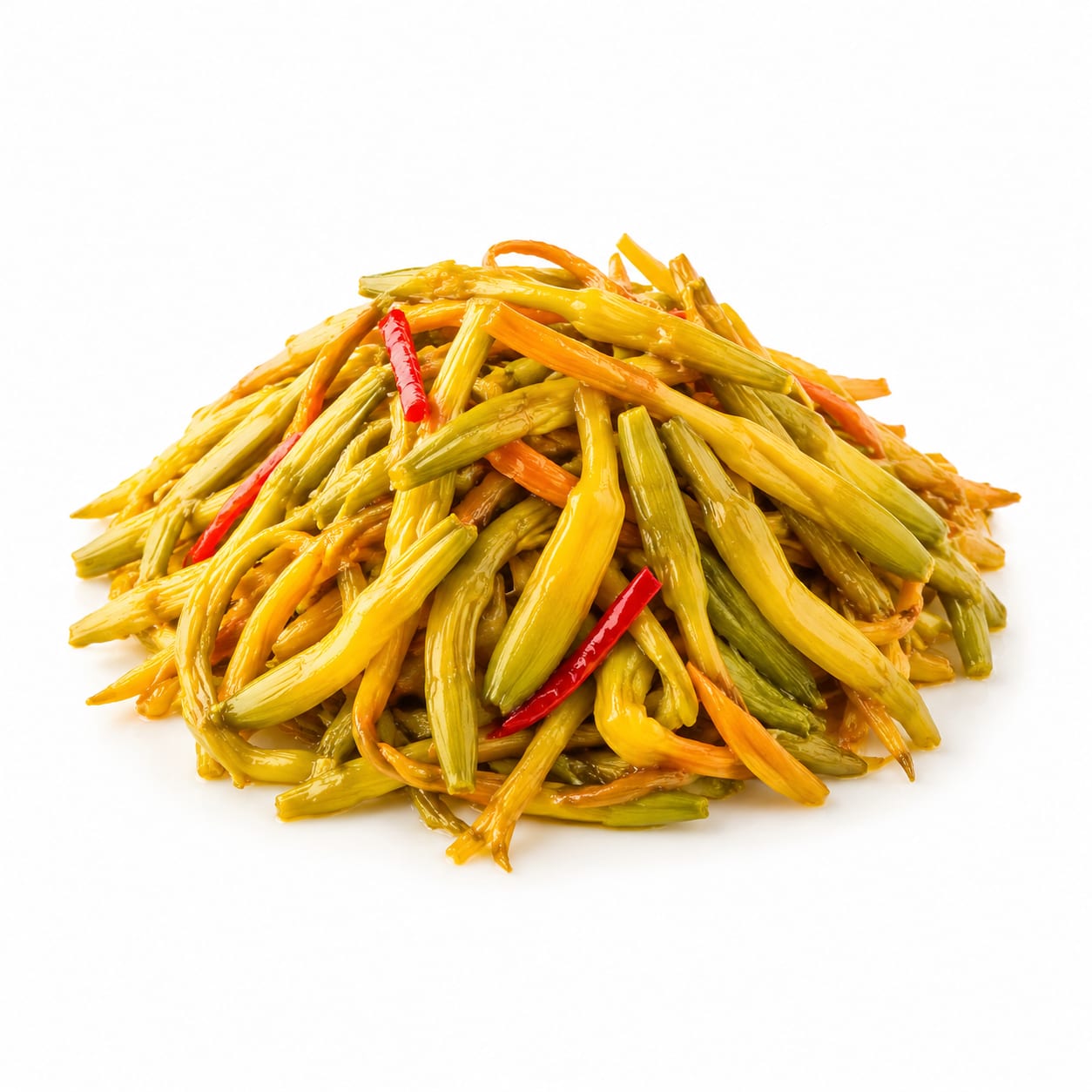
Daylily
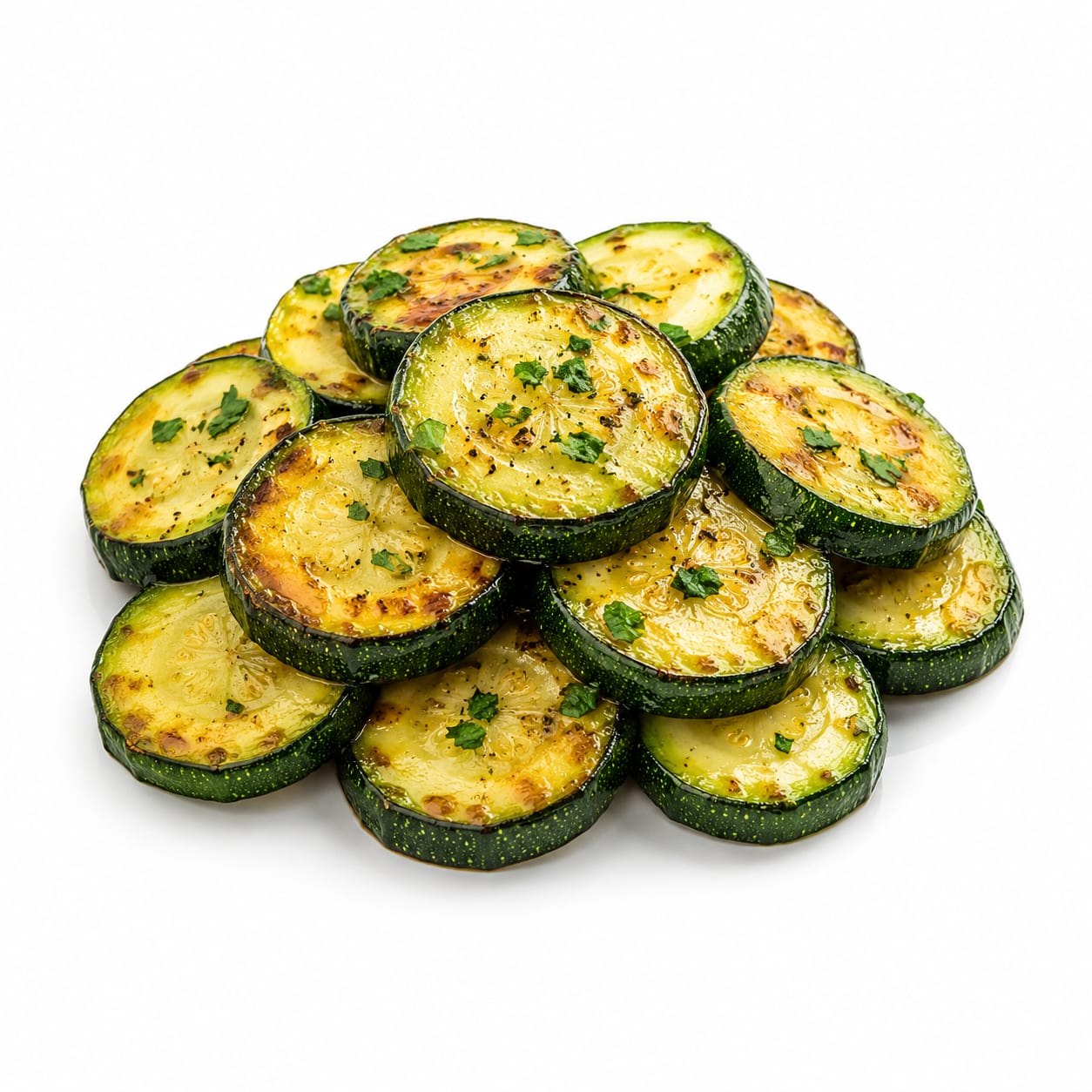
Zucchini
Zucchini is the safer, more practical everyday vegetable. Daylily offers unique cultural and nutritional value but demands careful preparation and carries real safety considerations.
Zucchini scores significantly higher due to safety, accessibility, and everyday reliability. Daylily's unique nutritional profile and cultural value are real but overshadowed by preparation risks and limited availability.
Daylily brings rare antioxidants and traditional medicine benefits at the cost of preparation complexity and toxicity risk; zucchini delivers reliable, worry-free nutrition with broader culinary flexibility.
At a glance
Executive summary
Overall
Zucchini
Healthier
Zucchini
More practical
Zucchini
Daily use
Zucchini
Key comparison lenses
safety and preparation requirements
Daylily requires specific cooking to neutralize mild toxins; zucchini is safe raw or cooked with minimal risk
everyday versatility and accessibility
Zucchini is a grocery staple usable in dozens of dishes; daylily is specialty and seasonal
nutritional uniqueness vs reliability
Daylily offers rare phytonutrients and traditional medicine value; zucchini provides consistent, safe everyday nutrition
digestive tolerance
Daylily can cause stomach upset if improperly prepared; zucchini is gentle on nearly all digestive systems
weight management and satiety
Both are very low calorie but zucchini's water content makes it more filling per bite
Best choice for
Daylily
- Adventurous home cooks exploring Asian cuisine
- People seeking traditional Chinese medicinal foods
- Anyone wanting unique antioxidants not found in common vegetables
- Gardeners who grow daylilies and want to use the whole plant
Zucchini
- Busy families needing a versatile weeknight vegetable
- Anyone with digestive sensitivities
- Weight loss seekers wanting volume with minimal calories
- Meal preppers who want something safe to eat raw or cooked
Least suitable for
Daylily
- Children due to toxicity risk from improper preparation
- Anyone unfamiliar with safe daylily cooking methods
- People prone to digestive upset or food sensitivities
- Pregnant women who should avoid even mildly toxic plants
Zucchini
- Those seeking bold or distinctive flavor profiles
- People looking for nutrient-dense greens with high iron or calcium
- Anyone wanting traditional medicinal food benefits
Deep comparison
Dimension by dimension
Each lens scores both foods and breaks down who each option suits.
- Dimension 1 · Priority 95Zucchini
Safety and Preparation Simplicity
Daylily · 35Zucchini · 95Zucchini is safe raw or cooked with virtually no risk. Daylily must be thoroughly cooked to neutralize colchicine-like compounds that can cause nausea and digestive distress.
Tradeoff
Daylily rewards careful preparation with unique nutrients and flavor, but one mistake can mean stomach pain. Zucchini never punishes you.
Why it matters
For most people, food should nourish without anxiety. The mental overhead of worrying about proper preparation makes daylily a special-occasion ingredient, not a daily staple.
Real-world impact
You can hand a child raw zucchini slices without a second thought. Handing them raw daylily could mean an upset stomach and a ruined afternoon.
Daylily
- Experienced foragers and Asian cuisine enthusiasts who know proper technique
- Cooking contexts where careful preparation is already the norm
Better for
- Beginner cooks
- Raw food diets
- Potluck dishes where you cannot control preparation
- Households with curious children who might snack from the garden
Worse for
Zucchini
- Families with children
- Quick weeknight meals
- Anyone who wants to eat without researching safety protocols first
- Raw vegetable platters and snacking
Better for
- Situations where you specifically want a traditional medicinal food
Worse for
- Dimension 2 · Priority 80Daylily
Nutritional Uniqueness and Antioxidant Profile
Daylily · 78Zucchini · 55Daylily contains rare flavonoids and phenolic compounds studied for anti-inflammatory and neuroprotective effects. Zucchini offers solid but common nutrients like vitamin C and potassium.
Tradeoff
Daylily provides nutrients you simply cannot get from everyday vegetables, but you must weigh that against safety effort. Zucchini gives you familiar, reliable nutrition with no surprises.
Why it matters
If you already eat a varied diet, zucchini's nutrients are redundant. Daylily offers something genuinely different that could complement your overall intake.
Real-world impact
Adding daylily to your rotation is like taking a specialty supplement — interesting potential benefits, but not essential. Zucchini is like drinking water — foundational and unexciting but you need it.
Daylily
- Nutrition enthusiasts seeking diverse phytonutrient sources
- People following traditional Chinese dietary therapy
- Anyone already eating plenty of common vegetables and wanting variety
Better for
- Those who cannot guarantee proper cooking every time
- Anyone who would eat daylily rarely enough that its unique nutrients barely register
Worse for
Zucchini
- People who do not consistently eat enough vegetables and need a reliable staple
- Anyone needing steady potassium and hydration support
Better for
- Diets already rich in common vegetables where marginal variety matters more
Worse for
- Dimension 3 · Priority 88Zucchini
Culinary Versatility and Availability
Daylily · 30Zucchini · 92Zucchini works in stir-fries, baking, grilling, raw salads, pasta substitutes, and soups. Daylily is primarily used in Asian soups and stir-fries and is hard to find fresh outside specialty markets.
Tradeoff
Zucchini adapts to nearly any cuisine or cooking method. Daylily delivers a specific experience but locks you into a narrow culinary lane.
Why it matters
The more ways you can use a vegetable, the more likely you are to actually eat it regularly. Versatility drives consistency, and consistency drives health outcomes.
Real-world impact
You can buy zucchini at any grocery store and use it five different ways in a week. Finding daylily means visiting an Asian market or growing it yourself, and your recipe options are limited.
Daylily
- Authentic Chinese hot and sour soup
- Traditional Asian banquet cooking
- Garden-to-table experiences with homegrown daylilies
Better for
- Meal prep scenarios requiring batch cooking
- Substituting for other vegetables in existing recipes
- Anyone without access to Asian grocery stores
Worse for
Zucchini
- Weeknight stir-fries when you have 15 minutes
- Spiralized pasta alternatives for low-carb meals
- Grilled vegetable sides at summer barbecues
- Baking into muffins or breads for hidden vegetable nutrition
- Raw snacking with hummus
Better for
- Recreating specific traditional Asian dishes where daylily is integral
Worse for
- Dimension 4 · Priority 78Zucchini
Digestive Tolerance and Gut Friendliness
Daylily · 40Zucchini · 88Zucchini is one of the gentlest vegetables on the digestive system. Daylily can cause bloating, nausea, or diarrhea if undercooked, and some people are sensitive even when properly prepared.
Tradeoff
Zucchini is comfort food for an upset stomach. Daylily is a food that can cause one.
Why it matters
If your gut is sensitive, the wrong vegetable can ruin your day. Reliability here matters more than nutritional upside for most people.
Real-world impact
After a stomach bug, zucchini soup is recovery food. Daylily soup might extend your misery if not prepared perfectly.
Daylily
- People with robust digestion who tolerate diverse foods well
- Traditional food contexts where daylily is cooked long enough to be safe
Better for
- Anyone with IBS, food sensitivities, or a history of digestive issues
- First-time eaters who do not know their tolerance
Worse for
Zucchini
- Post-illness recovery eating
- IBS or sensitive stomach management
- Introducing vegetables to picky eaters or children
- Elderly individuals with delicate digestion
Better for
- Situations where you specifically want a warming, traditional medicinal soup
Worse for
- Dimension 5 · Priority 70Zucchini
Weight Management and Satiety
Daylily · 65Zucchini · 82Both are low-calorie, but zucchini's higher water content and volume per calorie make it more filling. Daylily is slightly more calorie-dense when dried, which is how it is most commonly sold.
Tradeoff
Zucchini lets you eat a large volume for almost no calories. Daylily is still low-calorie but is typically used in smaller quantities as a flavoring ingredient rather than a bulk vegetable.
Why it matters
For weight loss, volume matters. The more food you can eat per calorie, the less deprived you feel.
Real-world impact
A giant bowl of zucchini noodles feels like a real meal for under 50 calories. A typical daylily serving adds flavor and nutrients but does not fill your plate.
Daylily
- Adding flavor depth to low-calorie soups without significant calorie cost
- Traditional recipes where daylily enhances satisfaction of the overall dish
Better for
- Bulking up meals on a calorie budget
- Anyone trying to eat large portions for satiety
Worse for
Zucchini
- Volume eating strategies where you want to feel full
- Replacing higher-calorie pasta or rice
- Late-night snacking where you want something substantial but light
Better for
- Adding concentrated flavor to dishes where water content would dilute taste
Worse for
Timeline
Health impact over time
Short-term
Hours to days
Daylily
- Potential nausea or digestive upset if undercooked
- Mild diuretic effect from traditional preparation methods
- Unique bitter-sweet flavor that can enhance meal satisfaction
Zucchini
- Immediate hydration boost from high water content
- Gentle digestive support with minimal gas or bloating
- Quick energy from easily absorbed carbohydrates without blood sugar spikes
Long-term
Months to years
Daylily
- Possible anti-inflammatory benefits from unique flavonoids when consumed regularly and safely
- Traditional medicine suggests benefits for urinary tract health and mild anxiety
- Risk is cumulative if preparation is inconsistent — even occasional undercooking can cause recurring digestive irritation
Zucchini
- Consistent hydration and fiber support healthy digestion over time
- Regular potassium intake supports blood pressure management
- Lutein and zeaxanthin contribute to long-term eye health
Risk profile
Safety & processing
Both are whole, natural vegetables. However, dried daylily — the most common form sold — sometimes contains sulfur dioxide as a preservative, which can trigger sensitivity in some people. Fresh zucchini almost never has additives.
Daylily
Colchicine-like compound toxicity
highRaw or undercooked daylily contains compounds that cause nausea, vomiting, diarrhea, and abdominal pain. Thorough cooking in multiple changes of water is essential.
Misidentification with toxic lily species
highNot all lilies are daylilies. True lilies (Lilium species) are toxic. Foragers must be certain of identification before consuming.
Sulfur dioxide in dried products
mediumCommercially dried daylily buds are often treated with sulfur dioxide as a preservative, which can cause reactions in sensitive individuals, particularly those with asthma.
Allergic reactions in sensitive individuals
mediumSome people experience allergic contact dermatitis or oral allergy syndrome with daylily, even when properly cooked.
Zucchini
Bitter zucchini containing cucurbitacins
lowOccasionally, zucchini can develop bitter compounds called cucurbitacins, which are toxic in large amounts. If it tastes unusually bitter, discard it immediately.
Pesticide residue on conventionally grown zucchini
lowZucchini typically has lower pesticide concerns than many vegetables, but washing is still recommended.
Who wins for whom
Audience fit
Same foods, different winners depending on your goal.
children
ZucchiniZucchini is safe, mild, and easy to hide in familiar foods. Daylily's toxicity risk with improper preparation makes it inappropriate for children's meals.
daily consumption
ZucchiniZucchini can be eaten daily in various forms with zero safety concerns. Daylily should be an occasional ingredient, not a daily staple, due to preparation demands and potential sensitivity.
diabetes
ZucchiniZucchini has a lower glycemic impact and higher water content, making blood sugar management easier. Daylily's safety preparation demands add unnecessary complexity for someone already managing a condition.
elderly
ZucchiniOlder adults often have more sensitive digestion and may be on medications that interact with less common foods. Zucchini's gentleness and reliability make it the clear choice.
muscle gain
It dependsNeither is a significant protein source. Both serve as low-calorie sides alongside protein-rich foods. Daylily has slightly more iron, which supports oxygen transport during training.
weight loss
ZucchiniZucchini's volume-to-calorie ratio is exceptional. You can eat large portions and feel full, making it easier to sustain a calorie deficit without feeling deprived.
Your move
Decision guide
Choose Daylily
- You are experienced with Asian cooking and know proper daylily preparation techniques
- You want to explore traditional Chinese medicinal foods and their potential benefits
- You grow daylilies and want a culinary use for the buds and flowers
- You already eat a wide variety of common vegetables and want something nutritionally unique
Choose Zucchini
- You need a reliable, versatile vegetable for everyday meals
- You are cooking for children, elderly family members, or anyone with sensitive digestion
- You want maximum nutrition per dollar and per minute of prep time
- You are meal prepping and need something that works raw, cooked, baked, or grilled
Either works if
- You want a low-calorie vegetable addition to soups or stir-fries
- You are looking for plant-based fiber and hydration support
- You enjoy exploring different vegetables and want both in your rotation
Avoid both if
- You need a high-protein food source — neither delivers meaningful protein
- You are looking for a calorie-dense food for weight gain
- You have a known allergy to either plant family
Final recommendation
Make zucchini your everyday vegetable and treat daylily as a culinary adventure. Zucchini gives you safety, versatility, and reliability for daily meals. Daylily offers a unique experience worth trying when you have the time and knowledge to prepare it properly. If you never eat daylily, you miss nothing essential. If you never eat zucchini, you miss one of the most practical vegetables available.
Practical
Consumer tips
- 1
If buying dried daylily, check the ingredient list for sulfur dioxide and soak thoroughly in multiple changes of water before cooking
- 2
Always boil daylily buds for at least 2-3 minutes and discard the water before adding to dishes — never eat them raw
- 3
If growing daylilies for food, confirm you have Hemerocallis species and not true lilies (Lilium), which are toxic
- 4
Choose smaller zucchini for sweeter flavor and tender texture — oversized zucchini become watery and bland
- 5
Zucchini can be spiralized, grated into baked goods, grilled in rounds, or eaten raw with dip — keep it simple and varied
- 6
If a zucchini tastes unusually bitter, spit it out and discard the entire vegetable — bitterness signals dangerous cucurbitacins
- 7
For the safest daylily experience, buy from reputable Asian markets with high turnover rather than foraging wild plants