
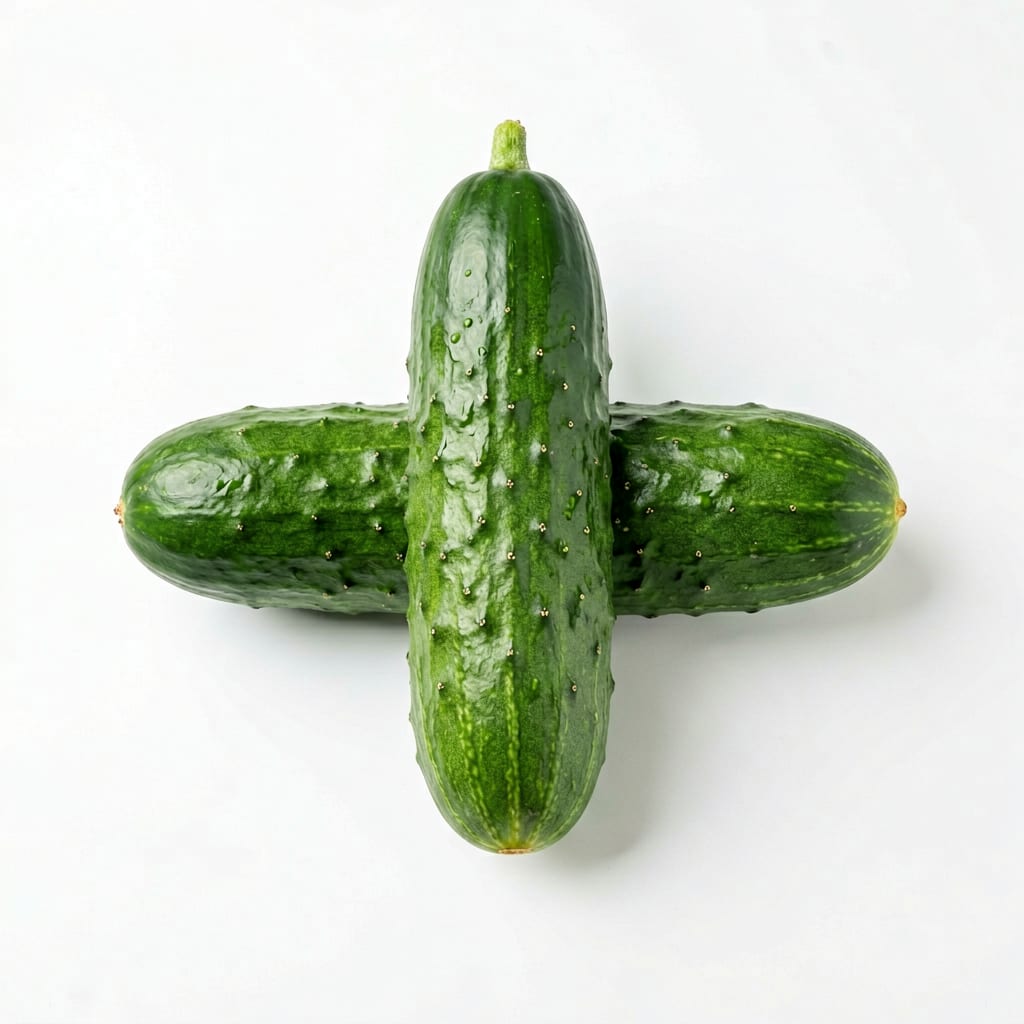
Vegetable
Cucumber
A hydrating, low-calorie vegetable composed mostly of water, ideal for adding volume to meals without adding calories.
A widely cultivated creeping vine plant in the Cucurbitaceae family that produces cylindrical fruits used as a refreshing, low-calorie vegetable in culinary contexts.
high-volume low-calorie vegetable
Typical serving · 119g
Common varieties · english cucumber, persian cucumber, kirby cucumber, slicing cucumber, lemon cucumber
Overall context score across nutrition, safety, and diet fit
At a glance
Quick facts
Simple indicators based on nutrition, processing, and diet fit.
The story
What makes it unique
Composed of approximately 96% water, cucumbers are extremely low in calories and macronutrients. They provide minimal protein or fat, with trace amounts of carbohydrates and fiber mostly concentrated in the skin. Digestion is rapid due to the high water content and low macronutrient density, resulting in low satiety compared to more nutrient-dense foods.
Varieties: english cucumber · persian cucumber · kirby cucumber · slicing cucumber · lemon cucumber
Per 100g
Nutrition breakdown
Macro balance and key metrics at a glance.
Energy
Density 0.15 kcal/g
Protein
Carbs
Fat
Fiber
Sugar
1.7 g
Sodium
2 mg
Potassium
147 mg
Glycemic index
15
Glycemic load
1
Water content
95.2%
Standout compounds
Nutrient highlights
Water
highSupports cellular hydration and fluid balance
Vitamin K
moderateSupports bone health and blood clotting
Potassium
lowHelps regulate fluid balance and blood pressure
Fiber
lowSupports digestive regularity when consumed with skin
Wellness map
Health scores & processing
NOVA processing scale
minimally processed · Whole food
Raw cucumber is an unprocessed whole food requiring no alteration from its natural state.
Diet compatibility
- Weight loss
- Muscle gain
- Diabetes
- Gut health
- Low carb
- High protein
- Heart health
Relative standing
Food rankings
Qualitative ranks compared to similar whole foods.
- Satietymoderate
- Blood sugarexcellent
- Nutrient densitypoor
- Fitness fuelpoor
- Processing qualityexcellent
Eat with confidence
Food safety profile
Generally very safe; the primary concern is pesticide residue on the skin, which can be mitigated by washing thoroughly or peeling.
Evidence confidence 90%
- Pesticidesmoderate
- Antibioticslow
- Heavy metalslow
- Contaminationlow
Watch for
- pesticide residues
- food-grade wax
Safer choices
Organic cucumbers to avoid pesticide residues and unwaxed varieties.
Prep tips
Scrub vigorously under running water to remove wax and residues, or peel the skin off entirely if conventional.
Conventional cucumbers may retain pesticide residues on the skin and are often coated with food-grade wax to retain moisture, which can trap pesticides underneath.
Deep dive
Health analysis
How this food may fit different goals and preparation choices.
Weight loss
Extremely low energy density allows large portions for minimal calories, making it a top food for volume eating and calorie restriction.
Blood sugar
Negligible impact on blood sugar due to low carbohydrate content and high water volume, making it safe for glucose management.
Fitness & energy
Not a viable fuel source for exercise due to near-zero macronutrient content, though useful for pre-workout hydration.
Gut health
Provides hydration for digestive regularity and small amounts of fiber if consumed with the skin, but is not a significant prebiotic source.
Processing quality
Whole, unprocessed food with maximum natural integrity when consumed raw.
Food safety
Low risk; washing the skin is recommended to remove potential pesticide residue or food-grade wax.
Common mistakes
Peeling the cucumber removes what little fiber and nutrients it has; relying on it as a primary nutrient source rather than a hydration tool.
Best preparation
Raw in salads, sliced for snacks, or infused in water; leave skin on for maximum fiber and nutrient retention.
Practical guide
Best use cases
When and how this food fits real eating patterns.
High-volume low-calorie eating
Add bulk to salads and meals to increase physical fullness without adding significant calories.
Refreshing summer snack
Eat sliced raw for a crisp, hydrating, and cooling effect with minimal preparation.
Water infusion
Add to water to enhance flavor and encourage higher fluid intake without sugary additives.
Low-carb sandwich wrap substitute
Use large slices or peels as a crunchy alternative to bread or tortillas for wraps.
Balance sheet
Pros & cons
Upsides
- Extremely low in calories
- High water content for hydration
- Very low glycemic impact
- Versatile and convenient for raw consumption
- Good for volume eating and meal bulk
Trade-offs
- Very low in protein and healthy fats
- Low overall micronutrient density
- Can cause bloating in sensitive individuals
- Often waxed in supermarkets to preserve moisture
Fit check
Who is it for?
Great match
- weight loss
- volume eating
- hydration
- low-carb diets
- diabetic meal plans
Consider alternatives
- muscle gain
- post-workout recovery
- high-calorie or high-energy needs
- correcting nutrient deficiencies
Side by side
How it compares
Open the full head-to-head analysis for nutrition, safety, and practical tradeoffs.
This food
Cucumber
VS90% alike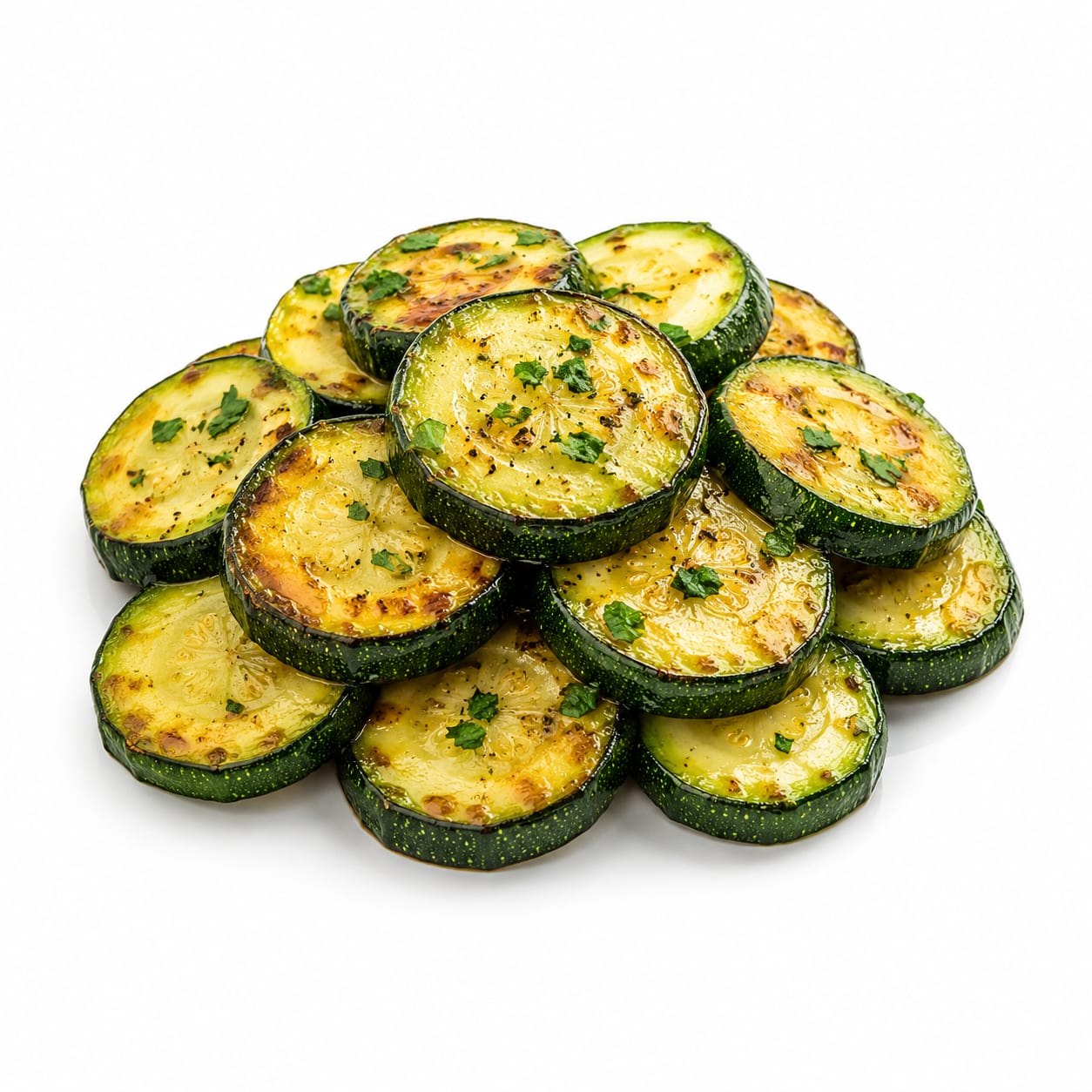
Compare with
Zucchini
Zucchini has slightly more vitamins and is better suited for cooking, while cucumber is superior raw for hydration.
Zucchini provides more vitamins and cooking versatility, while cucumbers are better for raw hydration and snacking.
This food
Cucumber
VS88% alike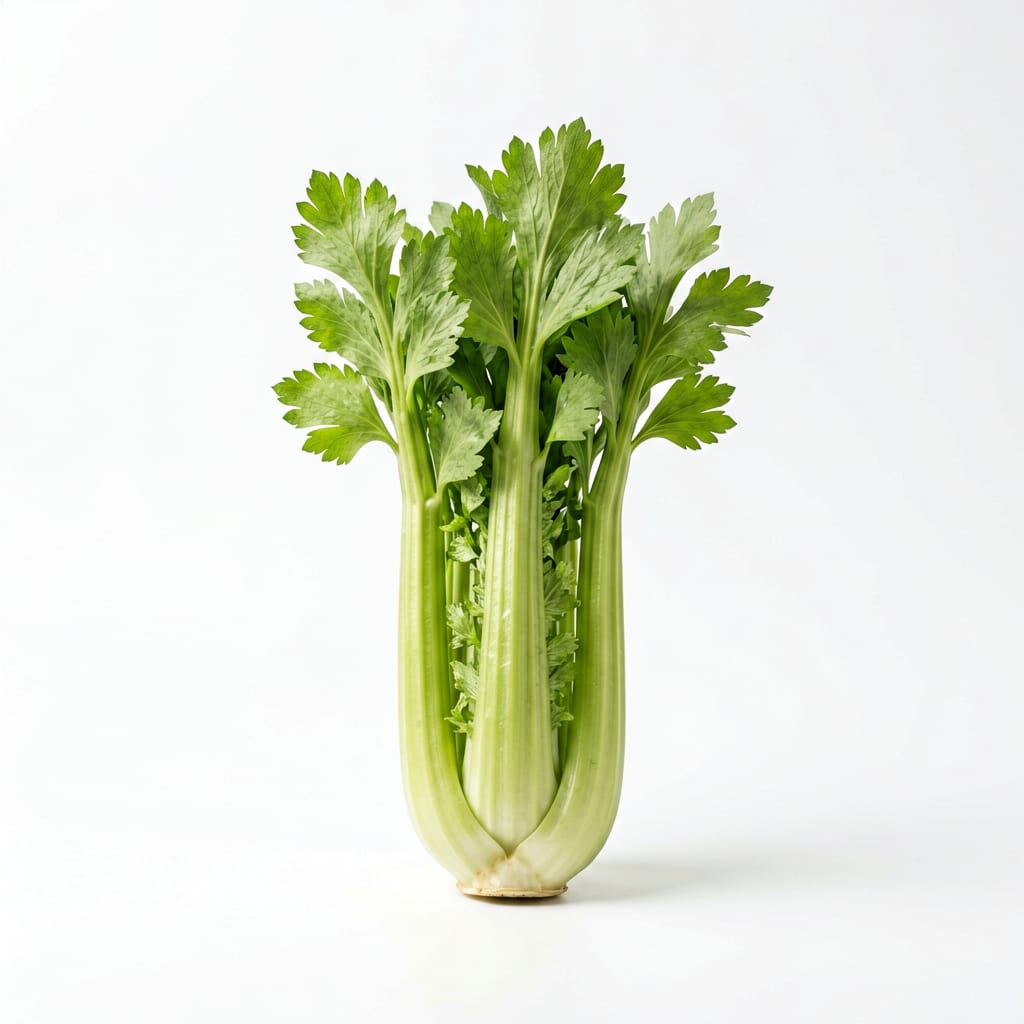
Compare with
Celery
Celery has slightly more fiber and natural sodium, while cucumber offers more water volume per bite.
Celery offers more crunch and natural electrolytes, while cucumbers provide higher water content and slightly fewer calories.
This food
Cucumber
VS85% alike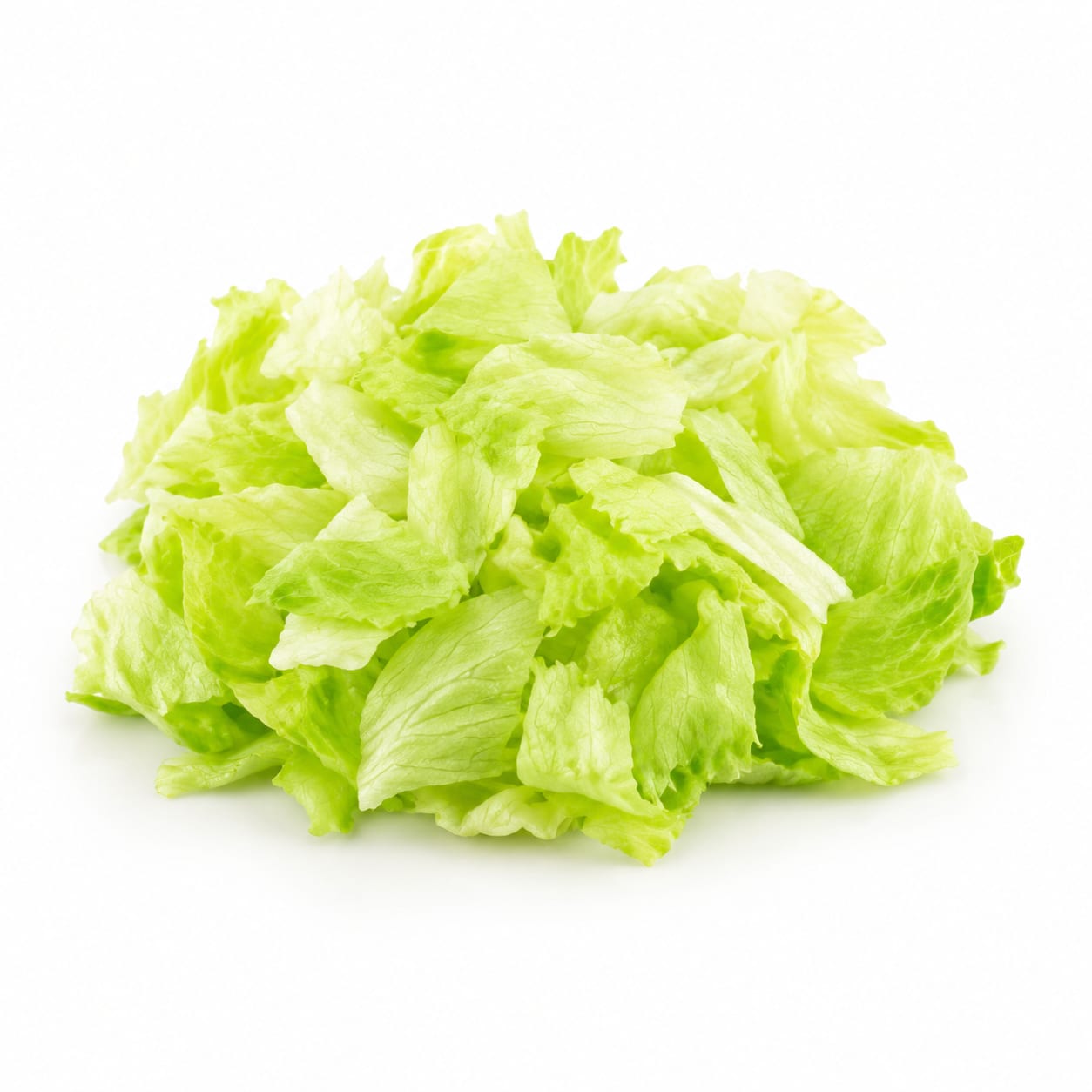
Compare with
Iceberg Lettuce
Cucumber is crunchier and more portable for snacking, while lettuce is better as a salad base.
Cucumbers are crunchier and better for dipping, while iceberg lettuce is more practical for salad bowls.
This food
Cucumber
VS75% alike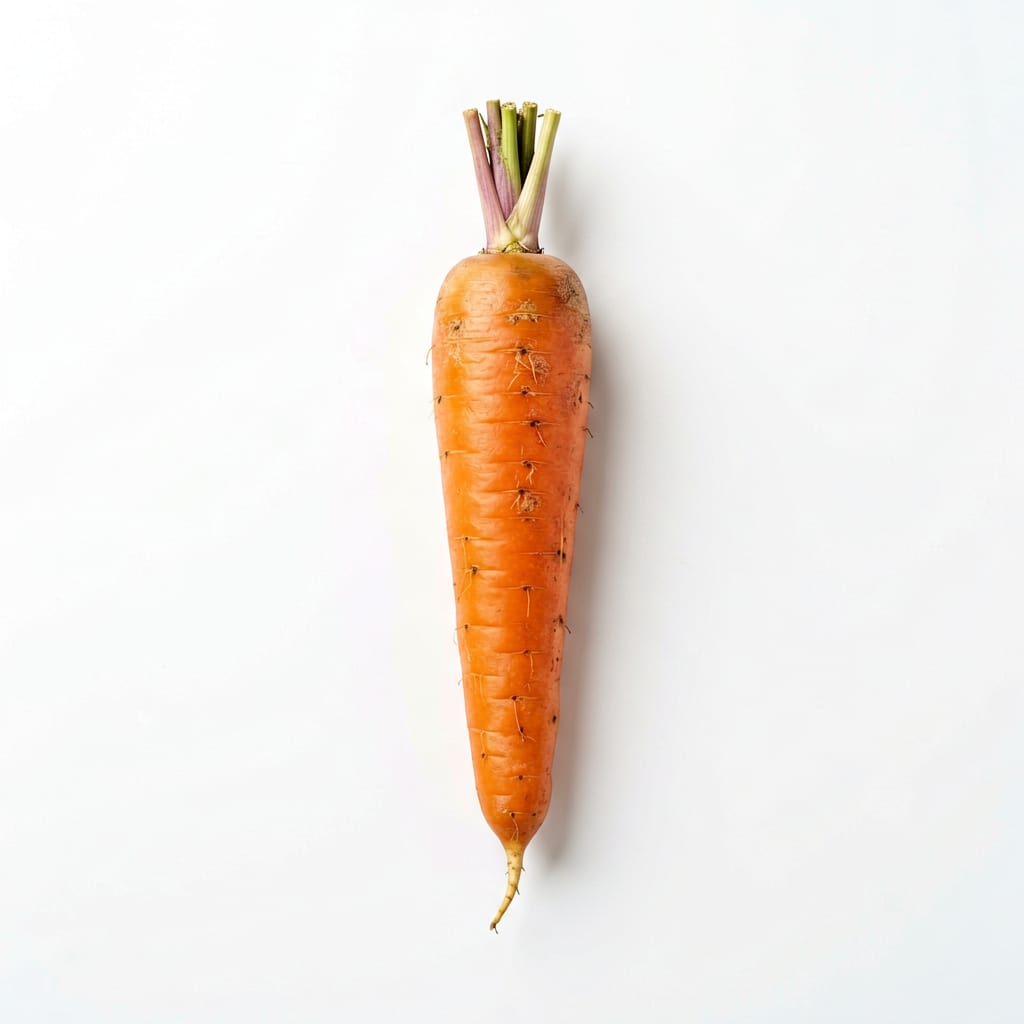
Compare with
Carrot
Carrots are much higher in sugar, calories, and Vitamin A, while cucumbers are lower in carbs.
Carrots provide more beta-carotene and natural sweetness, while cucumbers are lower in calories and carbs.
This food
Cucumber
VS70% alike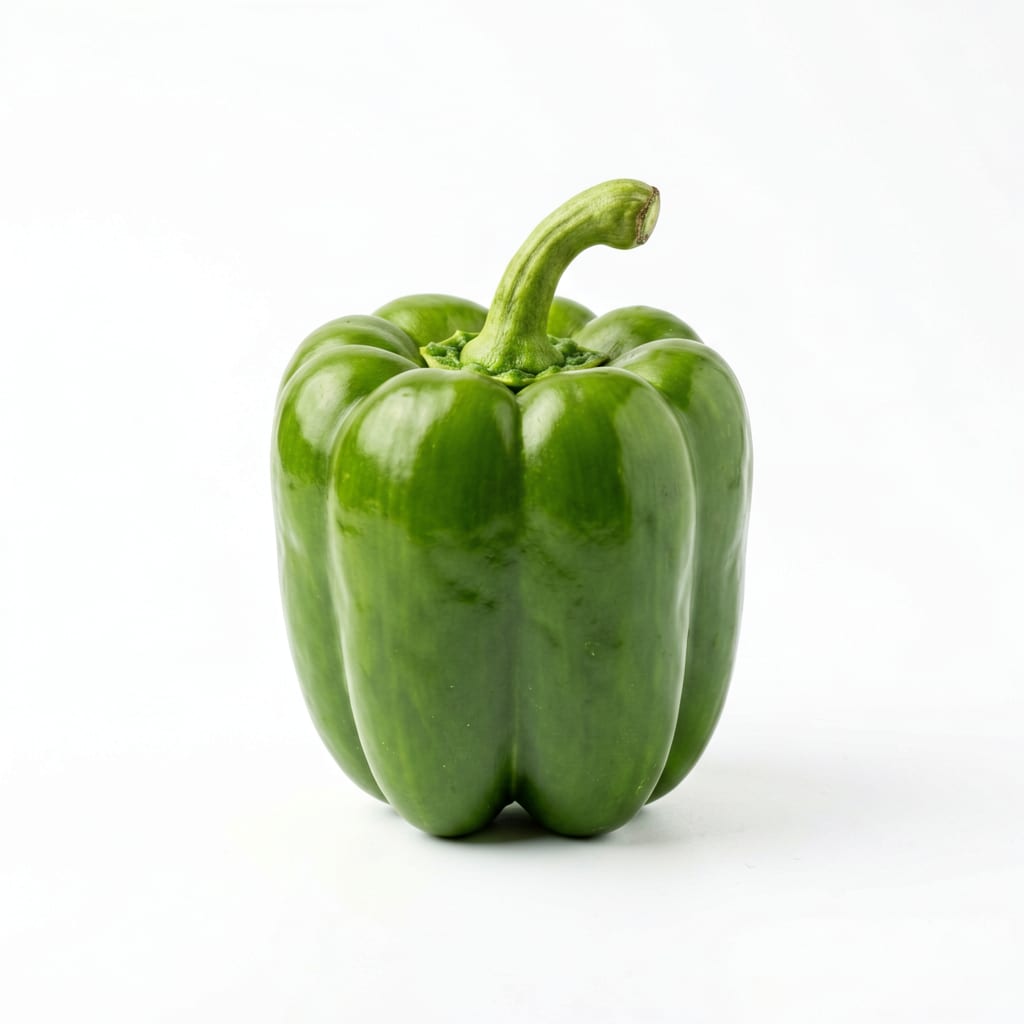
Compare with
Bell Pepper
Bell peppers are significantly higher in Vitamin C and sugar, while cucumbers are lower in calories.
Bell peppers are richer in Vitamin C and antioxidants, while cucumbers are lower in sugar and calories.
This food
Cucumber
VS65% alike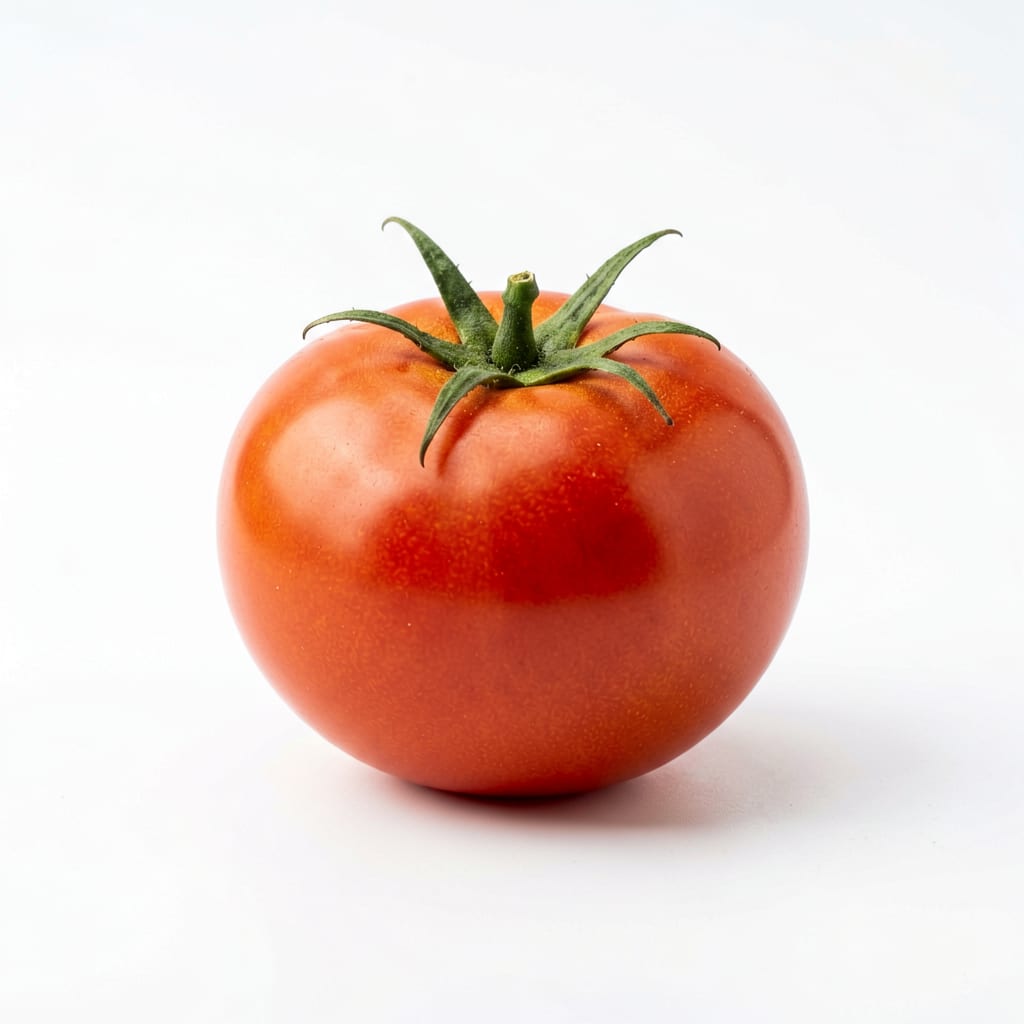
Compare with
Tomato
Tomatoes are richer in vitamins, antioxidants like lycopene, and flavor, but higher in sugar.
Tomatoes offer more vitamins and lycopene, while cucumbers provide fewer calories and carbs.
This food
Cucumber
VS60% alike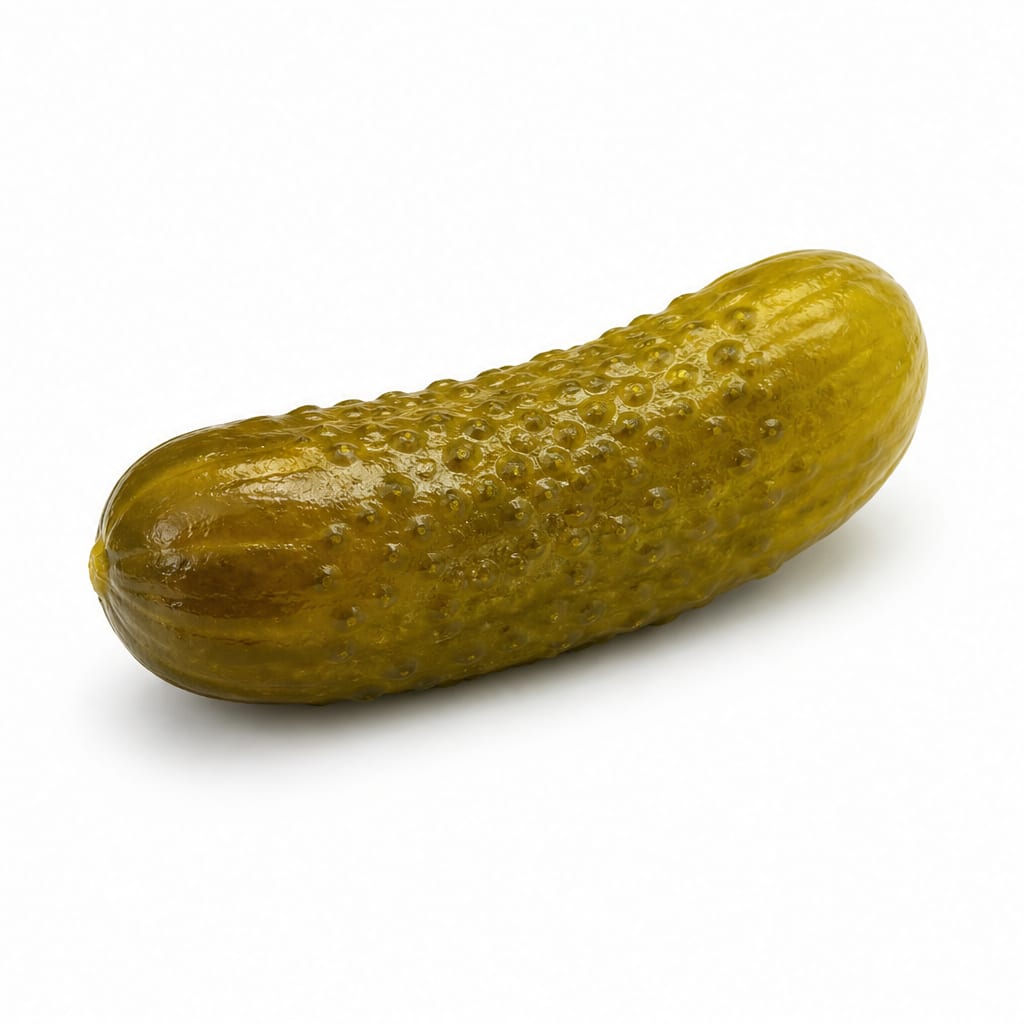
Compare with
Pickle
Pickles have probiotics if fermented, but are extremely high in sodium; raw cucumbers are low-sodium and hydrating.
Pickles offer probiotics and intense flavor but are high in sodium, while raw cucumbers are hydrating and sodium-free.
This food
Cucumber
VS55% alike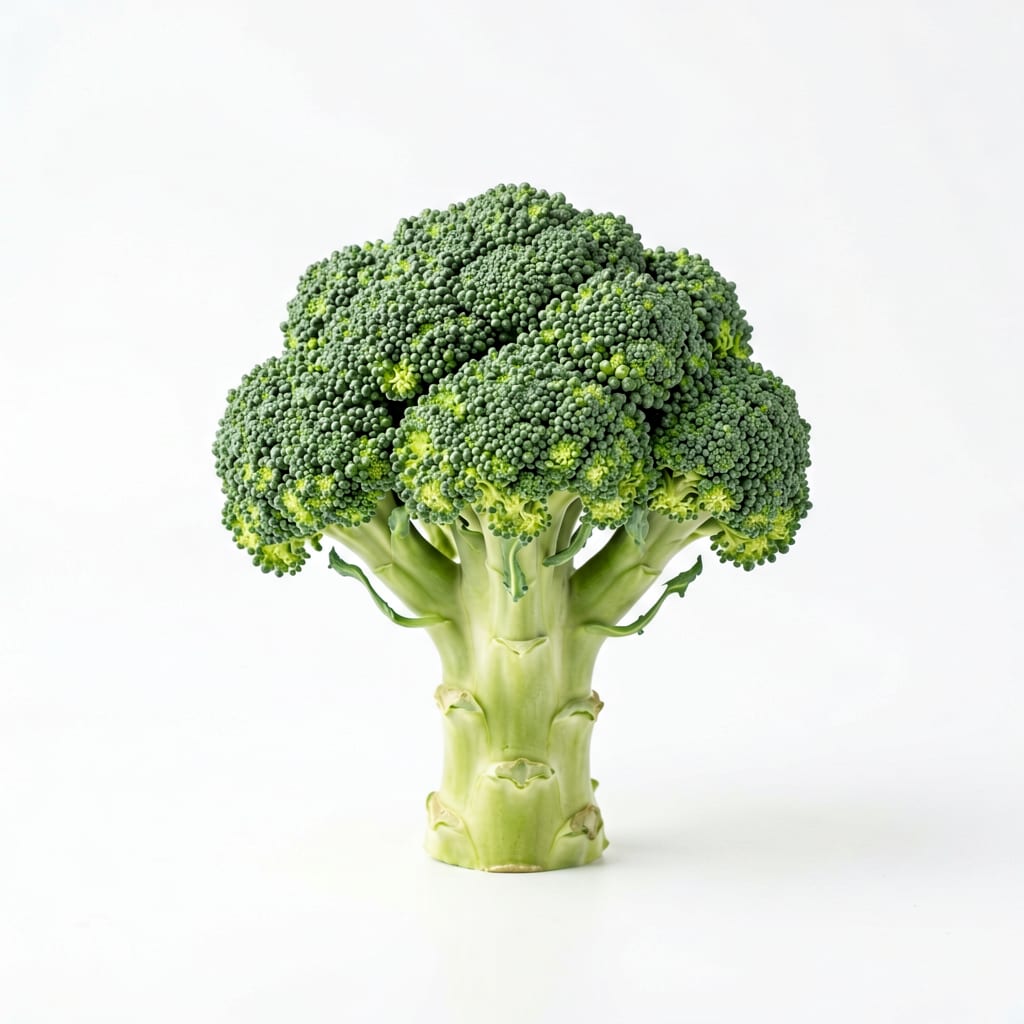
Compare with
Broccoli
Broccoli is a nutritional powerhouse with high fiber and vitamins; cucumber is mostly water for hydration.
Broccoli is far superior for nutrients and fiber, while cucumbers are better for low-calorie hydration.
This food
Cucumber
VS50% alike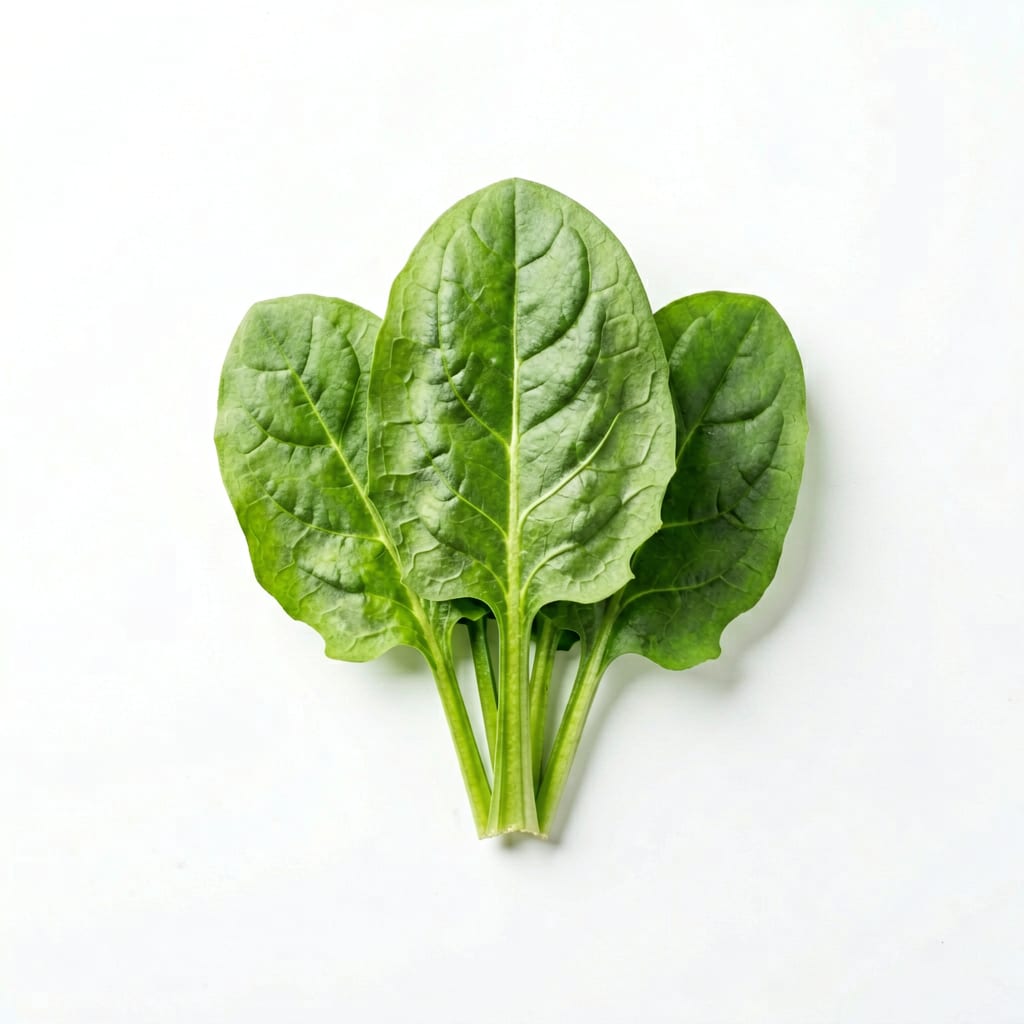
Compare with
Spinach
Spinach is far more nutrient-dense and higher in protein per calorie; cucumber is better for volume eating.
Spinach provides significantly more vitamins and minerals per calorie, while cucumbers offer more physical bulk and crunch.
This food
Cucumber
VS45% alike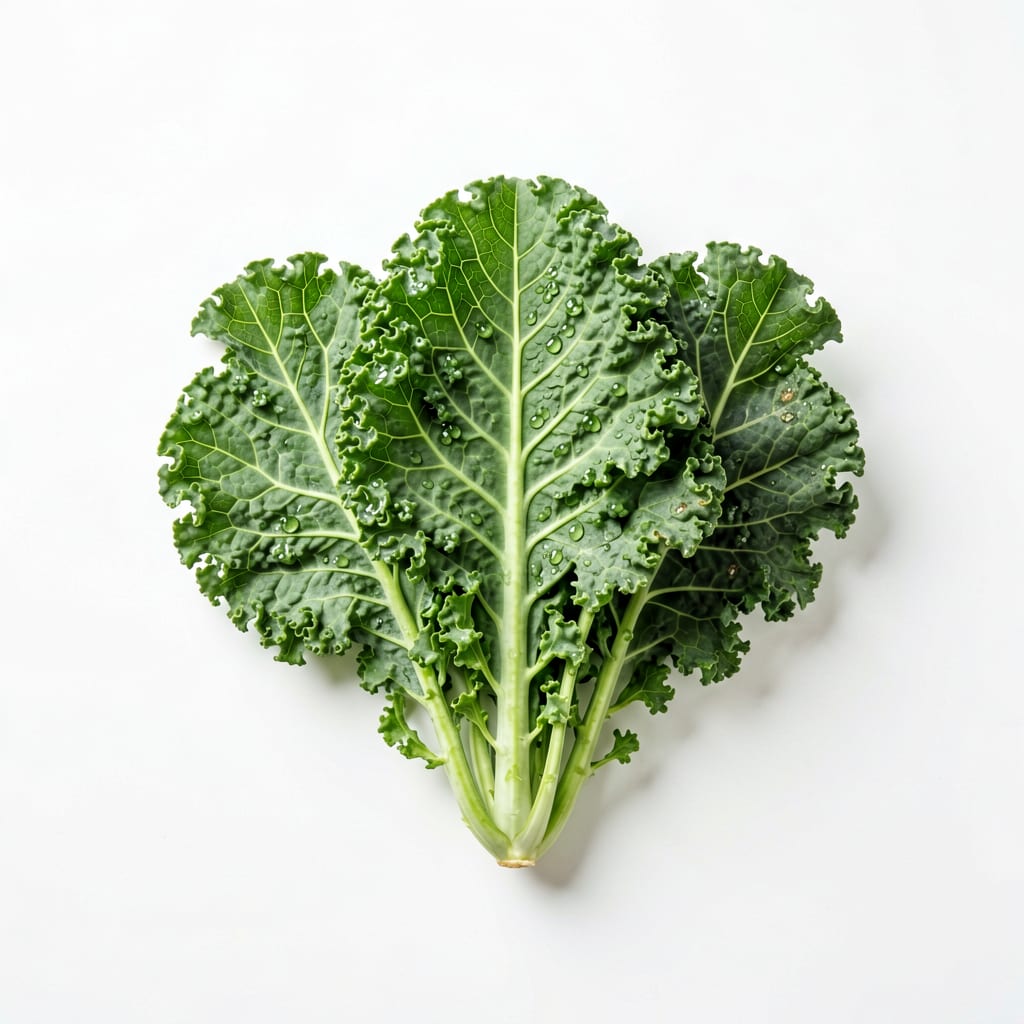
Compare with
Kale
Kale is extremely nutrient-dense and high in fiber; cucumber is a low-calorie hydration tool.
Kale is a top choice for micronutrients and fiber, while cucumbers are ideal for low-calorie volume and hydration.
Common questions
FAQ
Answers aligned with how people search for this food.
Are cucumbers good for weight loss?
Yes, they are very low in calories and high in water, helping you feel full and add volume to meals without overconsuming calories.
How many calories are in a whole cucumber?
A medium cucumber contains about 30 to 45 calories depending on its size, making it an extremely low-energy food.
Can diabetics eat cucumbers?
Yes, cucumbers have a very low glycemic index and load, causing almost no spike in blood sugar, making them ideal for diabetic diets.
Is cucumber a fruit or a vegetable?
Botanically, it is a fruit because it develops from the flower of the cucumber plant and contains seeds, but it is prepared and eaten as a vegetable.
Should you peel cucumbers?
It is best to leave the skin on, as it contains most of the fiber, vitamins, and minerals, but wash it thoroughly to remove wax or pesticides.
Are cucumbers good for hydration?
Yes, cucumbers are about 96% water, making them an excellent food for staying hydrated, especially in hot weather.
How many carbs are in a cucumber?
There are about 3.6 grams of total carbs and only 3.1 grams of net carbs per 100 grams of cucumber, making it very low-carb.
Is cucumber keto-friendly?
Yes, cucumbers are widely accepted on keto diets due to their extremely low net carb count and high water content.
Transparency
Data confidence
Estimated confidence for nutrition data, interpretation, safety notes, and comparisons.
Nutrition data
Health analysis
Food safety
Comparisons