
Nutrition comparison
Cucumber vs Spinach: Nutrition, Health Benefits & Which is Better
Compare Cucumber vs Spinach to see which is healthier. Learn about nutrient density, hydration, food safety, and the best uses for each vegetable.
Overall winner · Spinach
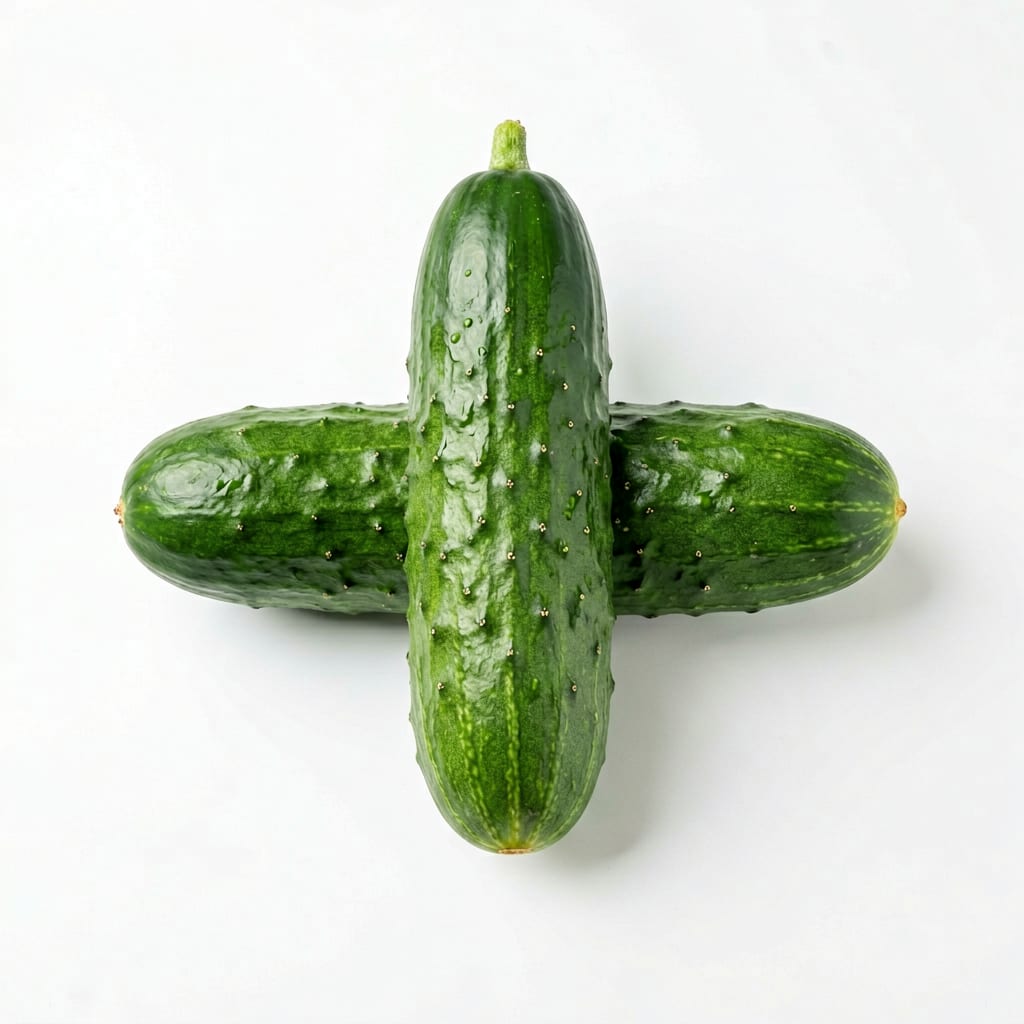
Cucumber
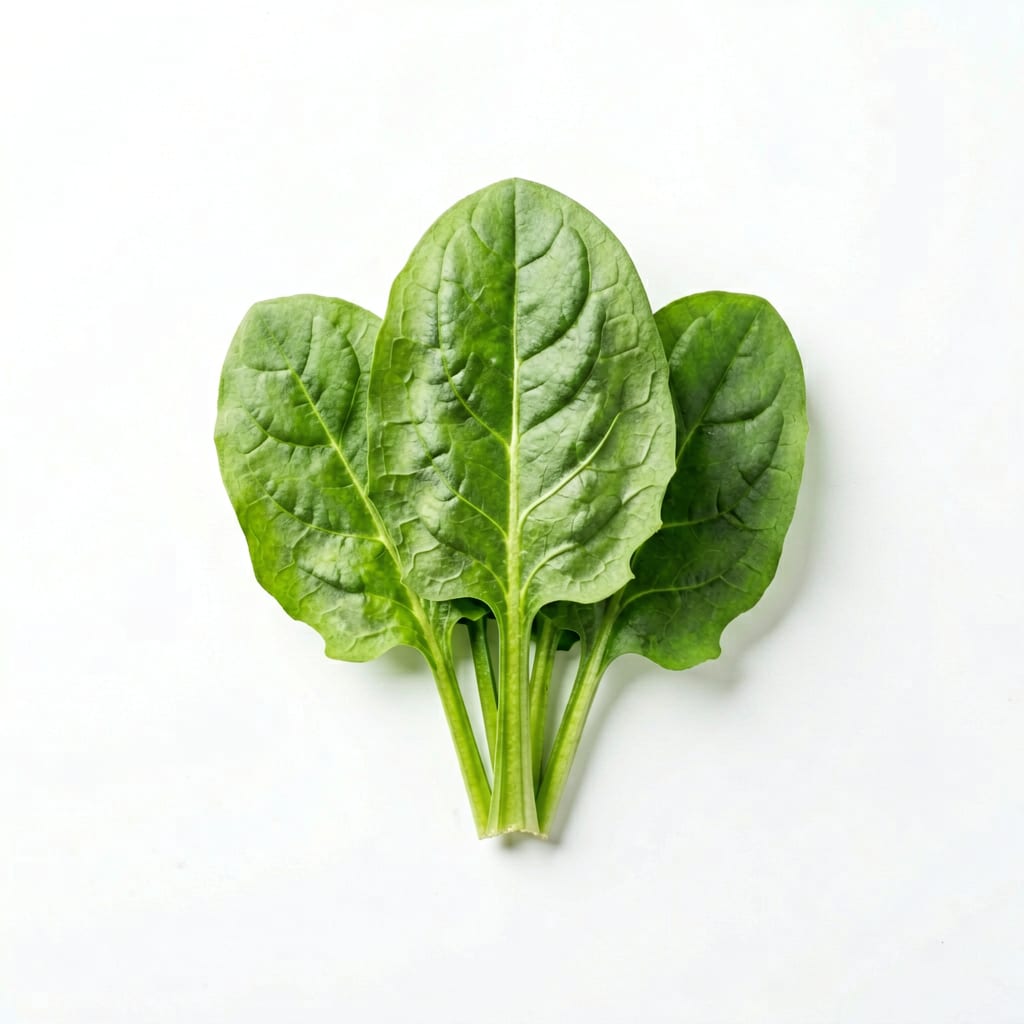
Spinach
Spinach offers significantly more nutritional value per bite, but Cucumber is a safer, more convenient hydration snack.
Spinach scores much higher due to its exceptional micronutrient profile and satiety benefits, while Cucumber remains a decent but nutritionally light choice.
You trade dense vitamins and minerals in Spinach for the refreshing, low-risk convenience of Cucumber.
At a glance
Executive summary
Overall
Spinach
Healthier
Spinach
More practical
Cucumber
Daily use
Spinach
Key comparison lenses
Nutrient density vs hydration
Spinach is a micronutrient powerhouse while Cucumber is mostly water, making this the core tradeoff.
Raw snacking convenience
Cucumbers are grab-and-go, whereas Spinach usually requires washing and often cooking to be enjoyable.
Food safety and contamination
Leafy greens like Spinach carry higher risks of E. coli and pesticide residue compared to Cucumbers.
Best choice for
Cucumber
- Staying hydrated on hot days
- Quick, low-prep raw snacking
- People prone to kidney stones who must avoid oxalates
Spinach
- Boosting iron and vitamin K intake
- Adding volume and fiber to meals for weight management
- Supporting bone and blood health
Least suitable for
Cucumber
- Recovering from iron deficiency
- Those seeking satiety from their vegetables
Spinach
- People with a history of oxalate kidney stones
- Those who need a zero-prep grab-and-go snack
Deep comparison
Dimension by dimension
Each lens scores both foods and breaks down who each option suits.
- Dimension 1 · Priority 95Spinach
Nutrient Density & Micronutrients
Cucumber · 25Spinach · 95Spinach is loaded with iron, vitamin K, and folate, whereas Cucumber is mostly water with trace nutrients.
Tradeoff
You get far more health-boosting vitamins from Spinach, but Cucumber is gentler on the stomach if you have digestive sensitivities.
Why it matters
Higher nutrient density means you get more health benefits per calorie, making your meals work harder for you.
Real-world impact
Eating Spinach regularly can improve energy levels and blood health, while Cucumber mainly keeps you hydrated.
Cucumber
- Those who need a very mild, easy-to-digest food
Better for
- Treating iron deficiency
Worse for
Spinach
- Anyone looking to fix nutrient gaps
- Pregnant women needing folate
Better for
- People on blood thinners who must limit vitamin K
Worse for
- Dimension 2 · Priority 80Cucumber
Hydration & Low Calorie Volume
Cucumber · 95Spinach · 70Cucumber is about 96% water, making it one of the most hydrating foods you can eat.
Tradeoff
Cucumber excels at pure hydration and crunch, but it won't fill you up or nourish you the way Spinach will.
Why it matters
Staying hydrated helps with energy and skin health, and high-water foods help you eat larger portions without overconsuming calories.
Real-world impact
Reaching for Cucumber on a hot day feels instantly refreshing, while Spinach wilts down and feels more like a traditional vegetable side.
Cucumber
- Hot summer days
- Post-workout hydration
Better for
- Providing lasting fullness
Worse for
Spinach
- Bulking out meals without adding calories
Better for
- A crisp, thirst-quenching snack
Worse for
- Dimension 3 · Priority 85Spinach
Satiety & Fiber
Cucumber · 40Spinach · 80Spinach provides more fiber per serving, which helps control hunger and stabilize blood sugar.
Tradeoff
Spinach keeps you fuller for longer, but Cucumber's crunch can satisfy the urge to chew when you just want a snack.
Why it matters
Fiber is key for feeling satisfied after meals and avoiding the afternoon energy crash.
Real-world impact
A Spinach salad will keep you full until dinner, while a Cucumber salad might leave you hunting for a snack an hour later.
Cucumber
- Mindless snacking without overeating calories
Better for
- Sustaining energy between meals
Worse for
Spinach
- Staying full between meals
- Supporting healthy digestion
Better for
- Satisfying a craving for something crunchy
Worse for
- Dimension 4 · Priority 75Cucumber
Food Safety & Contamination Risk
Cucumber · 85Spinach · 55Cucumber carries fewer foodborne illness risks and no oxalate concerns, unlike Spinach.
Tradeoff
Spinach is more prone to E. coli outbreaks and contains oxalates, but peeling Cucumber removes most of its pesticide risk.
Why it matters
Foodborne illness can cause severe short-term sickness, and oxalates can contribute to kidney stones over time.
Real-world impact
You can casually rinse a Cucumber, but Spinach requires careful washing and carries a higher risk of recalls.
Cucumber
- People with compromised immune systems
- Anyone prone to calcium oxalate kidney stones
Better for
- Eating the peel if heavily waxed or pesticide-laden
Worse for
Spinach
- Those who cook their greens to neutralize oxalates and bacteria
Better for
- Raw salads if you are worried about foodborne illness
Worse for
Timeline
Health impact over time
Short-term
Hours to days
Cucumber
- Quick hydration boost
- Very low risk of digestive upset
Spinach
- Noticeable boost in energy from iron and B-vitamins
- Can cause bloating if eaten raw in large amounts
Long-term
Months to years
Cucumber
- Maintains hydration habits
- Unlikely to cause any adverse buildup
Spinach
- Stronger bones from vitamin K and calcium
- Potential for kidney stones if susceptible to oxalates
Risk profile
Safety & processing
Both Cucumber and Spinach are whole, natural foods. The only processing concern is the wax sometimes applied to conventional Cucumber skins.
Cucumber
Wax coatings
lowConventional Cucumbers are often coated with edible wax to retain moisture, which can trap pesticides. Peeling solves this.
Pesticide residue
mediumCucumber skin can hold pesticide residue, but peeling it removes the majority of the risk.
Spinach
E. coli and Salmonella
highLeafy greens like Spinach are frequently involved in foodborne illness outbreaks due to farming and handling practices.
Oxalates
mediumSpinach is high in oxalates, which can bind to calcium and contribute to kidney stones in susceptible individuals.
Pesticide residue
highSpinach consistently ranks high on the EWG's Dirty Dozen list for pesticide residue, making organic a smarter choice.
Who wins for whom
Audience fit
Same foods, different winners depending on your goal.
children
CucumberCucumber has a mild, slightly sweet taste and a fun crunch that kids usually accept more easily than bitter leafy greens.
daily consumption
SpinachThe daily nutritional payoff from Spinach is much higher, provided you do not have oxalate sensitivity.
diabetes
SpinachSpinach has more fiber and magnesium, which help stabilize blood sugar better than the watery composition of Cucumber.
elderly
SpinachSpinach is rich in vitamin K and folate, which are crucial for bone density and cognitive health in aging adults.
muscle gain
SpinachNeither is a protein source, but Spinach provides magnesium and nitrates that support blood flow and muscle recovery.
weight loss
SpinachSpinach provides more fiber and nutrients, keeping you fuller on fewer calories compared to Cucumber.
Your move
Decision guide
Choose Cucumber
- You want a refreshing, zero-prep snack for hot days
- You are prone to kidney stones and need a low-oxalate diet
- You are packing a lunch where a delicate green would wilt
Choose Spinach
- You want to maximize the nutritional value of your meals
- You are looking to boost your iron or vitamin K intake
- You are cooking a warm dish like a soup or sauté
Either works if
- You just need a low-calorie way to add volume to a meal
- You are making a large salad and want diverse textures
Avoid both if
- You need a substantial source of protein or healthy fats to round out a meal
Final recommendation
Keep both in your kitchen, but lean on Spinach for nutritional impact and Cucumber for easy, refreshing snacking. If you eat Spinach, buy organic when possible and cook it to reduce oxalate and bacteria risks.
Practical
Consumer tips
- 1
Buy organic Spinach whenever possible to avoid high pesticide exposure.
- 2
Cook Spinach lightly to reduce oxalates and improve iron absorption, while keeping the vitamin C intact.
- 3
Peel conventional Cucumbers to remove wax and pesticide residue, or buy organic to eat the nutrient-rich skin.
- 4
Add a squeeze of lemon to Spinach; the vitamin C helps your body absorb its iron much more effectively.