
Nutrition comparison
Cucumber vs Broccoli: Which is Healthier?
Compare cucumber and broccoli to see which vegetable wins for weight loss, nutrition, and digestion. Discover the tradeoffs between hydration and nutrient density.
Overall winner · Broccoli

Cucumber
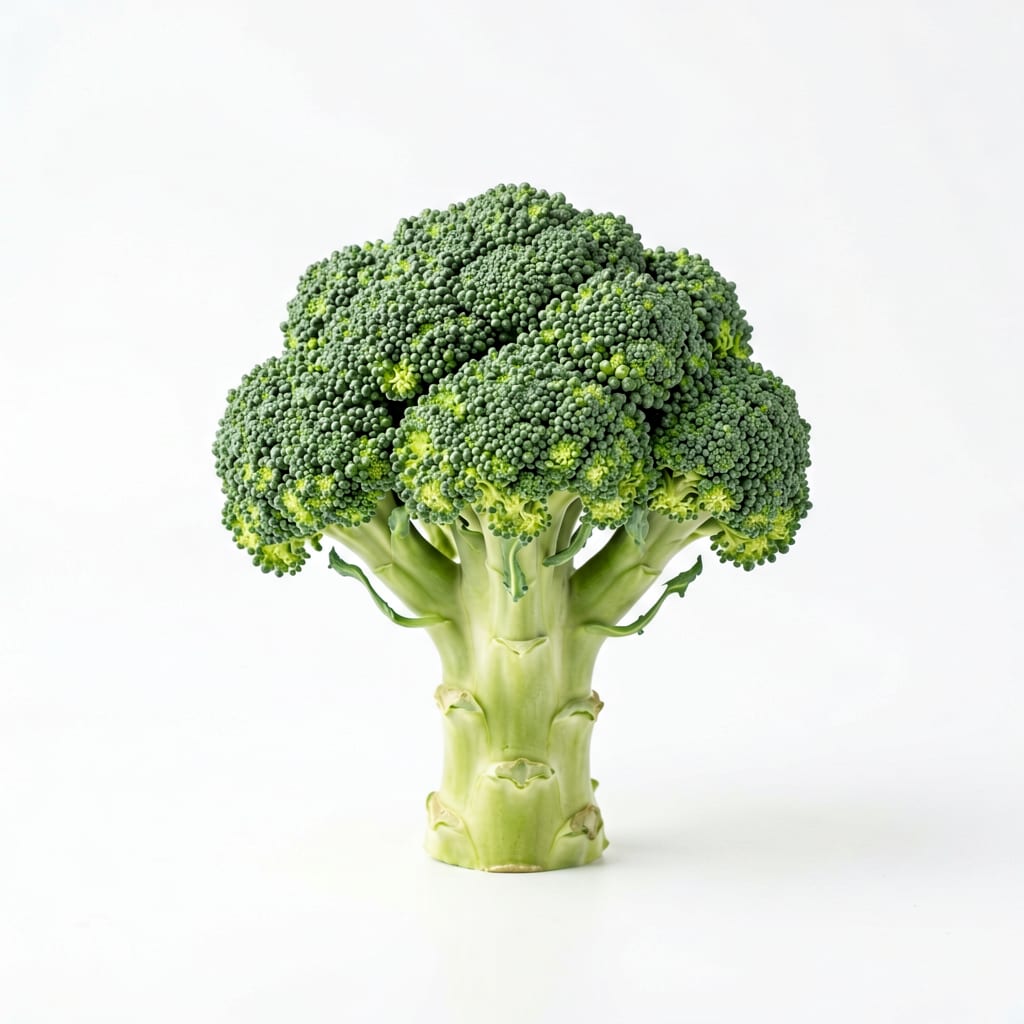
Broccoli
Broccoli dominates in nutritional value and satiety, but cucumber wins for pure hydration and light snacking.
Broccoli vastly outperforms cucumber in vitamins, minerals, and fiber, making it the stronger health choice. Cucumber scores lower overall due to its low nutrient density, though it excels in its specific niche of hydration and lightness.
Broccoli offers significantly more vitamins, fiber, and fullness, but cucumber is lighter, easier to digest raw, and requires zero prep.
At a glance
Executive summary
Overall
Broccoli
Healthier
Broccoli
More practical
Cucumber
Daily use
Broccoli
Key comparison lenses
Nutrient density vs hydration
Broccoli is a micronutrient powerhouse while cucumber is primarily a water source
Satiety and fullness
Fiber content differs drastically, affecting how long you stay full after eating
Digestive tolerance
Cucumber is gentle on the gut while broccoli can cause bloating in sensitive individuals
Low-calorie snacking
Both are low in calories but serve very different snacking purposes
Best choice for
Cucumber
- Staying hydrated on hot days
- Ultra-light snacking without feeling full
- People with sensitive digestion or IBS
Broccoli
- Boosting daily vitamin and mineral intake
- Adding filling fiber to meals
- Supporting immune health and detoxification
Least suitable for
Cucumber
- Those needing sustained energy or satiety
- People looking to increase protein or fiber intake
- Fighting oxidative stress or inflammation
Broccoli
- People prone to bloating or gas from cruciferous veggies
- Quick on-the-go snacking without prep
- Those who dislike bitter or earthy flavors
Deep comparison
Dimension by dimension
Each lens scores both foods and breaks down who each option suits.
- Dimension 1 · Priority 95Broccoli
Nutrient Density & Micronutrients
Cucumber · 20Broccoli · 95Broccoli is loaded with vitamins C, K, and folate, while cucumber is mostly water with trace nutrients.
Tradeoff
You get exponentially more nutritional value per calorie from broccoli, but cucumber is less filling if you need room for other foods.
Why it matters
Higher nutrient density means better immune function, bone health, and energy with less food volume.
Real-world impact
Eating a cup of broccoli covers a huge chunk of your daily vitamin C and K, whereas cucumber mostly just takes the edge off hunger.
Cucumber
- Days when you need to stay light and save appetite for later
- Maintaining low calorie intake
Better for
- Recovering from illness
- Preventing nutrient deficiencies
Worse for
Broccoli
- Meeting daily vitamin requirements easily
- Supporting bone and immune health
Better for
- Eating right before intense exercise where heavy veggies cause discomfort
Worse for
- Dimension 2 · Priority 80Cucumber
Hydration & Low-Calorie Snacking
Cucumber · 98Broccoli · 60Cucumber is 96% water and extremely low in calories, making it the ultimate hydrating, guilt-free snack.
Tradeoff
Cucumber won't fill you up or provide lasting energy, while broccoli offers more substance per serving.
Why it matters
Staying hydrated and having low-calorie snack options is crucial for weight management and hot weather comfort.
Real-world impact
Munching on cucumber in the afternoon refreshes you without ruining dinner, whereas broccoli feels more like a mini-meal.
Cucumber
- Hot summer days
- Late-night mindless snacking
- Keeping calories ultra-low
Better for
- Sustaining energy during a long hike
- Replenishing electrolytes after sweating
Worse for
Broccoli
- Post-workout recovery
- Adding bulk to lunch to avoid an afternoon crash
Better for
- When you just want a light, refreshing crunch without feeling full
Worse for
- Dimension 3 · Priority 75Cucumber
Digestive Comfort & Tolerance
Cucumber · 85Broccoli · 55Cucumber is gentle on the stomach, while broccoli's cruciferous fiber can cause bloating and gas.
Tradeoff
Broccoli's fiber is great for gut health long-term, but can be uncomfortable in the short term for sensitive stomachs.
Why it matters
Digestive discomfort can ruin your day, making food tolerance a key factor in daily food choices.
Real-world impact
Cucumber is a safe bet before a date or meeting, while broccoli might leave you feeling puffy if you're sensitive.
Cucumber
- People with IBS or sensitive stomachs
- Eating right before physical activity
Better for
- Those needing a high-fiber push for regularity
Worse for
Broccoli
- Building a robust, fiber-fed gut microbiome over time
Better for
- Date nights
- High-stress workdays where bloating is distracting
Worse for
- Dimension 4 · Priority 85Broccoli
Satiety & Fullness
Cucumber · 30Broccoli · 85Broccoli's dense fiber and complex carbs keep you full, while cucumber's water content passes through quickly.
Tradeoff
Broccoli helps control hunger between meals, but cucumber's lack of satiety means you might reach for more food sooner.
Why it matters
Staying full prevents overeating and helps maintain steady energy without snacking.
Real-world impact
A side of broccoli at lunch keeps you full until dinner; a side of cucumber leaves you hunting for snacks by 3 PM.
Cucumber
- Saving room for a big dinner
- Light grazing
Better for
- Trying to cut down on between-meal snacking
- Long work shifts without breaks
Worse for
Broccoli
- Controlling portion sizes naturally
- Preventing afternoon energy crashes
Better for
- Eating right before a run or yoga session
Worse for
- Dimension 5 · Priority 80Broccoli
Antioxidant & Anti-inflammatory Power
Cucumber · 25Broccoli · 90Broccoli contains sulforaphane and high levels of vitamin C, offering strong anti-inflammatory benefits. Cucumber provides minimal antioxidants.
Tradeoff
Choosing broccoli gives your body tools to fight cellular damage; cucumber offers little in this department.
Why it matters
Reducing inflammation protects against chronic diseases and supports long-term vitality.
Real-world impact
Regular broccoli consumption is linked to lower cancer risk and better joint health, while cucumber is mostly neutral.
Cucumber
- Staying cool and calm in the summer heat
Better for
- Combating chronic inflammation
- Recovering from oxidative stress
Worse for
Broccoli
- Reducing joint pain
- Supporting long-term disease prevention
- Fighting off colds
Better for
- When you need something completely neutral during a stomach flare-up
Worse for
Timeline
Health impact over time
Short-term
Hours to days
Cucumber
- Quick hydration
- Very low calorie intake
- Light feeling in the stomach
Broccoli
- Increased fullness
- Potential gas or bloating
- Boost in vitamin C for immediate immune support
Long-term
Months to years
Cucumber
- Maintaining low calorie diet
- Possible nutrient deficiency if used as a primary vegetable
- Gentle on the digestive tract
Broccoli
- Improved gut health from fiber
- Lower inflammation and disease risk
- Stronger bones from vitamin K
Risk profile
Safety & processing
Both cucumber and broccoli are whole, natural foods typically eaten with minimal processing, though cucumber is sometimes peeled or waxed commercially.
Cucumber
Pesticide residue on skin
mediumCucumbers are often heavily sprayed and conventionally grown ones may have waxed skins trapping pesticides. Peeling or buying organic mitigates this.
Broccoli
Pesticide residue in florets
mediumBroccoli is typically moderate in pesticide residue, but its tight florets can trap bugs and spray, requiring thorough washing.
Who wins for whom
Audience fit
Same foods, different winners depending on your goal.
children
It dependsCucumber's mild taste and crunch often appeal more to picky kids, while broccoli offers essential growth nutrients if they'll eat it.
daily consumption
BroccoliBroccoli delivers a wider array of daily essential nutrients and health-protective compounds.
diabetes
BroccoliBroccoli's fiber slows sugar absorption and sulforaphane may improve insulin resistance, whereas cucumber lacks the active metabolic benefits.
elderly
BroccoliBroccoli's high vitamin K and calcium support bone density, which is crucial for aging, provided they can tolerate the fiber.
muscle gain
BroccoliBroccoli provides more micronutrients that support recovery and metabolic function, though neither is a significant protein source.
weight loss
It dependsCucumber is lower in calories and great for volume eating, but broccoli's fiber provides satiety that prevents overeating later.
Your move
Decision guide
Choose Cucumber
- You need a refreshing, ultra-light snack on a hot day
- You have a sensitive stomach or IBS and need gentle fiber
- You want to crunch without consuming significant calories
- You are meal-prepping for a heavy dinner and want to stay light
Choose Broccoli
- You want to maximize your vitamin and mineral intake per bite
- You need a filling side dish to prevent overeating
- You want to reduce inflammation and support long-term health
- You are looking for a substantial vegetable to anchor a meal
Either works if
- You just need more vegetables in your diet
- You want a low-calorie addition to a salad or stir-fry
- You are trying to increase your daily plant intake
Avoid both if
- You are looking for a significant source of protein or healthy fats
- You need a high-calorie food for weight gain
Final recommendation
Make broccoli your main vegetable for nutritional impact and satiety, but keep cucumber on hand for hydration and light snacking. They complement each other perfectly in a balanced diet.
Practical
Consumer tips
- 1
Peel conventional cucumbers to avoid wax and pesticide residue, or opt for organic if eating the skin.
- 2
Steam or roast broccoli instead of boiling to preserve its cancer-fighting sulforaphane and vitamin C.
- 3
Pair cucumber with hummus or a yogurt dip to add protein and make the snack more satisfying.
- 4
If broccoli causes bloating, try roasting it—cooking breaks down some of the tough fibers that cause gas.