
Nutrition comparison
Bell Pepper vs Cucumber: Nutrition, Hydration, and Which to Choose
Bell Pepper delivers far more Vitamin C and antioxidants per bite. Cucumber wins on hydration and ultra-low calories. Compare nutrition, digestion, and best uses for each vegetable.
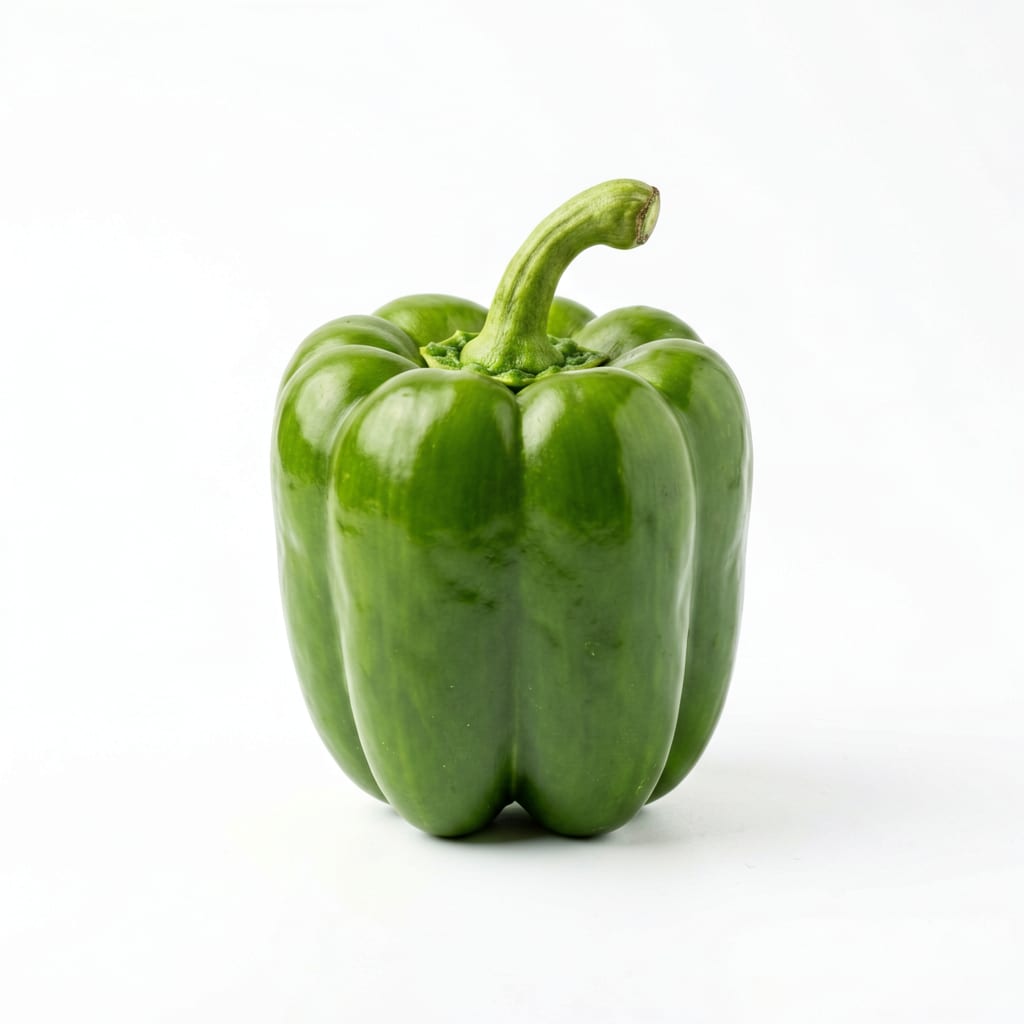
Bell Pepper
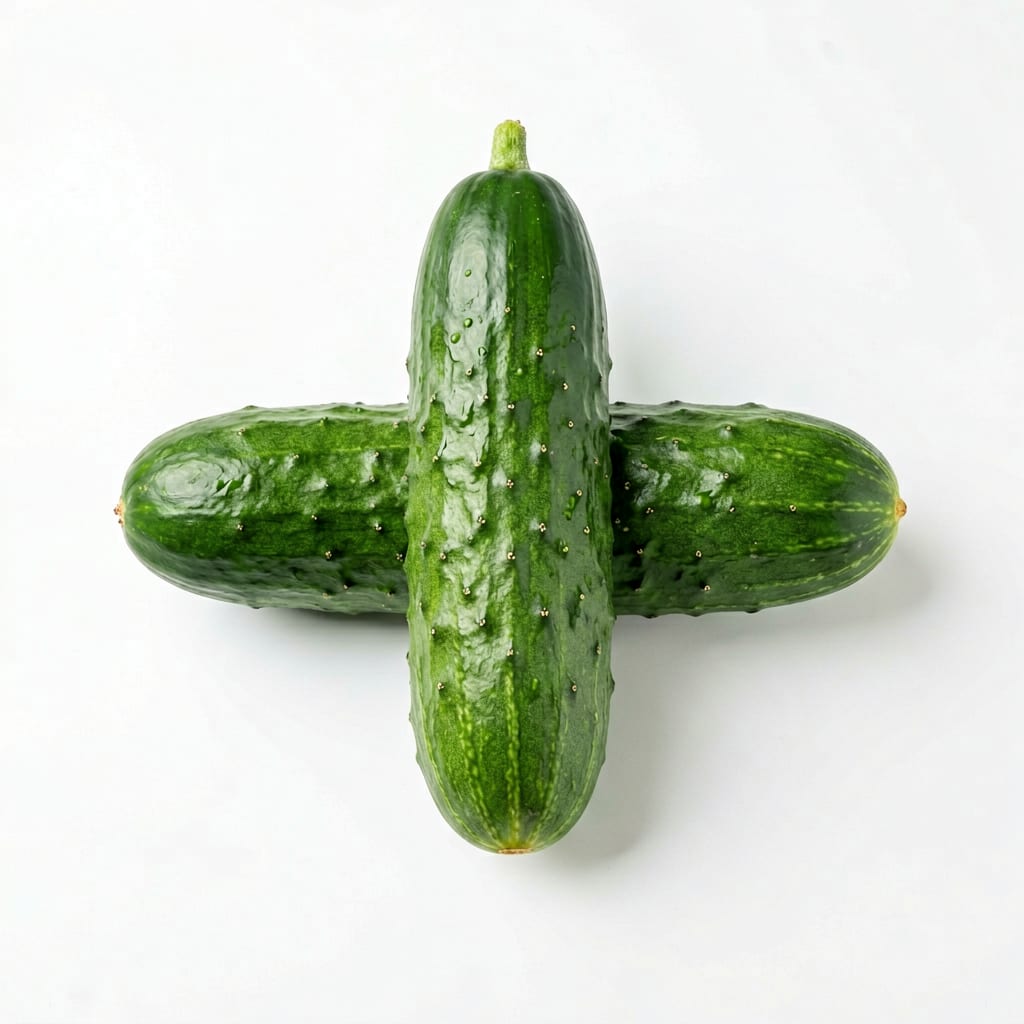
Cucumber
Bell Pepper is the nutritional powerhouse; Cucumber is the hydration champion. Pick based on what your body needs more.
Bell Pepper scores higher due to vastly superior nutrient density, especially Vitamin C and carotenoids. Cucumber remains valuable for hydration and ultra-low calories but offers minimal micronutrition.
You trade Vitamin C and antioxidants for fewer calories and better hydration. Bell Pepper nourishes; Cucumber refreshes.
At a glance
Executive summary
Overall
It depends
Healthier
Bell Pepper
More practical
Cucumber
Daily use
Bell Pepper
Key comparison lenses
nutrient density comparison
Bell Pepper is dramatically more nutrient-dense, especially in Vitamin C and antioxidants, making this the most consequential difference
low calorie snacking
Both are popular low-calorie snack options, but Cucumber offers fewer calories and higher water content for volume eating
hydration and refreshment
Cucumber is one of the most hydrating foods available, a key reason people choose it over Bell Pepper
digestive tolerance
Bell Pepper is a nightshade that causes bloating or discomfort for some, while Cucumber is gentler on most stomachs
meal versatility
Both are crunchy salad staples but serve very different culinary roles — sweetness vs coolness
Best choice for
Bell Pepper
- People wanting to boost immunity through Vitamin C
- Anyone eating for antioxidant protection
- Meal preppers who want flavor without sauces
- Those needing more Vitamin A for skin and eye health
Cucumber
- People prioritizing hydration in hot weather
- Anyone counting calories who wants maximum food volume
- Those with sensitive digestion who avoid nightshades
- Late-night snackers wanting something guilt-free and light
Least suitable for
Bell Pepper
- People with nightshade sensitivities or IBS triggers
- Anyone who experiences bloating from raw cruciferous-style vegetables
- Those wanting the lowest possible calorie count
Cucumber
- People needing significant vitamin or mineral intake from produce
- Anyone looking for bold flavor without added dressings
- Those wanting anti-inflammatory antioxidants from their snacks
Deep comparison
Dimension by dimension
Each lens scores both foods and breaks down who each option suits.
- Dimension 1 · Priority 95Bell Pepper
Vitamin and Mineral Density
Bell Pepper · 92Cucumber · 18Bell Pepper delivers massive amounts of Vitamin C and significant Vitamin A, while Cucumber is nutritionally thin across the board.
Tradeoff
You get far more immune support and skin benefits from Bell Pepper, but Cucumber's mildness makes it easier to eat in large quantities.
Why it matters
A single red Bell Pepper provides over 150% of your daily Vitamin C. You would need to eat an impractical amount of Cucumber to match even a fraction of that.
Real-world impact
Eating Bell Pepper regularly can meaningfully reduce how often you get colds. Cucumber will not move that needle.
Bell Pepper
- Immune support during cold season
- Skin health and collagen production
- Eye health via Vitamin A and carotenoids
Better for
- Those who find high-acid vegetables irritating on an empty stomach
Worse for
Cucumber
- Situations where you want neutral flavor without nutritional intensity
Better for
- Anyone relying on produce as a meaningful vitamin source
Worse for
- Dimension 2 · Priority 85Cucumber
Hydration and Refreshment
Bell Pepper · 55Cucumber · 95Cucumber is roughly 96% water and feels like eating hydration. Bell Pepper is juicy but noticeably denser and less refreshing.
Tradeoff
Cucumber cools and hydrates but fills you with water, not nutrients. Bell Pepper hydrates less but delivers more per bite.
Why it matters
On a hot day or after exercise, Cucumber replenishes water in a way Bell Pepper simply cannot match.
Real-world impact
Adding Cucumber to your water or salad makes the whole meal feel lighter and more refreshing. Bell Pepper adds crunch but not that cooling sensation.
Bell Pepper
- Meals where you want substance and flavor alongside moisture
Better for
- When you feel overheated and want something cooling
Worse for
Cucumber
- Hot weather snacking
- Post-workout hydration
- Light refreshing meals that do not weigh you down
Better for
- When you need sustained energy or satiety from your snack
Worse for
- Dimension 3 · Priority 80Cucumber
Calorie Efficiency and Volume Eating
Bell Pepper · 65Cucumber · 90Cucumber offers more food volume per calorie, making it ideal for large portions without caloric consequence.
Tradeoff
You can eat significantly more Cucumber for the same calories, but you will feel hungrier sooner than with Bell Pepper.
Why it matters
For emotional or volume eaters, Cucumber lets you snack abundantly. Bell Pepper is still low-calorie but adds up faster.
Real-world impact
A whole Cucumber is about 30 calories. A whole Bell Pepper is roughly 30-50 calories depending on color. The difference is small per piece, but Cucumber feels like more food.
Bell Pepper
- Snacking where flavor satisfaction matters more than volume
Better for
- Binge-prone eaters who need large volumes to feel satisfied
Worse for
Cucumber
- Mindless snacking where you want to eat a lot
- Calorie-restricted diets requiring portion generosity
Better for
- Those who need their snack to actually curb hunger for more than 20 minutes
Worse for
- Dimension 4 · Priority 88Bell Pepper
Antioxidant and Anti-inflammatory Power
Bell Pepper · 90Cucumber · 22Bell Pepper is loaded with carotenoids, flavonoids, and Vitamin C that actively fight inflammation. Cucumber has minimal antioxidant content.
Tradeoff
Regular Bell Pepper consumption offers long-term disease protection. Cucumber is essentially neutral on this front.
Why it matters
Chronic inflammation drives aging and disease. Bell Pepper is one of the best everyday vegetables for fighting it.
Real-world impact
People who eat Bell Pepper several times a week are getting meaningful antioxidant protection. Cucumber eaters need to get those compounds elsewhere.
Bell Pepper
- Long-term disease prevention
- Anti-aging nutrition strategies
- Reducing systemic inflammation naturally
Better for
- Those whose inflammation is gut-related and triggered by nightshades
Worse for
Cucumber
- Situations where digestive calm matters more than antioxidant intake
Better for
- Anyone not getting antioxidants from other produce sources
Worse for
- Dimension 5 · Priority 75Cucumber
Digestive Tolerance
Bell Pepper · 50Cucumber · 85Cucumber is gentle and well-tolerated by nearly everyone. Bell Pepper is a nightshade that causes bloating and discomfort for a meaningful minority.
Tradeoff
Cucumber is safer for sensitive stomachs but gives you less nutritional reward. Bell Pepper is nutrient-rich but risky for IBS or nightshade-sensitive people.
Why it matters
If raw Bell Pepper gives you gas or stomach pain, no amount of Vitamin C makes it worth forcing.
Real-world impact
Many people avoid raw Bell Pepper specifically because of bloating. Cucumber rarely causes this problem unless you have a specific sensitivity.
Bell Pepper
- Those with no nightshade sensitivity who digest it well
Better for
- Evening meals where bloating would disrupt sleep
- Anyone already struggling with gas from other foods
Worse for
Cucumber
- IBS sufferers
- People prone to bloating from raw vegetables
- Anyone with nightshade sensitivity
- Post-meal snacking when you want something gentle
Better for
- Situations where digestive stimulation and fiber variety are desired
Worse for
- Dimension 6 · Priority 70Bell Pepper
Flavor and Culinary Versatility
Bell Pepper · 82Cucumber · 60Bell Pepper brings sweetness, color, and bold flavor that enhances dishes without added sauces. Cucumber is mild and cooling but rarely carries a dish.
Tradeoff
Bell Pepper makes meals more exciting naturally. Cucumber needs help from dressings or dips to become interesting, which can add calories.
Why it matters
If your healthy eating fails because food is boring, Bell Pepper is the better ally. It satisfies flavor cravings without condiments.
Real-world impact
A stir-fry with Bell Pepper needs less sauce. A salad with Cucumber often needs dressing to taste like anything.
Bell Pepper
- Cooking without added oils or sauces
- Meal prep where flavor needs to hold up over days
- Raw snacking that feels satisfying without dips
Better for
- Dishes where sweetness would clash with other ingredients
Worse for
Cucumber
- Dishes where you want crunch without flavor competition
- Infused water and light refreshing preparations
- Pairing with strong-flavored dips where the vegetable should stay neutral
Better for
- Any meal where you want the vegetable to contribute actual flavor
Worse for
Timeline
Health impact over time
Short-term
Hours to days
Bell Pepper
- Noticeable Vitamin C boost supporting same-day immune function
- Potential bloating or gas in sensitive individuals
- Natural energy lift from B-vitamins and mild natural sugars
Cucumber
- Immediate hydration and cooling sensation
- Very gentle on the digestive system with minimal bloating risk
- Unlikely to cause any blood sugar fluctuation
Long-term
Months to years
Bell Pepper
- Meaningfully reduced oxidative stress from consistent carotenoid and Vitamin C intake
- Better skin aging outcomes due to collagen-supporting nutrients
- Potential nightshade-related joint discomfort for susceptible individuals
Cucumber
- Improved hydration habits that support kidney and skin health
- Minimal nutritional risk but also minimal nutritional reward
- Possible over-reliance on Cucumber as a vegetable when more nutrient-dense options are needed
Risk profile
Safety & processing
Both are whole, unprocessed vegetables with no additive concerns when purchased fresh. The only processing consideration is that pre-cut Bell Pepper from grocery stores may lose Vitamin C faster than whole peppers.
Bell Pepper
Pesticide residue
mediumBell Peppers consistently appear on the EWG Dirty Dozen list due to pesticide residue on conventionally grown varieties. Washing helps but does not eliminate all residue. Organic is advisable.
Nightshade sensitivity
lowNot a contamination risk but a biological sensitivity. Bell Peppers contain solanine which can trigger joint pain or digestive discomfort in susceptible individuals.
Cucumber
Pesticide residue on skin
lowCucumbers have moderate pesticide risk, but peeling removes most of it. The tradeoff is losing fiber and some nutrients in the skin.
Wax coating on conventional cucumbers
lowMany conventional cucumbers are coated with food-grade wax to retain moisture. Peeling or choosing organic avoids this entirely.
Who wins for whom
Audience fit
Same foods, different winners depending on your goal.
children
Bell PepperChildren benefit more from the concentrated vitamins in Bell Pepper, and the sweet taste of red and yellow varieties appeals to kids better than Cucumber's blandness.
daily consumption
Bell PepperDaily Bell Pepper intake provides consistent Vitamin C and antioxidant protection that compounds over time. Cucumber daily is fine but nutritionally underwhelming.
diabetes
CucumberCucumber has virtually zero impact on blood sugar. Bell Pepper is also very safe but contains slightly more natural sugar.
elderly
Bell PepperOlder adults need nutrient-dense foods to compensate for reduced appetite and absorption. Bell Pepper delivers significantly more vitamins per bite.
muscle gain
Bell PepperNeither is a muscle-building food, but Bell Pepper's Vitamin C supports collagen synthesis for connective tissue repair during training.
weight loss
CucumberCucumber's ultra-low calorie density and high water content make it easier to eat large volumes without overshooting calorie targets.
Your move
Decision guide
Choose Bell Pepper
- You want maximum nutrition from every bite you eat
- Immune support and antioxidant intake are priorities
- You enjoy sweet, crunchy vegetables that taste good plain
- You have no nightshade sensitivity or bloating issues
- You are meal prepping and want vegetables that hold flavor without sauces
Choose Cucumber
- Hydration is your primary concern, especially in summer
- You want the lowest possible calorie snack for volume eating
- Raw Bell Pepper causes you bloating or digestive discomfort
- You need a neutral-flavored crunch that pairs with dips without competing
- You are eating late at night and want something that feels like nothing
Either works if
- You are building a salad and want both crunch and nutrient variety
- You are trying to eat more vegetables in general and enjoy both
- You want raw vegetable snacks for work or commuting
Avoid both if
- You need significant protein or fat intake and are relying too heavily on low-calorie vegetables
- You have severe oral allergy syndrome triggered by raw produce
Final recommendation
Eat both, but prioritize Bell Pepper for nutrition and Cucumber for hydration. If you can only choose one for daily health impact, Bell Pepper gives you far more per calorie. If you are struggling to stay hydrated or need a guilt-free volume snack, Cucumber is your friend. The ideal approach is keeping both in your fridge for different moments.
Practical
Consumer tips
- 1
Buy organic Bell Peppers when possible — they are consistently high in pesticide residue on conventional farms
- 2
Red Bell Pepper has nearly twice the Vitamin C of green Bell Pepper and significantly more Vitamin A
- 3
Peel conventional Cucumbers to remove wax and most pesticide residue, though you lose some fiber
- 4
Pair Cucumber with a protein-rich dip like hummus to make it a more satisfying snack
- 5
Pre-cut Bell Pepper loses Vitamin C quickly — cut it yourself and eat within 2 days for maximum benefit
- 6
If raw Bell Pepper bothers your stomach, try roasting it — cooking reduces the compounds that cause bloating
- 7
Freeze Cucumber slices for a refreshing summer snack that doubles as a hydration hack