
Nutrition comparison
Cucumber vs Zucchini: Which Low-Calorie Vegetable Is Actually Better for You?
Cucumber and zucchini are both hydrating low-calorie vegetables, but zucchini delivers significantly more nutrients and cooking versatility. Compare their health benefits, satiety, and best uses.
Overall winner · Zucchini
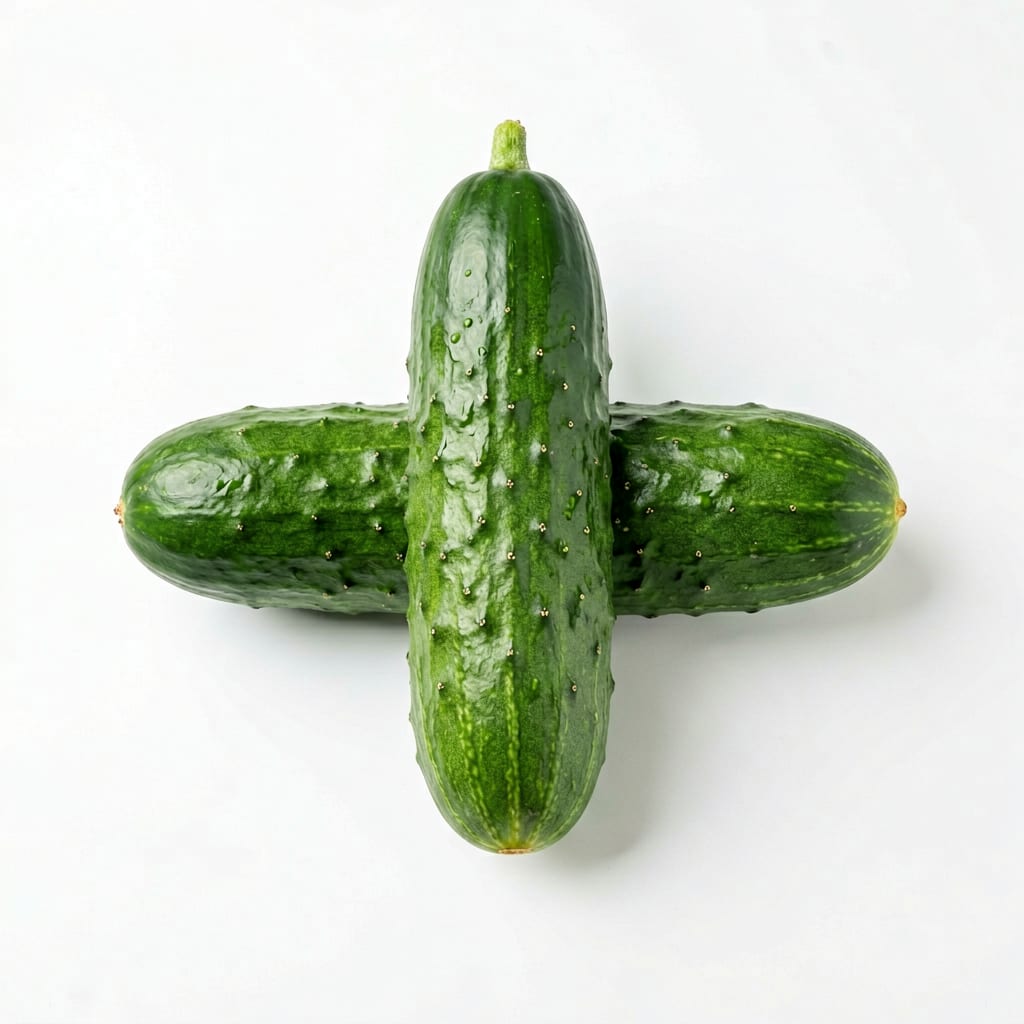
Cucumber
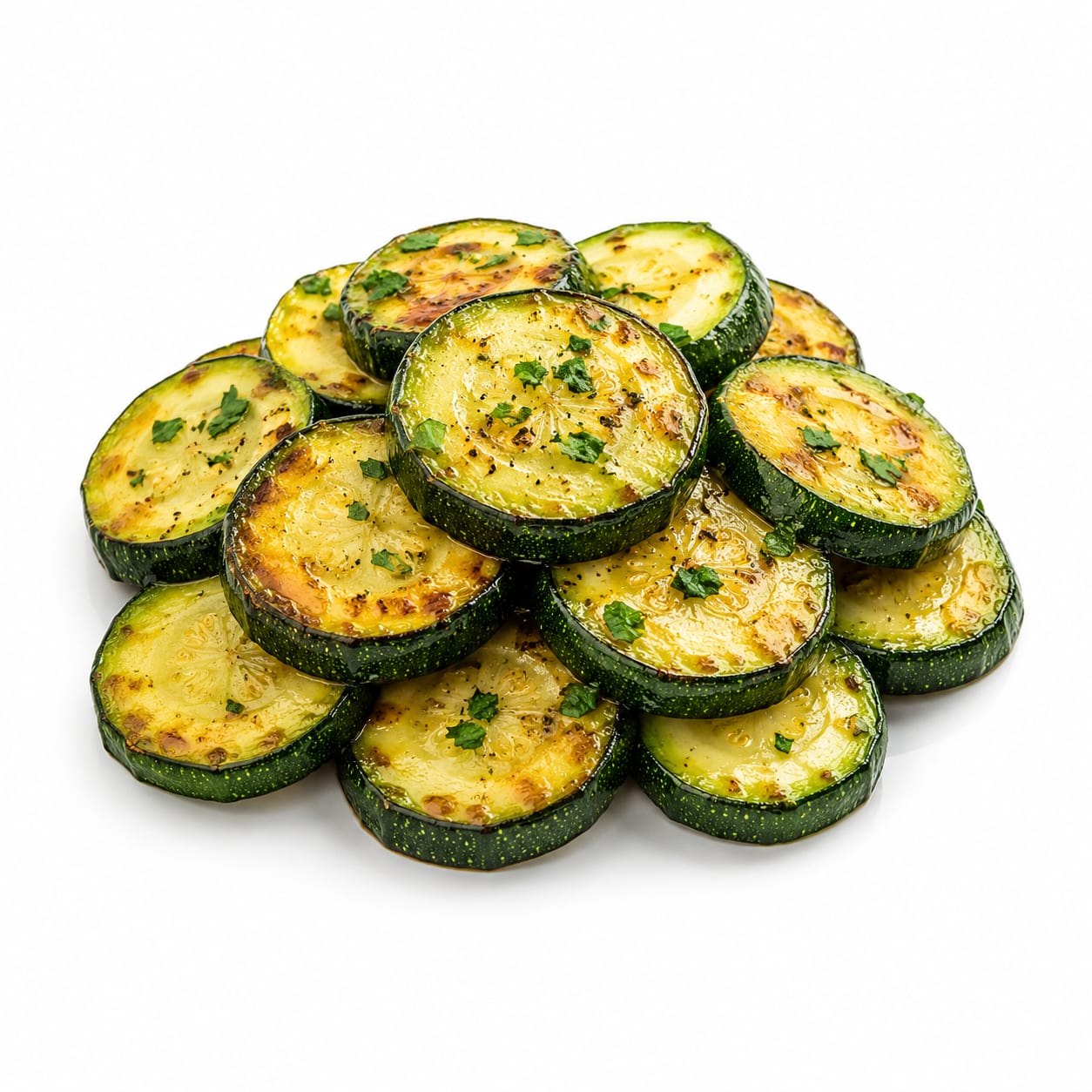
Zucchini
Zucchini delivers more nutrition and culinary flexibility, while cucumber wins for pure hydration and raw crunch.
Zucchini scores higher due to significantly better nutrient density and cooking versatility. Cucumber remains valuable for hydration and raw eating but offers less nutritional return per calorie.
Cucumber is lighter and more refreshing raw, but zucchini provides substantially more vitamins, minerals, and cooking versatility for nearly the same calories.
At a glance
Executive summary
Overall
Zucchini
Healthier
Zucchini
More practical
Zucchini
Daily use
Zucchini
Key comparison lenses
nutrient density comparison
Both are low-calorie water-rich vegetables, so the real question is which offers more nutritional value per bite
raw snacking vs cooking versatility
Cucumber is almost exclusively eaten raw while zucchini shines cooked, making them functionally different ingredients
weight loss and satiety
Both are popular diet foods, but users want to know which keeps them fuller longer
hydration and light eating
Both are go-to foods for hot weather and light meals, but differ in how satisfying they feel
digestive tolerance
Both are gentle on the stomach but have different fiber profiles that affect sensitive digestions differently
Best choice for
Cucumber
- Hot weather hydration
- Raw snacking and crudité platters
- Salads where crunch matters
- Very sensitive digestion needing minimal fiber
- Quick no-prep eating
Zucchini
- Cooked vegetable dishes and stir-fries
- Getting more vitamins on a low-calorie budget
- Meal prep and batch cooking
- Low-carb pasta replacements
- Baby-led weaning and toddler finger food
Least suitable for
Cucumber
- Cooked hot dishes where texture turns mushy
- Meeting daily vitamin needs efficiently
- Satiety without eating large volumes
- Anyone bored by bland flavors needing seasoning
Zucchini
- Raw crunch cravings
- No-cook situations without a kitchen
- Pure refreshment on scorching days
- Very low-fiber therapeutic diets
Deep comparison
Dimension by dimension
Each lens scores both foods and breaks down who each option suits.
- Dimension 1 · Priority 92Zucchini
Nutrient Density
Cucumber · 35Zucchini · 68Zucchini provides meaningfully more vitamin C, potassium, vitamin A, and B vitamins than cucumber, which is mostly water with trace nutrients.
Tradeoff
Cucumber's extreme water content makes it ultra-hydrating but nutritionally thin, while zucchini sacrifices a little hydration for substantially more vitamins and minerals.
Why it matters
If you are eating mostly low-calorie foods, getting more nutrients per bite matters. Zucchini helps you avoid micronutrient gaps that cucumber cannot fill.
Real-world impact
A cup of zucchini covers about 35% of your daily vitamin C needs. The same amount of cucumber covers barely 3%.
Cucumber
- Pure hydration without thinking about nutrition
- Days when you just want something refreshing, not nutrient-dense
Better for
- Reliance on cucumber for meaningful nutrition will leave gaps
- Cannot serve as a significant vitamin source
Worse for
Zucchini
- Maximizing vitamin intake on restricted calories
- Preventing nutrient shortfalls while dieting
- Supporting immune function with vitamin C
Better for
- Slightly less water per bite for pure rehydration
Worse for
- Dimension 2 · Priority 85Zucchini
Satiety and Fullness
Cucumber · 40Zucchini · 62Zucchini keeps you fuller longer thanks to more fiber and slightly more substance per serving. Cucumber disappears quickly from your stomach.
Tradeoff
Cucumber feels lighter and less filling, which is great for cooling down but poor for controlling hunger between meals.
Why it matters
If you are snacking to manage appetite, cucumber often leaves you hungry again within 30 minutes. Zucchini buys you more time.
Real-world impact
A zucchini-based snack at 3pm will likely hold you until dinner. Cucumber at 3pm often leads to another snack search by 3:30.
Cucumber
- When you want something light before a meal without ruining appetite
- Post-heavy-meal refreshment
Better for
- Hunger returns quickly after eating
- Easy to overeat other foods because cucumber barely registers
Worse for
Zucchini
- Bridging long gaps between meals
- Reducing overall snacking frequency
- Feeling satisfied on fewer calories
Better for
- Can feel too heavy if you want something ultra-light
Worse for
- Dimension 3 · Priority 88Zucchini
Culinary Versatility
Cucumber · 38Zucchini · 82Zucchini works raw, grilled, roasted, sautéed, spiralized into noodles, baked into breads, and stuffed. Cucumber is essentially limited to raw applications.
Tradeoff
Cucumber excels in its raw crunch niche but collapses into soggy disappointment when cooked. Zucchini adapts to almost any cooking method.
Why it matters
A vegetable you can cook a dozen ways gets eaten more often and wasted less. Versatility directly impacts whether healthy eating feels sustainable.
Real-world impact
Zucchini can replace pasta, bulk up soups, become fritters, or get grilled as a side. Cucumber makes salads and tzatziki. That range difference affects weekly meal planning significantly.
Cucumber
- No-cook meal assembly
- Refreshing additions to cold dishes
- Quick prep with zero cooking skills needed
Better for
- Cooked cucumber is texturally unpleasant
- Very limited recipe range
Worse for
Zucchini
- Hot meals and cooked dishes
- Low-carb pasta alternatives
- Meal prep that reheats well
- Creative recipes from fritters to muffins
Better for
- Requires some cooking knowledge for best results
- Overcooked zucchini gets mushy and unappealing
Worse for
- Dimension 4 · Priority 78Cucumber
Hydration and Refreshment
Cucumber · 92Zucchini · 78Cucumber is approximately 96% water and feels instantly cooling. Zucchini is also hydrating at around 94% water but feels more like eating a vegetable than drinking water.
Tradeoff
Cucumber delivers a more immediate refreshing sensation, while zucchini's slightly lower water content comes with more nutritional substance.
Why it matters
On a hot day or after exercise, cucumber feels like edible water. That sensory experience matters for compliance and enjoyment.
Real-world impact
Adding cucumber slices to water makes it more appealing to drink. Zucchini slices in water would feel confusing. That says everything about their refreshment roles.
Cucumber
- Summer heat and hot-weather snacking
- Post-workout refreshment
- Infusing water with flavor
- Palate cleansing between courses
Better for
- Hydration without electrolytes is incomplete
- Cannot replace proper fluid intake
Worse for
Zucchini
- Meals where hydration is secondary to nourishment
Better for
- Less immediately refreshing sensation
- Does not satisfy the craving for something crisp and cold
Worse for
- Dimension 5 · Priority 72It depends
Digestive Tolerance
Cucumber · 70Zucchini · 72Both are generally gentle, but they suit different sensitive digestions. Cucumber's lower fiber is easier for some, while zucchini's softer texture when cooked works better for others.
Tradeoff
Raw cucumber can cause bloating in sensitive people due to cucurbitacins and seeds, while cooked zucchini is often better tolerated than raw.
Why it matters
If you have IBS or a sensitive gut, the form matters more than the vegetable. Cooked zucchini is one of the most tolerated foods. Raw cucumber can be hit or miss.
Real-world impact
Many people with digestive issues report that peeling and seeding cucumber helps, while cooked zucchini rarely causes problems even for sensitive stomachs.
Cucumber
- Those who tolerate low-fiber raw foods well
- Quick digestion without fermentation
Better for
- Cucurbitacins can cause burping and bloating
- Seeds and skin bother some sensitive digestions
Worse for
Zucchini
- Sensitive stomachs when cooked until soft
- People who need gentle fiber that does not irritate
- Low-FODMAP diet followers in moderate portions
Better for
- Raw zucchini is harder to digest than cooked
- Excess fiber can be problematic in large amounts for very sensitive guts
Worse for
- Dimension 6 · Priority 70It depends
Blood Sugar Stability
Cucumber · 65Zucchini · 70Both have minimal impact on blood sugar due to extremely low carbohydrate content. Zucchini's slightly more fiber provides a marginal edge for glucose stability.
Tradeoff
The difference is small enough that neither food meaningfully spikes blood sugar. Both are safe for diabetic eating patterns.
Why it matters
When every carb gram counts for glucose management, zucchini's fiber-to-carb ratio is slightly more favorable, but both are excellent choices.
Real-world impact
Neither food will cause a blood sugar spike. The real benefit is using either to add volume to meals without adding glucose impact.
Cucumber
- Zero-stress blood sugar snacking
- Glycemic load is essentially zero
Better for
- Very low fiber means no glucose-buffering benefit
Worse for
Zucchini
- Slightly more fiber slows any glucose absorption marginally
- Better for sustained energy when paired with other foods
Better for
- Difference is too small to matter clinically for most people
Worse for
Timeline
Health impact over time
Short-term
Hours to days
Cucumber
- Immediate hydration boost from high water content
- Very low calorie intake that may not satisfy hunger
- Possible bloating or burping from cucurbitacins in some varieties
- Refreshing mouthfeel that can reduce the urge for sugary snacks
Zucchini
- Moderate satiety from fiber and water combination
- Gentle digestive support when cooked
- Vitamin C absorption supporting immediate immune function
- Versatile enough to replace higher-carb foods in a single meal
Long-term
Months to years
Cucumber
- Consistent hydration supporting kidney function
- Very low sustained nutrient contribution if relied on heavily
- Possible silica intake benefiting skin and connective tissue
- Minimal caloric contribution that may aid weight maintenance
Zucchini
- Better sustained micronutrient intake supporting long-term health
- Potassium contribution supporting blood pressure regulation
- Fiber supporting gut microbiome diversity over time
- Lutein and zeaxanthin intake supporting eye health
Risk profile
Safety & processing
Both cucumber and zucchini are whole vegetables typically eaten in their natural state. Wax coatings on conventional cucumbers are the main processing concern. Zucchini is almost never sold with additives. Both are about as natural as food gets.
Cucumber
Pesticide residue on skin
mediumCucumbers frequently appear on the EWG's Dirty Dozen list. The skin holds residues that are hard to wash off completely. Peeling reduces risk but removes nutrients.
Wax coatings
lowConventional cucumbers are often coated with food-grade wax to retain moisture. While generally safe, some consumers prefer to avoid these coatings. Peeling removes the wax layer.
Cucurbitacin toxicity
lowExtremely bitter cucumbers can contain elevated cucurbitacins, which cause digestive distress. This is rare in commercially grown varieties but possible in home gardens.
Zucchini
Pesticide residue
mediumZucchini also carries pesticide residues, though typically less than cucumbers. Organic options reduce this concern significantly.
Bitter compound accumulation
lowLike cucumbers, extremely bitter zucchini can indicate dangerous cucurbitacin levels. Discard any zucchini that tastes unusually bitter, as this is a safety signal.
Who wins for whom
Audience fit
Same foods, different winners depending on your goal.
children
ZucchiniCooked zucchini is softer and easier for young children to eat. Zucchini noodles and muffins are kid-friendly entry points that cucumber cannot match.
daily consumption
ZucchiniZucchini's nutritional contributions and recipe variety make it more sustainable to eat every day without boredom or nutrient gaps.
diabetes
ZucchiniBoth have negligible glycemic impact, but zucchini's slightly better fiber content and cooking versatility make it easier to build satisfying low-carb meals around.
elderly
ZucchiniCooked zucchini is gentler on aging digestive systems and easier to chew. Its potassium content also supports blood pressure management common in older adults.
muscle gain
ZucchiniNeither is a protein source, but zucchini's potassium and vitamin C better support recovery and can bulk up meals alongside protein without adding calories.
weight loss
ZucchiniBoth are extremely low calorie, but zucchini's higher fiber and greater satiety make it easier to stick with a calorie deficit without feeling deprived.
Your move
Decision guide
Choose Cucumber
- You want maximum refreshment on a hot day
- You are building a raw snack plate or salad
- You need something to crunch on that requires zero preparation
- You are hydrating after exercise and want edible water
- You find cooked vegetables unappealing and prefer raw foods
Choose Zucchini
- You want more nutrition per calorie from your vegetables
- You cook meals regularly and want a versatile ingredient
- You are trying to reduce pasta or bread with vegetable substitutes
- You need a vegetable that actually keeps you full between meals
- You are meal prepping for the week ahead
Either works if
- You just need a low-calorie vegetable to add volume to meals
- Both are available and you want variety in your diet
- Blood sugar management is your primary concern
Avoid both if
- You need calorie-dense or protein-rich foods to meet energy needs
- You are on a very low-fiber diet prescribed by a doctor
- You have a specific nightshade or cucurbit sensitivity
Final recommendation
Keep both in your kitchen but lean on zucchini as your daily workhorse vegetable. Its nutritional density and cooking versatility make it far more useful across the week. Save cucumber for its unbeatable raw crunch and hydration on days when refreshment matters more than nourishment. If you must pick one for overall health value, zucchini gives you more per bite.
Practical
Consumer tips
- 1
Buy organic cucumbers when possible, or peel them to reduce pesticide and wax exposure
- 2
Choose smaller zucchini for better texture and flavor, as large ones become watery and seedy
- 3
Slice cucumber with salt and let it sit for 10 minutes to draw out excess water before adding to salads
- 4
Spiralize zucchini as a pasta replacement but do not overcook, as 2 minutes of sautéing preserves the best texture
- 5
If cucumber causes bloating, try peeling and seeding it, or switch to English or Persian varieties which are gentler
- 6
Freeze blended zucchini into smoothies for creaminess without flavor, adding nutrients invisibly
- 7
Store both vegetables in the crisper drawer, but use cucumber within a week and zucchini within 5 days for best quality