
Nutrition comparison
Cucumber vs Pickle: Which Is Healthier? Nutrition, Sodium, and Probiotics Compared
Cucumber or pickle? Compare sodium content, probiotics, hydration, and processing to find out which one fits your health goals. Full nutritional tradeoff analysis.
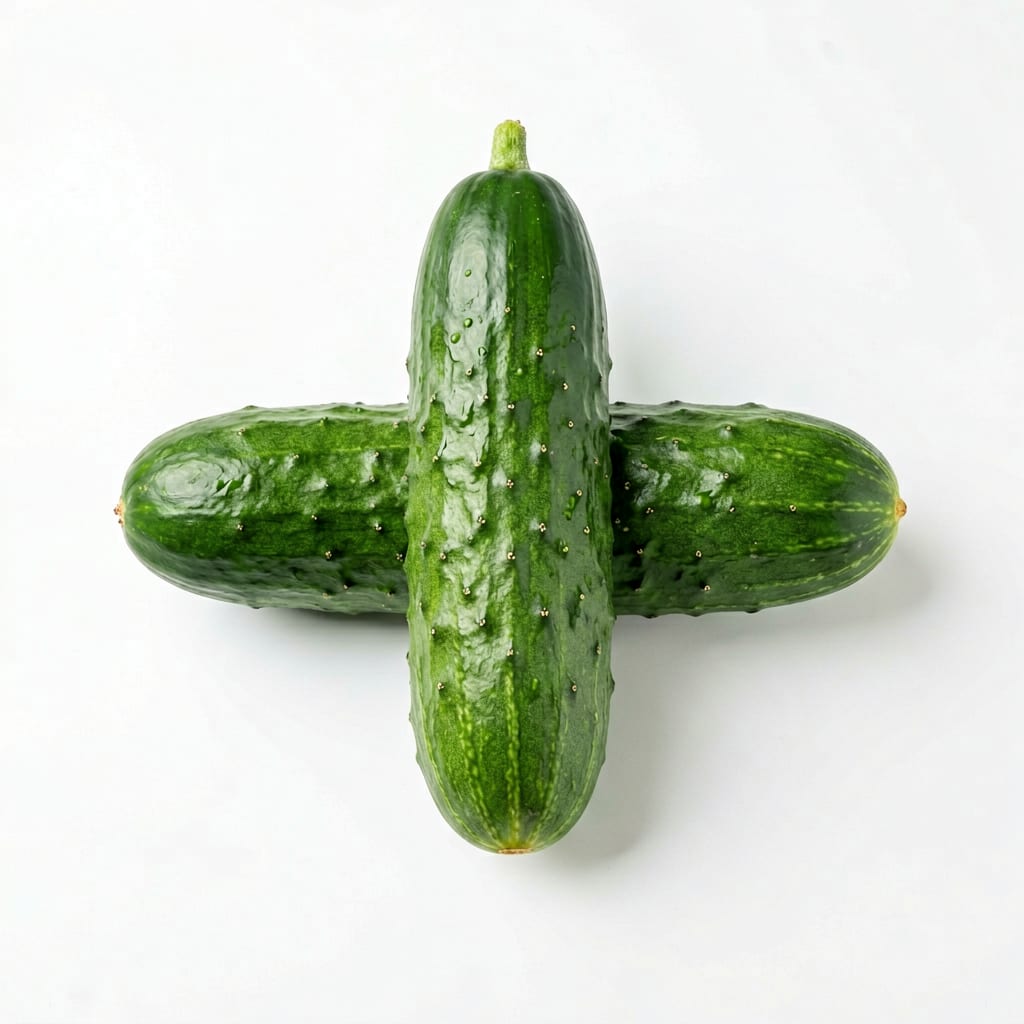
Cucumber
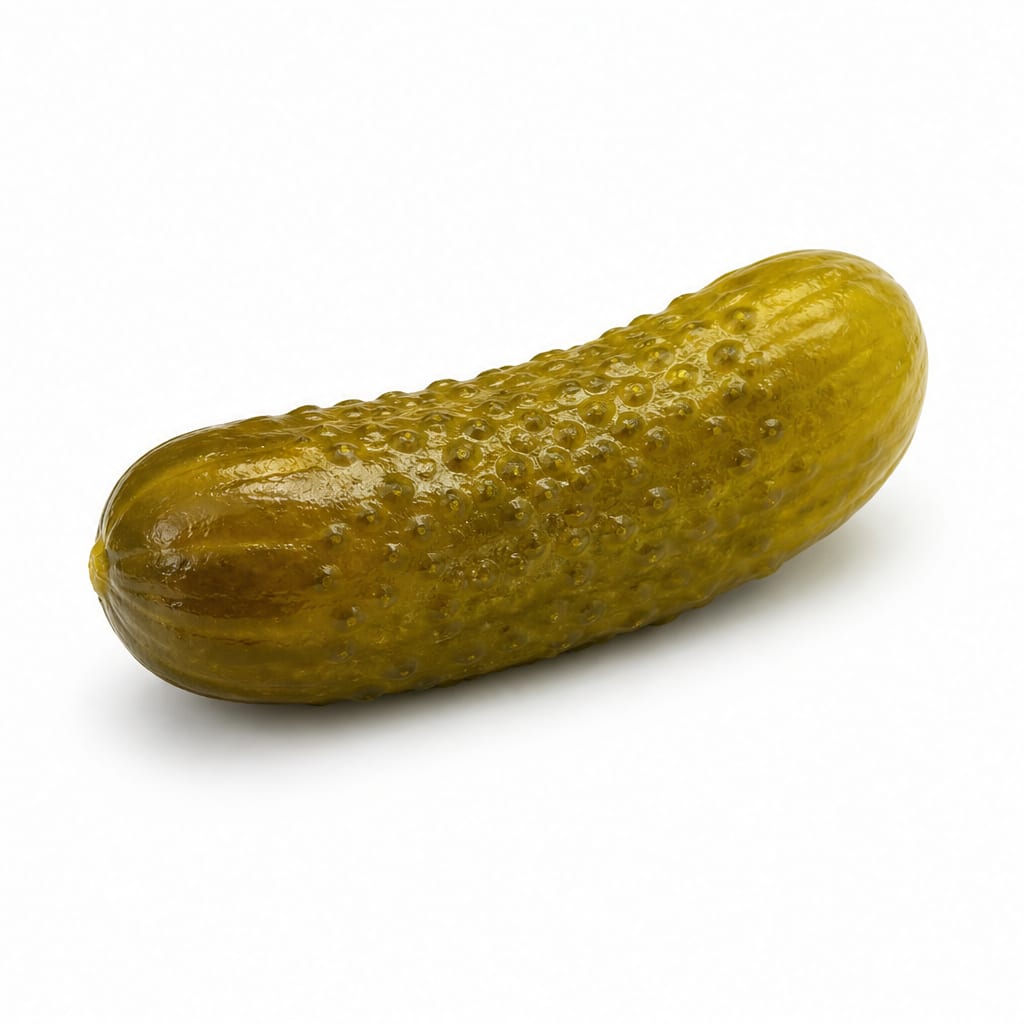
Pickle
Cucumbers win for everyday health and hydration, but pickles offer probiotic and flavor benefits if you can handle the sodium hit.
Cucumbers score higher due to superior hydration, zero sodium, and minimal processing. Pickles lose ground on sodium and additives but gain partial credit for probiotics and shelf stability. The gap reflects that most people should limit pickle intake, while cucumbers can be eaten freely.
You trade minimal sodium and maximum hydration for gut-friendly probiotics and bold flavor.
At a glance
Executive summary
Overall
It depends
Healthier
Cucumber
More practical
Pickle
Daily use
Cucumber
Key comparison lenses
sodium and blood pressure impact
The single most dramatic difference between cucumbers and pickles is sodium content, making this the dominant health concern for most people
processing and preservative exposure
Pickling transforms a raw vegetable into a preserved product with added salt, vinegar, and sometimes artificial preservatives
gut health and probiotics
Fermented pickles offer probiotic benefits that fresh cucumbers cannot provide, creating a meaningful tradeoff
hydration and calorie density
Cucumbers are one of the most hydrating foods available, while pickling adds minimal calories but changes the hydration profile
craving and snack behavior
Pickles are intensely flavored and salty, which can trigger different snacking patterns compared to mild fresh cucumbers
Best choice for
Cucumber
- People watching their blood pressure
- Anyone trying to stay hydrated
- Low-sodium diet followers
- Weight loss seekers wanting volume with almost zero calories
- People who snack frequently throughout the day
Pickle
- Gut health enthusiasts wanting probiotics
- Post-workout electrolyte replenishment
- People needing bold flavor without fat or sugar
- Those on keto or low-carb diets craving something salty
- Anyone wanting a long-lasting pantry staple
Least suitable for
Cucumber
- People seeking probiotic benefits
- Anyone needing electrolyte replacement after heavy sweating
- Those who find plain vegetables boring and need flavor to stay on track
Pickle
- People with hypertension or sodium sensitivity
- Anyone eating multiple pickles per day casually
- Children who already consume too much sodium
- Those prone to bloating from salt
Deep comparison
Dimension by dimension
Each lens scores both foods and breaks down who each option suits.
- Dimension 1 · Priority 95Cucumber
sodium_and_blood_pressure
Cucumber · 98Pickle · 15Cucumbers contain virtually no sodium. A single medium pickle can deliver 300-800mg of sodium, which is 13-35% of your daily limit.
Tradeoff
That salty crunch comes at a real cost for blood pressure. Two pickles can push you past half your daily sodium allowance.
Why it matters
High sodium intake is the leading dietary risk factor for hypertension, which affects nearly half of American adults.
Real-world impact
If you eat pickles regularly, you may notice puffiness, thirst, and higher blood pressure readings within days.
Cucumber
- Blood pressure management
- Kidney health
- Reducing bloating and water retention
Better for
- Situations requiring rapid sodium replenishment
Worse for
Pickle
- Quick electrolyte replacement after intense exercise or sauna sessions
Better for
- Anyone already exceeding daily sodium limits from other foods
- Evening snacking when salt leads to poor sleep and morning puffiness
Worse for
- Dimension 2 · Priority 82Pickle
gut_health_and_probiotics
Cucumber · 25Pickle · 78Traditionally fermented pickles contain live probiotic cultures that support digestion and gut flora. Cucumbers offer fiber but no probiotics.
Tradeoff
You get real gut benefits from fermented pickles, but shelf-stable vinegar pickles provide almost none of those advantages.
Why it matters
Gut microbiome diversity is linked to immunity, mood, and long-term disease risk. Fermented foods are one of the best ways to support it.
Real-world impact
Eating a fermented pickle with lunch can improve digestion that day. A vinegar pickle tastes similar but offers minimal gut benefit.
Cucumber
- Gentle fiber for regular digestion without any sodium downside
Better for
- Anyone specifically seeking probiotic intake from food sources
Worse for
Pickle
- Live probiotic cultures from fermented varieties
- Improved gut microbiome diversity with regular consumption
- Potential immune system support
Better for
- People who assume all pickles are probiotic when most store-bought versions are not fermented
Worse for
- Dimension 3 · Priority 70Cucumber
hydration_and_calorie_density
Cucumber · 95Pickle · 55Cucumbers are 96% water and provide genuine hydration with only 16 calories per cup. Pickles retain water content but the high salt actually increases thirst.
Tradeoff
Cucumbers hydrate you directly. Pickles make you want to drink more water, which can be useful or annoying depending on context.
Why it matters
Many people are chronically underhydrated, and water-rich foods contribute meaningfully to daily fluid intake.
Real-world impact
A cucumber on a hot afternoon actually refreshes you. A pickle makes you reach for another glass of water.
Cucumber
- Hot weather hydration
- Volume eating for weight management
- Post-meal freshness without added salt
Better for
- Scenarios where you want intense flavor satisfaction from very few calories
Worse for
Pickle
- Situations where you want to stimulate thirst and fluid intake deliberately
Better for
- Anyone already struggling to manage thirst in hot environments
Worse for
- Dimension 4 · Priority 75Cucumber
processing_and_additives
Cucumber · 97Pickle · 35Cucumbers are a whole food you eat as-is. Pickles undergo processing with salt, vinegar, and often artificial preservatives, colors, or flavor enhancers.
Tradeoff
That tangy flavor comes from a manufacturing process that strips some nutrients and adds compounds your body does not need.
Why it matters
Minimally processed diets are consistently linked to better long-term health outcomes across large population studies.
Real-world impact
Reading the ingredient label on pickles can reveal yellow dye, sodium benzoate, and polysorbate. Cucumbers have one ingredient.
Cucumber
- Clean eating goals
- Avoiding artificial preservatives and dyes
- Maximum nutrient retention
Better for
- Situations requiring long-term food storage without refrigeration
Worse for
Pickle
- Months of shelf stability without refrigeration
- Emergency food supplies and camping
Better for
- Anyone sensitive to sulfites, benzoates, or artificial colors commonly found in commercial pickles
Worse for
- Dimension 5 · Priority 60Pickle
flavor_satisfaction_and_craving_control
Cucumber · 30Pickle · 80Pickles deliver intense sour and salty flavor that satisfies cravings with very few calories. Cucumbers are mild and refreshing but rarely feel indulgent.
Tradeoff
Bold flavor makes pickles more satisfying per bite, but the saltiness can also trigger overeating and thirst-driven snacking loops.
Why it matters
People abandon diets not because of hunger but because of flavor boredom. A satisfying low-calorie option matters for adherence.
Real-world impact
One pickle can feel like a real snack. A cucumber often feels like a chore unless paired with dip or seasoning.
Cucumber
- People who prefer clean, light flavors
- Anyone trying to break a salt addiction cycle
Better for
- Dieters who find plain vegetables unsustainable and boring
Worse for
Pickle
- Keto and low-carb dieters needing flavor without carbs
- Emotional eaters wanting intense taste for minimal calories
- Replacing higher-calorie salty snacks
Better for
- Salt-sensitive snackers who cannot stop at one pickle
Worse for
- Dimension 6 · Priority 55Cucumber
nutrient_retention
Cucumber · 80Pickle · 45Fresh cucumbers retain their vitamin K, potassium, and vitamin C. Pickling leaches water-soluble vitamins and destroys heat-sensitive nutrients during processing.
Tradeoff
You lose some vitamins but gain bioavailable compounds from fermentation in traditionally made pickles.
Why it matters
Vitamin K for bone health and potassium for blood pressure are significantly reduced during pickling.
Real-world impact
A fresh cucumber contributes meaningfully to your daily vitamin K intake. A pickle contributes mostly sodium and vinegar.
Cucumber
- Vitamin K intake for bone and blood health
- Potassium for cardiovascular function
- Vitamin C for immune support
Better for
- Situations where nutrient density per calorie matters less than palatability
Worse for
Pickle
- Bioavailable peptides formed during fermentation that may support antioxidant activity
Better for
- Anyone relying on pickles as a vegetable serving expecting full nutritional value
Worse for
Timeline
Health impact over time
Short-term
Hours to days
Cucumber
- Immediate hydration boost due to extremely high water content
- Light, refreshing feeling without bloating or salt thirst
- Minimal blood sugar impact with virtually zero glycemic load
Pickle
- Rapid sodium intake that can cause noticeable thirst within minutes
- Potential bloating and water retention from salt load
- Sour flavor may aid digestion by stimulating stomach acid production
Long-term
Months to years
Cucumber
- Consistent hydration supports kidney function and skin health
- Very low sodium intake helps maintain healthy blood pressure long-term
- Minimal processing reduces exposure to preservatives and additives
Pickle
- Regular high sodium intake increases hypertension and cardiovascular risk significantly
- Fermented varieties may improve gut microbiome diversity and immune resilience over months
- Chronic overconsumption can contribute to kidney strain and osteoporosis via calcium loss
Risk profile
Safety & processing
Cucumbers are about as close to nature as food gets. Pickles undergo brining or fermentation with added salt, vinegar, and frequently artificial preservatives or colors. The gap is significant for anyone prioritizing whole-food eating.
Cucumber
Pesticide residue on conventional skins
mediumCucumbers rank moderately on pesticide residue lists. Peeling reduces exposure but also removes fiber and nutrients.
Foodborne illness from improper washing
lowSurface contamination is possible but easily managed with thorough rinsing.
Pickle
Excessive sodium consumption
highA single pickle can contain 300-800mg of sodium. Eating several per day easily exceeds safe limits and raises blood pressure.
Artificial preservatives and dyes
mediumMany commercial pickles contain sodium benzoate, yellow dye, and polysorbate 80, which have raised health concerns in some studies.
Botulism from improper home fermentation
lowHome-pickled vegetables carry a small but real botulism risk if proper acidity and sanitation are not maintained.
Who wins for whom
Audience fit
Same foods, different winners depending on your goal.
children
CucumberChildren already consume excessive sodium from processed foods. Adding pickles worsens this, while cucumbers provide hydration and mild nutrition without risk.
daily consumption
CucumberYou can eat cucumbers all day every day with no downside. Daily pickle consumption would push sodium intake into dangerous territory for most people.
diabetes
CucumberBoth have negligible blood sugar impact, but cucumbers avoid the sodium-driven insulin resistance link seen in high-salt diets.
elderly
CucumberOlder adults are more sodium-sensitive and at higher risk for hypertension. Cucumbers support hydration and blood pressure management safely.
muscle gain
It dependsNeither food contributes meaningful protein. Pickles may offer slight post-workout electrolyte benefit, but both are irrelevant for muscle building directly.
weight loss
CucumberBoth are very low in calories, but cucumbers provide more volume and hydration without triggering salt-driven cravings that lead to overeating.
Your move
Decision guide
Choose Cucumber
- You have high blood pressure or are sodium-sensitive
- You want maximum hydration with almost zero calories
- You follow a whole-food, minimally processed eating philosophy
- You snack frequently and need something you can eat in large volume guilt-free
- You are feeding children who already get too much sodium from other sources
Choose Pickle
- You want gut-friendly probiotics from a traditionally fermented brand
- You are an athlete needing electrolyte replacement after heavy sweating
- You are on a keto or low-carb diet and need intense flavor without carbs
- You find plain vegetables unsustainable and need bold taste to stay on track
- You want a shelf-stable snack for travel, camping, or emergency kits
Either works if
- You just want a low-calorie crunchy snack and can moderate pickle portions
- You are already eating a balanced diet with controlled sodium intake
Avoid both if
- You have a cucumber or ragweed allergy, which can cause oral allergy syndrome
- You are on a strict low-acid diet and cannot tolerate pickle vinegar
Final recommendation
Keep cucumbers as your daily default. They hydrate, satisfy crunch cravings, and never sabotage your sodium budget. Add one fermented pickle occasionally as a probiotic boost and flavor treat, but treat it like a condiment rather than a vegetable serving. If your pickle is not fermented, it is just a salty cucumber with fewer nutrients and more additives.
Practical
Consumer tips
- 1
Look for pickles labeled 'naturally fermented' or 'refrigerated probiotic' to actually get the gut health benefits. Shelf-stable vinegar pickles are not probiotic.
- 2
Rinse pickles briefly under water to remove up to 20% of surface sodium without losing much flavor.
- 3
Choose organic cucumbers when possible, or peel conventional ones to reduce pesticide exposure at the cost of some fiber.
- 4
Slice cucumbers and toss with lemon juice, salt substitute, and dill to get pickle-like flavor with a fraction of the sodium.
- 5
Limit yourself to one pickle per day maximum if you eat them regularly, and track that sodium in your daily intake.
- 6
Check pickle ingredient lists for yellow dye, sodium benzoate, and polysorbate. Simpler ingredient lists mean fewer unnecessary additives.