
Nutrition comparison
Cucumber vs Kale: Which Is Actually Better for You?
Cucumber is refreshing and hydrating while kale is a nutrient powerhouse. Compare their health benefits, pesticide risks, and best uses to make the right choice for your diet.
Overall winner · Kale
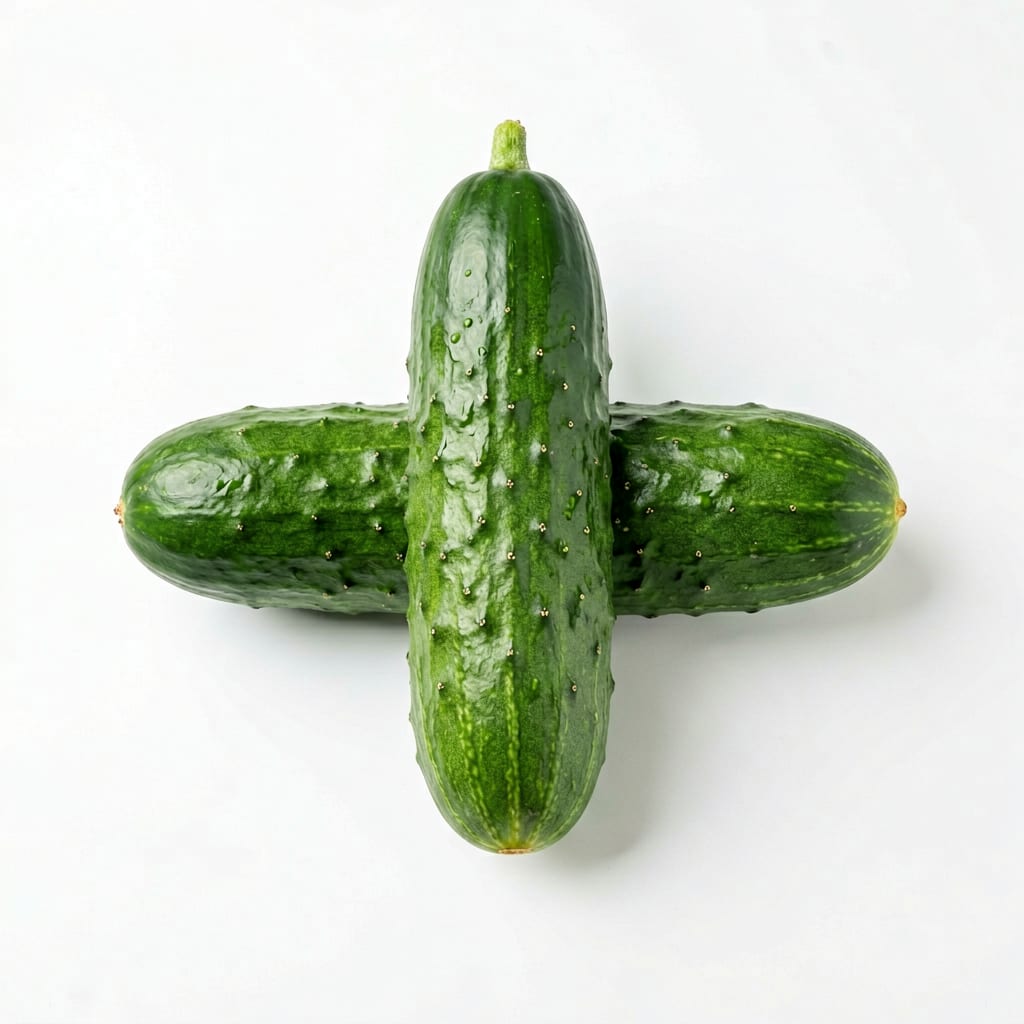
Cucumber
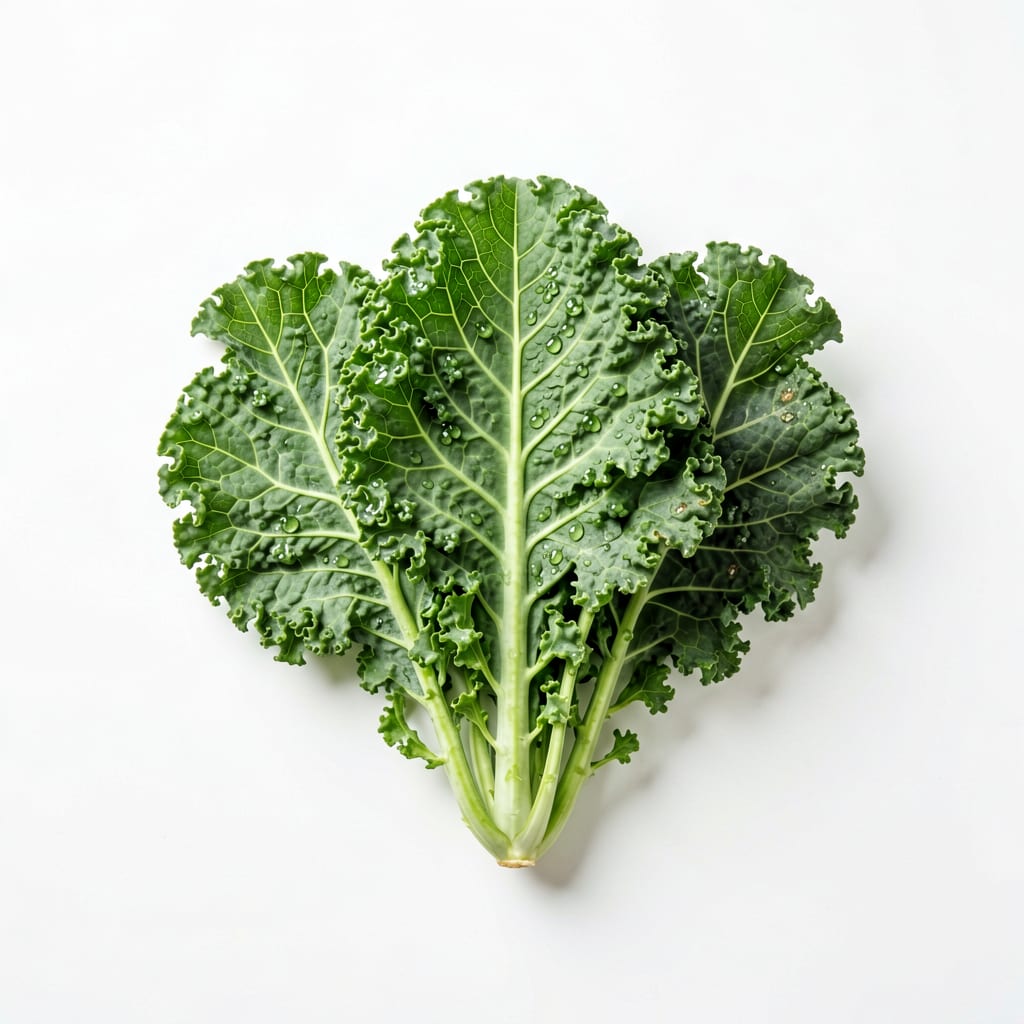
Kale
Kale wins on nutritional firepower by a wide margin, but cucumber has a legitimate role as a hydrating, gentle, low-effort food that kale cannot replace.
Kale scores significantly higher due to its exceptional nutrient density, fiber content, and disease-fighting compounds. Cucumber is not nutritionally competitive but earns points for hydration, digestibility, and convenience. The gap reflects that kale is a nutritional powerhouse while cucumber is mostly water with modest nutrients.
Massive nutrient density versus effortless digestion and hydration. Kale gives you more per bite; cucumber gives you more bites with less work.
At a glance
Executive summary
Overall
Kale
Healthier
Kale
More practical
Cucumber
Daily use
It depends
Key comparison lenses
nutrient density comparison
Kale is one of the most nutrient-dense foods on the planet while cucumber is mostly water, making this the starkest contrast between these two
hydration vs nourishment tradeoff
Cucumber excels at hydration and lightness while kale delivers concentrated vitamins and minerals — they serve fundamentally different purposes
thyroid and digestive sensitivity
Raw kale contains goitrogens that can affect thyroid function, while cucumber is gentle and unlikely to trigger sensitivities
pesticide exposure risk
Kale consistently appears on the Dirty Dozen list with high pesticide residues; cucumber is moderate but peeling reduces risk significantly
weight loss and satiety strategy
Both are low-calorie but serve different roles — cucumber for volume eating, kale for nutrient satiety
Best choice for
Cucumber
- Hot weather hydration and refreshment
- Sensitive stomachs or digestive recovery
- Thyroid concerns requiring low-goitrogen foods
- Effortless snacking with zero prep
- Volume eating for weight loss without cooking
Kale
- Maximizing vitamin and mineral intake per calorie
- Fighting inflammation and oxidative stress
- Boosting iron, calcium, and vitamin K levels
- Supporting heart and bone health long-term
- Adding nutritional depth to smoothies and meals
Least suitable for
Cucumber
- Anyone relying on it as a primary vegetable for nutrients
- Those needing iron, calcium, or vitamin K from food sources
- People seeking sustained satiety from vegetables
Kale
- People with hypothyroidism eating it raw in large amounts
- Those prone to kidney stones from oxalates
- Anyone wanting a quick no-prep snack on the go
Deep comparison
Dimension by dimension
Each lens scores both foods and breaks down who each option suits.
- Dimension 1 · Priority 95Kale
nutrient_density
Cucumber · 15Kale · 95Kale is one of the most nutrient-dense foods available; cucumber is mostly water with trace nutrients.
Tradeoff
You would need to eat enormous volumes of cucumber to approach the vitamins in a single serving of kale.
Why it matters
If your plate has limited space, kale delivers dramatically more vitamins K, A, C, iron, calcium, and manganese per bite.
Real-world impact
A cup of kale covers over 100% of your daily vitamin K and vitamin A needs. A cup of cucumber covers roughly 2-4% of most vitamins.
Cucumber
- Avoiding vitamin K if on blood thinners
- Keeping meals light and non-taxing on digestion
Better for
- Reliance on cucumber as a meaningful vegetable serving
- Risk of nutrient gaps if substituting for darker greens regularly
Worse for
Kale
- Preventing nutrient deficiencies on a calorie-restricted diet
- Getting the most health value from every meal
Better for
- Overconsumption of vitamin K for those on warfarin
- Potential for nutrient competition if eaten in extreme excess
Worse for
- Dimension 2 · Priority 80Cucumber
hydration_and_lightness
Cucumber · 95Kale · 40Cucumber is 96% water and incredibly refreshing; kale is dense and requires more effort to consume in volume.
Tradeoff
Cucumber excels at keeping you hydrated and light; kale fills you with nutrients but not water.
Why it matters
In hot weather, after exercise, or when you feel depleted, cucumber's water content provides genuine hydration that kale cannot match.
Real-world impact
Eating a whole cucumber feels like drinking a glass of water with a crunch. Eating a large kale salad feels like a dense meal.
Cucumber
- Post-workout refreshment
- Hot summer days when appetite is low
- Recovery from dehydration or illness
Better for
- Times when you need sustained energy and satiety
- Replacing meals where nutrients actually matter
Worse for
Kale
- Situations where you need lasting energy and fullness from food
Better for
- When you are already full and just want something light
- Hot weather eating when heavy greens feel unappealing
Worse for
- Dimension 3 · Priority 82Kale
fiber_and_satiety
Cucumber · 25Kale · 85Kale provides roughly 4-5 times more fiber per serving than cucumber, leading to significantly better fullness.
Tradeoff
Kale keeps you satisfied longer; cucumber disappears from your stomach quickly leaving hunger to return fast.
Why it matters
Fiber slows digestion, stabilizes blood sugar, and feeds gut bacteria. Kale contributes meaningfully; cucumber barely moves the needle.
Real-world impact
A kale salad at lunch can keep you full until dinner. Cucumber slices as a snack will leave you hungry again within an hour.
Cucumber
- Moments when you want to eat without feeling full
- Late-night snacking where you want minimal digestive load
Better for
- Anyone relying on vegetables to manage hunger between meals
- Those needing fiber to support digestive regularity
Worse for
Kale
- Weight management through natural appetite control
- Gut health and regular digestion support
Better for
- People with IBS or fiber sensitivity during flare-ups
Worse for
- Dimension 4 · Priority 72Cucumber
digestive_tolerance_and_gentleness
Cucumber · 90Kale · 45Cucumber is gentle and easy on the digestive system; raw kale can be tough to break down and may cause bloating.
Tradeoff
Cucumber is soothing and requires little digestive effort; kale demands more work from your gut and can cause discomfort in sensitive people.
Why it matters
If you have IBS, a sensitive stomach, or are recovering from illness, cucumber is safe and calming while raw kale can trigger bloating and gas.
Real-world impact
Many people feel gassy or uncomfortable after a large raw kale salad. Cucumber almost never causes digestive complaints.
Cucumber
- Post-illness recovery eating
- IBS or sensitive digestion management
- Gentle detox or cleanse-style eating
Better for
- Situations where you want to strengthen gut motility with fiber
Worse for
Kale
- Building digestive resilience over time with fiber adaptation
- Supporting a robust and diverse gut microbiome
Better for
- Anyone currently experiencing bloating or GI distress
- People unaccustomed to high-fiber raw greens
Worse for
- Dimension 5 · Priority 85Kale
anti_inflammatory_and_antioxidant_power
Cucumber · 15Kale · 92Kale is loaded with flavonoids, carotenoids, and glucosinolates that fight inflammation; cucumber has minimal antioxidant content.
Tradeoff
Kale actively combats cellular damage and inflammation; cucumber provides essentially no meaningful antioxidant protection.
Why it matters
Chronic inflammation drives heart disease, cancer, and aging. Kale is one of the best dietary tools to fight it; cucumber does not help here.
Real-world impact
Regular kale consumption is associated with reduced inflammatory markers. Cucumber consumption is associated with feeling refreshed.
Cucumber
- Not applicable — cucumber does not meaningfully contribute to anti-inflammatory goals
Better for
- Anyone specifically eating to reduce inflammation
- Those seeking antioxidant protection from vegetables
Worse for
Kale
- Reducing chronic inflammation naturally
- Long-term disease risk reduction
- Supporting skin health through carotenoids
Better for
- People on blood-thinning medications who must limit vitamin K intake
Worse for
- Dimension 6 · Priority 68Cucumber
pesticide_and_contamination_risk
Cucumber · 65Kale · 35Kale is consistently on the EWG Dirty Dozen list with frequent pesticide detections; cucumber is moderate risk but peeling removes most residue.
Tradeoff
Cucumber's peel can be removed to eliminate most pesticides; kale cannot be peeled and retains more surface residue.
Why it matters
If you cannot afford organic, cucumber is easier to make safer at home by peeling. Kale requires organic purchase to avoid significant pesticide exposure.
Real-world impact
Conventional kale often tests positive for multiple pesticide residues including some with potential hormonal effects. Peeled conventional cucumber is relatively clean.
Cucumber
- Budget-conscious shoppers who buy conventional produce
- Anyone wanting to reduce pesticide exposure without buying organic
Better for
- Eating unpeeled conventional cucumber retains moderate pesticide risk
Worse for
Kale
- Not applicable — kale does not win on pesticide safety
Better for
- Regular consumption of conventional kale carries meaningful pesticide exposure
- Inability to remove surface residues through peeling
Worse for
- Dimension 7 · Priority 60Cucumber
thyroid_impact
Cucumber · 90Kale · 40Raw kale contains goitrogens that can interfere with thyroid function; cucumber has no goitrogenic compounds.
Tradeoff
Cucumber is thyroid-safe in any amount; raw kale in large quantities may pose risks for those with existing thyroid issues.
Why it matters
For people with hypothyroidism or Hashimoto's, raw kale consumption needs to be moderated. Cooking reduces goitrogens significantly but does not eliminate them.
Real-world impact
A daily green smoothie with raw kale could worsen thyroid symptoms in sensitive individuals. Cucumber in that same smoothie carries zero thyroid risk.
Cucumber
- Anyone with diagnosed hypothyroidism
- People taking thyroid medication who want to avoid interference
Better for
- Not applicable — cucumber has no thyroid downsides
Worse for
Kale
- People with healthy thyroid function who cook kale before eating
Better for
- Raw kale smoothies consumed daily by those with thyroid conditions
- Large raw kale salads for people with undiagnosed thyroid issues
Worse for
Timeline
Health impact over time
Short-term
Hours to days
Cucumber
- Quick hydration and refreshment
- Very low digestive burden — easy on the stomach
- Minimal satiety — hunger returns quickly
- Almost no blood sugar impact
Kale
- Noticeable fullness from fiber and nutrient density
- Possible bloating or gas if unaccustomed to raw cruciferous vegetables
- Steadier blood sugar from fiber content
- Energy from B-vitamins and iron
Long-term
Months to years
Cucumber
- Insufficient as a primary vegetable — nutrient gaps likely
- Good for maintaining hydration habits
- Very low risk of any negative effects from overconsumption
- Minimal contribution to disease prevention
Kale
- Strong protection against cardiovascular disease and certain cancers
- Improved bone density from vitamin K and calcium
- Better iron status, especially for plant-based eaters
- Potential thyroid issues if consumed raw in extreme excess
Risk profile
Safety & processing
Both cucumber and kale are whole, unprocessed foods as typically consumed. Neither carries additive concerns in their natural form. The main difference is that kale is more often found in processed forms like chips or powders, which can add sodium, oils, and preservatives.
Cucumber
Pesticide residue on peel
mediumConventional cucumber peel retains moderate pesticide residues. Peeling removes the majority of risk, but also removes most of the limited nutrients.
Wax coatings
lowSome conventional cucumbers have edible wax coatings to retain moisture. These are generally recognized as safe but may trap pesticide residue under the wax.
Kale
High pesticide residue
highKale consistently ranks on the EWG Dirty Dozen list. Multiple pesticide residues are frequently detected, including some with potential endocrine-disrupting effects. Organic is strongly recommended.
Goitrogenic compounds
mediumRaw kale contains glucosinolates that can interfere with thyroid hormone production. Cooking significantly reduces this risk. People with thyroid conditions should moderate raw kale intake.
Oxalate content
lowKale contains moderate oxalates, lower than spinach but still relevant for those prone to calcium oxalate kidney stones.
Who wins for whom
Audience fit
Same foods, different winners depending on your goal.
children
CucumberCucumber is mild, crunchy, and kid-friendly. Kale's bitter taste and tough texture make it a hard sell for most children, and its goitrogen content is a mild concern for developing thyroids.
daily consumption
It dependsCucumber can be eaten daily without concern by anyone. Kale can be eaten daily by most people but requires organic sourcing and cooking for those with thyroid sensitivity. Both are safe daily choices with different caveats.
diabetes
KaleKale's fiber content slows glucose absorption and its antioxidants help reduce diabetic inflammation. Cucumber is blood sugar safe but does not actively improve glycemic control.
elderly
KaleKale's vitamin K and calcium support bone density, and its antioxidants protect against age-related decline. Cucumber's low nutrient density is a missed opportunity for older adults who need concentrated nutrition.
muscle gain
KaleKale provides iron, calcium, and vitamin K which support bone and muscle health. Cucumber contributes almost nothing to muscle-building nutrition, though neither is a protein source.
weight loss
It dependsCucumber is better for volume eating and feeling full on fewer calories. Kale is better for nutrient satiety that prevents cravings long-term. Both work — through different mechanisms.
Your move
Decision guide
Choose Cucumber
- You want maximum hydration and refreshment
- You have a sensitive stomach or are recovering from illness
- You have thyroid issues and want to avoid goitrogens
- You need a zero-effort snack with no prep required
- You are buying conventional produce and want lower pesticide risk
Choose Kale
- You want the most nutritional value per bite
- You are looking to reduce inflammation and disease risk long-term
- You can afford organic produce to avoid pesticide exposure
- You want a vegetable that actually keeps you full
- You are plant-based and need iron, calcium, and vitamin K from food
Either works if
- You want low-calorie vegetable options for weight management
- You are building a diverse salad or smoothie with multiple ingredients
- You want whole, unprocessed foods in your diet
Avoid both if
- You need significant protein or healthy fats — neither food provides these
- You are looking for a calorie-dense energy source for athletic performance
Final recommendation
Eat both for different reasons. Use kale as your nutritional anchor — a serving or two most days provides vitamins and protection that cucumber simply cannot match. Use cucumber as your hydration tool and light snack when you want refreshment without digestive effort. If you must pick one for health impact, kale wins decisively. If you must pick one for ease and gentleness, cucumber wins. The smartest approach is kale at meals, cucumber between them.
Practical
Consumer tips
- 1
Buy organic kale whenever possible — it is one of the most pesticide-contaminated vegetables available
- 2
Peel conventional cucumbers to remove most pesticide residue and wax coatings
- 3
Massage raw kale with olive oil and salt for 2 minutes to break down tough fibers and reduce bitterness
- 4
Lightly steaming kale reduces goitrogens by roughly half while preserving most nutrients
- 5
Add cucumber to your water for flavor — it makes hydration more appealing without adding calories
- 6
Freeze kale leaves for smoothies — they blend better and the cold masks any bitterness
- 7
If you have thyroid issues, cook kale before eating and limit raw kale to a few times per week
- 8
Cucumber loses most of its few nutrients when peeled, so keep the peel on when eating organic