
Nutrition comparison
Carrot vs Cucumber: Nutrition, Satiety, and Hydration Compared
Carrot or Cucumber? Discover which crunchy snack is better for weight loss, hydration, and vitamins. A complete nutritional comparison to help you choose.
Overall winner · Carrot
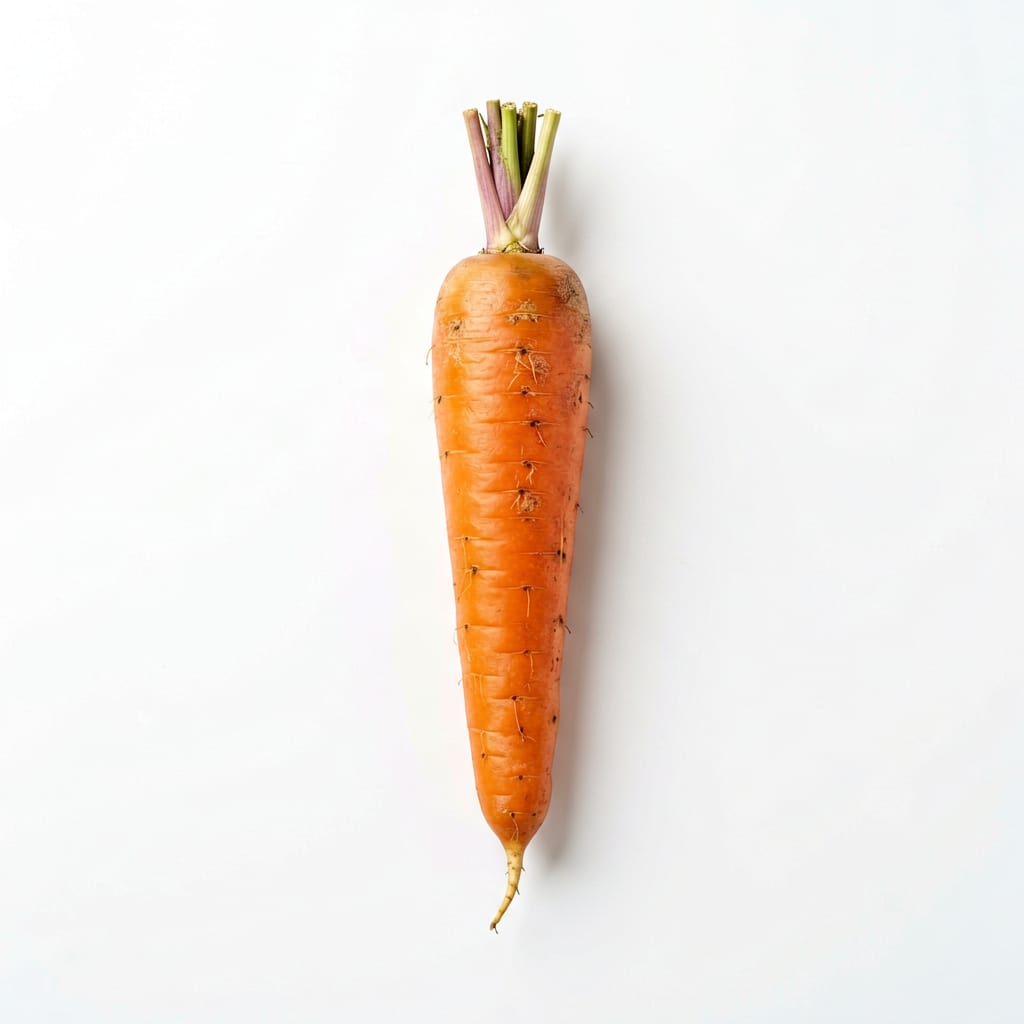
Carrot
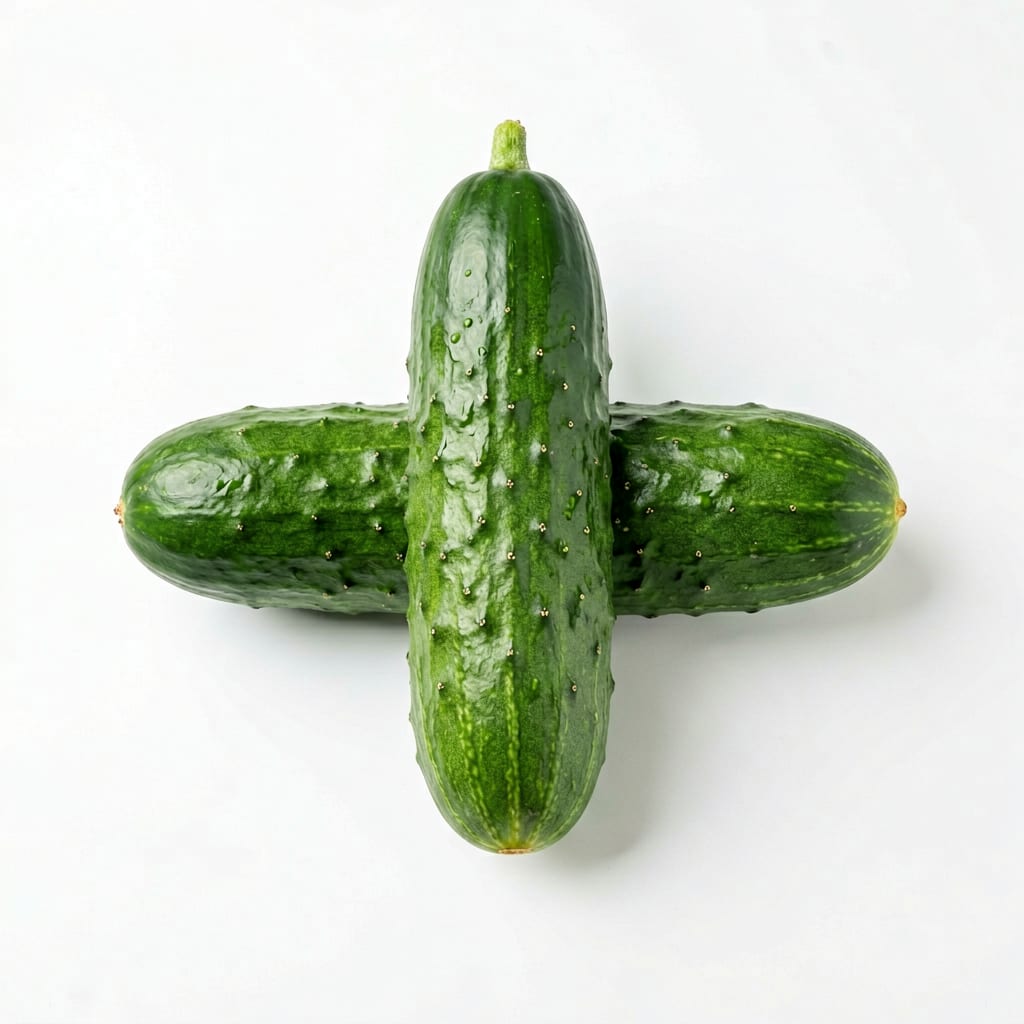
Cucumber
Carrot wins on nutritional density and lasting fullness, while Cucumber dominates for pure hydration and ultra-low calories.
Carrot scores higher because it delivers substantially more micronutrients and fiber, making it a more impactful daily food. Cucumber is refreshing but nutritionally shallow.
Substance versus refreshment. Carrot gives your body more to work with; Cucumber gives your mouth more water.
At a glance
Executive summary
Overall
Carrot
Healthier
Carrot
More practical
Cucumber
Daily use
Carrot
Key comparison lenses
Low-calorie snacking and weight management
Both are classic diet snacks, but they serve very different roles in satiety and nutrition.
Hydration vs. Nutrition tradeoff
Cucumber provides water and refreshment, while Carrot delivers dense vitamins and fiber.
Blood sugar and diabetes-friendly eating
Users often wonder which crunchy vegetable is safer for blood sugar, given Carrot's natural sugars.
Best choice for
Carrot
- People wanting a filling afternoon snack
- Anyone needing more Vitamin A for eye health
- Those looking to increase daily fiber intake
Cucumber
- People needing extreme low-calorie volume
- Anyone struggling to stay hydrated
- Those wanting a refreshing crunch without any sweetness
Least suitable for
Carrot
- People on strict very-low-carb diets tracking every gram
- Infants without proper chewing ability due to choking risk
Cucumber
- People needing sustained energy from their snacks
- Anyone looking for significant vitamin or mineral intake
Deep comparison
Dimension by dimension
Each lens scores both foods and breaks down who each option suits.
- Dimension 1 · Priority 95Carrot
Micronutrient Density
Carrot · 92Cucumber · 25Carrot is a nutritional powerhouse compared to Cucumber.
Tradeoff
You get far more vitamins per bite with Carrot, but Cucumber is easier to eat in massive quantities.
Why it matters
Vitamin A from Carrots is crucial for vision and immune function. Cucumbers simply do not offer this.
Real-world impact
Eating Carrots regularly can genuinely support eye health and skin clarity. Cucumbers will not move the needle on vitamin intake.
Carrot
- Meeting daily Vitamin A needs
- Boosting immune function
- Improving skin health from within
Better for
- Those mistakenly avoiding all carbs
Worse for
Cucumber
- Avoiding excess sugar (though minimal in Carrots)
- Eating without any nutritional planning
Better for
- Correcting nutrient deficiencies
Worse for
- Dimension 2 · Priority 80Cucumber
Hydration and Refreshment
Carrot · 45Cucumber · 98Cucumber is essentially crunchy water, making it the ultimate hydrating snack.
Tradeoff
Cucumber quenches thirst beautifully but provides almost no sustenance to keep you full.
Why it matters
Staying hydrated helps with energy and appetite control, and Cucumber makes it effortless.
Real-world impact
On a hot day or after a workout, Cucumber feels revitalizing in a way Carrot simply cannot match.
Carrot
- Needing a snack that actually fills your stomach
Better for
- Quenching acute thirst
Worse for
Cucumber
- Hot summer days
- Post-workout refreshment
- Increasing daily water intake effortlessly
Better for
- Satisfying actual hunger
Worse for
- Dimension 3 · Priority 85Carrot
Satiety and Fiber
Carrot · 82Cucumber · 35Carrot's fiber content makes it a much more filling snack than Cucumber.
Tradeoff
Carrot stalls hunger effectively, while Cucumber might leave you reaching for another snack ten minutes later.
Why it matters
A snack that actually keeps you full prevents overeating later in the day.
Real-world impact
A bowl of Carrot sticks will keep you satisfied until dinner. A bowl of Cucumber slices will not.
Carrot
- Bridging the gap between meals
- Preventing late-afternoon energy crashes
- Reducing overall daily calorie intake through fullness
Better for
- Moments when you want a very light stomach
Worse for
Cucumber
- Late-night grazing where you want zero calorie impact
Better for
- Controlling binge eating triggers
Worse for
- Dimension 4 · Priority 75Cucumber
Blood Sugar Stability
Carrot · 65Cucumber · 95Cucumber has virtually zero impact on blood sugar, whereas Carrot has a small but real amount of natural sugar.
Tradeoff
Cucumber is the safest bet for strict blood sugar control, though Carrot's sugar is not dangerous for most people.
Why it matters
For diabetics, even small amounts of carbohydrate matter. Cucumber removes the worry entirely.
Real-world impact
If you are monitoring glucose closely, Cucumber is a stress-free snack. Carrots are fine for most, but require a bit more awareness.
Carrot
- Providing a gentle energy lift
Better for
- Those counting every single carb gram
Worse for
Cucumber
- Strict diabetic meal plans
- Pairing with high-fat dips without spiking insulin
Better for
- Recovering from a blood sugar dip
Worse for
Timeline
Health impact over time
Short-term
Hours to days
Carrot
- Provides quick, steady energy from natural carbs
- Satisfies crunch cravings effectively
Cucumber
- Instantly refreshing and cooling
- Helps alleviate mild dehydration
Long-term
Months to years
Carrot
- Significantly boosts Vitamin A status for vision health
- Supports digestive regularity through consistent fiber intake
Cucumber
- Supports overall hydration habits
- Contributes to very low-calorie dietary patterns for weight maintenance
Risk profile
Safety & processing
Both Carrots and Cucumbers are whole, natural foods. The only processing concern is the wax sometimes applied to Cucumber skins for transport, which is easily removed by peeling or washing.
Carrot
Choking hazard
mediumHard, raw Carrot sticks are a known choking risk for toddlers and young children. Always grate or cook for kids under 4.
Pesticide residue
lowConventional Carrots can carry pesticide residue on the surface, but peeling or washing thoroughly resolves this.
Cucumber
Wax coatings
lowConventional Cucumbers are often coated with food-grade wax to retain moisture. Peeling removes the wax entirely.
Pesticide residue
mediumCucumber skin can harbor pesticides. If eating the skin for nutrients, choosing organic is advisable.
Who wins for whom
Audience fit
Same foods, different winners depending on your goal.
children
CarrotKids often prefer the sweeter taste of Carrots, and the Vitamin A is vital for development, provided they are served safely.
daily consumption
CarrotCarrot provides a more meaningful daily contribution to your vitamin and fiber needs.
diabetes
CucumberCucumber has virtually zero carbohydrates, removing any blood sugar anxiety.
elderly
CucumberCucumber is much easier to chew and digest for aging teeth and sensitive stomachs.
muscle gain
It dependsNeither provides protein, though Carrot offers slightly more metabolic support for active bodies.
weight loss
CucumberCucumber provides massive volume for almost zero calories, making it the ultimate diet food for sheer bulk.
Your move
Decision guide
Choose Carrot
- You want a snack that actually keeps you full
- You are looking to boost your Vitamin A intake
- You need sustained energy for a busy afternoon
Choose Cucumber
- You feel thirsty and want a refreshing crunch
- You are counting calories very strictly
- You want a zero-guilt late-night snack
Either works if
- You just need a healthy vehicle for hummus or ranch
- You are trying to replace chips with a crunchy vegetable
Avoid both if
- You need a significant source of protein or dietary fat
- You are looking for a meal replacement rather than a light snack
Final recommendation
Keep both in your fridge. Use Carrots when you need substance and nutrition, and Cucumbers when you need hydration and volume. Pairing them together gives you the perfect balance of crunch, fullness, and refreshment.
Practical
Consumer tips
- 1
Buy organic Cucumbers if you plan to eat the skin to avoid wax and pesticides.
- 2
Grate Carrots into salads to make them easier to chew and digest for kids and seniors.
- 3
Store Cucumbers in the crisper drawer wrapped in a paper towel to absorb excess moisture and prevent sogginess.
- 4
If Carrots feel too hard to eat raw, lightly steaming them actually increases the bioavailability of Vitamin A.