
Nutrition comparison
Cucumber vs Iceberg Lettuce: Nutrition, Health Benefits & Best Uses
Comparing Cucumber and Iceberg Lettuce? Discover which low-calorie hydrating vegetable is better for weight loss, salads, and snacking.
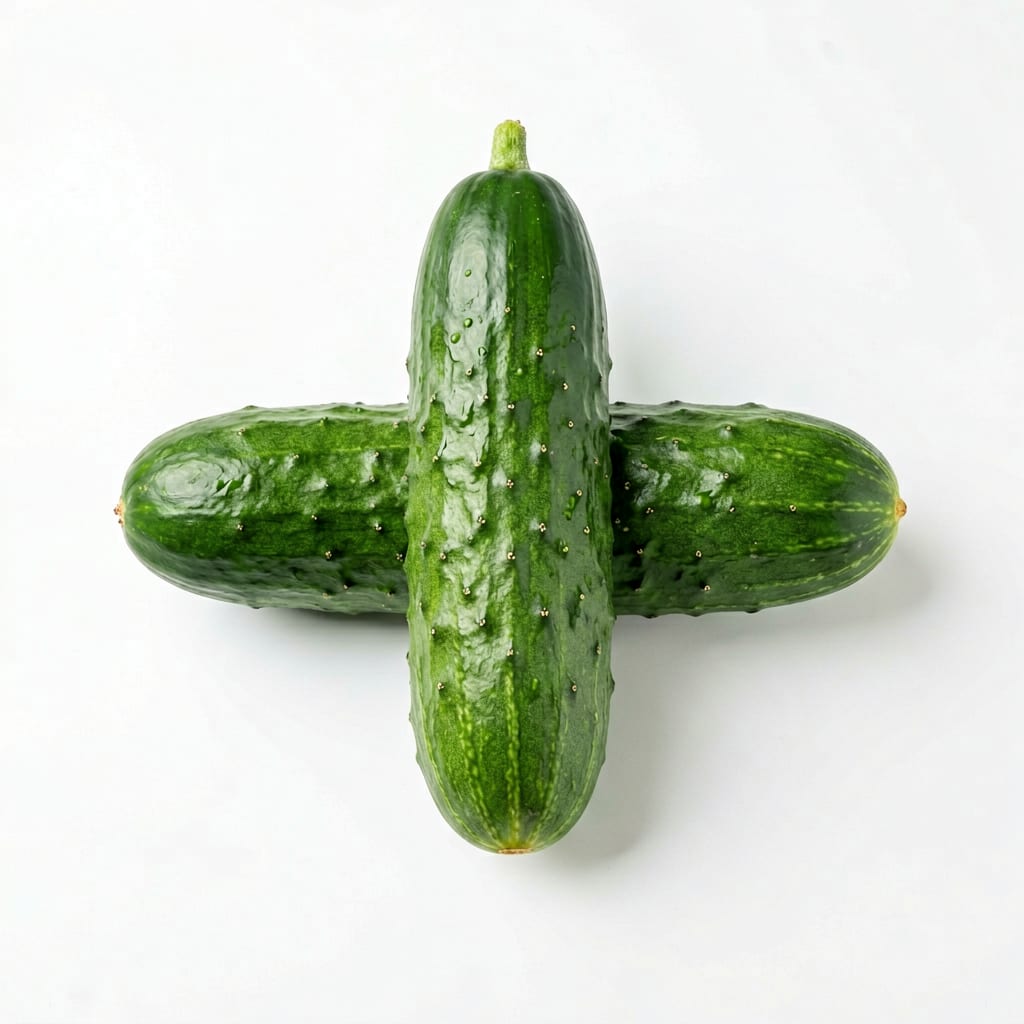
Cucumber
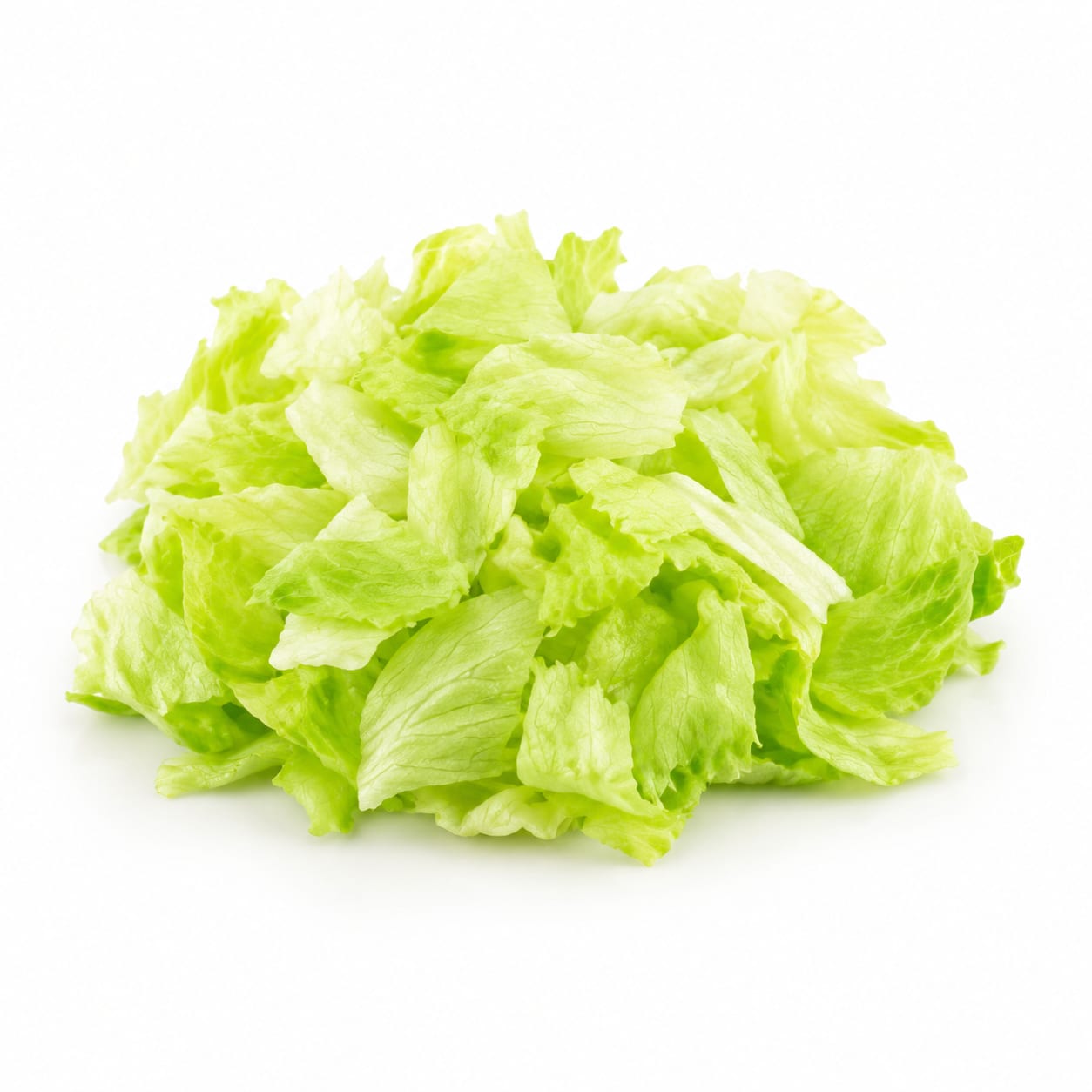
Iceberg Lettuce
Both are ultra-hydrating, low-calorie crunch champions, but Cucumber wins for standalone snacking while Iceberg Lettuce edges ahead as a salad base with slightly more vitamins.
Iceberg Lettuce scores slightly higher due to marginally better micronutrient density, but both are fundamentally water-rich, low-nutrient foods, making them nearly identical in overall health impact.
Convenience of a grab-and-go snack (Cucumber) versus slightly better vitamin content and leafy bulk for meals (Iceberg Lettuce).
At a glance
Executive summary
Overall
It depends
Healthier
Iceberg Lettuce
More practical
Cucumber
Daily use
It depends
Key comparison lenses
Low-calorie diet and weight loss
Both foods are famously low in calories, making them staples for dieters looking to maximize volume.
Salad base versus standalone snack
Users often debate whether to use Cucumber or Iceberg Lettuce as their primary crunchy, hydrating vegetable.
Hydration and refreshment
Both are over 95% water, frequently chosen for their thirst-quenching properties.
Nutritional value comparison
Consumers often wonder if either of these watery vegetables offers meaningful vitamins or minerals.
Best choice for
Cucumber
- On-the-go Cucumber snacking
- Quick Cucumber hydration
- Kids who dislike leafy greens but like Cucumber sticks
Iceberg Lettuce
- Building low-calorie Iceberg Lettuce salad volume
- Iceberg Lettuce sandwich layering
- Getting a bit more Vitamin K from Iceberg Lettuce
Least suitable for
Cucumber
- Providing substantial nutrition from Cucumber
- Filling up without eating a massive amount of Cucumber
Iceberg Lettuce
- Standalone Iceberg Lettuce snacking
- Cooking applications using Iceberg Lettuce
Deep comparison
Dimension by dimension
Each lens scores both foods and breaks down who each option suits.
- Dimension 1 · Priority 90It depends
Hydration & Refreshment
Cucumber · 95Iceberg Lettuce · 95Both are over 95% water and incredibly thirst-quenching, offering near-identical hydration.
Tradeoff
Cucumber provides a quick, bite-sized hydration boost, while Iceberg Lettuce delivers water through a bulky, leafy meal base.
Why it matters
Staying hydrated supports energy levels and prevents confusing thirst for hunger.
Real-world impact
Eating either on a hot afternoon feels instantly cooling and refreshing.
Cucumber
- People wanting a quick, bite-sized Cucumber hydration boost
Better for
- Those who want large meal volume from Cucumber alone
Worse for
Iceberg Lettuce
- People who prefer eating their water through a bulky Iceberg Lettuce salad
Better for
- Those who want a convenient on-the-go Iceberg Lettuce snack
Worse for
- Dimension 2 · Priority 75Iceberg Lettuce
Nutritional Density
Cucumber · 35Iceberg Lettuce · 45Iceberg Lettuce offers slightly more Vitamin K, folate, and fiber per 100g than Cucumber.
Tradeoff
While Iceberg Lettuce has the micronutrient edge, neither food is a nutritional powerhouse, so the difference is minor in a balanced diet.
Why it matters
Even small amounts of Vitamin K and folate contribute to bone health and cell function over time.
Real-world impact
Choosing Iceberg Lettuce for your salad base gives you a slight vitamin upgrade over Cucumber, but you still need other veggies for real nourishment.
Cucumber
- Those getting most nutrients elsewhere but wanting Cucumber's silica content for skin health
Better for
- People relying heavily on Cucumber for daily vitamins
Worse for
Iceberg Lettuce
- Those wanting a slight edge in Vitamin K and folate from Iceberg Lettuce
Better for
- People expecting Iceberg Lettuce to be a nutritional powerhouse
Worse for
- Dimension 3 · Priority 85Cucumber
Culinary Versatility & Convenience
Cucumber · 85Iceberg Lettuce · 65Cucumber doubles as a standalone snack and a salad ingredient, while Iceberg Lettuce is mostly confined to salads and sandwiches.
Tradeoff
Cucumber is easier to grab and eat raw, whereas Iceberg Lettuce requires washing, drying, and usually a dressing to be palatable alone.
Why it matters
Convenience heavily dictates whether you actually reach for a healthy option or grab processed snacks instead.
Real-world impact
Slicing a Cucumber takes seconds and pairs perfectly with hummus, making it a far more practical everyday snack.
Cucumber
- Busy individuals needing a no-prep Cucumber snack
Better for
- Recipes requiring a leafy Cucumber base
Worse for
Iceberg Lettuce
- Home cooks needing a crisp Iceberg Lettuce layer for sandwiches
Better for
- People looking for a quick, mess-free Iceberg Lettuce snack on the run
Worse for
- Dimension 4 · Priority 70Iceberg Lettuce
Satiety & Fullness
Cucumber · 40Iceberg Lettuce · 50Iceberg Lettuce's leafy volume takes up more stomach space for fewer calories, though neither food is truly filling on its own.
Tradeoff
Iceberg Lettuce creates physical bulk in the stomach, while Cucumber offers a denser, more satisfying crunch that might feel more like a snack.
Why it matters
Volume eating helps stretch the stomach, signaling fullness without overconsuming calories.
Real-world impact
A giant Iceberg Lettuce salad will make you feel more stuffed than a few Cucumber slices, but you will be hungry again shortly after either one.
Cucumber
- Those who find the dense crunch of Cucumber more psychologically satisfying
Better for
- People trying to fill up on Cucumber alone and ending up hungry an hour later
Worse for
Iceberg Lettuce
- Those who need the sheer leafy volume of Iceberg Lettuce to feel physically full
Better for
- People finding Iceberg Lettuce too light to curb their appetite
Worse for
Timeline
Health impact over time
Short-term
Hours to days
Cucumber
- Quick hydration from Cucumber's high water content
- Light, non-bloating Cucumber crunch that won't weigh you down
Iceberg Lettuce
- Quick hydration from Iceberg Lettuce
- Bulking up meals with Iceberg Lettuce without feeling heavy
Long-term
Months to years
Cucumber
- Easy way to increase daily water intake with Cucumber
- Minimal risk of weight gain from Cucumber consumption
Iceberg Lettuce
- Slight edge in maintaining Vitamin K levels from Iceberg Lettuce
- Helps maintain low-calorie eating patterns using Iceberg Lettuce as a base
Risk profile
Safety & processing
Both Cucumber and Iceberg Lettuce are whole, raw vegetables that require no processing to enjoy safely and naturally.
Cucumber
Pesticide residue on skin
mediumCucumber skin can harbor pesticides, but peeling it or buying organic significantly reduces this risk.
Digestive discomfort from cucurbitacins
lowOccasionally, a bitter Cucumber contains cucurbitacins, which can cause mild stomach upset.
Iceberg Lettuce
Foodborne illness from trapped pathogens
mediumIceberg Lettuce leaves can trap E. coli or Salmonella in their crevices, requiring thorough washing.
Who wins for whom
Audience fit
Same foods, different winners depending on your goal.
children
CucumberCucumber sticks are an easier, more appealing snack for kids to hold and eat compared to floppy Iceberg Lettuce leaves.
daily consumption
It dependsCucumber is better for daily snacking, while Iceberg Lettuce is better for daily salad bases; both are highly sustainable choices.
diabetes
It dependsBoth Cucumber and Iceberg Lettuce have negligible impacts on blood sugar, making them equally safe.
elderly
CucumberCucumber is easier to chew and digest without getting stringy bits stuck in teeth, which can be an issue with Iceberg Lettuce.
muscle gain
It dependsNeither Cucumber nor Iceberg Lettuce provides meaningful protein or calories for muscle building.
weight loss
It dependsBoth are extremely low in calories; Iceberg Lettuce offers more volume per calorie, while Cucumber is more satisfying to crunch on.
Your move
Decision guide
Choose Cucumber
- You want a grab-and-go crunchy Cucumber snack
- You need something easy to add to water for flavor
- You prefer peeling a Cucumber to washing multiple leaves
Choose Iceberg Lettuce
- You want a base for a large, low-calorie Iceberg Lettuce salad
- You need a crisp Iceberg Lettuce layer for burgers or sandwiches
- You want the slight micronutrient edge of Iceberg Lettuce
Either works if
- You just need hydration and crunch
- You are tracking calories and want near-zero options
Avoid both if
- You are actually hungry and need sustained energy
- You are looking for a significant source of vitamins or protein
Final recommendation
Choose Cucumber for convenient, refreshing snacking, and Iceberg Lettuce when you need bulk and crunch in salads or sandwiches. Neither will fuel your body, but both are excellent tools for staying hydrated and managing calorie intake.
Practical
Consumer tips
- 1
Peel Cucumber if you are sensitive to pesticides or digestive irritation from the skin.
- 2
Wash Iceberg Lettuce thoroughly, even if it looks clean on the inside, to avoid foodborne illness.
- 3
Pair both with a healthy fat source like hummus or olive oil dressing to absorb their fat-soluble vitamins.