
Nutrition comparison
Celery vs Cucumber: Nutrition, Health Benefits & Best Uses
Comparing celery and cucumber? Discover which low-calorie veggie is better for hydration, weight loss, digestion, and overall health.
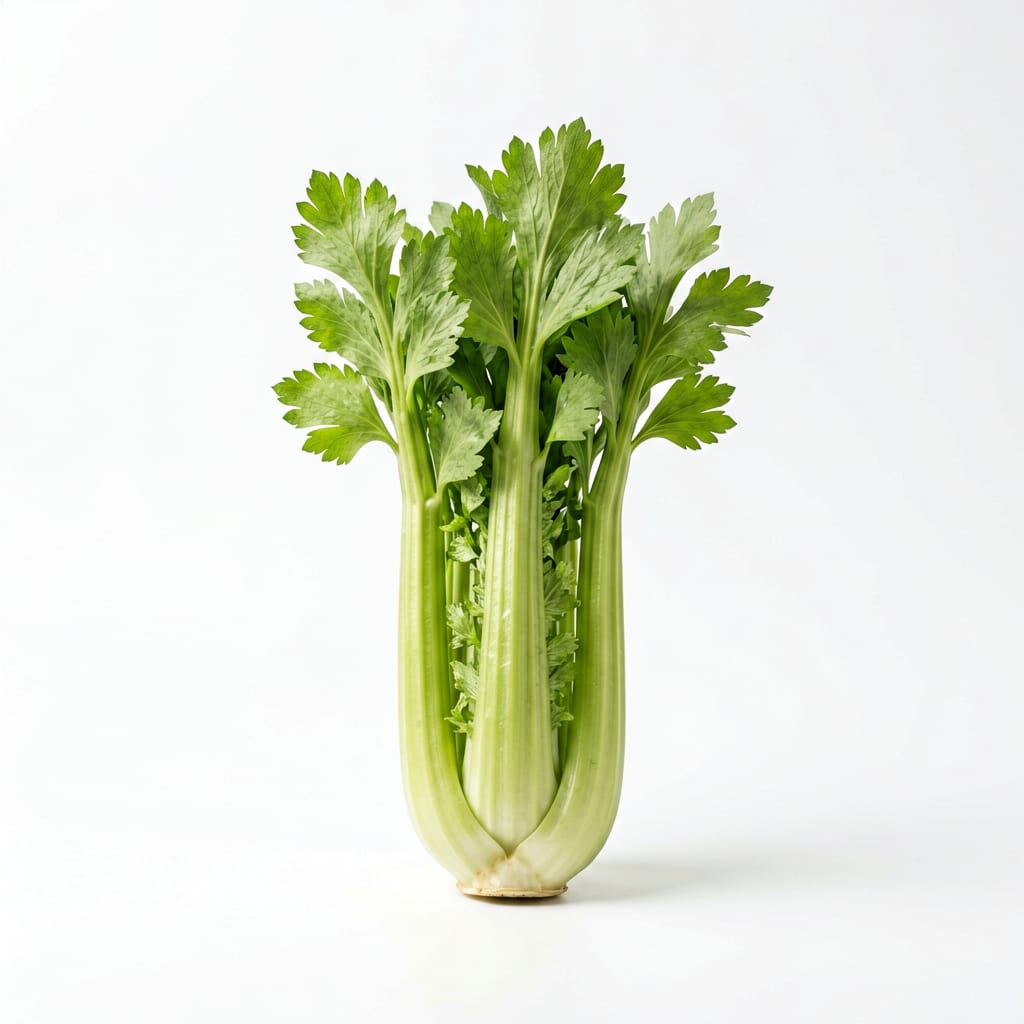
Celery
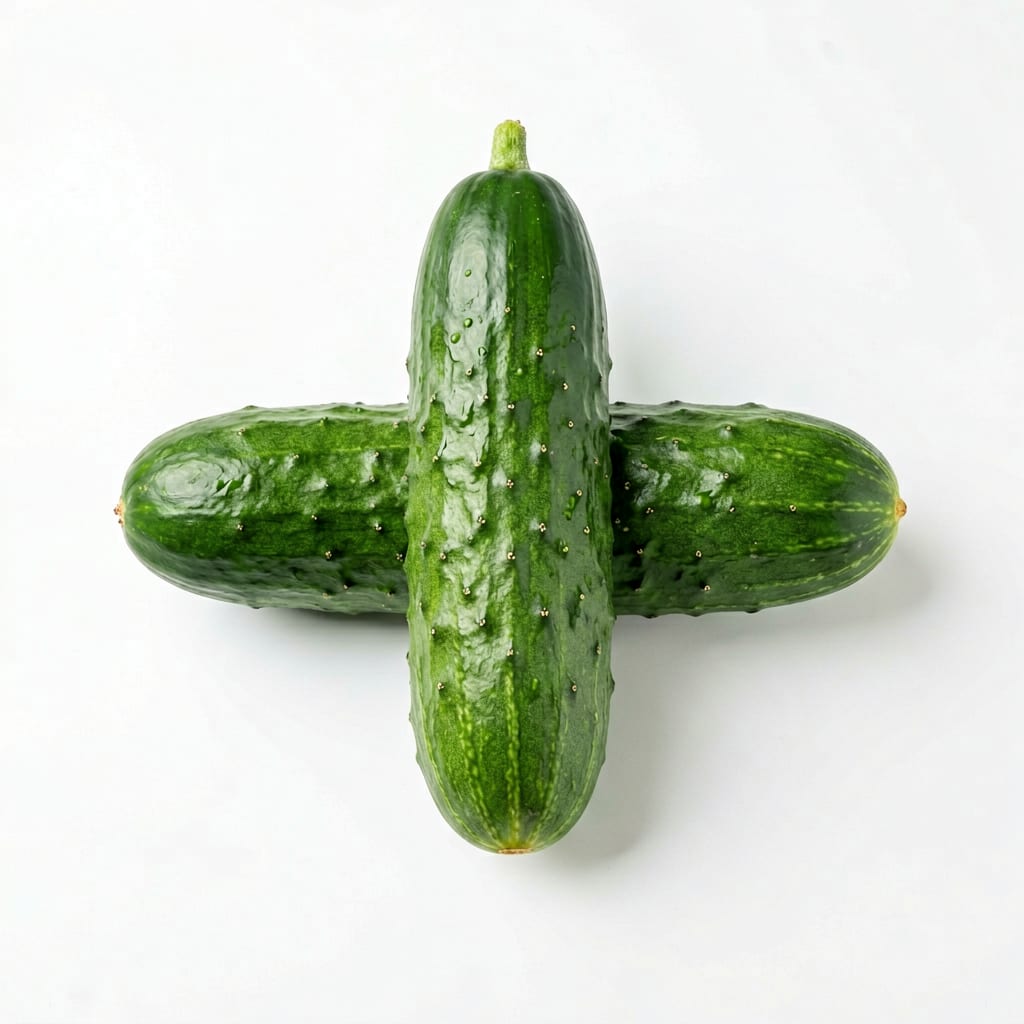
Cucumber
Both are ultra-low-calorie hydration heroes, but celery brings more fiber and a savory crunch, while cucumber offers refreshing mildness and easier digestion.
Celery scores slightly higher for nutrient density and fiber, but cucumber wins on hydration and digestibility. The close scores reflect how similar they are as low-calorie staples.
Savory flavor and gut-filling fiber versus refreshing water content and gentle digestion.
At a glance
Executive summary
Overall
It depends
Healthier
Celery
More practical
Cucumber
Daily use
Cucumber
Key comparison lenses
Low-calorie snacking and weight management
Both are famous zero-calorie diet foods, so users want to know which actually keeps them fuller.
Hydration and cooling effects
Both are heavily water-based, making them go-to choices for hot weather and hydration.
Digestive comfort and sensitivity
Fiber content and tough skins can trigger IBS or bloating, a common concern with raw veggies.
Pesticide exposure and safety
Celery consistently ranks on the Dirty Dozen list, raising safety questions compared to cucumber.
Best choice for
Celery
- Blood pressure management
- Savory snacking with dips
- Adding crunch to soups and stews
- Boosting daily fiber intake
Cucumber
- Quick hydration after exercise
- Soothing sensitive stomachs
- Cooling summer snacks
- Adding bulk to salads without strong flavor
Least suitable for
Celery
- People with severe pollen or mugwort allergies
- Those on strict low-sodium diets
- People who dislike bitter or stringy textures
Cucumber
- Those needing a filling, energy-dense snack
- People avoiding seeds due to diverticulitis
- Anyone looking for strong savory flavor
Deep comparison
Dimension by dimension
Each lens scores both foods and breaks down who each option suits.
- Dimension 1 · Priority 92Cucumber
Hydration & Refreshment
Celery · 85Cucumber · 98Cucumber is about 96% water with a mild, sweet taste, making it incredibly refreshing. Celery is 95% water but has a stronger, savory flavor.
Tradeoff
Cucumber provides purer hydration and a cooling sensation, while celery offers hydration with a savory, salty kick.
Why it matters
If you are struggling to drink enough water, cucumber blends seamlessly into smoothies and salads to boost fluid intake without overpowering flavors.
Real-world impact
Eating cucumber after a hot day or workout feels instantly cooling, whereas celery feels more like a satisfying crunchy snack.
Celery
- Savory hydration
Better for
- People wanting a sweet, mild juice
Worse for
Cucumber
- Post-workout refreshment
- Hot weather cooling
Better for
- Those wanting a salty crunch
Worse for
- Dimension 2 · Priority 88Celery
Nutrient Density & Fiber
Celery · 82Cucumber · 60Celery packs more fiber, vitamin K, and potassium per calorie than cucumber. It also contains unique compounds like phthalides.
Tradeoff
Celery offers more gut-filling fiber and blood-pressure-supporting nutrients, while cucumber is mostly water with trace vitamins.
Why it matters
If you rely on snacks to keep you regular and full, celery does the heavy lifting better despite being low-calorie.
Real-world impact
A few stalks of celery with peanut butter will keep you full longer than cucumber slices, which digest very quickly.
Celery
- Satiety on a calorie deficit
- Daily fiber goals
- Blood pressure support
Better for
- Those with severe IBS who need low-fiber options
Worse for
Cucumber
- Easily digestible nutrients
Better for
- Anyone relying on it for meaningful nutrition
Worse for
- Dimension 3 · Priority 85Cucumber
Digestive Tolerance
Celery · 65Cucumber · 88Cucumber is gentler on the digestive tract, especially when peeled. Celery's tough strings and higher fiber can irritate sensitive guts.
Tradeoff
Celery's fiber is great for regularity but tough on IBS, whereas cucumber is soothing but less impactful for digestion.
Why it matters
For people with bloating or IBS, raw celery can be a trigger, while peeled cucumber is usually safe and comforting.
Real-world impact
If your stomach is upset, cucumber water or peeled slices are soothing. Celery might feel like too much work to digest.
Celery
- Relieving constipation
Better for
- IBS and bloating sufferers
Worse for
Cucumber
- Soothing an upset stomach
- Gentle snacking during IBS flare-ups
Better for
- Those needing help with sluggish bowels
Worse for
- Dimension 4 · Priority 80Cucumber
Pesticide & Allergy Risk
Celery · 45Cucumber · 75Celery is consistently on the EWG's Dirty Dozen list for pesticide residues and is a top allergen in Europe. Cucumber has moderate pesticide risk, mostly on the skin.
Tradeoff
Celery demands organic buying to avoid high pesticide loads, while cucumber can be made safer simply by peeling.
Why it matters
If you are not buying organic, conventionally grown celery is one of the riskiest veggies to eat raw.
Real-world impact
You can peel a conventional cucumber to remove most pesticides, but you cannot peel celery effectively.
Celery
- High pesticide exposure if conventional
- Celery-mugwort-spice syndrome (allergy)
Worse for
Cucumber
- Easy pesticide removal by peeling
- Lower allergen risk
Better for
- Waxed skins in conventional grocery stores
Worse for
Timeline
Health impact over time
Short-term
Hours to days
Celery
- Satisfying savory crunch that curbs the urge to chew on chips
- Slight sodium boost which can help if sweating heavily
- May cause bloating if you have a sensitive digestive system
Cucumber
- Rapid hydration and a cooling sensation
- Very light in the stomach, easy to eat in large volumes
- Mild diuretic effect to reduce water retention
Long-term
Months to years
Celery
- Better blood pressure regulation due to phthalides and potassium
- Improved bowel regularity from consistent fiber intake
- Lower risk of nutrient deficiencies on a calorie-restricted diet
Cucumber
- Sustained hydration habits supporting kidney function
- Healthier skin from silica and high water content
- Easier weight maintenance due to ultra-low calorie density
Risk profile
Safety & processing
Both are whole, raw vegetables with virtually no processing. The only concern is wax coatings on conventional cucumbers, which can be avoided by peeling or buying organic.
Celery
Pesticide residue
highCelery consistently ranks on the Dirty Dozen list; its porous structure retains chemicals.
Allergenicity
mediumCelery is a major allergen in the EU, often triggering reactions in people with mugwort pollen allergies.
Cucumber
Pesticide residue on skin
mediumConventional cucumbers often have waxed skins trapping pesticides, but peeling removes most of the risk.
Digestive irritation from seeds
lowThe seeds can occasionally bother people with severe diverticulitis, though this is rare.
Who wins for whom
Audience fit
Same foods, different winners depending on your goal.
children
CucumberCucumber's mild, sweet flavor and soft texture are much more kid-friendly than celery's stringy, bitter crunch.
daily consumption
CucumberCucumber is gentler on the stomach and easier to incorporate into meals without chewing fatigue or digestive buildup.
diabetes
CeleryCelery has slightly more fiber and a lower glycemic impact, providing steadier blood sugar support, though both are essentially zero-impact.
elderly
CucumberCucumber is easier to chew and digest, and provides crucial hydration for older adults who often lose thirst signals.
muscle gain
It dependsNeither is useful for muscle gain as both lack protein; they are only good for adding crunch or volume to protein-heavy meals.
weight loss
It dependsCucumber is lower in calories and easier to eat in bulk, but celery is more filling due to fiber, helping prevent overeating later.
Your move
Decision guide
Choose Celery
- You want a savory snack to pair with hummus or peanut butter
- You need more fiber to stay regular
- You are actively managing blood pressure
- You can afford to buy organic to avoid high pesticide loads
Choose Cucumber
- You want a refreshing, hydrating snack after a workout
- You have a sensitive stomach or IBS
- You are preparing food for kids
- You want a mild base for smoothies or salads
Either works if
- You just need a low-calorie crunch to keep your mouth busy
- You are trying to increase your raw vegetable intake
- You want to add bulk to a meal without adding calories
Avoid both if
- You need a protein-rich or energy-dense snack to recover from heavy training
- You are looking for a food that will keep you full for more than an hour on its own
Final recommendation
Keep both in your fridge. Use celery when you need a savory, fiber-rich crunch to tide you over, and reach for cucumber when you want light, cooling hydration. Pair either with a healthy fat or protein to make the snack actually last.
Practical
Consumer tips
- 1
Always buy organic celery to avoid high pesticide residues, as washing does not remove them effectively.
- 2
Peel conventional cucumbers to eliminate wax and pesticide buildup on the skin.
- 3
Pair celery with almond butter or hummus to add staying power to your snack.
- 4
If celery strings bother you, use a vegetable peeler to strip the outer layer of the stalk.
- 5
Freeze cucumber slices to use as flavorful ice cubes in water or smoothies.