
Vegetable (Botanical Fruit)
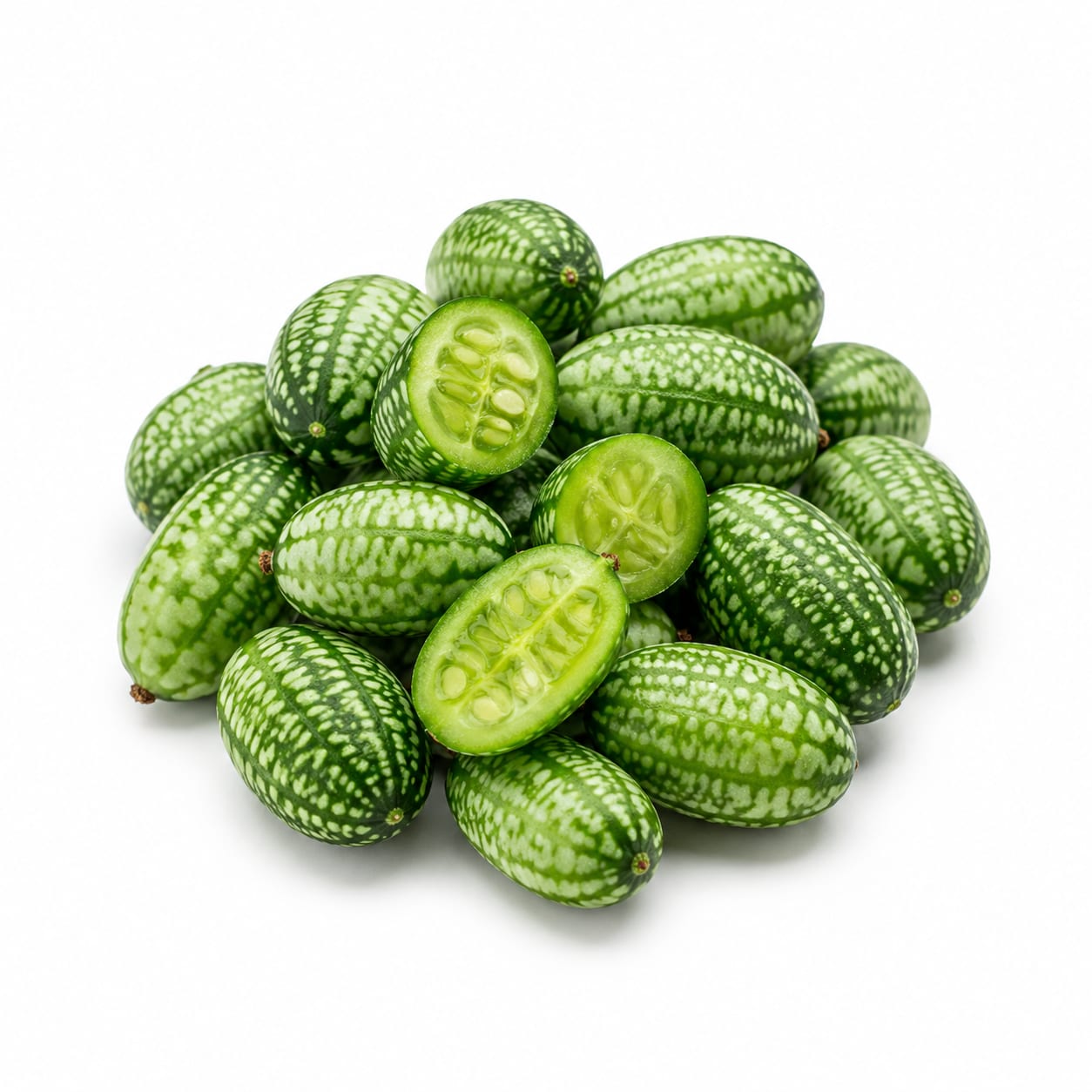
Cucamelon
A bite-sized fruit that looks like a tiny watermelon but tastes like a tart cucumber.
A tiny, grape-sized fruit that looks like a miniature watermelon but tastes like a crisp, sour cucumber. Popular in Mexican cuisine and often used in salads or pickled.
high-volume low-calorie hydrating fruit
Typical serving · 100g
Common varieties · Mexican Sour Gherkin, Mouse Melon, Sandita
Overall context score across nutrition, safety, and diet fit
At a glance
Quick facts
Simple indicators based on nutrition, processing, and diet fit.
The story
What makes it unique
Cucamelons are over 95% water, resulting in very low energy density and slow gastric emptying due to structural fiber. Macronutrient profile is negligible, primarily composed of simple sugars and insoluble fiber. Digestion is rapid and requires minimal enzymatic breakdown, providing very little caloric energy.
Varieties: Mexican Sour Gherkin · Mouse Melon · Sandita
Per 100g
Nutrition breakdown
Macro balance and key metrics at a glance.
Energy
Density 0.14 kcal/g
Protein
Carbs
Fat
Fiber
Sugar
1.5 g
Sodium
2 mg
Potassium
140 mg
Glycemic index
15
Glycemic load
0
Water content
95%
Standout compounds
Nutrient highlights
Water
highSupports hydration and increases food volume for satiety
Vitamin K
moderateImportant for blood clotting and bone metabolism
Fiber
lowPromotes digestive regularity and gut health
Potassium
lowHelps regulate fluid balance and blood pressure
Wellness map
Health scores & processing
NOVA processing scale
Unprocessed · Whole food
Consumed fresh or pickled at home; whole food with no added ingredients when raw.
Diet compatibility
- Weight loss
- Muscle gain
- Diabetes
- Gut health
- Low carb
- High protein
- Heart health
Relative standing
Food rankings
Qualitative ranks compared to similar whole foods.
- Satietymoderate
- Blood sugarexcellent
- Nutrient densitymoderate
- Fitness fuelpoor
- Processing qualityexcellent
Eat with confidence
Food safety profile
Cucamelons are generally safe with low contamination risk. As with all raw produce, washing is recommended to remove soil and potential pesticide residue.
Evidence confidence 75%
- Pesticideslow
- Antibioticslow
- Heavy metalslow
- Contaminationlow
Watch for
- Soil-borne bacteria
- Agricultural runoff residue
Safer choices
Organically grown cucamelons
Prep tips
Rinse thoroughly under cool running water and pat dry before eating.
None significant; typically grown on small farms or home gardens.
Deep dive
Health analysis
How this food may fit different goals and preparation choices.
Weight loss
Extremely low energy density allows large portion sizes with minimal caloric intake, supporting calorie deficit goals.
Blood sugar
Virtually no impact on blood glucose due to low carbohydrate and sugar content, making it safe for glycemic control.
Fitness & energy
Provides hydration and micronutrients but lacks the carbohydrates or protein needed for intense workout fuel or recovery.
Gut health
Contains small amounts of fiber, mostly in the skin, which supports bowel regularity and acts as a mild prebiotic.
Processing quality
A whole, unprocessed food that retains its full nutritional integrity when consumed raw.
Food safety
Low risk profile; primary concern is standard agricultural residue, mitigated by thorough washing.
Common mistakes
Assuming they are nutritionally equivalent to watermelon; they are much lower in sugar and calories, more similar to cucumbers.
Best preparation
Eaten raw whole, sliced into salads, or lightly pickled to preserve crunch and nutrients.
Practical guide
Best use cases
When and how this food fits real eating patterns.
High-volume low-calorie snacking
Eat a large bowl raw to satisfy the urge to snack without breaking calorie limits.
Salad crunch booster
Slice in half to add a crisp, tart texture to green salads without adding sugar or heavy dressings.
Low-carb cocktail garnish
Use as a visually appealing, keto-friendly alternative to olives or cocktail onions in drinks.
Balance sheet
Pros & cons
Upsides
- Extremely low in calories and carbohydrates
- High water content promotes hydration and fullness
- Crunchy texture satisfies snack cravings
- Versatile for raw or pickled applications
- No blood sugar spike risk
Trade-offs
- Very low in protein and healthy fats
- Not a significant source of macronutrients
- Can be expensive or hard to find in standard grocery stores
- Short shelf life compared to standard cucumbers
Fit check
Who is it for?
Great match
- weight loss diets
- keto and low-carb eating
- high-volume snacking
- diabetic meal plans
Consider alternatives
- muscle building
- endurance fueling
- calorie-dense diets
Side by side
How it compares
Open the full head-to-head analysis for nutrition, safety, and practical tradeoffs.
This food
Cucamelon
VS95% alike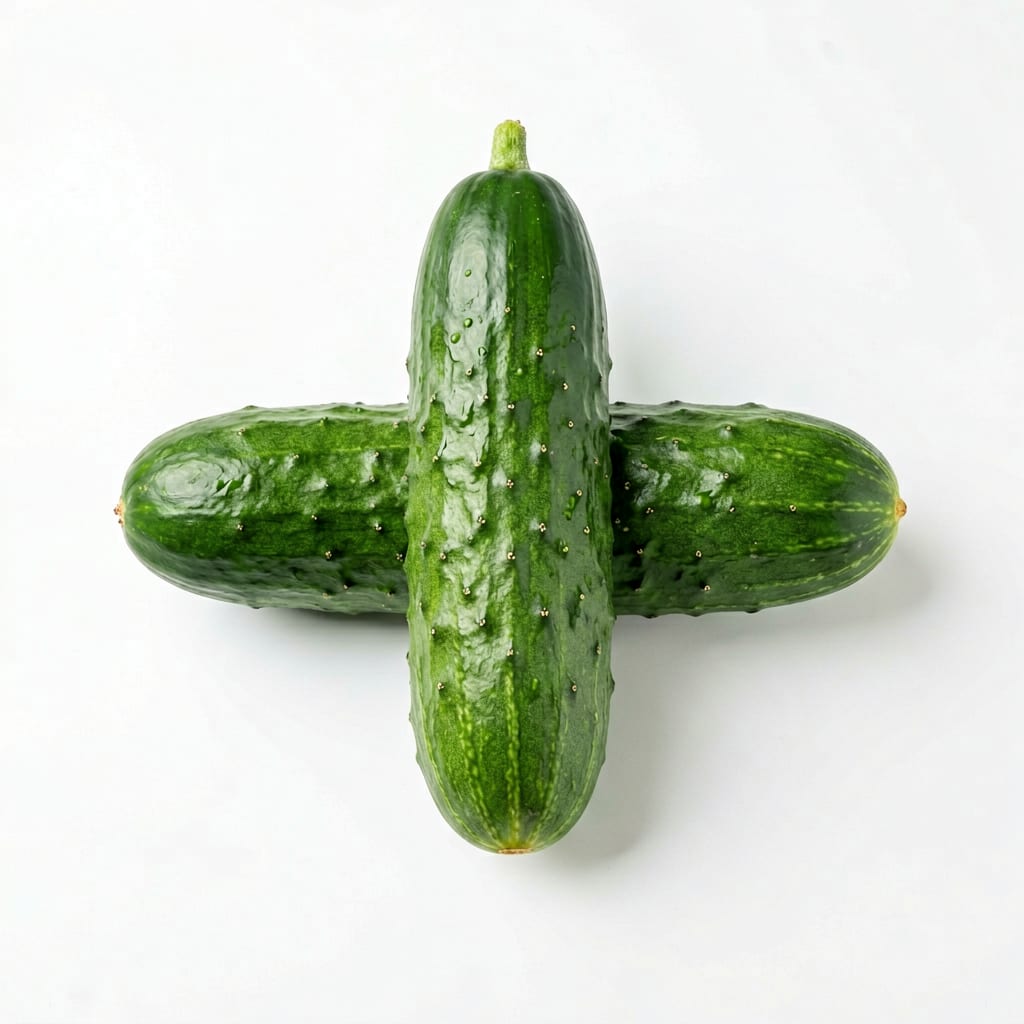
Compare with
Cucumber
Cucamelons offer a tart crunch similar to cucumbers, with nearly identical low-calorie and blood sugar benefits.
Cucamelons and cucumbers are nutritionally almost identical, but cucamelons provide a firmer, more tart bite.
This food
Cucamelon
VS85% alike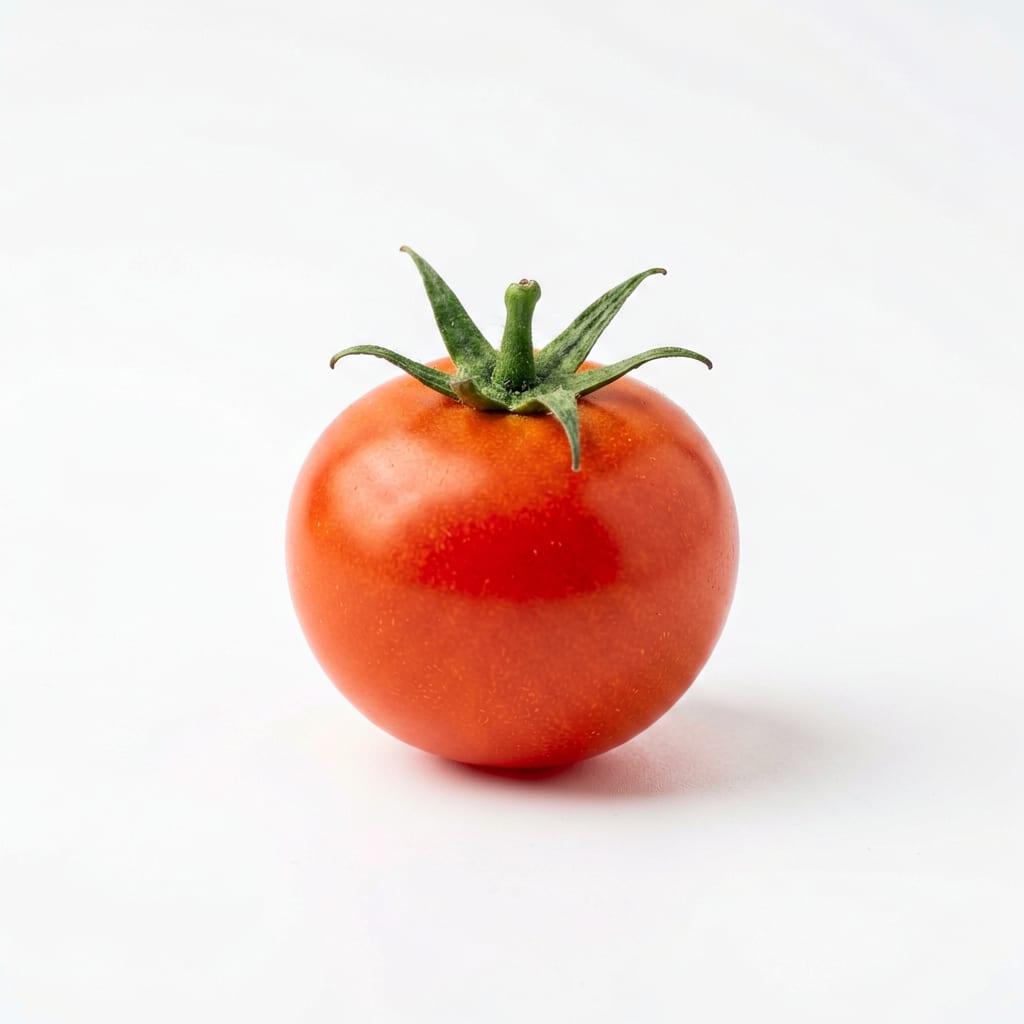
Compare with
Cherry Tomato
Cucamelons are lower in sugar and calories than cherry tomatoes, making them better for strict low-carb diets.
Cherry tomatoes offer more vitamins and sweetness, while cucamelons are lower in sugar and calories.
This food
Cucamelon
VS80% alike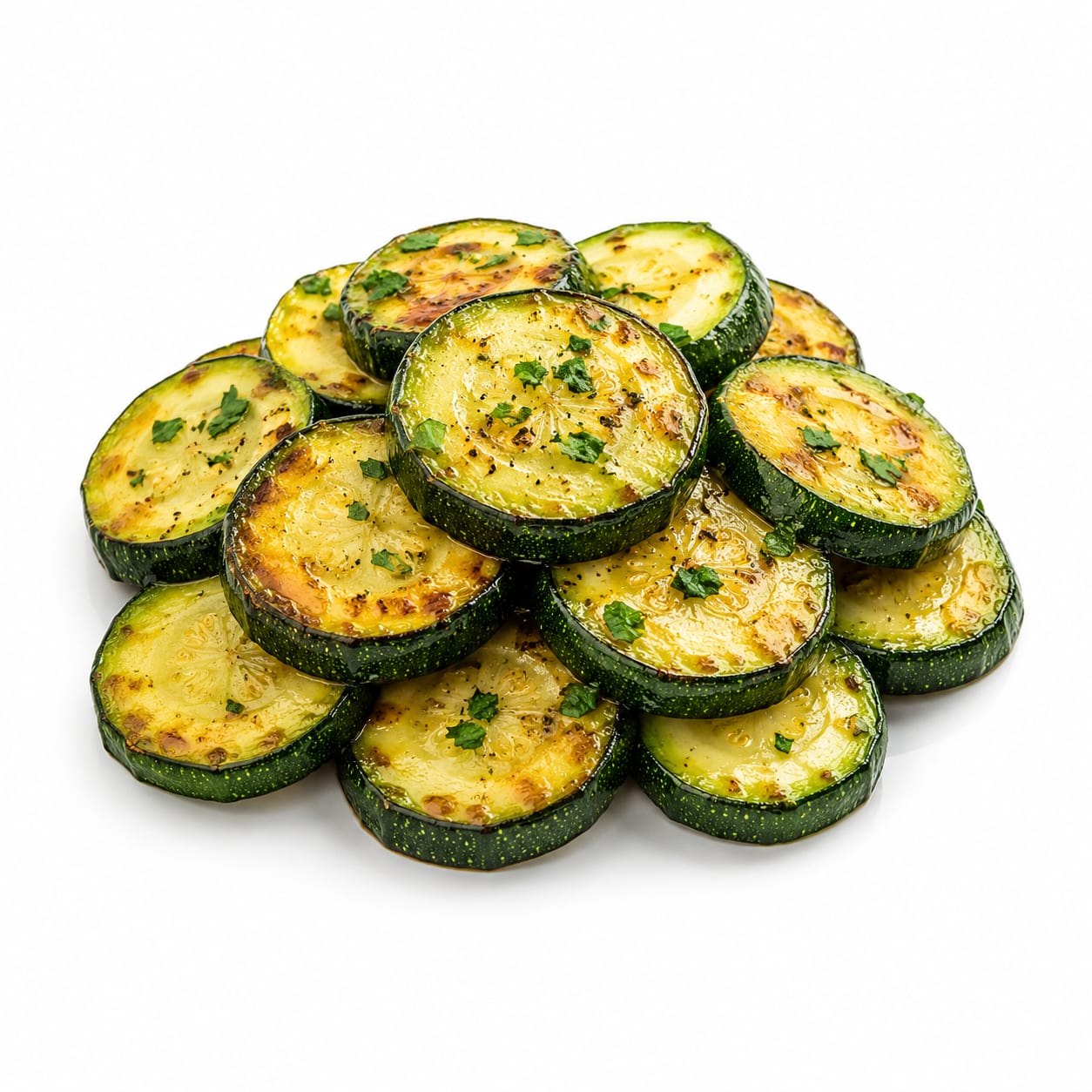
Compare with
Zucchini
Both are excellent low-calorie choices, though cucamelons provide a snappier bite for raw snacking.
Zucchini is better for cooking, while cucamelons are superior for raw, crunchy snacking.
This food
Cucamelon
VS70% alike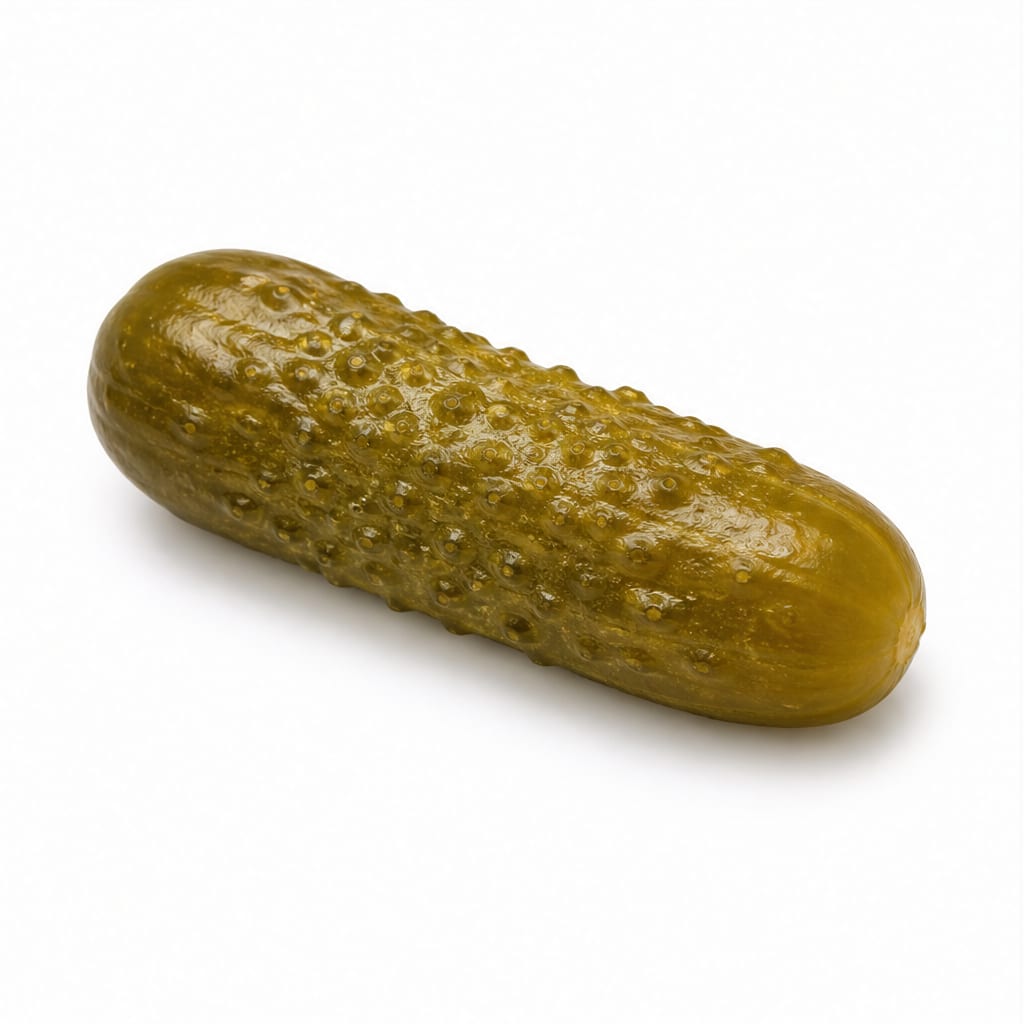
Compare with
Pickled Gherkin
Raw cucamelons provide the tart flavor of pickles without the high sodium content.
Choose raw cucamelons over pickled gherkins to avoid high sodium while enjoying a similar tart crunch.
This food
Cucamelon
VS75% alike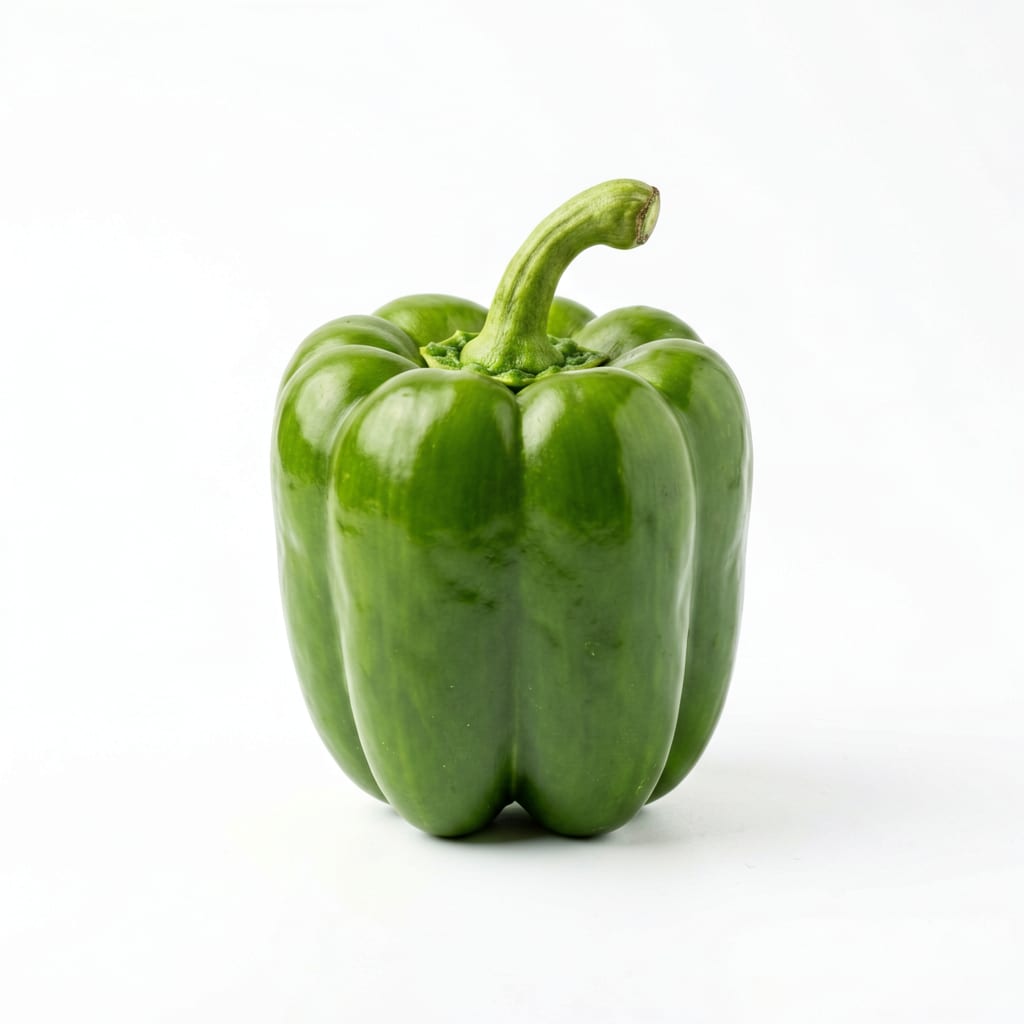
Compare with
Bell Pepper
Cucamelons are lower in sugar and calories, but bell peppers offer significantly more vitamin C.
Bell peppers are sweeter and richer in vitamins, while cucamelons are a lower-sugar crunch alternative.
This food
Cucamelon
VS65% alike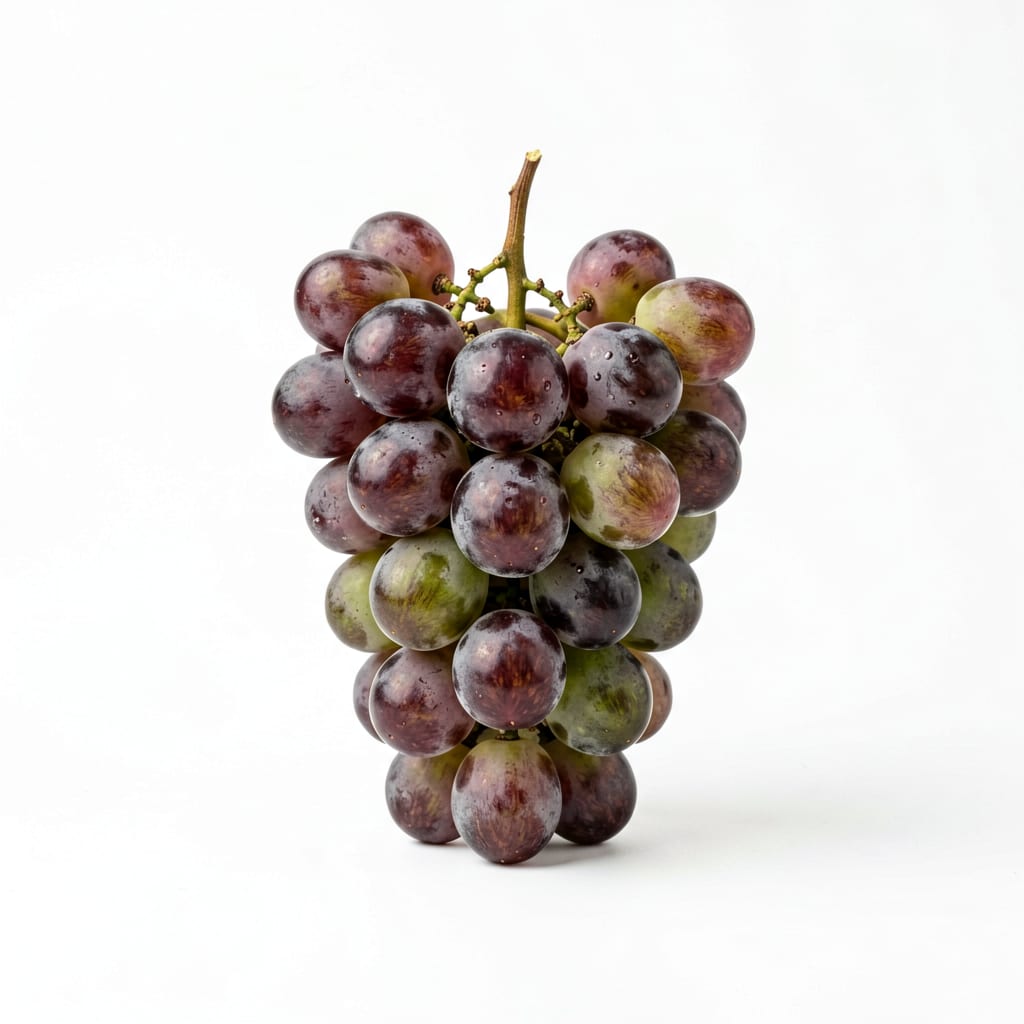
Compare with
Grape
Cucamelons are a low-sugar alternative to grapes, offering a similar pop-in-the-mouth convenience.
Grapes provide quick energy from sugar, whereas cucamelons offer a tart, low-carb snacking experience.
This food
Cucamelon
VS85% alike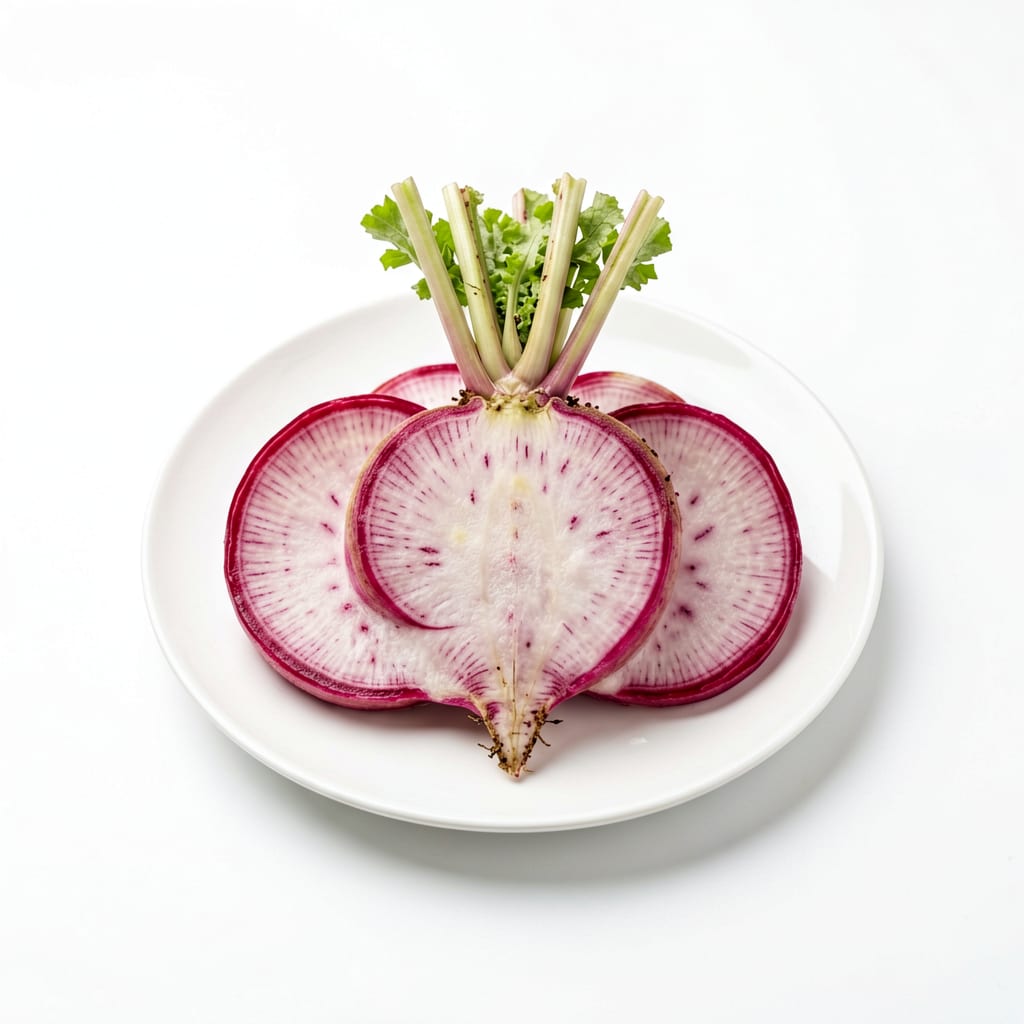
Compare with
Radish
Radishes and cucamelons are equally good for low-calorie snacking, differing mainly in flavor profile.
Radishes are peppery while cucamelons are sour, but both are excellent zero-guilt crunchy snacks.
This food
Cucamelon
VS90% alike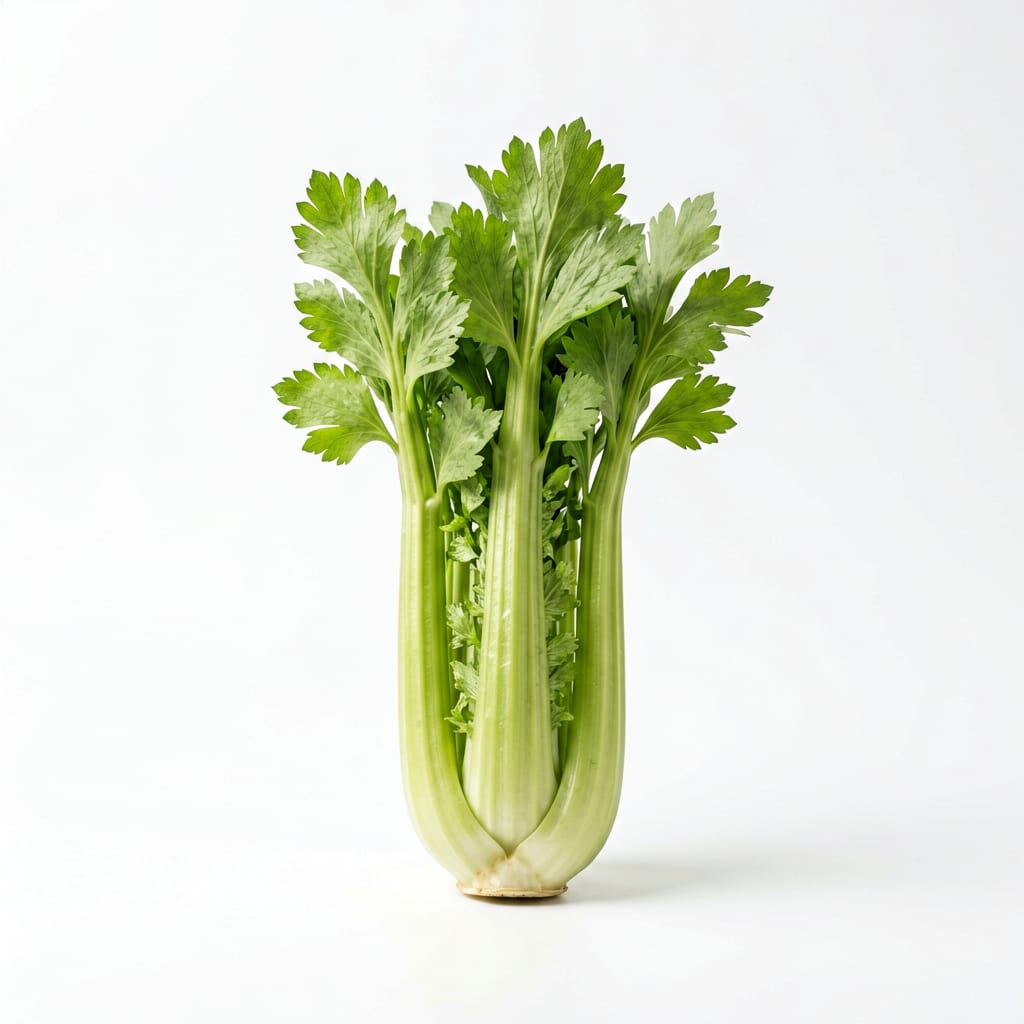
Compare with
Celery
Celery and cucamelons are virtually tied as ultra-low calorie, hydrating snacks.
Celery is stringy and mild, while cucamelons are crisp and tart, but both are top-tier weight loss foods.
This food
Cucamelon
VS70% alike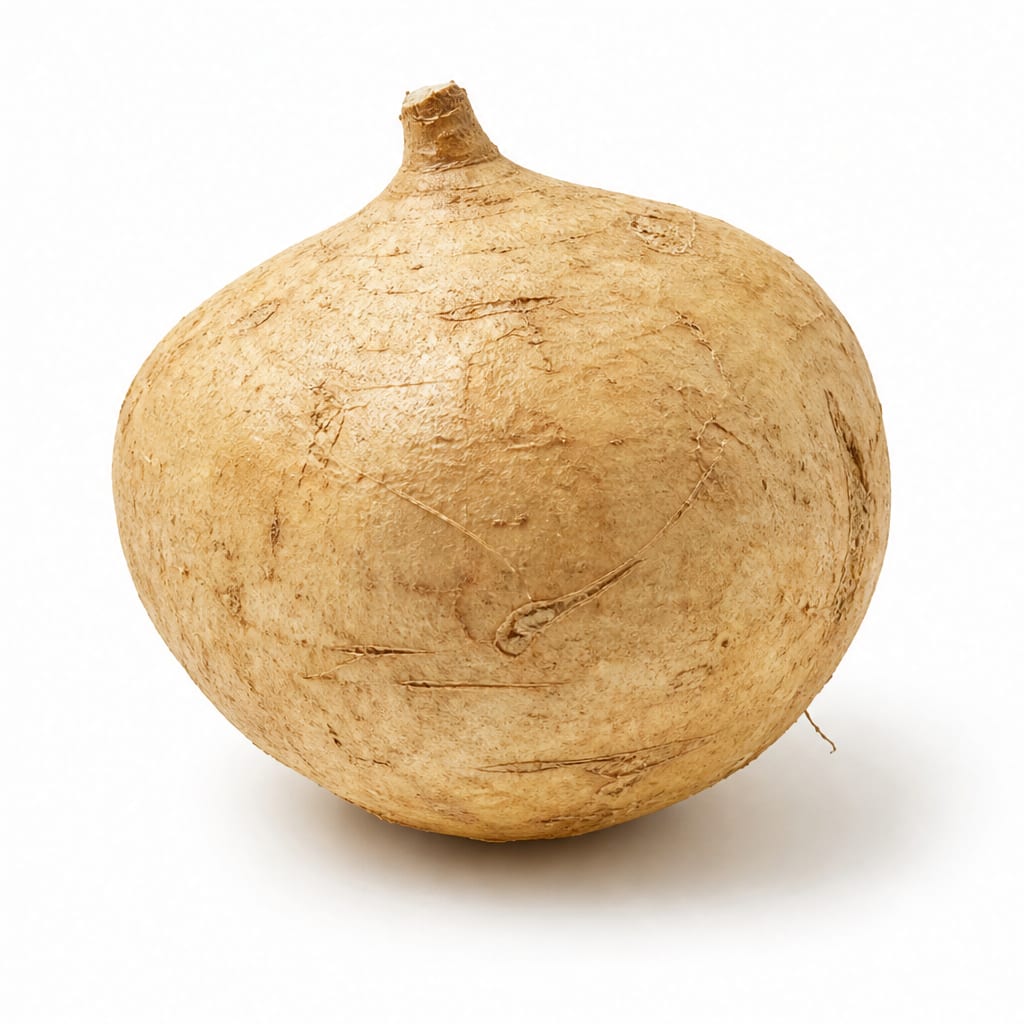
Compare with
Jicama
Jicama provides more fiber and sweetness, while cucamelons are lighter and more tart.
Jicama offers more fiber for fullness, but cucamelons are lower in calories and carbs for strict dieting.
This food
Cucamelon
VS75% alike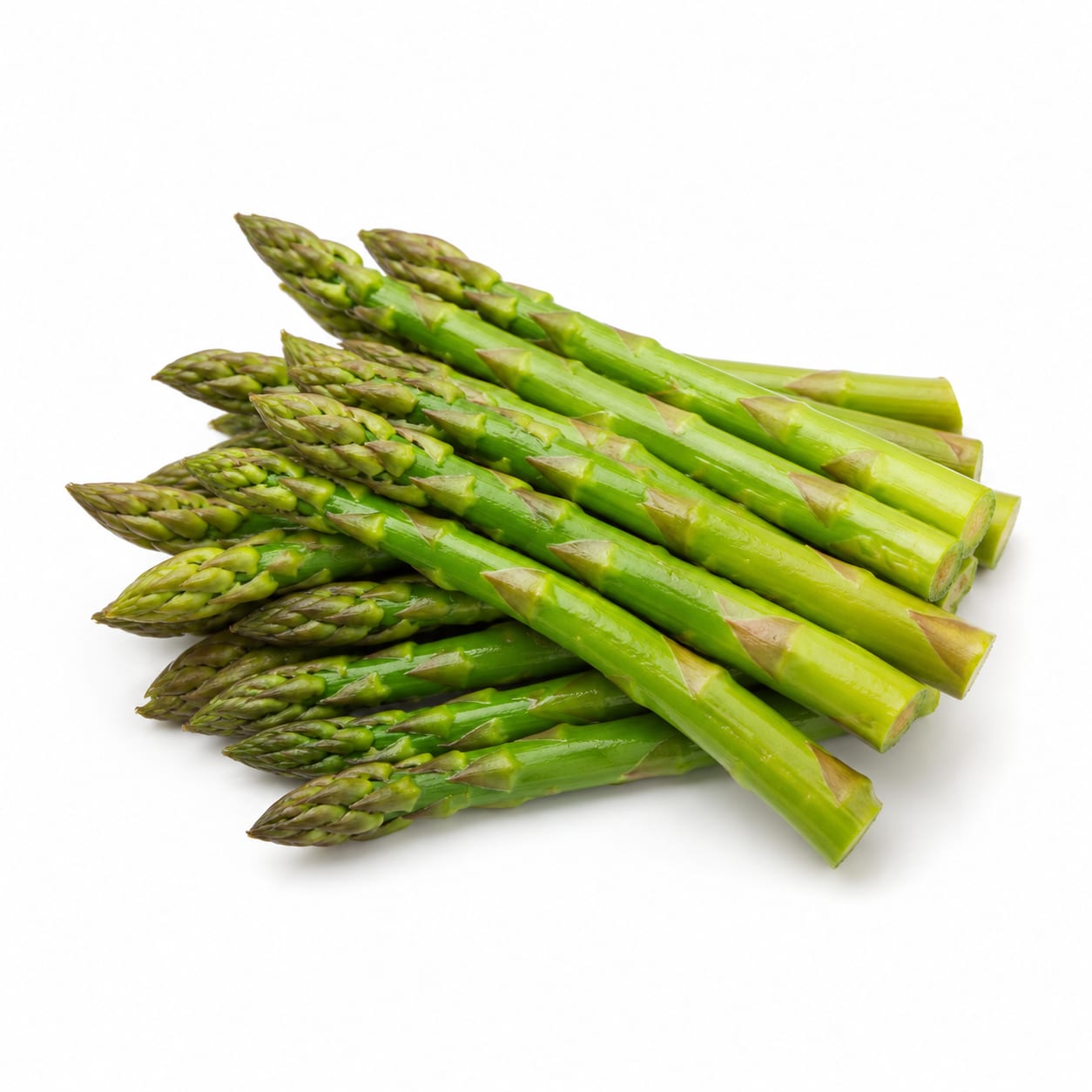
Compare with
Asparagus
Cucamelons are better for raw snacking, while asparagus provides more protein and fiber for meals.
Asparagus is more nutritious and filling when cooked, but cucamelons are a superior raw low-calorie snack.
Common questions
FAQ
Answers aligned with how people search for this food.
Are cucamelons good for weight loss?
Yes, they are very low in calories and high in water, allowing you to eat a large volume for minimal calories, which helps maintain a calorie deficit.
Can diabetics eat cucamelons?
Yes, they have almost no impact on blood sugar due to their extremely low carbohydrate and sugar content, making them an excellent snack for glycemic control.
Is a cucamelon a cucumber or a watermelon?
Neither. It belongs to a completely different plant species, though it tastes like a sour cucumber and looks like a miniature watermelon.
Do you peel cucamelons?
No, the skin is thin, edible, and provides most of the fiber and a satisfying crunch. There is no need to peel them.
Are cucamelons keto?
Yes, with only about 3g of carbs per 100g, they easily fit into a strict ketogenic diet as a low-carb crunchy snack.
What are the health benefits of cucamelons?
They provide excellent hydration, small amounts of fiber for digestion, and antioxidants while keeping calorie and sugar intake extremely low.
Transparency
Data confidence
Estimated confidence for nutrition data, interpretation, safety notes, and comparisons.
Nutrition data
Health analysis
Food safety
Comparisons