
Nutrition comparison
Cucamelon vs Cherry Tomato: Which Snack Vegetable Is Actually Worth Eating?
Compare cucamelons and cherry tomatoes on nutrition, taste, availability, and health benefits. Find out which one deserves a spot in your kitchen and which is just a garden novelty.
Overall winner · Cherry Tomato
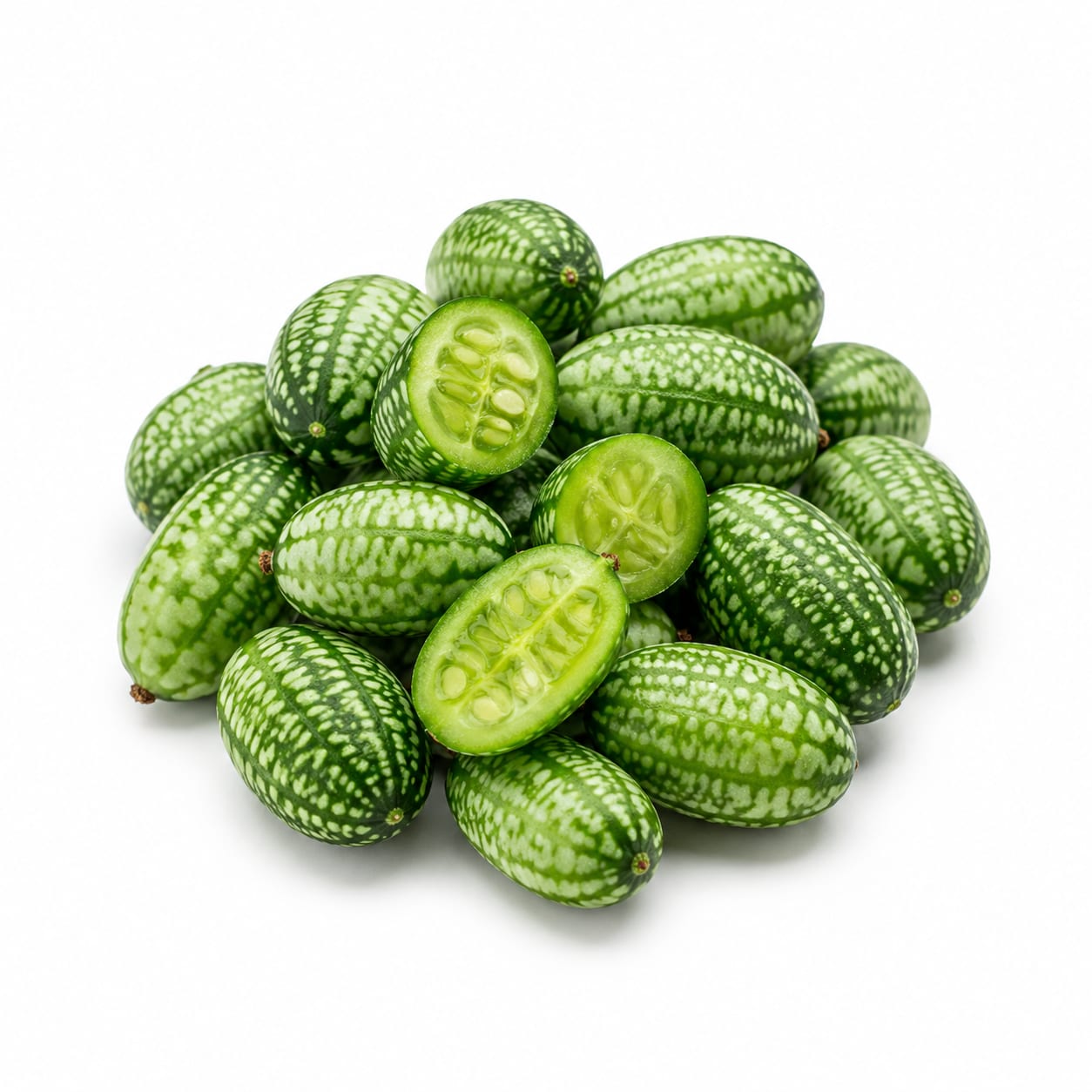
Cucamelon
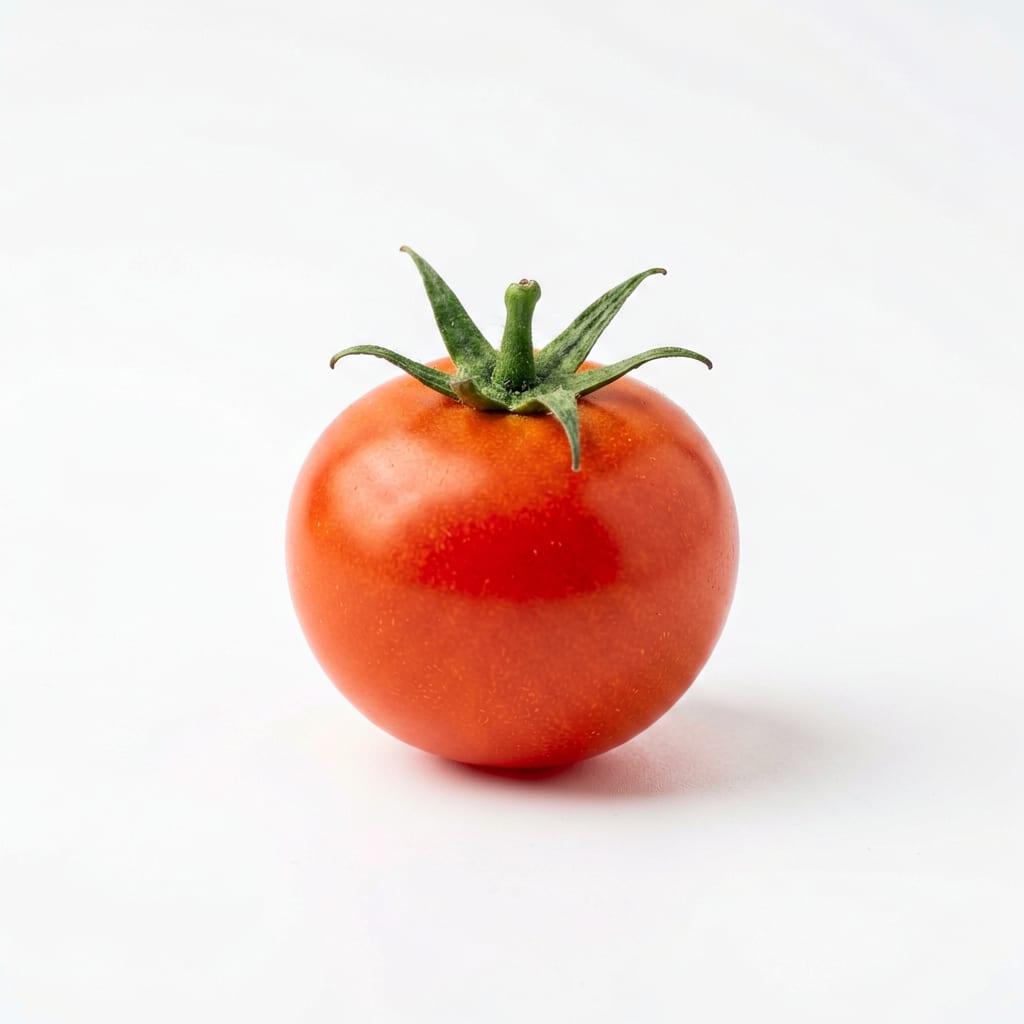
Cherry Tomato
Cherry tomatoes deliver far more nutrition, convenience, and versatility. Cucamelons are a fun novelty but not a practical staple.
Cherry tomatoes score more than double because they excel across nutrition, availability, and versatility. Cucamelons are not nutritionally competitive and their extreme niche status limits real-world usefulness.
Cucamelons offer a unique tangy crunch and garden novelty, but cherry tomatoes provide substantially more antioxidants, vitamins, and everyday usability.
At a glance
Executive summary
Overall
Cherry Tomato
Healthier
Cherry Tomato
More practical
Cherry Tomato
Daily use
Cherry Tomato
Key comparison lenses
snack vegetable comparison for gardeners and health-conscious eaters
Both are small, bite-sized garden vegetables often eaten raw, making them direct substitutes for snacking and salads
antioxidant and nutrient density evaluation
Cherry tomatoes deliver significant lycopene and vitamins while cucamelons offer far less nutritional impact per bite
practicality and everyday accessibility
Cucamelons are niche and seasonal whereas cherry tomatoes are available year-round in any grocery store
novelty versus reliability tradeoff
Cucamelons appeal as a unique garden curiosity but cherry tomatoes win on consistent culinary usefulness
Best choice for
Cucamelon
- Gardeners wanting a unique conversation-starter crop
- Fans of sour, pickled flavors who want a raw alternative
- Decorative garnish for cocktails and upscale plating
Cherry Tomato
- Daily snackers seeking convenient antioxidant-rich bites
- Meal preppers needing a versatile salad and cooking ingredient
- Anyone prioritizing lycopene and heart-protective nutrients
Least suitable for
Cucamelon
- People who need reliable year-round grocery access
- Anyone seeking maximum nutritional return per calorie
- Households wanting a versatile cooking ingredient
Cherry Tomato
- Those bored with standard produce wanting exotic variety
- Gardeners in hot climates dealing with tomato blight issues
Deep comparison
Dimension by dimension
Each lens scores both foods and breaks down who each option suits.
- Dimension 1 · Priority 95Cherry Tomato
Antioxidant Power
Cucamelon · 15Cherry Tomato · 88Cherry tomatoes are a top-tier lycopene source. Cucamelons contain negligible antioxidants by comparison.
Tradeoff
You sacrifice major heart-protective and cancer-fighting compounds if you choose cucamelons over cherry tomatoes.
Why it matters
Lycopene is one of the most well-studied antioxidants for cardiovascular and prostate health. Getting it from food matters more than supplements.
Real-world impact
Eating a handful of cherry tomatoes daily gives you measurable lycopene intake. The same handful of cucamelons provides almost none.
Cucamelon
- Adding visual interest to a dish without overpowering flavors
Better for
- Anyone specifically eating for antioxidant benefits
Worse for
Cherry Tomato
- Long-term heart health
- Reducing oxidative stress from everyday inflammation
- Supporting skin protection against UV damage
Better for
- Situations where you want a neutral, non-tomato flavor profile
Worse for
- Dimension 2 · Priority 90Cherry Tomato
Nutritional Density
Cucamelon · 22Cherry Tomato · 78Cherry tomatoes deliver meaningful vitamin C, potassium, vitamin A, and folate. Cucamelons are mostly water with trace nutrients.
Tradeoff
Cucamelons fill your stomach but give very little back nutritionally. Cherry tomatoes earn their calories with real vitamin content.
Why it matters
When both foods are roughly the same calories per serving, the one packing more vitamins per bite is the better investment in your health.
Real-world impact
A cup of cherry tomatoes covers about 25% of your daily vitamin C. A cup of cucamelons covers perhaps 5%.
Cucamelon
- Very low-calorie crunch when you just want mouth satisfaction
Better for
- Reliance on cucamelons as a significant nutrient source
Worse for
Cherry Tomato
- Meeting daily vitamin needs through food rather than supplements
- Getting potassium for blood pressure management
Better for
- People on potassium-restricted diets who need to limit intake
Worse for
- Dimension 3 · Priority 88Cherry Tomato
Practicality and Availability
Cucamelon · 12Cherry Tomato · 95Cherry tomatoes are available in every grocery store year-round. Cucamelons are specialty items found mainly at farmers markets or grown at home.
Tradeoff
Cucamelons require effort to source or grow. Cherry tomatoes are grab-and-go with zero friction.
Why it matters
The healthiest food is the one you actually eat consistently. Availability directly determines whether a food becomes a habit or a one-time experiment.
Real-world impact
You can buy cherry tomatoes on any Tuesday in January. Finding cucamelons requires planning, seasonality, or a garden.
Cucamelon
- Home gardeners who enjoy growing unusual edibles
Better for
- Anyone without garden space or farmers market access
- Last-minute recipe needs
Worse for
Cherry Tomato
- Busy people who need reliable access without specialty shopping
- Year-round meal planning
Better for
- Gardeners dealing with soil-borne tomato diseases in their region
Worse for
- Dimension 4 · Priority 82Cherry Tomato
Culinary Versatility
Cucamelon · 25Cherry Tomato · 90Cherry tomatoes work in salads, roasting, sauces, skewers, and pasta. Cucamelons are essentially limited to raw snacking and pickling.
Tradeoff
Cucamelons have one trick: a sour crunch. Cherry tomatoes have dozens of applications across cuisines and cooking methods.
Why it matters
A versatile ingredient reduces food waste and increases the likelihood you actually use what you buy.
Real-world impact
A pint of cherry tomatoes can become a sauce, a salad, a roasted side dish, or a snack. Cucamelons sit in the fridge waiting for a garnish occasion.
Cucamelon
- Quick-pickled condiments for tacos and sandwiches
- Novel cocktail garnishes
Better for
- Cooking applications beyond pickling
- Being a main ingredient in any recipe
Worse for
Cherry Tomato
- Cooked dishes where sweetness and umami deepen flavor
- Raw and cooked applications across multiple cuisines
Better for
- Dishes where tomato flavor would clash, like certain Asian preparations
Worse for
- Dimension 5 · Priority 75Cherry Tomato
Snack Satisfaction
Cucamelon · 45Cherry Tomato · 80Cherry tomatoes offer a satisfying sweet-juicy pop. Cucamelons deliver a sour-crisp crunch that some love but many find underwhelming.
Tradeoff
Cucamelons are more about texture novelty than flavor satisfaction. Cherry tomatoes hit a broader pleasure profile.
Why it matters
A snack you enjoy eating is a snack you reach for instead of processed alternatives. Taste drives consistency.
Real-world impact
Most people happily eat a bowl of cherry tomatoes. Cucamelons usually get tried once and forgotten.
Cucamelon
- Sour flavor enthusiasts who find tomatoes too sweet
- People who love pickled flavors but want something raw
Better for
- Snackers expecting a flavorful payoff for the crunch
- Children who reject sour tastes
Worse for
Cherry Tomato
- Universal appeal for households with different taste preferences
- Kids who enjoy sweet burst-in-mouth textures
Better for
- People avoiding nightshades due to inflammation concerns
Worse for
- Dimension 6 · Priority 65Cucamelon
Digestive Tolerance
Cucamelon · 82Cherry Tomato · 60Cucamelons are gentler on sensitive stomachs since they lack the acidity and nightshade compounds found in tomatoes.
Tradeoff
If tomatoes cause heartburn or joint discomfort, cucamelons are a safer bite. But this advantage only matters for a minority of people.
Why it matters
Nightshade sensitivity affects a meaningful subset of the population, and tomato acidity is a common reflux trigger.
Real-world impact
Someone who gets heartburn from cherry tomatoes can often eat cucamelons without issue.
Cucamelon
- People with acid reflux triggered by tomatoes
- Those following nightshade-elimination protocols
Better for
- Anyone who does not have digestive issues with tomatoes
Worse for
Cherry Tomato
- Most people without nightshade sensitivity
Better for
- Prone to heartburn or GERD after acidic foods
Worse for
Timeline
Health impact over time
Short-term
Hours to days
Cucamelon
- Refreshing hydration from high water content
- Mild sour flavor may stimulate digestion
- Very low calorie intake — essentially free snacking
Cherry Tomato
- Quick vitamin C boost supporting immune function
- Natural sugars provide a gentle energy lift
- Hydrating with more electrolyte content than cucamelons
Long-term
Months to years
Cucamelon
- Minimal nutritional contribution if relied on as a primary vegetable
- Possible enjoyment of gardening and home-grown food benefits
- No known negative long-term effects
Cherry Tomato
- Consistent lycopene intake linked to lower cardiovascular disease risk
- Better skin health from combined vitamins A and C
- Potassium contribution supports healthy blood pressure over time
Risk profile
Safety & processing
Both foods are whole, unprocessed vegetables typically eaten raw. Neither carries processing concerns. The main difference is that cherry tomatoes are more likely to be found on grocery shelves with potential pesticide residue, while homegrown cucamelons may avoid that entirely.
Cucamelon
Misidentification with toxic lookalikes
mediumCucamelons resemble immature wild cucumbers that can be bitter and cause digestive upset. Foragers should confirm proper identification.
Pesticide exposure from commercial sources
lowMost cucamelons are grown small-scale or at home, reducing pesticide risk compared to commercial tomato operations.
Cherry Tomato
Pesticide residue
mediumCherry tomatoes frequently appear on the Environmental Working Group's Dirty Dozen list. Washing helps but does not eliminate all residue.
Salmonella contamination in outbreaks
lowTomatoes have been linked to occasional foodborne illness outbreaks. Proper washing and sourcing from reputable suppliers mitigates this.
Who wins for whom
Audience fit
Same foods, different winners depending on your goal.
children
Cherry TomatoMost kids enjoy the sweet pop of cherry tomatoes. Cucamelons' sour taste and unfamiliar appearance make them a harder sell to young eaters.
daily consumption
Cherry TomatoCherry tomatoes are available, affordable, and versatile enough to eat every day. Cucamelons are seasonal and niche, making daily use unrealistic for most people.
diabetes
Cherry TomatoBoth have minimal impact on blood sugar, but cherry tomatoes offer more nutrients per serving without increasing glycemic load, making them a better investment of limited carb tolerance.
elderly
Cherry TomatoCherry tomatoes provide more potassium for blood pressure management and lycopene for heart health, both critical concerns for older adults.
muscle gain
Cherry TomatoNeither food is relevant for muscle gain directly, but cherry tomatoes provide slightly more potassium which supports muscle function and recovery.
weight loss
Cherry TomatoBoth are extremely low in calories, but cherry tomatoes are more satisfying and flavorful, making them easier to eat consistently as a snack replacement for higher-calorie foods.
Your move
Decision guide
Choose Cucamelon
- You grow them in your garden and want to enjoy your harvest
- You love sour, tangy flavors and want a raw alternative to pickles
- You have nightshade sensitivity and need a tomato-free snack
- You want a visually striking garnish for entertaining
Choose Cherry Tomato
- You want a reliable, nutrient-dense daily snack
- You care about lycopene and antioxidant intake
- You need one versatile ingredient for salads, cooking, and raw eating
- You want something kids and guests will actually enjoy eating
Either works if
- You just want a low-calorie hydrating crunch and have access to both
- You are building a diverse raw vegetable platter
Avoid both if
- You need a substantial source of protein or calories
- You are looking for a filling snack that will hold you over between meals
Final recommendation
Make cherry tomatoes your everyday vegetable. They earn their place in your fridge with real nutrition, broad appeal, and endless uses. If you encounter cucamelons at a farmers market or grow them yourself, enjoy them as a fun side adventure — but do not expect them to replace what cherry tomatoes deliver.
Practical
Consumer tips
- 1
Buy organic cherry tomatoes when possible to reduce pesticide exposure, since conventional cherry tomatoes rank high in residue tests.
- 2
Wash cherry tomatoes thoroughly right before eating, not before storing, to prevent mold growth.
- 3
If growing cucamelons, harvest when firm and about grape-sized for the best crunch. Overripe ones become watery and bland.
- 4
Quick-pickle leftover cucamelons in vinegar with salt and dill for a condiment that lasts weeks in the fridge.
- 5
Freeze cherry tomatoes on a sheet pan before bagging them for later use in cooked sauces — their texture changes but flavor concentrates beautifully.