
Nutrition comparison
Cucamelon vs Pickled Gherkin: Which Tiny Cucumber Snack Is Healthier?
Compare Cucamelon and Pickled Gherkin on sodium, hydration, probiotics, and processing. Find out which crunchy snack fits your health goals and when to choose each.
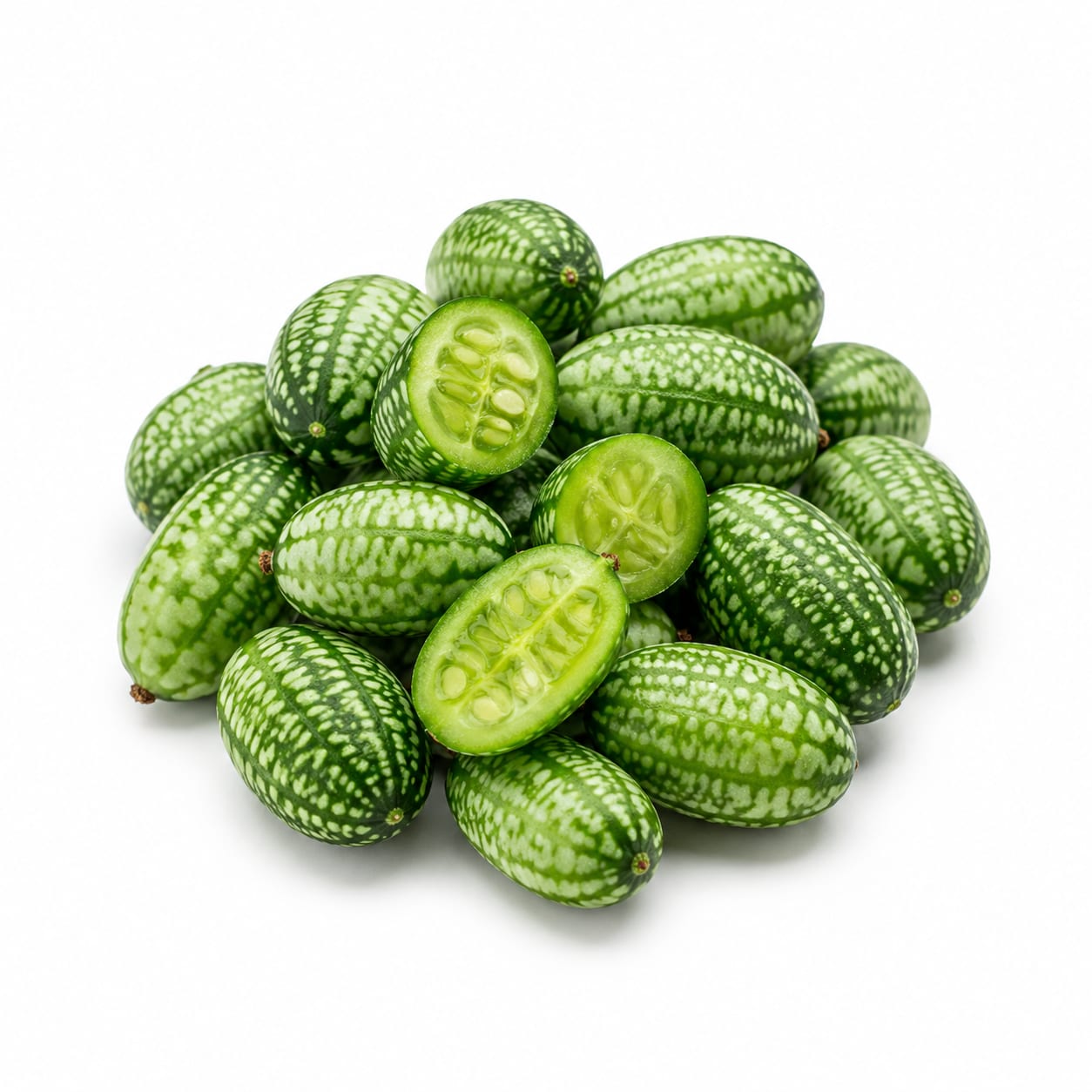
Cucamelon
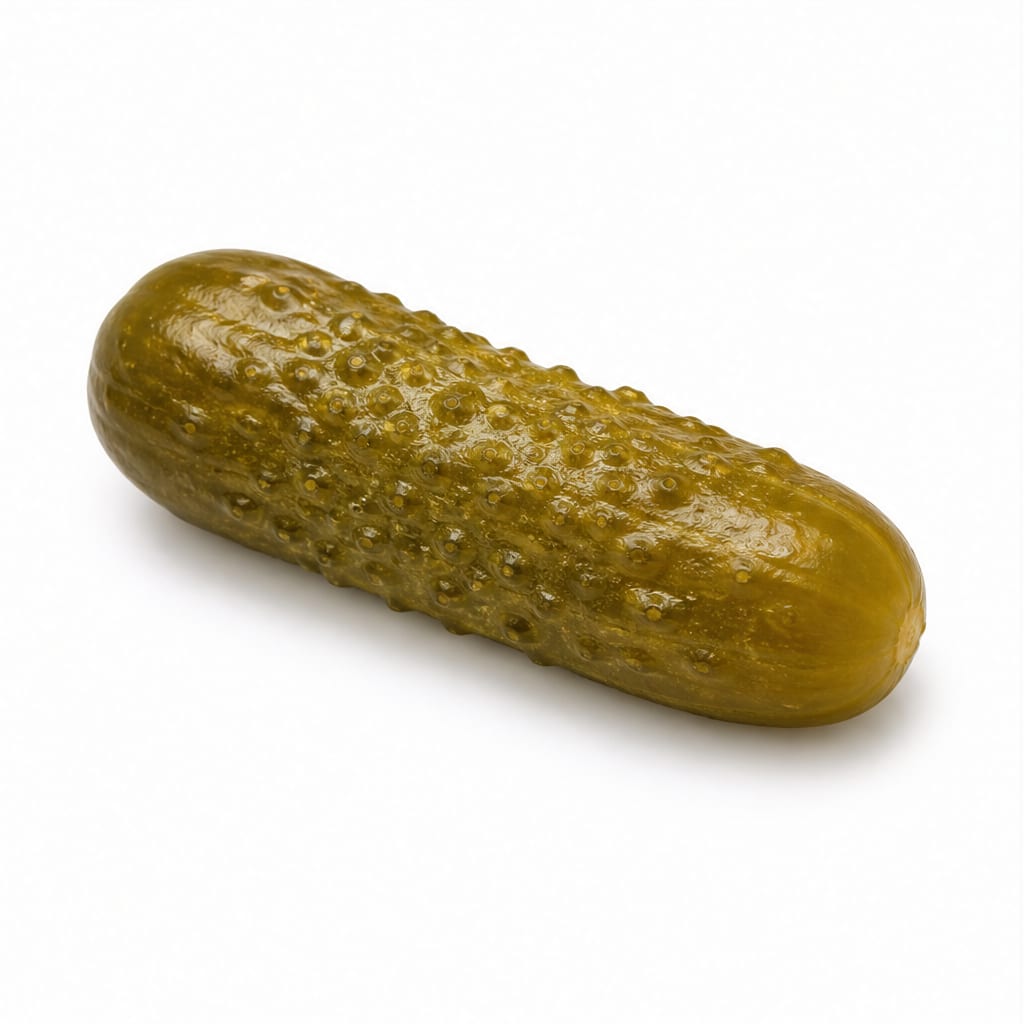
Pickled Gherkin
Cucamelon wins for clean, low-sodium snacking; Pickled Gherkin wins for shelf-stable flavor and potential probiotic benefits if naturally fermented.
Cucamelon scores higher due to natural hydration, zero sodium, and minimal processing. Pickled Gherkin loses ground on sodium and additive concerns but gains points for probiotic potential and convenience. The gap reflects that daily low-sodium eating matters more for long-term health than shelf stability.
You trade sodium and additive exposure for convenience, tanginess, and possible gut health perks — or keep it fresh and minimal but seasonal and perishable.
At a glance
Executive summary
Overall
It depends
Healthier
Cucamelon
More practical
Pickled Gherkin
Daily use
Cucamelon
Key comparison lenses
sodium and hydration tradeoff
The single biggest difference: Cucamelon is naturally low-sodium and hydrating, while Pickled Gherkins are sodium-dense due to brining
fresh vs preserved nutrition
Users are likely weighing whether pickling adds or destroys nutritional value compared to eating the fresh fruit
snack convenience and shelf life
Pickled Gherkins are pantry-ready and last months; Cucamelons are seasonal and perishable
probiotic and gut health potential
Naturally fermented Pickled Gherkins may offer probiotic benefits that fresh Cucamelons cannot match
additive and preservative exposure
Commercial Pickled Gherkins often contain preservatives, while fresh Cucamelons are additive-free
Best choice for
Cucamelon
- Low-sodium diets
- Hydration-focused snacking
- Minimally processed eating
- Seasonal fresh produce lovers
- Blood pressure management
Pickled Gherkin
- Pantry stocking and emergency meals
- Burger and sandwich toppings
- Probiotic seekers (if naturally fermented)
- People who need bold flavor with minimal calories
- Long shelf-life convenience
Least suitable for
Cucamelon
- Those wanting a strong salty tangy flavor
- Off-grid or long-term food storage
- People who dislike tart flavors without brine
- Year-round availability needs
Pickled Gherkin
- Sodium-sensitive individuals
- Those avoiding vinegar or preservatives
- People on strict low-sodium protocols
- Anyone sensitive to sulfites or certain additives
Deep comparison
Dimension by dimension
Each lens scores both foods and breaks down who each option suits.
- Dimension 1 · Priority 95Cucamelon
Sodium and Blood Pressure Impact
Cucamelon · 95Pickled Gherkin · 25Cucamelon is virtually sodium-free. A single Pickled Gherkin can deliver 150–300mg sodium, which adds up fast.
Tradeoff
Pickled Gherkin's signature salty tang comes directly from the sodium that makes it risky for daily consumption.
Why it matters
Consistently high sodium intake raises blood pressure and strains cardiovascular health over time.
Real-world impact
Eating 3–4 Pickled Gherkins as a snack could hit half your daily sodium budget before you touch a real meal.
Cucamelon
- Blood pressure management
- Kidney health
- Consistent daily snacking without sodium guilt
Better for
- Scenarios requiring electrolyte replacement after heavy sweating
Worse for
Pickled Gherkin
- Post-sweat electrolyte replenishment
- Situations where some sodium is actually desired
Better for
- Anyone monitoring sodium for hypertension or heart disease
- Evening snacking that won't cause morning bloating
Worse for
- Dimension 2 · Priority 82Cucamelon
Hydration and Water Content
Cucamelon · 90Pickled Gherkin · 55Fresh Cucamelon is roughly 90% water and genuinely hydrating. Pickled Gherkins lose some water to osmosis during brining.
Tradeoff
The pickling process pulls water out and salt in, making Pickled Gherkins less hydrating and potentially mildly dehydrating.
Why it matters
Hydrating snacks help with satiety, skin health, and energy levels without adding calories.
Real-world impact
A handful of fresh Cucamelons on a hot afternoon refreshes like cucumber. Pickled Gherkins make you reach for water instead.
Cucamelon
- Hot weather snacking
- Post-exercise hydration
- Replacing high-calorie snacks with water-rich alternatives
Better for
- Environments where water-rich produce spoils quickly
Worse for
Pickled Gherkin
- Situations where thirst isn't a concern and salt craving dominates
Better for
- Active lifestyles where hydration matters
- Hot climates where you want food to replenish, not deplete, water
Worse for
- Dimension 3 · Priority 78Pickled Gherkin
Probiotic and Gut Health Potential
Cucamelon · 20Pickled Gherkin · 75Naturally fermented Pickled Gherkins contain live cultures that support gut health. Fresh Cucamelons offer none of that.
Tradeoff
This benefit only exists if the Pickled Gherkins are traditionally fermented — vinegar-pickled versions kill probiotics entirely.
Why it matters
Gut microbiome diversity influences digestion, immunity, and even mood over time.
Real-world impact
A naturally fermented Pickled Gherkin with lunch can contribute to your daily probiotic intake. A vinegar-pickled one cannot.
Cucamelon
- Those already getting probiotics from other sources
Better for
- Anyone relying on food alone for probiotic intake
Worse for
Pickled Gherkin
- Gut health optimization
- People who do not consume yogurt or other fermented foods regularly
- Digestive regularity support
Better for
- Those who only have access to vinegar-pickled commercial versions
Worse for
- Dimension 4 · Priority 80Cucamelon
Processing and Additive Exposure
Cucamelon · 95Pickled Gherkin · 40Cucamelon is eaten raw and unchanged. Pickled Gherkins undergo processing and often contain preservatives, color fixers, or flavor enhancers.
Tradeoff
That tangy shelf-stable pickle in your pantry likely has more ingredients than just cucumber and salt.
Why it matters
Cumulative exposure to preservatives and ultra-processing additives may have subtle long-term health effects.
Real-world impact
Reading the label on commercial Pickled Gherkins often reveals sodium benzoate, sulfites, or yellow dye. Cucamelon has no label because it needs none.
Cucamelon
- Clean eating approaches
- Avoiding unnecessary chemical exposure
- Whole-food plant-based diets
Better for
- None significant — this is a clear advantage
Worse for
Pickled Gherkin
- Those who source artisanal naturally fermented versions with minimal ingredients
Better for
- People with sulfite sensitivity
- Those avoiding sodium benzoate or potassium sorbate
- Minimally processed diet followers
Worse for
- Dimension 5 · Priority 72Pickled Gherkin
Convenience and Shelf Stability
Cucamelon · 30Pickled Gherkin · 90Pickled Gherkins last months in the pantry. Fresh Cucamelons spoil within days and have limited seasonal availability.
Tradeoff
You gain year-round access and zero prep time with Pickled Gherkins, but sacrifice freshness and nutritional purity.
Why it matters
The best healthy food is the one you actually have on hand when hunger strikes.
Real-world impact
Cucamelons require farmers market trips or home gardening. Pickled Gherkins are at every grocery store, always ready.
Cucamelon
- Farm-to-table cooking enthusiasts
- People who enjoy seasonal eating rhythms
Better for
- Meal prep that requires shelf-stable ingredients
- Anyone without access to specialty produce markets
Worse for
Pickled Gherkin
- Busy households needing grab-and-go options
- Camping and travel snacks
- Emergency pantry stocking
- Consistent year-round availability
Better for
- Situations where canning jar weight and bulk are impractical
Worse for
- Dimension 6 · Priority 68It depends
Flavor Intensity and Culinary Versatility
Cucamelon · 55Pickled Gherkin · 75Cucamelon offers a mild, refreshing tang. Pickled Gherkins deliver a bold, salty, acidic punch that transforms dishes.
Tradeoff
Mild freshness is more versatile for raw eating; bold pickle flavor is irreplaceable in certain dishes but dominating in others.
Why it matters
Flavor determines whether a food becomes a staple or a novelty in your kitchen.
Real-world impact
Cucamelons disappear into salads quietly. Pickled Gherkins announce themselves on every burger, charcuterie board, and sandwich.
Cucamelon
- Light summer salads
- Garnishing without overpowering
- Raw snacking for kids who dislike strong flavors
Better for
- Recipes specifically calling for pickle tang
- Any dish where briny punch is the point
Worse for
Pickled Gherkin
- Burgers and hot dogs
- Charcuterie pairings
- Dirty martinis and cocktail garnishes
- Adding acidity and salt to rich dishes
Better for
- Delicate dishes where salt overpowers
- Fresh flavor profiles in Asian or Mediterranean cooking
Worse for
Timeline
Health impact over time
Short-term
Hours to days
Cucamelon
- Refreshing hydration after eating
- No bloating from excess sodium
- Mild satiety from water content and crunch
- Very low calorie intake — essentially free snacking
Pickled Gherkin
- Immediate salty satisfaction and flavor reward
- Possible thirst and water retention from sodium
- Mild probiotic effect if naturally fermented (gentle digestive comfort)
- Vinegar may help blunt blood sugar spikes from carb-heavy meals
Long-term
Months to years
Cucamelon
- Consistent low-sodium intake supports healthy blood pressure
- Antioxidant compounds from fresh produce may reduce inflammation
- Hydration habits contribute to kidney and skin health
- Minimal additive exposure reduces cumulative chemical burden
Pickled Gherkin
- Regular high sodium intake increases hypertension risk if consumed frequently
- Probiotic exposure from fermented versions supports gut microbiome diversity
- Vinegar consumption may improve insulin sensitivity over time
- Preservative exposure from commercial versions may have subtle cumulative effects
Risk profile
Safety & processing
Cucamelon is about as unprocessed as food gets — picked and eaten. Pickled Gherkins undergo brining, often with vinegar, salt, spices, and commercial preservatives. The gap is significant for clean-eating priorities but manageable if you choose artisanal fermented versions with simple ingredient lists.
Cucamelon
Pesticide residue
lowCucamelons have thin skins that can retain pesticide residue. Washing thoroughly or choosing organic reduces this concern significantly.
Perishability and spoilage
mediumFresh Cucamelons spoil within 3–5 days. Mold or bacterial growth on aging produce can cause stomach upset if consumed past prime.
Misidentification with toxic lookalikes
lowCucamelon resembles certain ornamental gourds. Purchasing from reputable sources eliminates this risk entirely.
Pickled Gherkin
High sodium load
highA single Pickled Gherkin can contain 150–300mg sodium. Regular consumption easily exceeds daily limits, raising blood pressure over time.
Sulfite and preservative sensitivity
mediumCommercial Pickled Gherkins often contain sodium benzoate, potassium sorbate, or sulfites. These can trigger reactions in sensitive individuals, including headaches and asthma symptoms.
Botulism from improper home fermentation
lowHome-pickled Gherkins made without proper acidity or sanitation carry a rare but serious botulism risk. Commercial products and tested recipes avoid this.
Who wins for whom
Audience fit
Same foods, different winners depending on your goal.
children
CucamelonKids are sensitive to sodium, and Cucamelon's mild fun appearance makes it appealing without loading their daily sodium budget. Pickled Gherkins are saltier than most children need.
daily consumption
CucamelonDaily low-sodium, high-hydration snacking is safer and more sustainable than daily sodium-loaded pickles. Cucamelon can be eaten freely; Pickled Gherkins require portion awareness.
diabetes
CucamelonCucamelon has no added sugar and minimal impact on blood sugar. Some Pickled Gherkins contain added sugar in the brine, and while vinegar may help glucose response, the sodium is a net negative for diabetic cardiovascular risk.
elderly
CucamelonOlder adults are more vulnerable to sodium-driven blood pressure issues. Cucamelon's hydration and low sodium profile is safer, though naturally fermented Pickled Gherkins could offer probiotic benefits worth occasional inclusion.
muscle gain
It dependsNeither food is relevant for muscle gain. Pickled Gherkins offer a tiny sodium edge for post-workout electrolyte replacement, but both are nutritionally insignificant for this goal.
weight loss
CucamelonBoth are very low in calories, but Cucamelon's zero sodium means no water retention bloating, making it feel more effective even if the calorie difference is negligible.
Your move
Decision guide
Choose Cucamelon
- You monitor sodium for blood pressure or kidney health
- You want a clean, hydrating, eat-freely snack
- You follow a minimally processed or whole-food approach
- You can access fresh Cucamelons seasonally or grow them
- Light refreshing flavor appeals more than salty tang
Choose Pickled Gherkin
- You need shelf-stable pantry snacks that last months
- You specifically want probiotic benefits from natural fermentation
- Bold salty tang is non-negotiable for your enjoyment
- You eat them occasionally as a condiment, not a daily snack
- You are an athlete who benefits from sodium after heavy sweating
Either works if
- You want a low-calorie crunchy snack and portion control comes naturally
- Neither food is a dietary staple for you — both are garnishes or treats
- You rotate between fresh and preserved foods anyway
Avoid both if
- You need substantial nutrition — neither provides meaningful protein, fat, or calories
- You are looking for a meal component rather than a snack or garnish
- You have specific allergies to cucurbits or vinegar
Final recommendation
Eat Cucamelon as your everyday crunchy snack when available — it hydrates, satisfies, and asks nothing of your sodium budget. Keep naturally fermented Pickled Gherkins as an occasional flavor weapon for burgers, sandwiches, and charcuterie. If your Pickled Gherkins are vinegar-pickled with preservatives, treat them as a condiment, not a health food. The best approach: fresh Cucamelon daily in season, artisanal fermented Pickled Gherkins weekly as a treat.
Practical
Consumer tips
- 1
Check Pickled Gherkin labels for added sugar — many commercial brands sneak it into the brine.
- 2
Look for 'naturally fermented' or 'live cultures' on pickle jars to get the probiotic benefit; vinegar-pickled versions offer none.
- 3
Rinse Pickled Gherkins briefly under water to remove surface sodium if you want the flavor with less salt.
- 4
Grow Cucamelons at home — they are prolific vines that produce heavily in warm months and need minimal space.
- 5
If Cucamelons are unavailable, fresh mini cucumbers are a closer nutritional match than Pickled Gherkins.
- 6
Freeze Cucamelons whole if you have a surplus — they lose crunch but work well blended into chilled soups later.