
Nutrition comparison
Cucamelon vs Bell Pepper: Nutrition, Taste, and Which to Choose
Comparing Cucamelon and Bell Pepper on nutrition, vitamin C, practicality, and taste. Find out which is better for daily use, weight loss, and immune support.
Overall winner · Bell Pepper
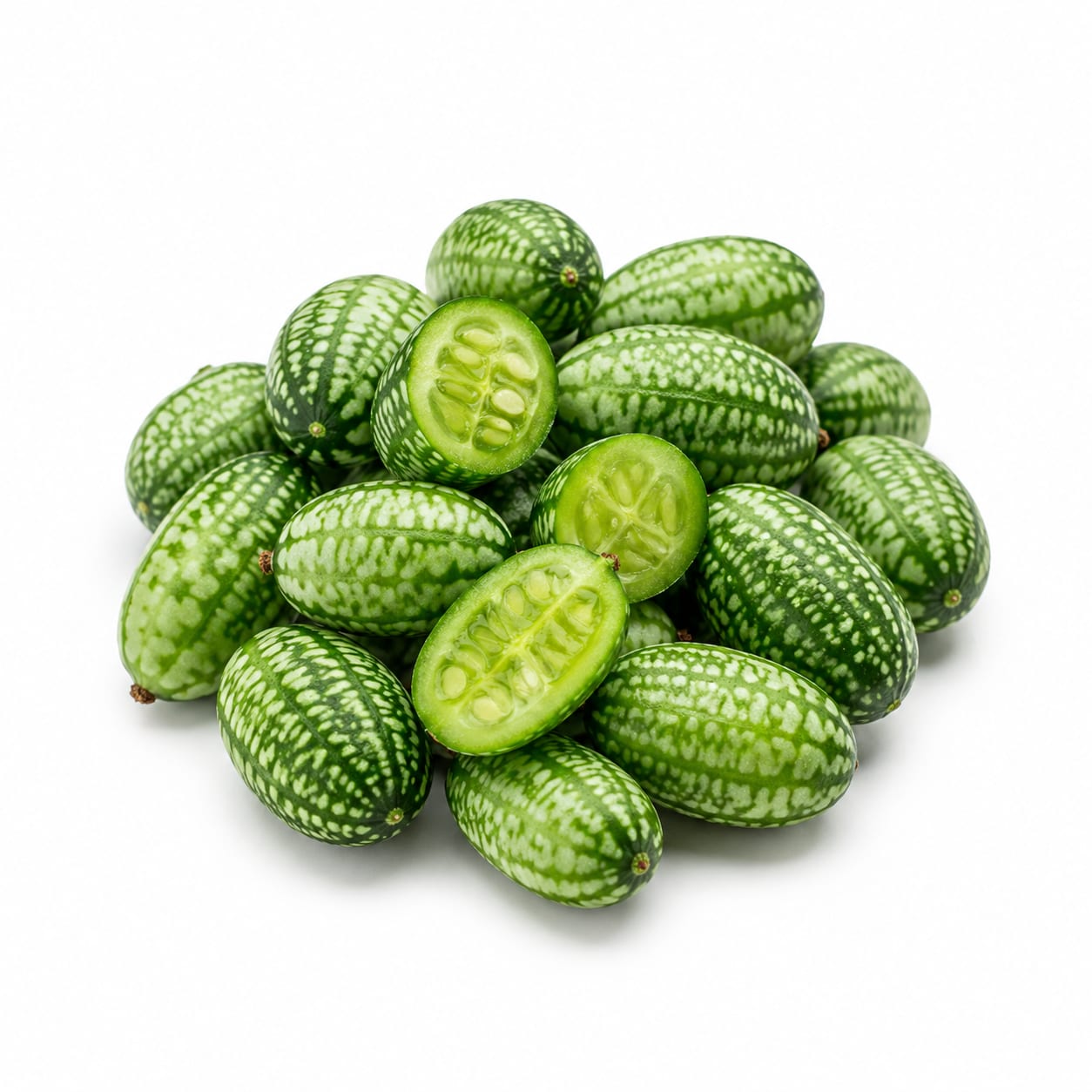
Cucamelon
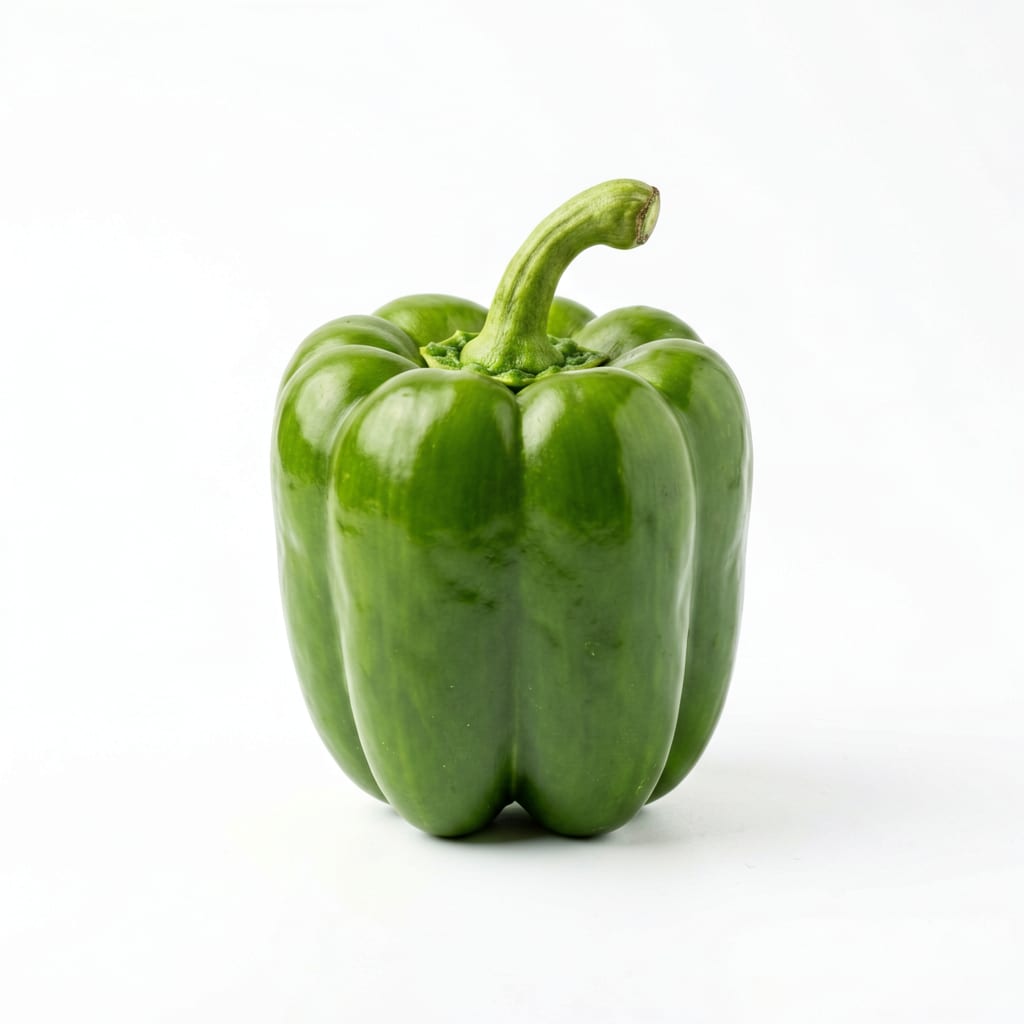
Bell Pepper
Bell Pepper dominates on nutrition, versatility, and everyday practicality. Cucamelon is a fun garnish but not a nutritional competitor.
Bell Pepper wins decisively due to exceptional vitamin C content, broad nutrient profile, culinary versatility, and grocery accessibility. Cucamelon scores low because it contributes minimal nutrition, has limited availability, and serves a narrow culinary role.
You trade novelty and charm for serious nutritional value and kitchen utility.
At a glance
Executive summary
Overall
Bell Pepper
Healthier
Bell Pepper
More practical
Bell Pepper
Daily use
Bell Pepper
Key comparison lenses
nutrient density comparison
Bell Pepper is a nutritional powerhouse with massive vitamin C content, while Cucamelon is more of a novelty with minimal macronutrient impact
practical everyday use
Bell Pepper is universally available and versatile; Cucamelon is seasonal, niche, and hard to find in most grocery stores
antioxidant and immune support
Bell Pepper delivers exceptional vitamin C and carotenoids; Cucamelon offers trace antioxidants but in far smaller quantities
culinary versatility
Bell Pepper works in stir-fries, salads, snacking, stuffing, and roasting; Cucamelon is mostly a garnish or pickling curiosity
pesticide and safety concerns
Bell Pepper frequently appears on the Dirty Dozen list; Cucamelon is less studied but typically grown with fewer chemical inputs
Best choice for
Cucamelon
- Adventurous eaters seeking unique flavors and garnishes
- Home gardeners wanting a prolific, easy-to-grow novelty crop
- Pickling enthusiasts looking for a tangy bite
- Cocktail garnish and entertaining presentations
Bell Pepper
- Anyone prioritizing vitamin C and immune support
- Meal preppers needing a versatile, colorful vegetable
- Families wanting kid-friendly raw snacking options
- People cooking on a budget who need maximum nutrition per dollar
Least suitable for
Cucamelon
- People who need reliable, year-round grocery availability
- Anyone relying on a single vegetable for substantial nutrition
- Budget-conscious shoppers seeking calorie-dense sustenance
Bell Pepper
- People with nightshade sensitivities or allergies
- Those strictly avoiding Dirty Dozen produce unless organic
- Individuals who experience digestive discomfort from raw peppers
Deep comparison
Dimension by dimension
Each lens scores both foods and breaks down who each option suits.
- Dimension 1 · Priority 95Bell Pepper
Vitamin C and Immune Support
Cucamelon · 15Bell Pepper · 97Bell Pepper is one of the richest vitamin C sources on earth. A single red bell pepper delivers over 150% of your daily needs. Cucamelon provides only trace amounts.
Tradeoff
If immune support is your priority, there is no contest. Bell Pepper is elite-tier; Cucamelon is decorative.
Why it matters
Vitamin C directly supports immune function, collagen production, and iron absorption. This is not a marginal difference — it is enormous.
Real-world impact
Eating one red bell pepper covers your vitamin C for the day. You would need piles of Cucamelons to achieve a fraction of that.
Cucamelon
- vitamin C intake
- antioxidant defense
Worse for
Bell Pepper
- immune support
- collagen production
- iron absorption
- skin health
Better for
- Dimension 2 · Priority 90Bell Pepper
Nutrient Density Per Calorie
Cucamelon · 22Bell Pepper · 88Bell Pepper delivers vitamins A, B6, folate, potassium, and powerful carotenoids alongside its vitamin C. Cucamelon is mostly water with trace nutrients.
Tradeoff
Both are low-calorie, but Bell Pepper makes every calorie count. Cucamelon calories are essentially empty.
Why it matters
When you eat vegetables, you want nutritional return on investment. Bell Pepper pays dividends; Cucamelon barely registers.
Real-world impact
A cup of chopped Bell Pepper gives you meaningful nutrition. A cup of Cucamelons gives you hydration and a sour crunch, not much else.
Cucamelon
- overall micronutrient intake
- dietary nutritional value
Worse for
Bell Pepper
- nutrient bang per calorie
- vitamin A intake
- folate needs
- potassium intake
Better for
- Dimension 3 · Priority 85Bell Pepper
Culinary Versatility
Cucamelon · 25Bell Pepper · 92Bell Pepper works raw, roasted, sautéed, stuffed, grilled, or blended into sauces. Cucamelon is limited to garnishes, pickling, and occasional salads.
Tradeoff
Bell Pepper is a kitchen staple with endless applications. Cucamelon is a one-trick ingredient that shines in very specific contexts.
Why it matters
Versatility determines how often you actually use something. The more ways you can prepare a food, the more consistently it enters your diet.
Real-world impact
Bell Pepper can anchor a stir-fry, star in a salad, or serve as a handheld snack. Cucamelon mostly sits on the side of a plate looking cute.
Cucamelon
- pickling projects
- cocktail garnishes
- novelty appetizers
Better for
- cooking flexibility
- recipe integration
Worse for
Bell Pepper
- weeknight cooking
- meal prep
- raw snacking
- roasting
- stuffing
- sauce bases
Better for
- Dimension 4 · Priority 82Bell Pepper
Availability and Practicality
Cucamelon · 10Bell Pepper · 95Bell Pepper is available year-round in virtually every grocery store worldwide. Cucamelon is seasonal, specialty, and often requires farmers markets or home growing.
Tradeoff
You can act on a Bell Pepper recipe tonight. Cucamelon requires planning, sourcing, or a garden.
Why it matters
The healthiest food is the one you can actually obtain and eat regularly. Availability is a practical nutritional factor.
Real-world impact
Bell Pepper is a 30-second grab at any supermarket. Cucamelon might require a specialty store, a farmers market visit, or growing it yourself.
Cucamelon
- home gardeners with space
- farmers market regulars
Better for
- spontaneous recipe use
- year-round reliability
Worse for
Bell Pepper
- busy weeknight cooks
- anyone without garden access
- rural grocery shoppers
- consistent meal planners
Better for
- Dimension 5 · Priority 65Cucamelon
Pesticide and Contamination Risk
Cucamelon · 72Bell Pepper · 45Bell Pepper consistently ranks on the EWG Dirty Dozen list for pesticide residues. Cucamelon is typically grown with fewer chemical inputs, though data is limited.
Tradeoff
Cucamelon likely carries fewer pesticide concerns, but the lack of data means uncertainty. Bell Pepper's risk is well-documented and manageable with organic choices.
Why it matters
Pesticide exposure accumulates over time. Choosing organic Bell Peppers or opting for lower-risk produce reduces your body burden.
Real-world impact
If you eat Bell Peppers frequently, going organic is a smart investment. Cucamelon likely poses less risk but is less studied.
Cucamelon
- lower pesticide exposure risk
- smaller-scale farming practices
Better for
- limited safety data
Worse for
Bell Pepper
- higher pesticide residue risk
- Dirty Dozen listing
Worse for
- Dimension 6 · Priority 55Cucamelon
Hydration and Light Snacking
Cucamelon · 78Bell Pepper · 65Both are hydrating, low-calorie crunch options. Cucamelon is slightly lighter and more snackable in a mindless grazing sense — like popcorn without the guilt.
Tradeoff
Cucamelon wins on pure lightness and grazing satisfaction. Bell Pepper is still low-calorie but more substantial and filling.
Why it matters
Sometimes you want a food that lets you keep eating without filling up. Cucamelon excels at this; Bell Pepper satisfies faster.
Real-world impact
Cucamelon is a perfect grazing snack for hot afternoons when you want crunch without fullness. Bell Pepper is better when you want the crunch to actually tide you over.
Cucamelon
- light grazing
- hot weather snacking
- mindless crunch without fullness
Better for
- substantial hunger relief
Worse for
Bell Pepper
- snacking that actually satisfies hunger
- post-workout raw veggies
Better for
- ultra-light grazing
Worse for
Timeline
Health impact over time
Short-term
Hours to days
Cucamelon
- Refreshing hydration from high water content
- Mild sour tang may stimulate digestion slightly
- Very low calorie intake — essentially a free snack
Bell Pepper
- Immediate vitamin C boost supporting immune function
- Natural sweetness can satisfy sugar cravings without a spike
- Crunchy texture promotes mindful eating and slower consumption
Long-term
Months to years
Cucamelon
- Minimal nutritional contribution if relied upon as a primary vegetable
- Possible enjoyment benefit from variety and culinary novelty
- Low risk of any negative health effects due to simple composition
Bell Pepper
- Sustained vitamin C and carotenoid intake supports skin, eye, and immune health
- Regular antioxidant consumption may reduce inflammatory markers
- Potential pesticide exposure if conventionally grown and consumed frequently
Risk profile
Safety & processing
Both Cucamelon and Bell Pepper are whole, unprocessed foods when purchased fresh. Neither carries additive concerns in their raw form. The naturalness comparison is a tie — both are as close to farm-to-table as produce gets.
Cucamelon
Limited food safety data
lowCucamelon is not widely commercially produced, so safety studies are sparse. No known specific risks, but less oversight means less certainty.
Potential misidentification by foragers
mediumHome foragers could confuse Cucamelon with unripe or toxic lookalikes in the Melothria or Cucurbit family. Only eat from trusted sources.
Bell Pepper
Pesticide residues
mediumBell Pepper is consistently on the EWG Dirty Dozen list. Conventional bell peppers frequently test positive for multiple pesticide residues. Washing helps but does not eliminate all residues.
Nightshade sensitivity
lowBell Pepper belongs to the nightshade family. A small percentage of people experience joint pain, digestive issues, or inflammation from nightshades.
Cross-contamination in food prep
lowLike any raw produce, Bell Pepper can harbor surface bacteria. Thorough washing mitigates this risk effectively.
Who wins for whom
Audience fit
Same foods, different winners depending on your goal.
children
Bell PepperBell Pepper's natural sweetness and crunch make it a kid-friendly raw snack with serious nutritional benefits. Cucamelon's sourness is hit-or-miss with children.
daily consumption
Bell PepperBell Pepper is available year-round, affordable, and nutritionally meaningful every single day. Cucamelon is seasonal, hard to find, and nutritionally negligible for daily use.
diabetes
Bell PepperBoth have minimal impact on blood sugar. Bell Pepper provides more fiber and antioxidants that support long-term metabolic health. Cucamelon is neutral but not beneficial.
elderly
Bell PepperBell Pepper's vitamin C, B6, and folate support immune function, cognitive health, and cardiovascular wellness in aging populations. Cucamelon cannot match this nutritional support.
muscle gain
Bell PepperNeither is a protein source, but Bell Pepper's vitamin C supports collagen synthesis and recovery. Cucamelon offers no meaningful support for muscle repair.
weight loss
Bell PepperBoth are extremely low in calories, but Bell Pepper provides actual nutrition that supports metabolic health during a calorie deficit. Cucamelon is low-calorie but nutritionally empty.
Your move
Decision guide
Choose Cucamelon
- You grow Cucamelons in your garden and have a surplus to enjoy
- You want a unique garnish for cocktails, appetizers, or dinner parties
- You love pickling and want a tangy, crunchy project
- You are seeking variety and novelty in your produce rotation
Choose Bell Pepper
- You want maximum nutrition from your vegetable intake
- You need a versatile ingredient for everyday cooking
- You are looking for a satisfying raw snack with real health benefits
- You want affordable, accessible produce year-round
- You are prioritizing immune support, skin health, or antioxidant intake
Either works if
- You want a hydrating, low-calorie crunch and both are available
- You are building a colorful crudité platter and want variety
- You enjoy both flavors and want to rotate for dietary diversity
Avoid both if
- You have a nightshade sensitivity — Bell Pepper is out, and while Cucamelon is not a nightshade, check with your doctor
- You need calorie-dense or protein-rich foods to meet daily energy needs
- You are looking for a single vegetable to anchor your nutritional intake — neither is sufficient alone
Final recommendation
Bell Pepper is the clear choice for health, practicality, and everyday value. It delivers exceptional vitamin C, versatile cooking options, and reliable grocery availability. Cucamelon is a delightful novelty worth trying when you find it, but it cannot replace Bell Pepper as a dietary staple. Think of Cucamelon as a fun guest star — Bell Pepper is the leading role.
Practical
Consumer tips
- 1
Buy organic Bell Peppers when possible — they are consistently on the Dirty Dozen list and you eat the skin
- 2
Red Bell Peppers contain more vitamin C and carotenoids than green — choose red for maximum nutrition
- 3
If you grow Cucamelons, pick them small for the best crunch and tang — they get seedy and bitter as they enlarge
- 4
Pickling Cucamelons is their strongest culinary use — they hold texture beautifully in brine
- 5
Freeze diced Bell Peppers for easy weeknight cooking — they lose crunch but work perfectly in cooked dishes
- 6
Wash both thoroughly regardless of organic status — surface contamination affects all fresh produce