
Nutrition comparison
Cucamelon vs Jicama: Which Crunchy Snack Is Actually Better for You?
Compare cucamelon and jicama nutrition, fiber, satiety, and practicality. Find out which low-calorie snack truly supports your health goals and when to choose each.
Overall winner · Jicama
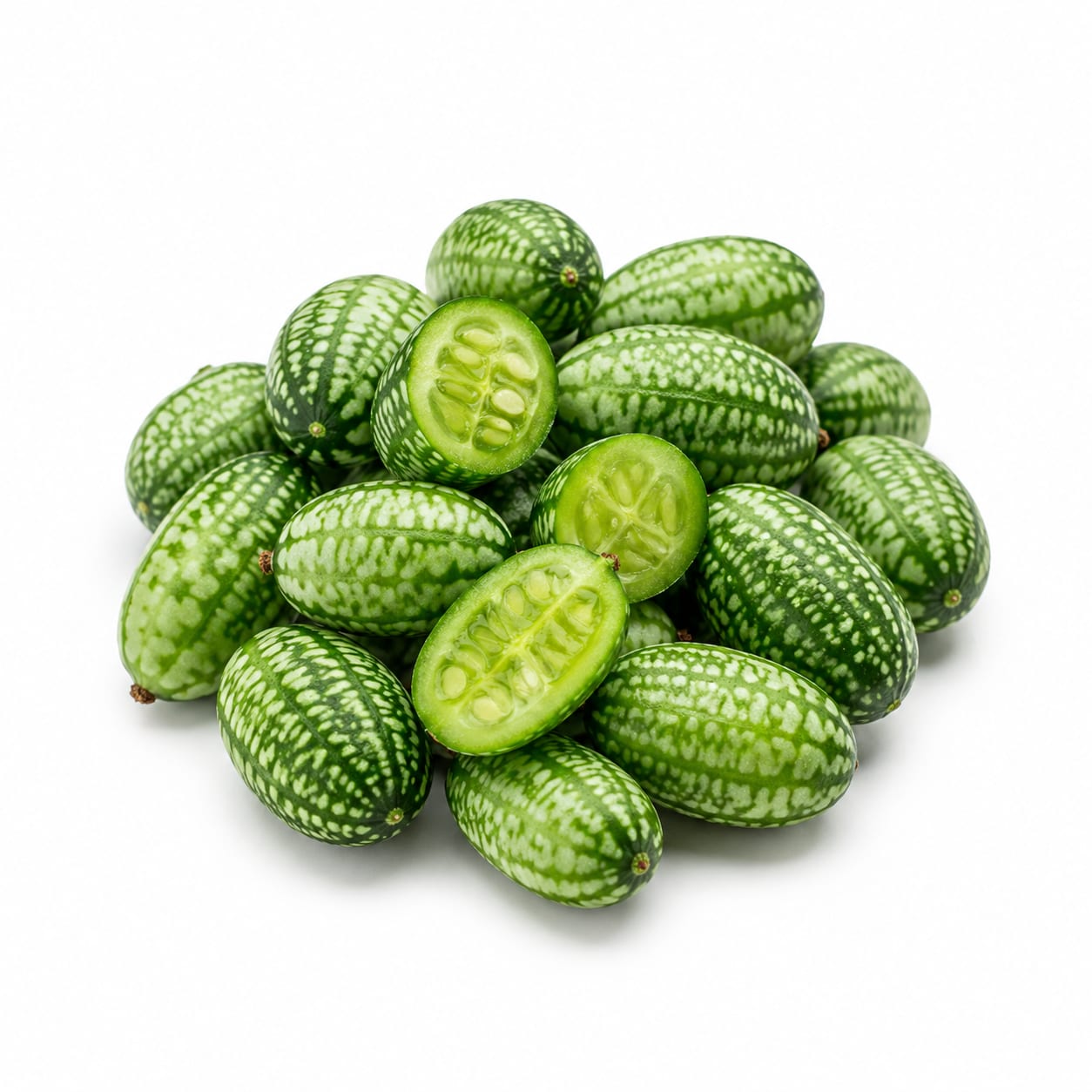
Cucamelon
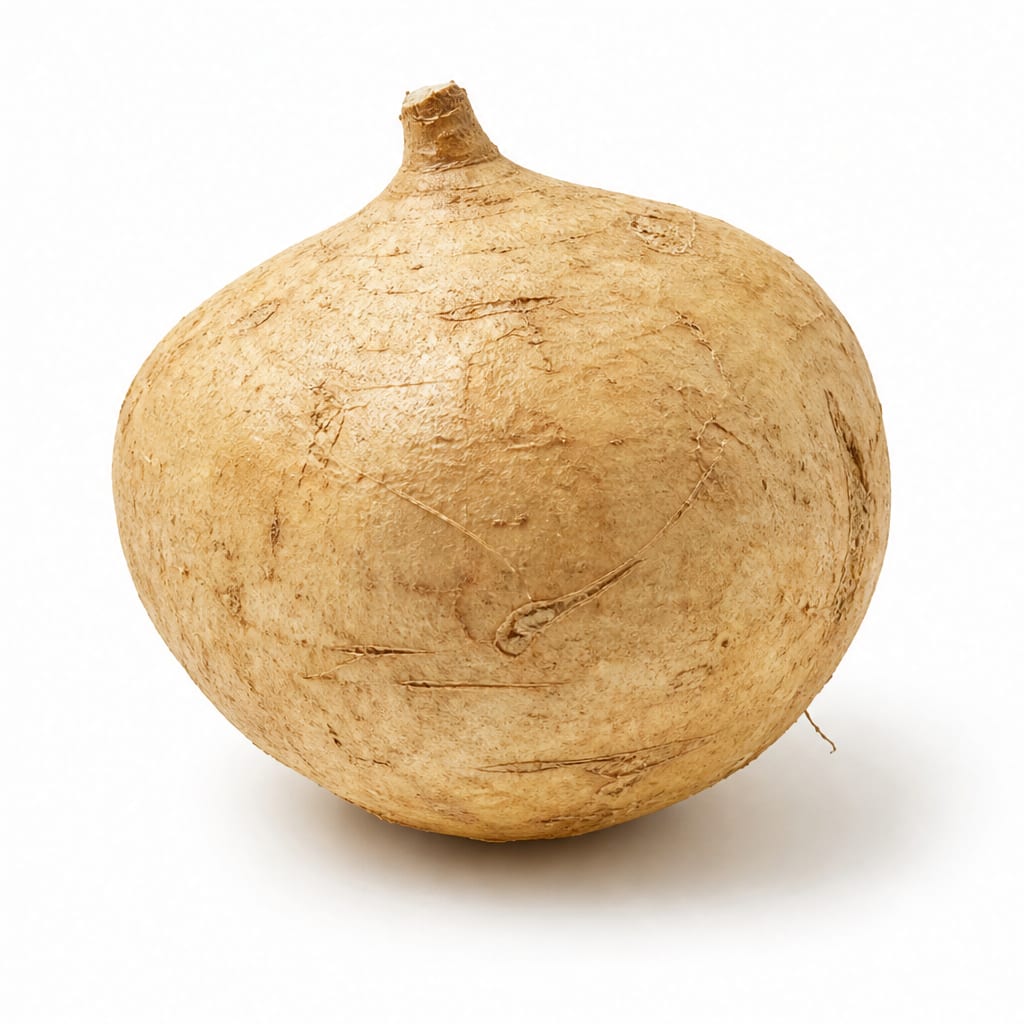
Jicama
Jicama delivers more nutrition, fiber, and practical value, while cucamelon offers a fun, ultra-light garnish experience with less substance.
Jicama scores substantially higher due to its fiber content, satiety value, gut health benefits, and everyday practicality. Cucamelon is not nutritionally competitive but earns points for being a fun, ultra-low-calorie whole food.
Cucamelon is a novelty snack with minimal calories and fiber, whereas jicama is a fiber-rich, satisfying crunch that actually fills you up and supports gut health.
At a glance
Executive summary
Overall
Jicama
Healthier
Jicama
More practical
Jicama
Daily use
Jicama
Key comparison lenses
low-calorie snacking and weight management
Both foods are popular among calorie-conscious snackers looking for crunch without guilt
digestive health and fiber intake
Jicama's inulin fiber content creates a major nutritional divergence worth exploring
practical accessibility and everyday use
Cucamelon is seasonal and specialty while jicama is widely available year-round in most grocery stores
blood sugar management
Fiber content differences make this relevant for anyone monitoring glucose
culinary versatility and meal integration
Users want to know which food fits into more meals and recipes
Best choice for
Cucamelon
- Garnishing and visual appeal in dishes
- Ultra-low calorie grazing when you just want crunch
- Novelty food experiences and entertaining guests
- Adding tartness to salads without vinegar or citrus
Jicama
- Daily fiber intake and digestive regularity
- Satisfying afternoon snacks that actually curb hunger
- Blood sugar-friendly snacking for diabetics
- Prebiotic gut health support
Least suitable for
Cucamelon
- Anyone needing satiety or fullness from snacks
- People relying on produce for meaningful fiber intake
- Those wanting easy grocery store availability
- Meal prep and batch cooking
Jicama
- People with FODMAP sensitivities who react to inulin
- Those wanting a tart or sour flavor profile
- Very low-carb dieters tracking every gram strictly
Deep comparison
Dimension by dimension
Each lens scores both foods and breaks down who each option suits.
- Dimension 1 · Priority 95Jicama
Fiber and Digestive Health
Cucamelon · 15Jicama · 88Jicama is a fiber powerhouse with inulin prebiotics; cucamelon provides almost no fiber.
Tradeoff
You sacrifice the cute novelty crunch of cucamelon but gain real digestive benefits with jicama.
Why it matters
Fiber keeps you regular, feeds beneficial gut bacteria, and stabilizes blood sugar. A cup of jicama delivers about 6g of fiber versus less than 1g in cucamelon.
Real-world impact
Eating jicama as a daily snack can meaningfully improve digestion and satiety. Cucamelon will not move the needle on either.
Cucamelon
- Light snacking where you want zero digestive load
Better for
- Anyone needing digestive regularity from food
Worse for
Jicama
- Improving daily fiber intake without supplements
- Supporting gut microbiome diversity
- Reducing constipation naturally
- Feeling full between meals
Better for
- People with inulin intolerance or FODMAP issues
Worse for
- Dimension 2 · Priority 90Jicama
Satiety and Fullness
Cucamelon · 18Jicama · 75Jicama's fiber and substance make it genuinely filling; cucamelon is mostly water and disappears without satisfaction.
Tradeoff
Cucamelon lets you eat a large volume for almost no calories, but you will be hungry again in minutes.
Why it matters
A snack that does not satisfy leads to more snacking. Volume alone does not create fullness without fiber and substance.
Real-world impact
A cup of jicama with chili and lime can hold you over between meals. A cup of cucamelon is gone before your brain registers eating.
Cucamelon
- Mindless grazing where you want oral fixation without intake
Better for
- Anyone trying to reduce overall snacking frequency
Worse for
Jicama
- Afternoon energy dips between lunch and dinner
- Post-workout light snacking
- Curbing late-night munchies with something substantial
Better for
- Those wanting something extremely light before a meal
Worse for
- Dimension 3 · Priority 82Jicama
Blood Sugar Stability
Cucamelon · 45Jicama · 80Jicama's inulin fiber slows glucose absorption; cucamelon has minimal fiber but also minimal carbs, creating a neutral but less protective effect.
Tradeoff
Cucamelon will not spike blood sugar but also will not actively help stabilize it like jicama can.
Why it matters
Inulin in jicama acts as a prebiotic that supports metabolic health beyond just avoiding spikes.
Real-world impact
For diabetics, jicama is a protective snack. Cucamelon is safe but passive.
Cucamelon
- Very low-carb eaters counting every gram
Better for
- People needing fiber to manage post-meal glucose
Worse for
Jicama
- People with insulin resistance or prediabetes
- Anyone wanting steady energy without crashes
- Those pairing snacks with carbs to blunt glycemic impact
Better for
- Strict keto dieters avoiding all prebiotic starches
Worse for
- Dimension 4 · Priority 80Jicama
Availability and Practicality
Cucamelon · 20Jicama · 85Jicama is in most grocery stores year-round; cucamelon is seasonal, specialty, and hard to find fresh.
Tradeoff
Cucamelon is exciting when you find it but unreliable; jicama is always there when you need it.
Why it matters
A healthy food you cannot buy regularly cannot be part of a sustainable routine.
Real-world impact
You can build jicama into weekly meal prep. Cucamelon is a farmers market treat a few times a year.
Cucamelon
- Specialty cooking and dinner party showpieces
Better for
- Anyone without access to specialty markets or farmers markets
Worse for
Jicama
- Consistent weekly grocery shopping
- Meal prep and planning
- Road trip or office snacks you can grab anywhere
Better for
- None significant
Worse for
- Dimension 5 · Priority 65Jicama
Vitamin C and Antioxidant Content
Cucamelon · 40Jicama · 60Both provide some vitamin C, but jicama delivers more per serving with meaningful amounts. Cucamelon has trace antioxidants but limited data.
Tradeoff
Neither is a vitamin C superstar, but jicama at least contributes noticeably to daily intake.
Why it matters
Vitamin C supports immunity and skin health, and every bit counts when snacking.
Real-world impact
A cup of jicama covers about 30-40% of daily vitamin C needs. Cucamelon covers far less per typical serving.
Cucamelon
- Adding variety to antioxidant sources
Better for
- Those relying on snacks for meaningful micronutrients
Worse for
Jicama
- Boosting daily vitamin C without supplements
- Supporting immune function through food
Better for
- None significant
Worse for
- Dimension 6 · Priority 70Jicama
Culinary Versatility
Cucamelon · 35Jicama · 78Jicama works in salads, slaws, stir-fries, and with various seasonings. Cucamelon is mostly a garnish or pickled snack.
Tradeoff
Cucamelon brings a unique tart crunch that is hard to replicate, but jicama adapts to far more dishes.
Why it matters
A versatile ingredient gets eaten more often and reduces food waste.
Real-world impact
Jicama can be breakfast, lunch, or dinner adjacent. Cucamelon is a cocktail garnish.
Cucamelon
- Pickling projects
- Decorative plating and garnish work
- Adding sour crunch to summer cocktails
Better for
- Cooked dishes and hot preparations
Worse for
Jicama
- Slaws and salads with multiple flavor profiles
- Chili-lime street snack preparations
- Raw veggie platters and dips
- Stir-fry additions for water chestnut-like crunch
Better for
- Dishes requiring tartness or acidity
Worse for
Timeline
Health impact over time
Short-term
Hours to days
Cucamelon
- Very light hydration from high water content
- Minimal digestive activity due to low fiber
- Mild tart flavor may stimulate saliva and appetite
Jicama
- Noticeable fullness after eating a cup or more
- Gentle digestive stimulation from fiber
- Steady energy without sugar rush or crash
Long-term
Months to years
Cucamelon
- Minimal nutritional contribution if eaten regularly
- No meaningful fiber benefit for gut health
- Hydration support if consumed in quantity
Jicama
- Improved digestive regularity from consistent fiber intake
- Prebiotic support for beneficial gut bacteria over time
- Better blood sugar management as part of a high-fiber dietary pattern
- Potential modest weight management support from increased satiety
Risk profile
Safety & processing
Both cucamelon and jicama are whole, unprocessed foods typically eaten raw. Neither carries processing concerns. The main difference is that jicama must be peeled, as its skin contains rotenone, a natural compound that can be mildly toxic in large amounts.
Cucamelon
Pesticide residue on skin
lowCucamelon is often grown small-scale and organically, but if conventionally grown, the skin can hold residues. Washing thoroughly is sufficient.
Misidentification with toxic lookalikes
mediumCucamelon resembles other Melothria species that may be more bitter or potentially irritating. Source from reputable vendors.
Jicama
Toxic skin and seed content
mediumJicama skin and seeds contain rotenone, a natural insecticide that is toxic in significant amounts. Always peel completely and never eat the seeds or skin.
Cross-contamination in preparation
lowWhen peeling, ensure knife does not transfer skin compounds to the flesh. Rinse after peeling.
Who wins for whom
Audience fit
Same foods, different winners depending on your goal.
children
JicamaKids enjoy jicama's sweet crunch with chili-lime or dip, and it provides fiber most children lack. Cucamelon is a fun novelty but too small and tart for most kids to enjoy regularly.
daily consumption
JicamaJicama is available, affordable, and nutritionally meaningful every day. Cucamelon is a seasonal treat at best.
diabetes
JicamaJicama's inulin fiber actively helps stabilize blood sugar and supports metabolic health. Cucamelon is safe but offers no protective benefit.
elderly
JicamaOlder adults benefit greatly from jicama's fiber for digestion and its easy-to-chew crisp texture. Cucamelon's tiny size and tartness offer less practical value.
muscle gain
It dependsNeither food is relevant for muscle gain. Both are low-protein snacks. Choose based on what complements your protein sources.
weight loss
JicamaJicama's fiber creates actual satiety, reducing overall calorie intake throughout the day. Cucamelon's lack of substance means you will likely eat more elsewhere.
Your move
Decision guide
Choose Cucamelon
- You want a visually stunning garnish for a dinner party or cocktail
- You are at a farmers market and see fresh cucamelon as a fun experience
- You want tart crunch with virtually zero calories and no fullness
- You enjoy pickling unique vegetables at home
Choose Jicama
- You need a satisfying daily snack that keeps hunger at bay
- You want to increase your fiber intake without supplements
- You are managing blood sugar and need a safe, protective crunch
- You want something versatile that works in salads, slaws, and with various seasonings
- You need a reliable grocery store option for weekly meal prep
Either works if
- You just want a hydrating, low-calorie raw vegetable snack
- You are looking for whole-food crunch alternatives to chips
- You enjoy exploring Mexican and Central American produce
Avoid both if
- You need significant protein or healthy fats from your snacks
- You are looking for energy-dense fuel for intense training
- You have severe FODMAP intolerance and react to inulin or fructans
Final recommendation
Make jicama your everyday crunchy snack. It delivers real fiber, genuine satiety, and gut health benefits that compound over time. Save cucamelon for the occasional farmers market treat or dinner party garnish. It is delightful but not nutritionally substantial enough to be a staple.
Practical
Consumer tips
- 1
Always peel jicama completely and discard the skin and seeds, which contain natural toxins
- 2
Try jicama with chili powder and lime juice for a street-style snack that makes fiber actually exciting
- 3
Cucamelon pickles beautifully in vinegar with dill and garlic if you want to preserve a seasonal haul
- 4
If you cannot find fresh cucamelon, check specialty pickled versions online, but watch for added sugar
- 5
Store jicama unpeeled in the fridge for up to two weeks; once cut, wrap tightly and use within a few days
- 6
Cucamelon is best used within a few days of purchase as it wilts quickly