
Nutrition comparison
Cucamelon vs Zucchini: Which Low-Calorie Vegetable Is Actually Better for You?
Compare cucamelon and zucchini on nutrition, fiber, versatility, and real-world value. Find out which one deserves a daily spot in your meals and which is best as a fun occasional snack.
Overall winner · Zucchini
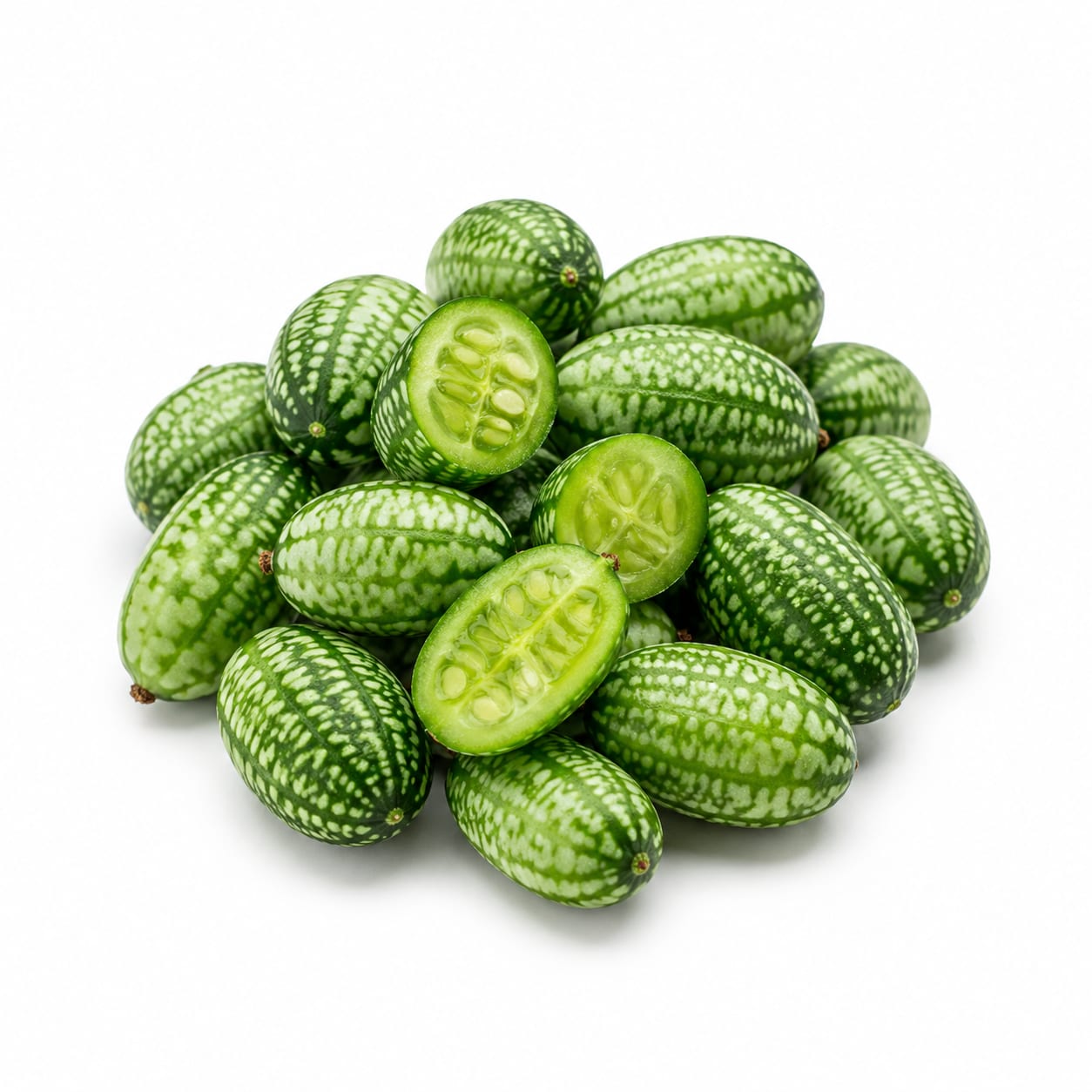
Cucamelon
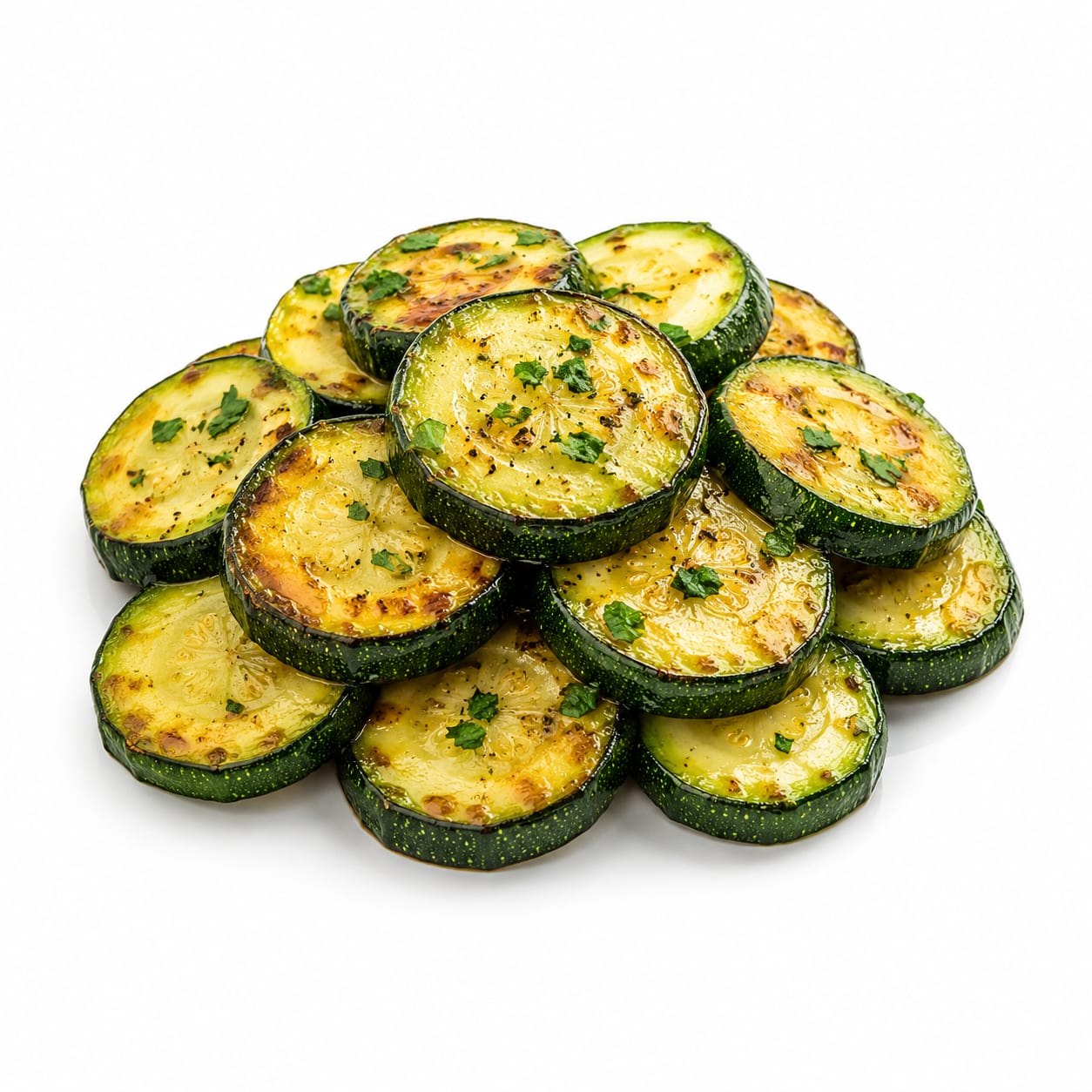
Zucchini
Zucchini delivers more nutrition, fiber, and meal versatility per serving, while cucamelon offers a fun, tangy snacking experience in a tiny package.
Zucchini scores significantly higher due to its nutritional density, fiber content, culinary versatility, and everyday practicality. Cucamelon is enjoyable but limited — it is more of a specialty snack than a dietary staple.
Cucamelon wins on novelty and snackability but loses on substance — zucchini provides real nutritional volume and cooking flexibility that cucamelon cannot match.
At a glance
Executive summary
Overall
Zucchini
Healthier
Zucchini
More practical
Zucchini
Daily use
Zucchini
Key comparison lenses
Low-calorie vegetable snacking and weight management
Both foods are extremely low in calories and often chosen by people managing weight or seeking light, hydrating snacks
Nutritional density per serving
Users comparing these want to know which delivers more vitamins and minerals for the calories
Culinary versatility and meal integration
Zucchini is a kitchen staple while cucamelon is a specialty item, so practical usability is a key concern
Hydration and summer eating
Both are high-water-content foods popular in warm weather, but differ in how they fit into meals
Fiber and digestive benefits
Both are gentle on digestion but offer different fiber amounts and satiety levels
Best choice for
Cucamelon
- Garnishing and adding visual flair to dishes
- Light tangy snacking without preparation
- Novelty food experiences and entertaining
- Portable bite-sized hydration on the go
Zucchini
- Meal-building as a low-calorie vegetable base
- Replacing higher-carb ingredients like pasta
- Consistent daily vegetable intake
- Cooking and recipe versatility
Least suitable for
Cucamelon
- Anyone needing substantial fiber or fullness from their vegetables
- Budget-conscious shoppers seeking everyday nutrition
- People who want a versatile cooking ingredient
Zucchini
- Raw snacking without any preparation or seasoning
- Those wanting a tart, exciting flavor burst
- Situations requiring bite-sized finger food
Deep comparison
Dimension by dimension
Each lens scores both foods and breaks down who each option suits.
- Dimension 1 · Priority 92Zucchini
Nutritional Density
Cucamelon · 35Zucchini · 68Zucchini provides meaningfully more vitamin C, vitamin A, potassium, and folate per serving. Cucamelon offers trace nutrients but its tiny serving size limits total nutritional impact.
Tradeoff
You would need to eat a large volume of cucamelons to approach the nutrient content of a single medium zucchini.
Why it matters
If you are eating vegetables primarily for their vitamin and mineral contribution, zucchini simply delivers more per bite.
Real-world impact
A cup of cooked zucchini covers a noticeable portion of your daily vitamin C needs; a handful of cucamelons barely moves the needle.
Cucamelon
- Adding a refreshing accent to nutrient-dense meals
Better for
- Relying on it as a primary vegetable source
Worse for
Zucchini
- Meeting daily vitamin and mineral targets efficiently
- Getting more nutrition from fewer calories
Better for
- Situations where raw, no-prep snacking is the priority
Worse for
- Dimension 2 · Priority 88Zucchini
Fiber and Satiety
Cucamelon · 28Zucchini · 65Zucchini contains roughly twice the fiber per serving compared to cucamelon, making it noticeably more filling and better for digestive regularity.
Tradeoff
Cucamelon is so small and water-rich that you can eat many without feeling satisfied, which may lead to overeating other foods afterward.
Why it matters
Fiber is what turns a low-calorie vegetable from a fleeting snack into something that actually helps control hunger between meals.
Real-world impact
A zucchini-based meal or side can keep you full for an hour or two; cucamelons disappear quickly and leave you reaching for more food.
Cucamelon
- Very light snacking when you want minimal intake
Better for
- Anyone relying on vegetables for satiety
- People managing hunger on a calorie deficit
Worse for
Zucchini
- Staying full between meals without many calories
- Supporting healthy digestion and regularity
- Reducing the urge to snack on heavier foods
Better for
- Moments when you want something ultra-light and refreshing
Worse for
- Dimension 3 · Priority 85Zucchini
Culinary Versatility
Cucamelon · 25Zucchini · 88Zucchini can be grilled, roasted, spiralized into noodles, baked into breads, sautéed, stuffed, or eaten raw. Cucamelon is essentially limited to raw snacking, pickling, or garnishing.
Tradeoff
Cucamelon's charm is its simplicity — you just pop it in your mouth. But that simplicity means it cannot carry a meal the way zucchini can.
Why it matters
A versatile vegetable gets eaten more often and in more contexts, which directly improves your overall diet quality.
Real-world impact
Zucchini can replace pasta, bulk up stir-fries, or become a main dish. Cucamelon sits on the side of a plate looking cute.
Cucamelon
- No-cook snacking situations
- Adding a tangy crunch to salads or charcuterie boards
Better for
- Anyone who wants to cook with their vegetables
- Building a meal around a single vegetable
Worse for
Zucchini
- Meal prep and batch cooking
- Low-carb pasta alternatives
- Grilling and roasting as a side dish
- Baking into savory or sweet recipes
Better for
- Quick finger-food scenarios requiring zero prep
Worse for
- Dimension 4 · Priority 78Cucamelon
Hydration and Refreshment
Cucamelon · 82Zucchini · 75Both are over 90% water, but cucamelon's tart, citrusy edge makes it feel more refreshing and thirst-quenching bite after bite.
Tradeoff
Zucchini hydrates well but has a milder, slightly sweeter flavor that feels less invigorating on a hot day.
Why it matters
In summer or after exercise, a food that feels refreshing can replace the desire for sugary drinks or heavy snacks.
Real-world impact
A bowl of chilled cucamelons feels like a natural sports drink alternative; zucchini feels more like a gentle, comforting food.
Cucamelon
- Hot weather snacking when you want something crisp and tart
- Post-exercise light refreshment
Better for
- Situations where you want a comforting, warm food
Worse for
Zucchini
- Adding moisture to cooked dishes without extra liquid
- Soups and stews where water content matters
Better for
- Craving a sharp, palate-cleansing bite
Worse for
- Dimension 5 · Priority 72It depends
Antioxidant Profile
Cucamelon · 60Zucchini · 58Cucamelon contains unique antioxidant compounds including cucurbitacins and flavonoids not commonly found in other vegetables. Zucchini offers lutein, zeaxanthin, and vitamin C in larger total amounts.
Tradeoff
Cucamelon provides rarer antioxidant types but in tiny quantities; zucchini provides more common but more abundant antioxidants.
Why it matters
Dietary diversity in antioxidants matters more than sheer quantity from any single source.
Real-world impact
Eating both is ideal — cucamelon adds antioxidant variety while zucchini adds antioxidant volume.
Cucamelon
- Diversifying your antioxidant intake beyond common vegetables
- Adding unique plant compounds to your diet
Better for
- Getting meaningful total antioxidant volume
Worse for
Zucchini
- Getting more total antioxidant capacity per serving
- Eye-health-specific antioxidants like lutein
Better for
- Contributing novel, less-common antioxidant types
Worse for
- Dimension 6 · Priority 70Zucchini
Accessibility and Cost
Cucamelon · 20Zucchini · 90Zucchini is available year-round in virtually every grocery store at low cost. Cucamelon is a specialty item found at farmers markets, specialty stores, or grown at home.
Tradeoff
Cucamelon's rarity makes it exciting but impractical as a regular dietary component. Zucchini's ubiquity makes it a reliable staple.
Why it matters
The healthiest vegetable is the one you can actually buy and eat consistently.
Real-world impact
You can find zucchini anywhere for under two dollars per pound. Cucamelon may cost five to ten times more and require a special trip.
Cucamelon
- Home gardeners who can grow their own supply
- Specialty food enthusiasts who enjoy seeking out unique ingredients
Better for
- People who need reliable, affordable produce
- Rural areas with limited specialty options
Worse for
Zucchini
- Weekly grocery shopping on a budget
- Consistent daily vegetable consumption
- Anyone without access to specialty markets
Better for
- Gardeners looking for a fun, prolific novelty crop
Worse for
Timeline
Health impact over time
Short-term
Hours to days
Cucamelon
- Quick hydration from high water content
- Mild digestive stimulation from tart acidity
- Very low calorie intake — unlikely to cause any fullness
- Refreshing palate-cleansing effect between richer foods
Zucchini
- Noticeable fullness from fiber and water combined
- Gentle blood sugar stability with minimal glycemic impact
- Comforting, easy-to-digest texture when cooked
- Versatile enough to replace heavier, less healthy meal components
Long-term
Months to years
Cucamelon
- Minimal direct health impact due to small typical serving sizes
- Possible antioxidant diversity benefit if eaten regularly
- Low risk of any adverse effects — extremely gentle food
- Unlikely to move the needle on chronic disease prevention alone
Zucchini
- Consistent fiber intake supporting digestive health and cholesterol management
- Lutein and zeaxanthin contributing to long-term eye health
- Sustained low-calorie volume eating that supports healthy weight maintenance
- Regular vegetable intake linked to reduced cardiovascular risk
Risk profile
Safety & processing
Both cucamelon and zucchini are whole, unprocessed vegetables typically eaten in their natural state. Neither carries meaningful processing or additive concerns when purchased fresh.
Cucamelon
Pesticide residue on skin
mediumCucamelon is often eaten whole with the skin, and as a specialty crop it may not follow the same standardized pesticide practices as mainstream produce. Washing thoroughly is important.
Misidentification with wild cucurbits
lowHome foragers could confuse cucamelon with inedible wild relatives that contain higher cucurbitacin levels, causing bitterness and digestive upset.
Zucchini
Pesticide residue on skin
mediumZucchini frequently appears on moderate pesticide residue lists. Peeling or choosing organic reduces exposure, though peeling removes beneficial nutrients.
Bitter zucchini toxicity
lowOccasionally zucchini can develop dangerously high cucurbitacin levels causing bitterness and gastrointestinal illness. If a zucchini tastes unusually bitter, discard it immediately.
Who wins for whom
Audience fit
Same foods, different winners depending on your goal.
children
CucamelonCucamelon's tiny size, fun shape, and tangy flavor make it appealing to kids as a natural snack — it feels like eating grape-sized water balloons.
daily consumption
ZucchiniZucchini is affordable, available, versatile, and nutritionally meaningful enough to eat every day. Cucamelon is better as an occasional treat.
diabetes
ZucchiniZucchini's higher fiber content slows glucose absorption more effectively, and its versatility makes it easier to replace higher-glycemic foods in meals.
elderly
ZucchiniZucchini's soft texture when cooked is easier to chew and digest, and its higher nutrient density supports the increased nutritional needs of aging.
muscle gain
ZucchiniNeither food is significant for muscle gain, but zucchini pairs better with protein-rich meals as a filling side dish that keeps overall calories manageable.
weight loss
ZucchiniZucchini's fiber and volume create real satiety on minimal calories, making it easier to sustain a calorie deficit without feeling deprived.
Your move
Decision guide
Choose Cucamelon
- You want a fun, tangy, no-prep snack for hot weather
- You are hosting and want a conversation-starting garnish
- You grow your own vegetables and want something prolific and novel
- You are looking for palate-cleansing bites between richer dishes
Choose Zucchini
- You need a reliable, affordable daily vegetable
- You want to replace pasta or rice with a low-calorie alternative
- You are managing your weight and need filling, low-calorie volume
- You cook regularly and want a versatile ingredient that works in dozens of recipes
Either works if
- You simply want a hydrating, low-calorie vegetable snack
- You are building a crudité platter and want variety
- You are trying to increase your overall vegetable intake
Avoid both if
- You need a protein-rich or calorie-dense food for energy
- You are looking for a significant source of iron, calcium, or B vitamins
Final recommendation
Keep zucchini as your everyday vegetable workhorse and treat cucamelon as a delightful occasional addition. Zucchini gives you real nutritional substance and meal flexibility day after day. Cucamelon brings joy and novelty but cannot carry your vegetable intake on its own. If you can grow cucamelons at home, enjoy them freely alongside zucchini — the combination gives you both substance and fun.
Practical
Consumer tips
- 1
Wash cucamelons thoroughly since they are eaten whole and skin-on, and specialty crops may have less standardized pesticide practices
- 2
If zucchini tastes unusually bitter, do not eat it — this indicates dangerous cucurbitacin levels
- 3
Spiralize zucchini into noodles and top with your usual pasta sauce for an effortless low-carb meal
- 4
Pickling cucamelons is easy and extends their shelf life while enhancing their natural tanginess
- 5
Choose organic zucchini when possible since it is a moderate pesticide residue crop and you benefit most from eating the skin
- 6
Grow cucamelons in a garden or container — they are prolific, low-maintenance, and expensive to buy retail
- 7
Grate zucchini into oatmeal, muffins, or smoothies for hidden vegetable volume that barely affects taste