
Nutrition comparison
Cucamelon vs Grape: Which Low-Sugar Snack Is Better for You?
Compare cucamelon and grape nutrition, sugar content, antioxidants, and health benefits. Find out which fruit is better for weight loss, diabetes, and daily snacking.
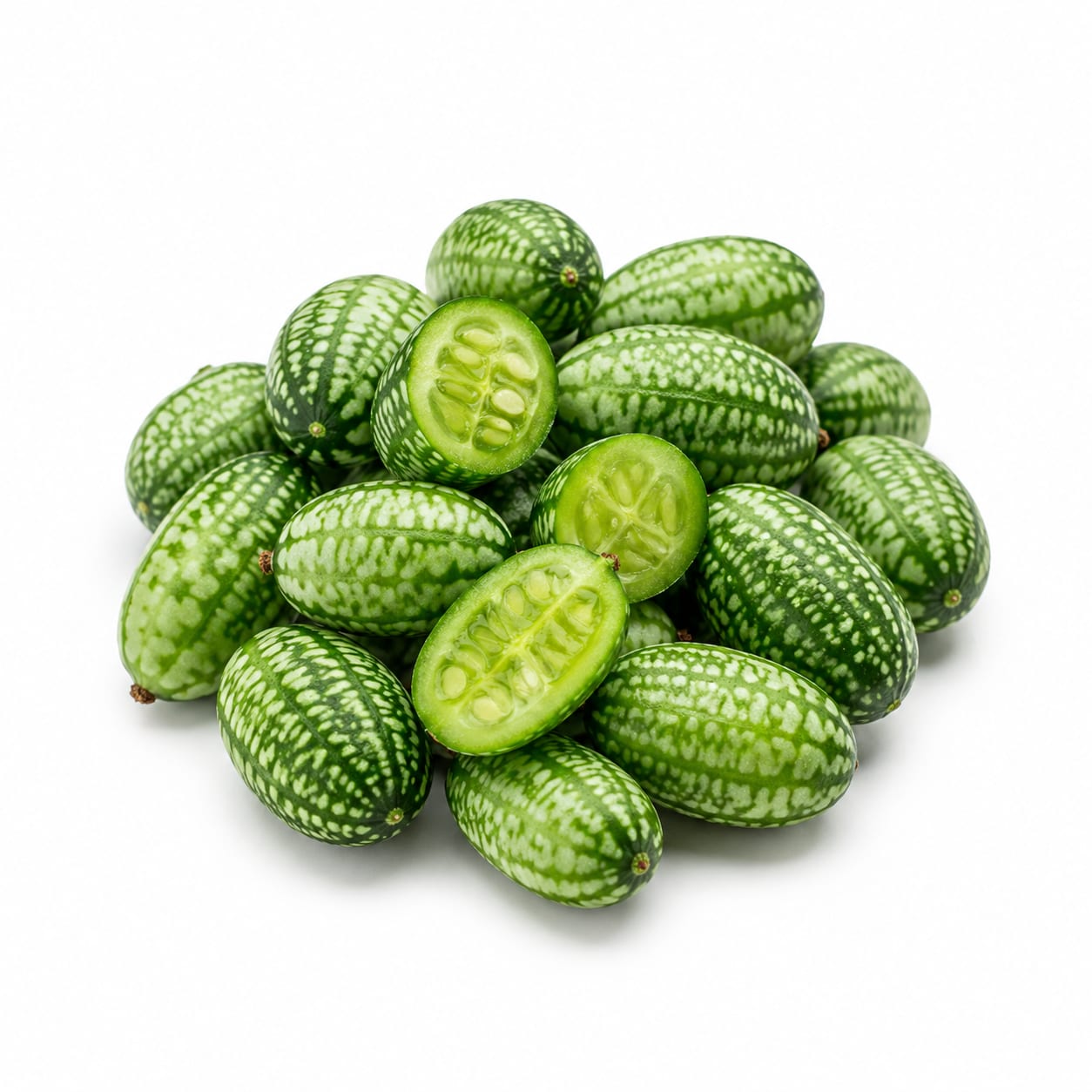
Cucamelon
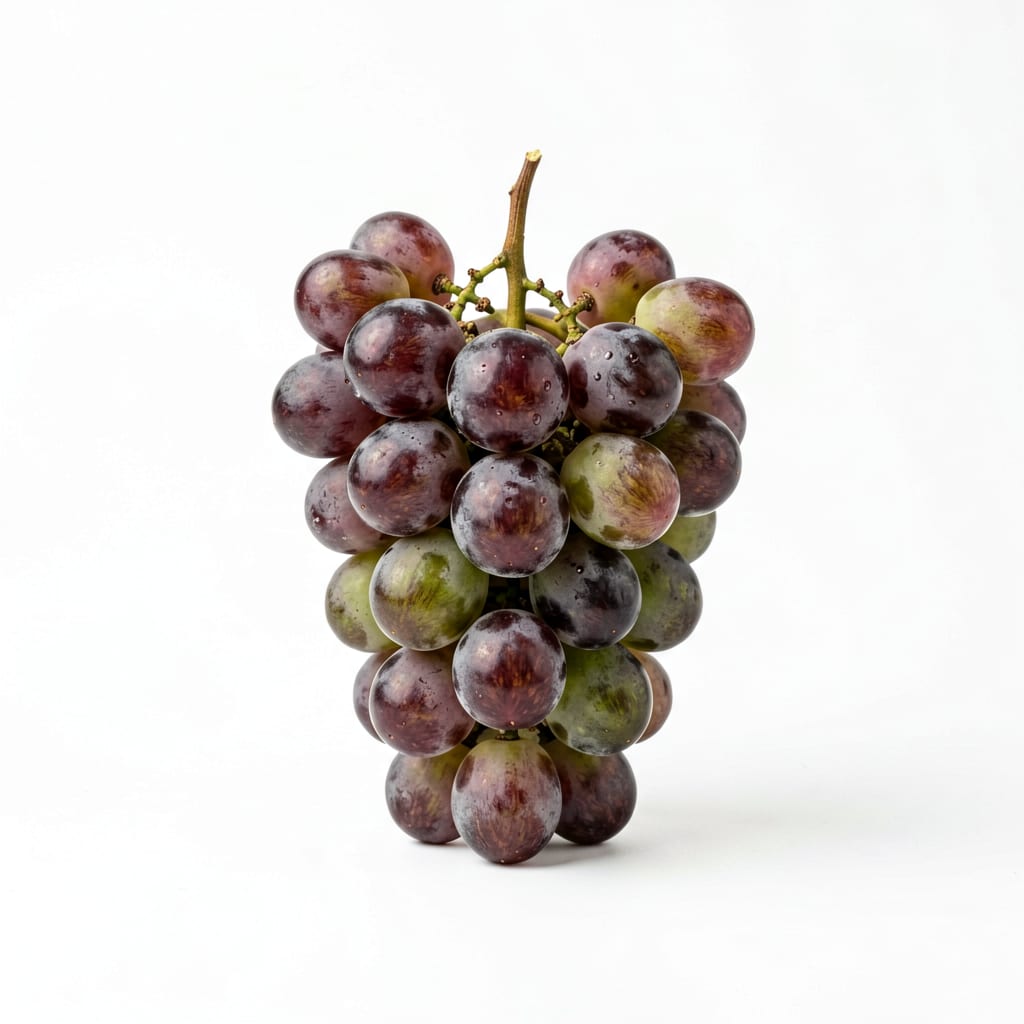
Grape
Cucamelon is the low-sugar, low-calorie champion, while grapes deliver more antioxidants and sweetness. Your pick depends on whether you're watching sugar or seeking flavor satisfaction and heart-protective compounds.
Cucamelon scores slightly higher due to its dramatically lower sugar and calorie content, but grapes close the gap with superior antioxidants, broader availability, and better energy provision. The narrow margin reflects that each excels in different contexts.
Cucamelon gives you crunch and tartness with almost no sugar, but grapes offer resveratrol, natural sweetness, and far easier availability at the cost of significantly more sugar per serving.
At a glance
Executive summary
Overall
It depends
Healthier
Cucamelon
More practical
Grape
Daily use
Grape
Key comparison lenses
sugar and calorie comparison
Cucamelon is extremely low in sugar and calories while grapes are notably sugar-dense, making this the most impactful difference for most users
snack choice for weight management
Both are popular snack foods but with vastly different caloric impact, a key real-world decision point
blood sugar friendliness
The sugar gap between these two foods directly affects glucose response, relevant for diabetics and anyone managing energy crashes
antioxidant and phytonutrient value
Grapes offer resveratrol and polyphenols while cucamelon provides different plant compounds, making the antioxidant profiles meaningfully different
availability and practicality
Grapes are universally available while cucamelons are seasonal and specialty, affecting real-world usability
Best choice for
Cucamelon
- People managing diabetes or insulin resistance
- Anyone counting calories or on a cut
- Low-carb and keto dieters wanting a fruit-like snack
- Those who find sweet fruit triggers overeating
Grape
- People seeking heart-protective antioxidants like resveratrol
- Active individuals needing quick natural energy
- Anyone wanting a widely available, affordable fruit snack
- Children who prefer sweet flavors
Least suitable for
Cucamelon
- People who need quick carbohydrate energy before or after exercise
- Anyone living where cucamelons are unavailable or unaffordable
- Those who find very tart flavors unpleasant
Grape
- People strictly limiting sugar intake
- Those prone to overeating sweet foods
- Diabetics needing to minimize glucose spikes
Deep comparison
Dimension by dimension
Each lens scores both foods and breaks down who each option suits.
- Dimension 1 · Priority 92Cucamelon
Sugar and Blood Sugar Impact
Cucamelon · 95Grape · 35Cucamelon contains negligible sugar, making it virtually free of blood sugar concerns. Grapes pack around 16g of sugar per cup, enough to cause a noticeable glucose rise.
Tradeoff
You avoid sugar spikes with cucamelon but miss out on the quick energy and natural sweetness grapes provide.
Why it matters
For anyone monitoring blood sugar, this difference is decisive. A cup of grapes can raise glucose noticeably within 30 minutes.
Real-world impact
Cucamelon won't give you that afternoon energy crash. Grapes might, especially if eaten alone in large amounts.
Cucamelon
- Steady energy without crashes
- Diabetes-friendly snacking
- Keto and low-carb compliance
Better for
- No quick energy when you need it
Worse for
Grape
- Quick pre-workout fuel
- Natural sweetness satisfaction
Better for
- Blood sugar spikes when eaten in quantity
- Easy to overconsume sugar without realizing
Worse for
- Dimension 2 · Priority 88Cucamelon
Calorie Density and Weight Management
Cucamelon · 93Grape · 48Cucamelon is extremely low in calories, similar to cucumbers. Grapes are moderately calorie-dense due to their sugar content, and very easy to overeat.
Tradeoff
You can eat large volumes of cucamelon guilt-free, but grapes offer more satiety per bite due to their sweetness and caloric substance.
Why it matters
Grapes are a classic 'hand-to-mouth' food where a bowl disappears quickly, adding hundreds of calories before you notice.
Real-world impact
A casual grape snacking session can easily deliver 200+ calories. The same volume of cucamelon would be under 30.
Cucamelon
- Volume eating without calorie consequences
- Weight loss diets
- Mindless snacking without regret
Better for
- May feel unsatisfied if expecting a filling snack
Worse for
Grape
- Feeling actually fueled after eating
- Hikers and athletes needing calorie density
Better for
- Very easy to accidentally overeat
- Calories add up fast in large bowls
Worse for
- Dimension 3 · Priority 80Grape
Antioxidant and Phytonutrient Profile
Cucamelon · 45Grape · 82Grapes, especially red and black varieties, are rich in resveratrol, quercetin, and anthocyanins linked to heart and brain health. Cucamelon has some antioxidants but far less research backing.
Tradeoff
Grapes deliver proven cardiovascular-protective compounds but come with sugar. Cucamelon offers a cleaner profile without the antioxidant firepower.
Why it matters
Regular grape consumption has been associated with reduced heart disease risk, largely thanks to resveratrol concentrated in the skins.
Real-world impact
Eating red grapes a few times weekly may meaningfully support heart health over years. Cucamelon cannot make the same evidence-backed claim.
Cucamelon
- Antioxidant benefits without sugar baggage
Better for
- Less scientific evidence for specific health benefits
- Smaller range of identified beneficial compounds
Worse for
Grape
- Resveratrol for heart and longevity
- Anthocyanins for brain and vascular health
- More studied health benefits overall
Better for
- Antioxidant benefits come packaged with significant sugar
Worse for
- Dimension 4 · Priority 65Cucamelon
Hydration and Digestive Lightness
Cucamelon · 88Grape · 70Both are water-rich, but cucamelon is even more hydrating and lighter on digestion. Grapes can cause bloating in sensitive people due to their sugar and skin fiber.
Tradeoff
Cucamelon feels lighter in the stomach but less satisfying. Grapes are more filling but can cause gas or discomfort for some.
Why it matters
If you have IBS or fructose sensitivity, grapes are a common trigger food. Cucamelon rarely causes digestive issues.
Real-world impact
A big bowl of grapes on an empty stomach can leave you bloated. Cucamelon feels more like eating cucumber, refreshing and easy.
Cucamelon
- Sensitive digestion and IBS-friendly
- Very hydrating without sugar load
- Light enough to eat before exercise
Better for
- Less fiber overall for gut health
Worse for
Grape
- More fiber per serving for regular digestion
Better for
- Fructose can trigger IBS symptoms
- May cause bloating in large amounts
Worse for
- Dimension 5 · Priority 72Grape
Availability and Practical Convenience
Cucamelon · 25Grape · 92Grapes are available year-round in virtually every grocery store. Cucamelons are seasonal, specialty items found mainly at farmers markets or specialty grocers.
Tradeoff
Cucamelon is the nutritionally sharper tool but nearly impossible to find most of the year. Grapes are always accessible and affordable.
Why it matters
The healthiest food only matters if you can actually buy it. Most people will struggle to source cucamelons regularly.
Real-world impact
You can grab grapes at any corner store. Cucamelons might require a special trip or growing them yourself.
Cucamelon
- Great conversation starter at gatherings
- Fun novelty for home gardeners
Better for
- Very limited seasonal availability
- Often expensive when found
- Most people have never tried them
Worse for
Grape
- Available everywhere year-round
- Affordable and consistent pricing
- No sourcing effort required
Better for
- None significant for availability
Worse for
- Dimension 6 · Priority 70Grape
Taste Satisfaction and Craving Management
Cucamelon · 50Grape · 80Grapes deliver sweet, juicy satisfaction that hits the dessert craving. Cucamelon offers tart, refreshing crunch but won't satisfy a sweet tooth.
Tradeoff
Grapes scratch the sweet itch but can trigger wanting more. Cucamelon is less craveable, which is either a pro or con depending on your goals.
Why it matters
If you're trying to replace candy, grapes bridge the gap. If sweet foods trigger binge eating, cucamelon is safer.
Real-world impact
After eating grapes, many people want more grapes. After eating cucamelon, you feel refreshed and done.
Cucamelon
- Doesn't trigger sweet cravings
- Easier to stop eating
- Refreshing without the sugar rollercoaster
Better for
- Won't satisfy when you want something sweet
- Tartness isn't universally appealing
Worse for
Grape
- Satisfies sweet cravings naturally
- Feels like a treat, not a chore
- Good transition food away from processed sweets
Better for
- Can trigger overeating in sugar-sensitive people
- Doesn't feel like enough when you want something light
Worse for
Timeline
Health impact over time
Short-term
Hours to days
Cucamelon
- Very stable blood sugar with no crash risk
- Light, hydrated feeling without bloating
- Tart flavor can feel refreshing and palate-cleansing
Grape
- Quick energy boost from natural sugars
- Possible blood sugar spike if eaten in large amounts on empty stomach
- Mild bloating possible for fructose-sensitive individuals
Long-term
Months to years
Cucamelon
- Consistent low-sugar intake supports insulin sensitivity
- Very low calorie density helps maintain healthy weight effortlessly
- Limited antioxidant benefits compared to darker fruits
Grape
- Regular resveratrol intake may support cardiovascular health over years
- Consistent high sugar intake from frequent grape consumption could stress insulin regulation
- Polyphenols may offer neuroprotective benefits with aging
Risk profile
Safety & processing
Both foods are whole, unprocessed produce eaten in natural form. Neither raises processing concerns. The main difference is that grapes are more likely to carry pesticide residue conventionally, so organic matters more for grapes.
Cucamelon
Pesticide residue
lowCucamelons are typically grown on small farms with lower pesticide use, but always wash thoroughly regardless.
Misidentification with toxic lookalikes
lowExtremely rare, but always source from reputable sellers to avoid any confusion with inedible ornamental varieties.
Grape
Pesticide residue
mediumGrapes consistently rank on the Dirty Dozen list with high pesticide detection. Washing helps but doesn't remove all residue. Organic is strongly preferable.
Mold and mycotoxins
lowDamaged or overripe grapes can develop mold quickly. Inspect before eating and discard any soft or fuzzy grapes.
Who wins for whom
Audience fit
Same foods, different winners depending on your goal.
children
GrapeKids gravitate toward sweet flavors and grapes are a reliable hit. Cucamelon's tartness is a harder sell for most children.
daily consumption
GrapeGrapes are available year-round, affordable, and provide meaningful daily antioxidants. Cucamelon's limited availability makes daily use unrealistic for most people.
diabetes
CucamelonCucamelon's near-zero sugar content makes it safe for blood sugar management. Grapes can cause problematic glucose spikes in diabetics.
elderly
GrapeGrapes offer resveratrol for vascular and cognitive health, both critical for aging. Their soft texture is also easier on aging teeth.
muscle gain
GrapeGrapes provide quick-digesting carbs useful around workouts. Cucamelon offers almost no caloric or carbohydrate support for training.
weight loss
CucamelonNegligible calories and zero sugar make cucamelon a nearly free food for weight loss. Grapes are easy to overeat and calorie-dense enough to stall progress.
Your move
Decision guide
Choose Cucamelon
- You're managing diabetes, insulin resistance, or metabolic syndrome
- You want a crunchy, low-calorie snack that won't trigger overeating
- You're on a low-carb or keto diet and miss fruit-like foods
- You grow your own and have fresh cucamelons available
Choose Grape
- You want heart-protective antioxidants and don't mind the sugar
- You need quick natural energy before or after physical activity
- You're looking for a sweet whole food to replace processed desserts
- You want something affordable and available any day of the year
Either works if
- You just want a hydrating, whole-food snack
- You're eating a varied diet and neither food is a staple
- You value both low-sugar and antioxidant benefits on different days
Avoid both if
- You have a severe allergy to cucurbits or grapes specifically
- You need a protein-rich snack, as neither provides meaningful protein
Final recommendation
Eat grapes when you want sweetness, energy, and heart-healthy antioxidants. Choose cucamelon when you need a low-sugar, low-calorie crunch that won't move the needle on your daily intake. If you can find cucamelons, enjoy them as a specialty treat, but keep grapes as your everyday fruit for their proven benefits and reliable availability. For the best of both worlds, alternate between them seasonally.
Practical
Consumer tips
- 1
Buy organic grapes whenever possible, as they rank high for pesticide residue even after washing
- 2
Grow cucamelons at home if you have garden space, as they're prolific vines and expensive to buy
- 3
Freeze grapes for a naturally sweet, long-lasting summer treat that slows down overeating
- 4
Pair grapes with a handful of nuts or cheese to blunt the blood sugar spike and add staying power
- 5
Use cucamelons in salads and cocktails for tart crunch, not as a standalone sweet snack
- 6
Wash both foods thoroughly regardless of organic status, especially grapes from conventional sources