
Nutrition comparison
Cucamelon vs Radish: Which Crunchy Vegetable Is Better for You?
Compare cucamelon and radish on nutrition, flavor, health benefits, and practicality. Find out which low-calorie vegetable deserves a regular spot in your kitchen.
Overall winner · Radish
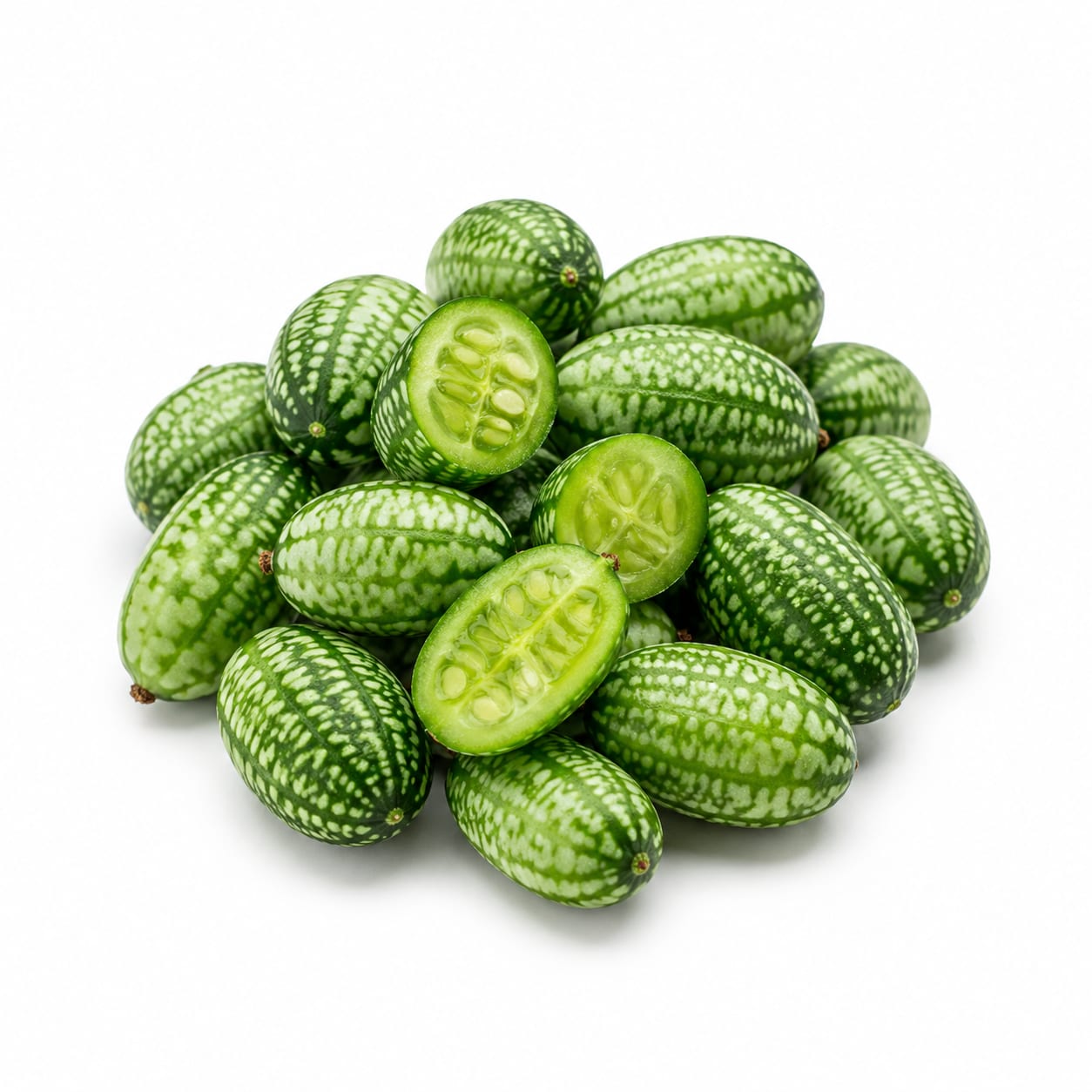
Cucamelon
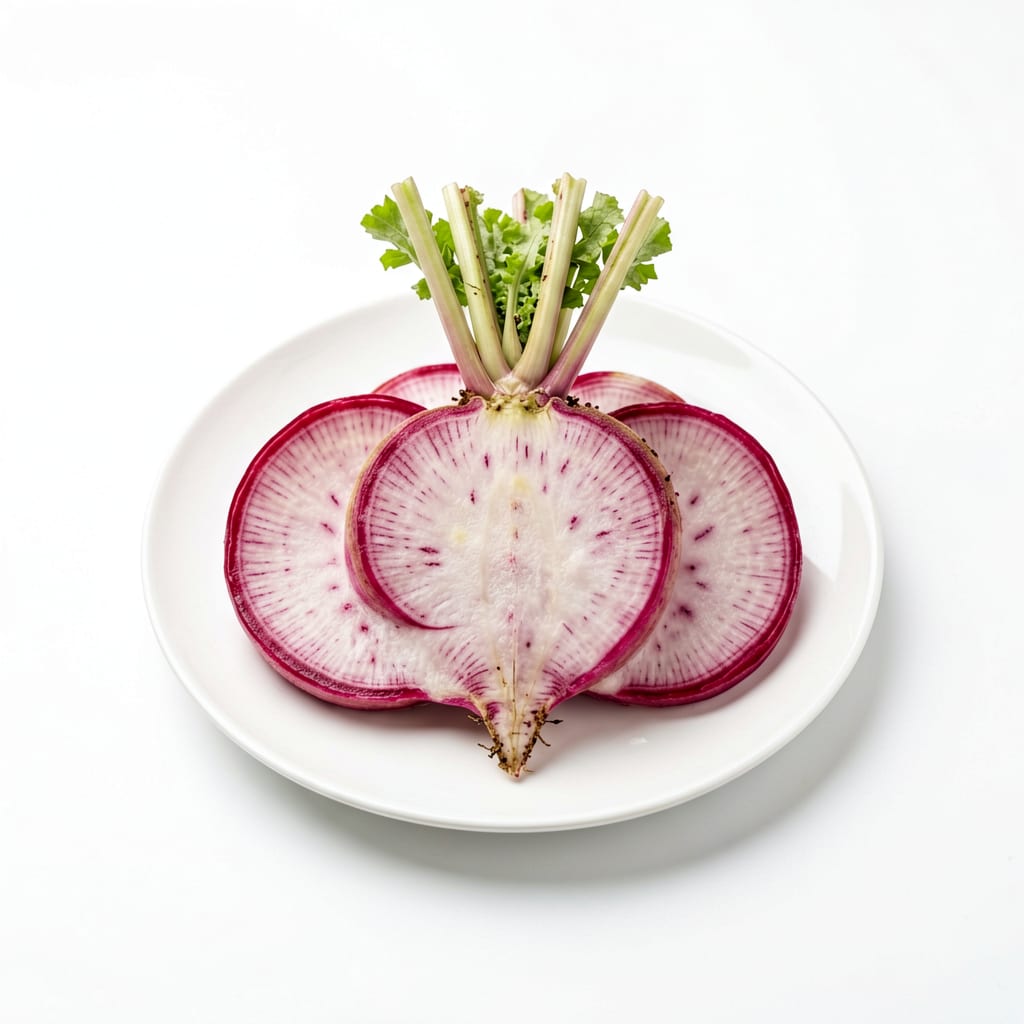
Radish
Radish wins on nutrition, availability, and daily practicality, but cucamelon offers a unique tangy experience for adventurous eaters.
Radish scores notably higher due to stronger nutritional density, wider availability, and well-documented health compounds. Cucamelon is enjoyable but offers fewer measurable health advantages and is harder to find regularly.
Cucamelon brings novelty and a fun sour crunch, while radish delivers more vitamins, cancer-fighting compounds, and reliable grocery access.
At a glance
Executive summary
Overall
Radish
Healthier
Radish
More practical
Radish
Daily use
Radish
Key comparison lenses
low-calorie snacking comparison
Both are ultra-low-calorie crunchy vegetables often used as snacks or garnishes
flavor profile and culinary role
Cucamelon offers sour-citrus notes while radish delivers peppery heat, making them fundamentally different eating experiences
nutritional density per calorie
With both foods being very low in calories, users want to know which delivers more nutrients per bite
digestive and gut health benefits
Radish contains glucosinolates and fiber that support digestion, while cucamelon is milder on the gut
availability and everyday practicality
Cucamelon is specialty and seasonal, radish is a grocery store staple year-round
Best choice for
Cucamelon
- Adventurous home cooks seeking unique flavors
- Cocktail garnish and entertaining presentations
- Those who prefer mild sourness over spicy heat
- Gardeners wanting a prolific vining crop
Radish
- Consistent daily salad additions
- Budget-conscious shoppers
- People seeking digestive support
- Anyone wanting reliable nutrition on every grocery run
Least suitable for
Cucamelon
- People with limited specialty grocery access
- Those wanting substantial nutrient intake per serving
- Meal preppers needing week-long shelf stability
- Anyone unfamiliar with cooking unusual produce
Radish
- People sensitive to spicy or peppery flavors
- Those with irritable bowel syndrome triggered by cruciferous vegetables
- Anyone wanting a sweet or mild-tasting snack
Deep comparison
Dimension by dimension
Each lens scores both foods and breaks down who each option suits.
- Dimension 1 · Priority 90Radish
Nutritional Density
Cucamelon · 45Radish · 72Radish delivers more vitamin C, folate, potassium, and unique glucosinolates per serving than cucamelon.
Tradeoff
Cucamelon provides some vitamin C and potassium but in smaller quantities, offering less nutritional payoff per bite.
Why it matters
When eating very low-calorie foods, getting more nutrients per calorie helps you meet daily needs without overeating.
Real-world impact
A handful of radishes contributes meaningfully toward your vitamin C target; cucamelon feels more like flavored water by comparison.
Cucamelon
- Light hydration with a flavor twist
Better for
- Reliance on this for any significant nutrient intake
Worse for
Radish
- Meeting micronutrient needs efficiently
- Supporting immune function with vitamin C
- Getting folate for cellular repair
Better for
- Dimension 2 · Priority 85It depends
Flavor and Culinary Versatility
Cucamelon · 70Radish · 75Cucamelon brings a distinctive sour-citrus crunch, while radish offers peppery bite and wider culinary application across cuisines.
Tradeoff
Cucamelon excels in novelty and garnish appeal but has fewer traditional recipe applications. Radish fits into salads, tacos, stir-fries, and pickles across many food cultures.
Why it matters
A food you actually enjoy and know how to use gets eaten; a novelty item often sits in the fridge.
Real-world impact
Radish slides easily into your weekly meal routine. Cucamelon is more of a weekend farmers market treat that you figure out how to use.
Cucamelon
- Cocktail garnishes and appetizer platters
- Pickling with a tangy twist
- Surprising guests with something unexpected
Better for
- Limited recipe repertoire
- Unfamiliar flavor may not suit all palates
Worse for
Radish
- Everyday salads and slaws
- Tacos and Latin dishes
- Stir-fries and roasted vegetable medleys
- Classic pickle recipes
Better for
- The pepperiness can overpower delicate dishes
Worse for
- Dimension 3 · Priority 72Cucamelon
Hydration and Refreshment
Cucamelon · 82Radish · 75Both are high-water vegetables, but cucamelon's cucumber-like water content and sour citrus notes make it slightly more refreshing on a hot day.
Tradeoff
The difference is small. Radish still hydrates well but its peppery finish feels less like a thirst-quencher.
Why it matters
In summer or after exercise, a food that feels genuinely refreshing encourages you to eat more vegetables naturally.
Real-world impact
Cucamelon pops in your mouth like a tiny water balloon with a sour kick. Radish crunches satisfyingly but leaves a warming sensation.
Cucamelon
- Hot weather snacking
- Post-workout light refreshment
- Palate cleansing between courses
Better for
Radish
- Adding crunch to hydrating meals like cold soups
Better for
- Spicy finish may not feel refreshing when you are already hot
Worse for
- Dimension 4 · Priority 78Radish
Digestive Health
Cucamelon · 50Radish · 78Radish contains glucosinolates and dietary fiber that actively support digestion and gut health. Cucamelon is gentle but offers less digestive benefit.
Tradeoff
Radish may cause bloating in sensitive individuals due to its cruciferous nature, while cucamelon is easier on a delicate stomach.
Why it matters
Good digestion affects energy, mood, and nutrient absorption throughout the day.
Real-world impact
Radish can help keep things moving and support liver bile production. Cucamelon mostly just sits lightly in the stomach without helping or hurting.
Cucamelon
- People with sensitive digestion who want something gentle
- Those who get bloated from cruciferous vegetables
Better for
- Minimal active digestive support
Worse for
Radish
- Supporting regular bowel movements
- Stimulating bile production for fat digestion
- Feeding beneficial gut bacteria with fiber
Better for
- May cause gas or bloating in IBS-prone individuals
Worse for
- Dimension 5 · Priority 76Radish
Antioxidant and Anti-inflammatory Power
Cucamelon · 48Radish · 74Radish contains glucosinolates, anthocyanins in red varieties, and vitamin C that fight inflammation and oxidative stress. Cucamelon has mild antioxidants but far less research backing.
Tradeoff
Cucamelon may contain some beneficial compounds but lacks the extensive research that radish benefits from.
Why it matters
Chronic inflammation drives aging and disease. Food choices that reduce it compound over decades.
Real-world impact
Eating radish regularly contributes to your body's anti-inflammatory defenses in a measurable way. Cucamelon likely helps modestly but the evidence is thin.
Cucamelon
- Adding variety to an already antioxidant-rich diet
Better for
- Lacks research-backed antioxidant claims
Worse for
Radish
- Long-term inflammation reduction
- Cellular protection from oxidative damage
- Potential cancer-risk reduction from glucosinolates
Better for
- Dimension 6 · Priority 82Radish
Availability and Practicality
Cucamelon · 30Radish · 90Radish is available year-round in nearly every grocery store for very low cost. Cucamelon is seasonal, specialty, and often requires farmers markets or home growing.
Tradeoff
Cucamelon's rarity makes it exciting but impractical as a dietary staple. Radish is always there when you need it.
Why it matters
The healthiest food is the one you can actually buy and eat consistently.
Real-world impact
You can grab radishes any day of the year for under two dollars. Cucamelon requires planning, luck, or a garden.
Cucamelon
- Home gardeners with space for vining plants
- Farmers market regulars in warm seasons
Better for
- Cannot rely on it for meal prep
- Often expensive when found
- Short seasonal window
Worse for
Radish
- Weekly grocery shoppers
- Budget meal planning
- Consistent daily vegetable intake
- People in areas with limited specialty produce
Better for
- Dimension 7 · Priority 74It depends
Weight Management
Cucamelon · 72Radish · 76Both are extremely low in calories and high in water, making them excellent for weight management. Radish has a slight edge due to more fiber increasing fullness.
Tradeoff
Cucamelon's sour novelty may help satisfy cravings without overeating. Radish's fiber keeps you fuller slightly longer.
Why it matters
When cutting calories, foods that provide crunch and satisfaction without energy density are invaluable tools.
Real-world impact
Both let you snack abundantly. A cup of either is under 20 calories. Radish just keeps you satisfied a touch longer.
Cucamelon
- Sour flavor can satisfy snack cravings without sweet triggers
- Fun to eat slowly due to novelty
Better for
- Less satiating fiber
Worse for
Radish
- More fiber per calorie for sustained fullness
- Easier to eat in larger volumes consistently
- Spicy kick can reduce appetite temporarily
Better for
- Peppery taste may limit volume for some
Worse for
Timeline
Health impact over time
Short-term
Hours to days
Cucamelon
- Light, hydrating sensation after eating
- Mild sour flavor may stimulate saliva and appetite
- Very gentle on the stomach with almost no digestive discomfort
Radish
- Immediate peppery warming sensation in the mouth
- May stimulate digestion and bile flow within minutes
- Can cause mild bloating or gas in sensitive people
Long-term
Months to years
Cucamelon
- Likely contributes to overall vegetable variety and hydration
- No specific long-term health outcomes well-documented due to limited research
- May support mild vitamin C intake if eaten regularly
Radish
- Glucosinolate consumption associated with reduced cancer risk over time
- Consistent fiber intake supports cardiovascular and digestive health
- Vitamin C contributes to skin health and immune resilience with regular consumption
Risk profile
Safety & processing
Both cucamelon and radish are whole, unprocessed vegetables typically eaten raw. Neither carries meaningful additive concerns unless purchased pickled or preserved, which introduces sodium and vinegar.
Cucamelon
Pesticide residue
lowCucamelon is not on any high-pesticide lists, but limited monitoring exists due to its specialty status. Washing thoroughly is still recommended.
Misidentification with wild relatives
mediumHome foragers could confuse cucamelon with inedible or toxic wild cucurbits. Only eat cucamelon from reliable sources or identified garden plants.
Radish
Pesticide residue
lowRadish is generally low on pesticide concern lists, especially when peeled. Root vegetables absorb some soil chemicals but radish grows quickly, limiting accumulation.
Goitrogenic compounds
lowRadish contains goitrogens that could theoretically affect thyroid function in massive quantities. Normal dietary intake poses no risk to healthy individuals.
Who wins for whom
Audience fit
Same foods, different winners depending on your goal.
children
CucamelonCucamelon's tiny watermelon appearance and sour pop make it fun and approachable for kids. Radish's pepperiness is often rejected by young palates.
daily consumption
RadishRadish is available year-round, affordable, and well-tolerated by most people, making it realistic as a daily vegetable.
diabetes
RadishRadish has a slightly lower glycemic impact and more fiber, though both are excellent choices that will not spike blood sugar.
elderly
RadishRadish's established health benefits, softer texture when cooked, and digestive support make it more practical for older adults with changing nutritional needs.
muscle gain
It dependsNeither food is relevant for muscle gain. Both are essentially calorie-free flavor additions to protein-focused meals.
weight loss
RadishBoth are ultra-low-calorie, but radish provides more fiber and satiety per serving, making it easier to stick with a calorie deficit.
Your move
Decision guide
Choose Cucamelon
- You want a conversation-starting snack for gatherings
- You grow your own vegetables and want something prolific and novel
- Sour-citrus flavors appeal to you more than spicy ones
- You are looking for gentle hydration without any digestive stimulation
Choose Radish
- You want a reliable, affordable vegetable available every week
- Digestive health and anti-inflammatory benefits are priorities
- You enjoy or tolerate peppery flavors in salads and cooking
- You want the most nutritional return per calorie spent
- You meal prep and need vegetables that store well for days
Either works if
- You want a low-calorie crunchy snack
- You are trying to increase raw vegetable variety
- You need a garnish that adds visual interest to plates
Avoid both if
- You need substantial calories, protein, or fat in your meal
- You are looking for a filling food that reduces hunger for hours
- You have severe oral allergy syndrome triggered by raw vegetables
Final recommendation
Keep radish as your everyday crunchy vegetable and seek out cucamelon as a seasonal treat. Radish gives you more health benefits per bite and fits into your routine effortlessly. Cucamelon is worth trying when you find it, but it is a culinary adventure rather than a nutritional staple.
Practical
Consumer tips
- 1
Look for cucamelon at farmers markets in late summer, or grow it yourself from seed in warm climates
- 2
Choose radishes that feel firm with smooth skin; soft or spongy ones have lost their crunch
- 3
Both vegetables pickle beautifully, but watch the sodium content if you are salt-sensitive
- 4
Slice radish paper-thin to mellow its pepperiness if the raw bite is too intense
- 5
Cucamelon does not store long after harvest, so eat within a few days of purchase
- 6
Red radish varieties contain more anthocyanins than white ones, offering extra antioxidant value