
Nutrition comparison
Cucamelon vs Celery: Nutrition, Taste, and Which Low-Calorie Snack Wins
Compare cucamelons and celery on calories, nutrients, pesticide risk, and practicality. Find out which low-calorie vegetable is better for weight loss, daily snacking, and your budget.
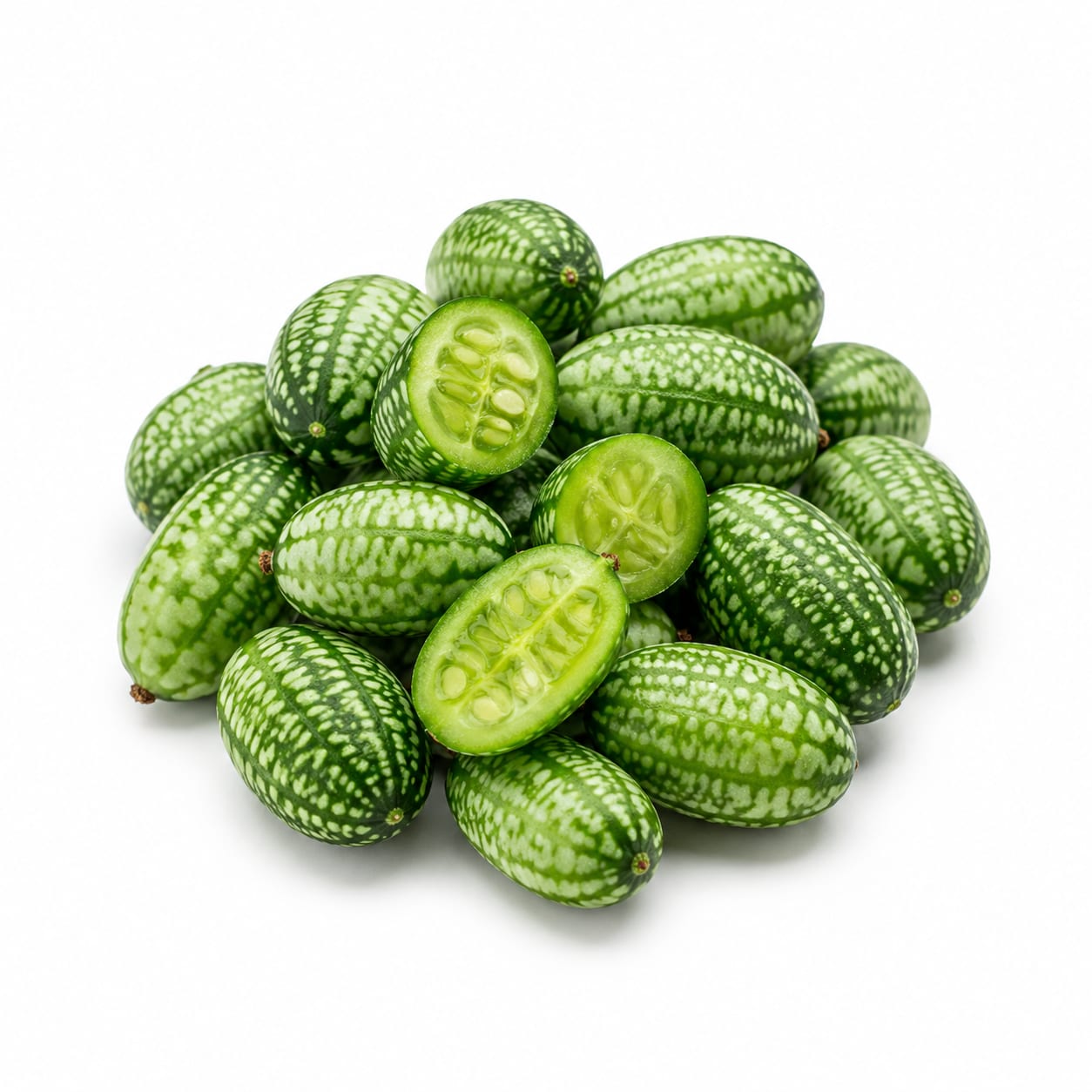
Cucamelon
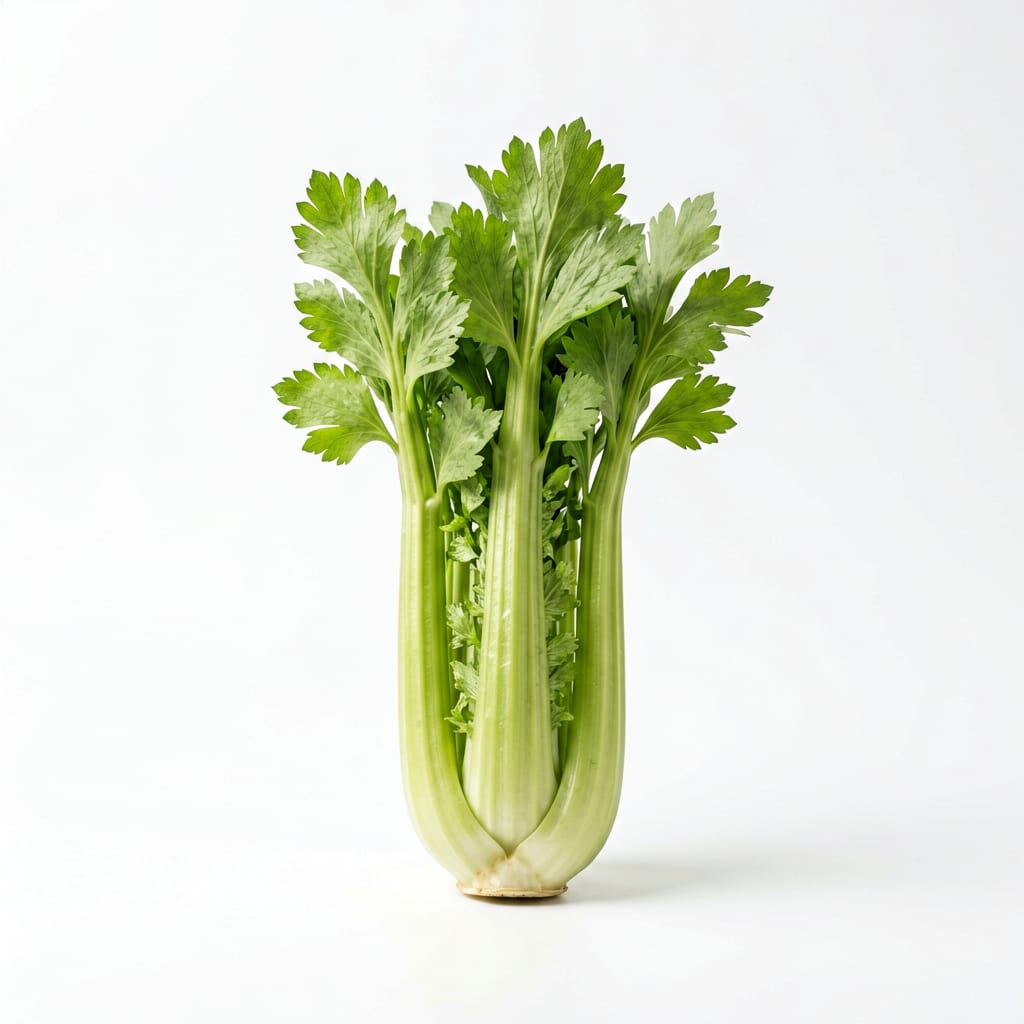
Celery
Celery wins on practicality and daily convenience, while cucamelons offer a more exciting flavor experience with slightly better antioxidant value.
Celery scores higher overall due to superior accessibility, versatility, and established nutritional research. Cucamelons are nutritionally competitive but lose ground on availability and daily practicality.
Accessibility and versatility versus novelty and tangy enjoyment — celery is the reliable workhorse, cucamelons are the fun specialty pick.
At a glance
Executive summary
Overall
It depends
Healthier
It depends
More practical
Celery
Daily use
Celery
Key comparison lenses
low-calorie snacking and weight management
Both foods are extremely low in calories and often chosen as guilt-free snack options
practicality and everyday accessibility
Celery is a grocery staple while cucamelons are specialty items with limited availability
hydration and water content
Both are water-dense foods popular for staying hydrated, especially in warm weather
nutrient density per calorie
Users comparing these want to know which delivers more nutrition for the caloric cost
pesticide exposure and safety
Celery consistently ranks on the Dirty Dozen list, making pesticide concerns highly relevant
Best choice for
Cucamelon
- Adventurous eaters seeking flavor variety
- Gardeners growing their own produce
- People wanting antioxidant-rich garnishes
- Those bored with standard crudités
Celery
- Busy professionals needing quick snacks
- Anyone meal prepping on a budget
- People managing blood pressure with natural sodium
- Families wanting an affordable everyday vegetable
Least suitable for
Cucamelon
- People in areas with limited specialty produce access
- Anyone needing a consistent daily vegetable staple
- Budget-conscious shoppers buying weekly
Celery
- People avoiding even small amounts of natural sodium
- Those tired of bland flavors who need excitement to eat vegetables
- Anyone with celery allergy or sensitivity
Deep comparison
Dimension by dimension
Each lens scores both foods and breaks down who each option suits.
- Dimension 1 · Priority 90It depends
Calorie Density and Weight Management
Cucamelon · 88Celery · 90Both are exceptionally low-calorie foods. Celery has a slight edge because it is easier to eat in larger volumes, creating more physical fullness.
Tradeoff
Cucamelons offer more flavor satisfaction per calorie, but celery's crunch and volume make it more filling for the same caloric cost.
Why it matters
When snacking for weight management, volume and satisfaction both matter — celery fills you up, cucamelons keep things interesting.
Real-world impact
A cup of celery sticks with hummus feels like a real snack. A handful of cucamelons feels more like a tasty garnish that leaves you wanting more.
Cucamelon
- Flavor satisfaction without calorie creep
- Reducing boredom on low-calorie diets
Better for
- Small serving sizes may not feel like enough
Worse for
Celery
- Greater volume per calorie consumed
- Longer chewing time supporting satiety signals
Better for
- Blandness may drive you to high-calorie dips for flavor
Worse for
- Dimension 2 · Priority 82Cucamelon
Nutrient Density
Cucamelon · 72Celery · 68Cucamelons contain slightly more vitamin C, potassium, and antioxidant compounds per serving. Celery provides more vitamin K and folate.
Tradeoff
Cucamelons edge ahead on antioxidants and vitamin C, while celery delivers stronger vitamin K for blood clotting and bone health.
Why it matters
Neither food is a nutritional powerhouse — you are choosing between different micronutrient profiles at very low caloric intake levels.
Real-world impact
If you rely on snacks to fill nutrient gaps, cucamelons give a slight vitamin C boost, while celery better supports bone and blood health.
Cucamelon
- Immune support from vitamin C
- Antioxidant variety from unique phytonutrients
Better for
- Less researched nutritional profile
Worse for
Celery
- Bone health support from vitamin K
- Folate for cell repair and energy
Better for
- Lower overall antioxidant diversity
Worse for
- Dimension 3 · Priority 80Celery
Hydration Value
Cucamelon · 85Celery · 90Both are over 90% water, but celery's higher water content and natural electrolytes make it a slightly better hydrator.
Tradeoff
Celery provides water plus small amounts of natural sodium and potassium, functioning almost like a mild electrolyte snack. Cucamelons hydrate well but lack the electrolyte balance.
Why it matters
In hot weather or after exercise, foods that combine water with electrolytes are more effective at rehydration than water alone.
Real-world impact
After a summer hike, celery sticks replenish water and a touch of sodium. Cucamelons refresh you but do not replace electrolytes as effectively.
Cucamelon
- Refreshing tart flavor encourages more consumption
Better for
- No meaningful sodium content for electrolyte balance
Worse for
Celery
- Natural sodium aids fluid retention after sweating
- Potassium supports hydration at the cellular level
Better for
- Bland taste may discourage eating enough for hydration benefit
Worse for
- Dimension 4 · Priority 88Celery
Availability and Practicality
Cucamelon · 25Celery · 95Celery is available year-round in virtually every grocery store. Cucamelons are seasonal, specialty items found at farmers markets or grown at home.
Tradeoff
Celery is always there when you need it. Cucamelons require effort to source, often cost significantly more, and have limited seasonal windows.
Why it matters
The healthiest food is the one you can actually buy and eat consistently. Availability often determines long-term dietary success.
Real-world impact
You can grab celery at any convenience store at midnight. Finding cucamelons requires planning, specialty shopping, or a garden.
Cucamelon
- Fun to grow yourself if you enjoy gardening
- Specialty appeal for dinner parties and unique dishes
Better for
- Very limited grocery availability
- Often expensive when found
- Short seasonal window
Worse for
Celery
- Available in every supermarket year-round
- Affordable for weekly grocery budgets
- Consistent quality and supply
Better for
- Commonness can feel boring over time
Worse for
- Dimension 5 · Priority 75Celery
Versatility in Meals
Cucamelon · 50Celery · 82Celery works in salads, soups, stir-fries, juices, and as a standalone snack. Cucamelons are primarily used as garnishes, pickles, or novelty snacks.
Tradeoff
Celery is a culinary building block across cuisines. Cucamelons are a niche ingredient that shines in specific applications but lacks broad utility.
Why it matters
A versatile vegetable gets used more and wasted less, making it a better investment for your fridge and your health.
Real-world impact
Celery goes into your morning juice, your lunch salad, and your evening soup. Cucamelons get sliced into one cocktail and forgotten.
Cucamelon
- Excellent for pickling and preserving
- Eye-catching garnish for entertaining
Better for
- Limited cooking applications
- Texture does not hold up well in hot dishes
Worse for
Celery
- Foundational ingredient in mirepoix and soffritto
- Works raw, cooked, juiced, or blended
- Pairs with countless dips and spreads
Better for
- Stronger flavor can dominate delicate dishes
Worse for
- Dimension 6 · Priority 72Cucamelon
Pesticide and Safety Concerns
Cucamelon · 78Celery · 55Celery consistently appears on the Environmental Working Group's Dirty Dozen list for high pesticide residues. Cucamelons, typically grown on smaller farms, carry lower pesticide risk.
Tradeoff
Celery's pesticide exposure is a legitimate concern that requires organic purchasing or careful washing. Cucamelons likely have lower residue but lack extensive testing data.
Why it matters
If you eat a food daily, pesticide accumulation matters more. Celery's frequent consumption and high residue risk compound the concern.
Real-world impact
Choosing organic celery significantly reduces your pesticide exposure. Cucamelons from local growers are likely safer by default due to smaller-scale farming.
Cucamelon
- Smaller-scale farming typically uses fewer chemicals
- Less likely to appear on high-residue produce lists
Better for
- Limited formal pesticide testing data
Worse for
Celery
- Organic options widely available
- Well-documented safety guidelines exist
Better for
- Conventionally grown celery ranks among highest pesticide vegetables
- No protective skin to peel away residues
Worse for
Timeline
Health impact over time
Short-term
Hours to days
Cucamelon
- Refreshing tartness can stimulate digestion
- Mild diuretic effect from high water content
- Satisfying crunch without heaviness
Celery
- Natural sodium provides a quick electrolyte nudge
- Fiber supports immediate digestive regularity
- Crunchy texture promotes mindful eating pace
Long-term
Months to years
Cucamelon
- Antioxidant variety may support cellular health over time
- Vitamin C contributes to immune resilience with regular intake
- Low calorie density supports sustainable weight management
Celery
- Vitamin K accumulation strengthens bones with consistent consumption
- Folate supports cardiovascular and cellular repair long-term
- Pesticide exposure risk increases without organic sourcing
Risk profile
Safety & processing
Both foods are consumed in their natural state with minimal processing. Neither typically contains additives when purchased fresh. The main concern is agricultural chemical exposure rather than industrial processing.
Cucamelon
Pesticide residue
lowSmaller-scale farming typically involves fewer synthetic chemicals, though formal residue data is limited for this specialty crop.
Misidentification with toxic lookalikes
lowCucamelons resemble other gourd-family fruits. Purchasing from reputable sources eliminates this concern.
Celery
Pesticide residue
highCelery ranks consistently on the Dirty Dozen list. Conventionally grown celery tests positive for multiple pesticide residues, including concerning levels of organophosphates.
Foodborne illness from improper storage
mediumCelery's high moisture content creates conditions for bacterial growth if stored too long or at improper temperatures.
Allergic reactions
lowCelery allergy is uncommon but recognized, particularly in Europe where it is a declared allergen on food labels.
Who wins for whom
Audience fit
Same foods, different winners depending on your goal.
children
CeleryCelery sticks with peanut butter or hummus are a proven kid-friendly snack. Cucamelons are unfamiliar and their tartness may not appeal to young palates.
daily consumption
CeleryCelery's availability, affordability, and versatility make it realistic for daily use. Cucamelons are better enjoyed as an occasional treat.
diabetes
CeleryCelery has a well-documented minimal impact on blood sugar and provides fiber that slows glucose absorption from other foods.
elderly
CeleryCelery's vitamin K supports bone density concerns in aging populations, and its familiarity makes it easier to incorporate consistently.
muscle gain
It dependsNeither food contributes meaningful protein or calories for muscle building. Both serve only as low-calorie sides alongside protein-rich meals.
weight loss
CeleryCelery's higher volume per calorie and longer eating time create more satiety, making it easier to stick with a calorie deficit.
Your move
Decision guide
Choose Cucamelon
- You want an exciting, tangy snack that breaks vegetable monotony
- You grow your own produce and can harvest cucamelons fresh
- You are hosting and want a conversation-starting garnish
- You prioritize lower pesticide risk from smaller-scale farming
Choose Celery
- You need a reliable daily vegetable that is always available
- You want maximum satiety for minimal calories
- You cook regularly and need a versatile base ingredient
- You are managing blood pressure and want natural electrolytes
Either works if
- You simply want a hydrating, low-calorie crunch
- You are building a crudités platter and want variety
- You are trying to increase raw vegetable intake generally
Avoid both if
- You need calorie-dense foods to meet energy needs
- You are looking for significant protein or healthy fat sources
- You have difficulty digesting raw vegetables
Final recommendation
Keep celery as your everyday vegetable staple — it is practical, versatile, and always available. Add cucamelons when you find them for a fun flavor boost and antioxidant variety. Think of celery as your reliable daily driver and cucamelons as the weekend road trip.
Practical
Consumer tips
- 1
Buy organic celery whenever possible to avoid high pesticide residues — it is one of the most important vegetables to choose organic
- 2
Wash cucamelons gently under running water just before eating to preserve their delicate skin
- 3
Store celery wrapped in aluminum foil in the crisper drawer — it stays crisp for weeks this way
- 4
If you cannot find fresh cucamelons, look for pickled versions in specialty shops for a tangy probiotic boost
- 5
Pair celery with healthy fat-based dips like hummus or guacamole to improve nutrient absorption and staying power
- 6
Grow cucamelons in containers on a balcony or patio — they are prolific producers and require minimal space