
Nutrition comparison
Cucamelon vs Asparagus: Nutrition, Taste & Health Benefits Compared
Cucamelon vs Asparagus: Which is healthier? Compare nutritional value, taste, and health benefits to see whether the tangy Cucamelon or nutrient-dense Asparagus is right for you.
Overall winner · Asparagus
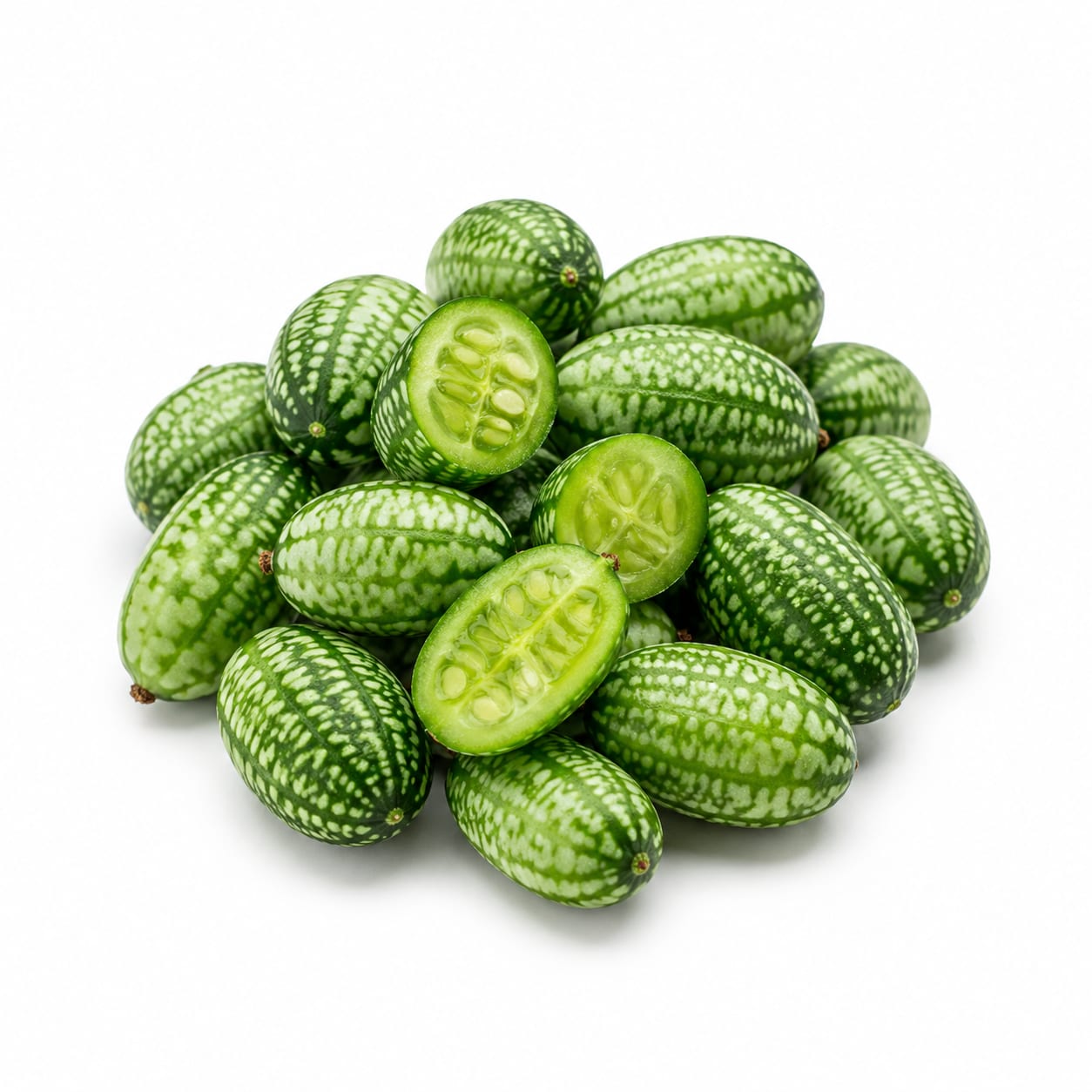
Cucamelon
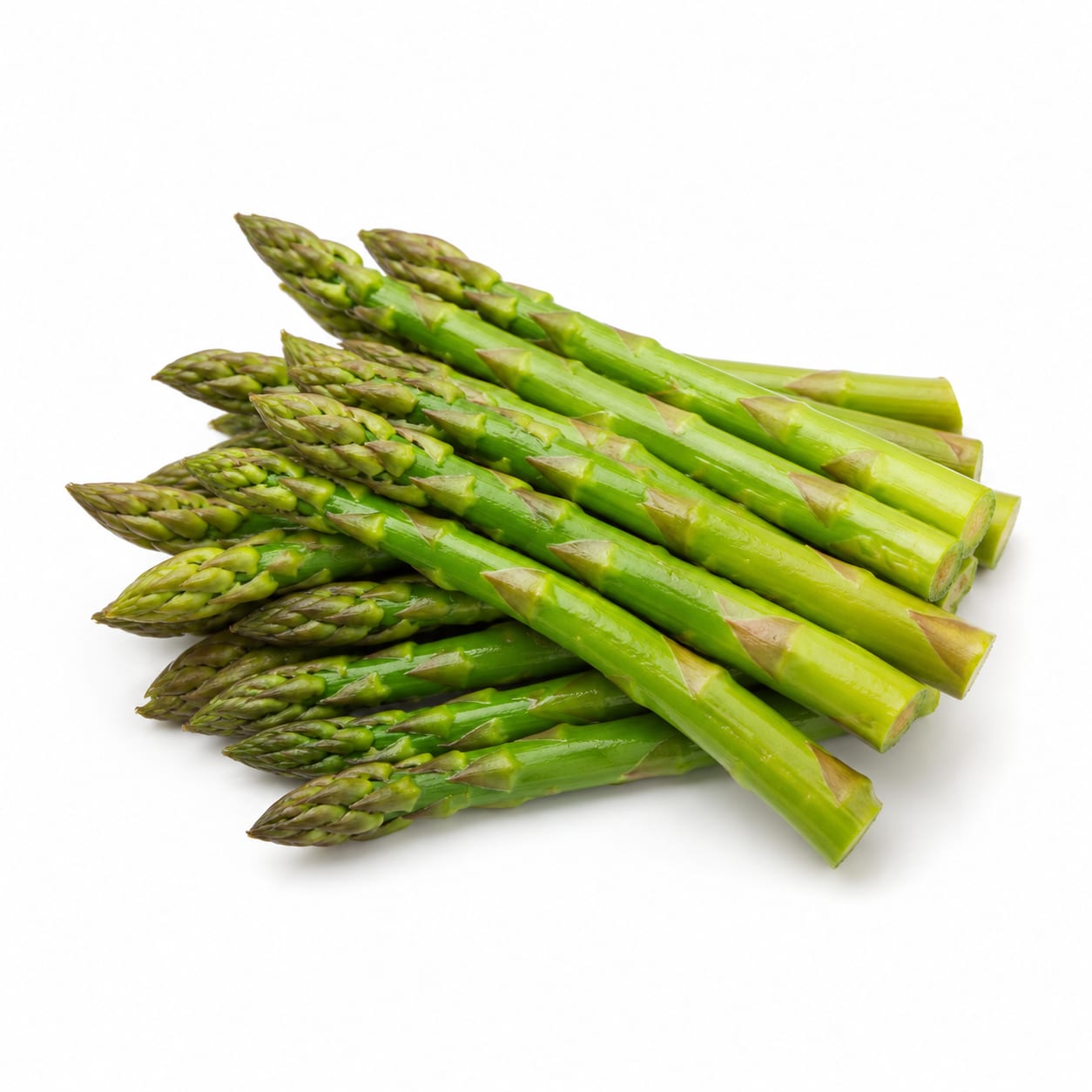
Asparagus
Asparagus dominates in nutrition and health benefits, while Cucamelon is a fun, hydrating novelty snack but lacks substance.
Asparagus scores much higher due to its dense nutritional profile, prebiotic fiber, and versatility as a filling side dish. Cucamelon scores lower because it is primarily water and novelty, offering very little in the way of macronutrients or micronutrients per serving.
You trade significant vitamins, fiber, and meal-time satisfaction for a refreshing, tangy crunch if you choose Cucamelon over Asparagus.
At a glance
Executive summary
Overall
Asparagus
Healthier
Asparagus
More practical
Asparagus
Daily use
Asparagus
Key comparison lenses
Nutritional Density
Asparagus is a well-known nutrient powerhouse, while Cucamelon is mostly water, making the vitamin and mineral gap significant.
Digestive Health and Prebiotics
Asparagus contains inulin, a potent prebiotic fiber, whereas Cucamelon offers minimal fiber for gut health.
Culinary Role and Versatility
Cucamelon is a novelty snack or garnish, while Asparagus is a staple side dish that can be roasted, grilled, or steamed.
Hydration and Snackability
Cucamelon provides a refreshing, water-rich bite that is easy to eat raw, unlike Asparagus which usually requires cooking.
Best choice for
Cucamelon
- light hydrating snacks
- cocktail garnishes
- novelty salad additions
Asparagus
- nutrient-dense dinners
- pregnancy diets needing folate
- digestive health routines
Least suitable for
Cucamelon
- substantial meal prep
- meeting daily fiber goals
- vitamin-deficient diets
Asparagus
- quick raw snacking
- cocktail garnishes
- ultra-light hydration needs
Deep comparison
Dimension by dimension
Each lens scores both foods and breaks down who each option suits.
- Dimension 1 · Priority 95Asparagus
Nutritional Density
Cucamelon · 25Asparagus · 92Asparagus provides a robust profile of vitamins K, A, C, and folate, while Cucamelon offers trace nutrients at best due to its water-heavy composition.
Tradeoff
Choosing Cucamelon means missing out on the substantial vitamin boost that a serving of Asparagus provides.
Why it matters
Eating nutrient-dense foods helps you meet daily vitamin needs without having to overeat.
Real-world impact
A serving of Asparagus gives you a noticeable chunk of your daily folate and vitamin K, whereas a handful of Cucamelons mostly just takes the edge off your hunger.
Cucamelon
- very low-calorie snacking
- staying hydrated in the heat
Better for
- substantial nutritional intake
- meal-worthy vegetable servings
Worse for
Asparagus
- meeting daily vitamin targets
- supporting a healthy pregnancy
- boosting iron absorption with vitamin C
Better for
- ultra-light snacking
- eating raw in handfuls
Worse for
- Dimension 2 · Priority 85Asparagus
Digestive Health
Cucamelon · 30Asparagus · 88Asparagus is rich in inulin, a prebiotic fiber that feeds good gut bacteria, while Cucamelon lacks significant fiber.
Tradeoff
Cucamelon is easier on the stomach if you have severe fiber intolerance, but it will not actively improve your gut microbiome like Asparagus will.
Why it matters
A healthy gut microbiome impacts everything from immunity to mood and digestion regularity.
Real-world impact
Eating Asparagus regularly helps keep you regular and reduces bloating long-term, while Cucamelon simply passes through without much impact.
Cucamelon
- low-fiber diets
- sensitive stomachs needing bland hydration
Better for
- feeding beneficial gut bacteria
- providing lasting satiety
Worse for
Asparagus
- improving gut flora
- relieving constipation
- sustained fullness after meals
Better for
- those with severe inulin intolerance or IBS flare-ups
Worse for
- Dimension 3 · Priority 70Cucamelon
Snackability and Hydration
Cucamelon · 85Asparagus · 40Cucamelon is a crisp, tangy, bite-sized snack that requires zero prep, making it far more appealing for raw snacking than woody raw Asparagus.
Tradeoff
You get a fun, refreshing eating experience with Cucamelon, but without the nutritional payoff of a cooked Asparagus side.
Why it matters
Having a vegetable you actually want to grab from the fridge raw can increase your overall produce intake.
Real-world impact
Cucamelon is perfect for popping in your mouth straight from the garden on a hot day, whereas Asparagus requires cooking to be enjoyable.
Cucamelon
- quick raw snacking
- hydrating summer treats
- kids' lunchboxes
Better for
- warm comforting meals
- substantial hunger relief
Worse for
Asparagus
- satisfying dinner sides
- meal-prep batches
Better for
- grab-and-go snacking
- eating without preparation
Worse for
- Dimension 4 · Priority 80Asparagus
Culinary Versatility
Cucamelon · 45Asparagus · 90Asparagus can be roasted, grilled, steamed, blended into soups, or stir-fried. Cucamelon is mostly limited to raw salads, pickling, or garnishes.
Tradeoff
Cucamelon brings a unique sour-tangy flavor punch to specific dishes, but Asparagus can carry an entire meal as a main side.
Why it matters
Versatile foods make meal planning easier and reduce the chance of diet boredom.
Real-world impact
You can meal-prep a week's worth of roasted Asparagus for dinners, but Cucamelon gets boring quickly if used as a primary vegetable.
Cucamelon
- pickling projects
- cocktail garnishes
- adding tang to summer salads
Better for
- hot cooked dishes
- being the star of a meal
Worse for
Asparagus
- roasting and grilling
- creamy soups
- elegant dinner side dishes
Better for
- raw applications
- adding a sour crunch
Worse for
Timeline
Health impact over time
Short-term
Hours to days
Cucamelon
- Provides quick hydration due to high water content
- Offers a refreshing, sour flavor that can satisfy salty or tangy cravings without junk food
Asparagus
- Acts as a natural diuretic, helping reduce water retention
- Provides immediate fullness from fiber, helping prevent overeating at dinner
Long-term
Months to years
Cucamelon
- Minimal impact on long-term health due to low nutrient density unless eaten in massive quantities
- May help maintain a habit of reaching for raw plants instead of processed snacks
Asparagus
- Supports cardiovascular health through folate and antioxidants
- Promotes a healthy gut microbiome via prebiotic inulin fiber
- May reduce the risk of chronic inflammation
Risk profile
Safety & processing
Both Cucamelon and Asparagus are whole, natural vegetables typically eaten in their unprocessed state. Neither carries concerns about artificial additives when purchased fresh.
Cucamelon
Pesticide residue
mediumAs a small, thin-skinned fruit often grown on vines, Cucamelon can retain pesticide residue if not grown organically or washed thoroughly.
Choking hazard
lowTheir small, grape-like size makes them a minor choking risk for very young children if not cut up.
Asparagus
Urine odor changes
lowAsparagusic acid in Asparagus causes a strong sulfur smell in urine, which is completely harmless but can be alarming if unexpected.
Digestive discomfort
lowThe high inulin content can cause gas or bloating in people not used to prebiotic fiber, especially if eaten in large quantities.
Who wins for whom
Audience fit
Same foods, different winners depending on your goal.
children
CucamelonCucamelons look like tiny watermelons and have a fun, sour crunch that kids often enjoy as a snack, whereas Asparagus can be tough to sell to picky eaters.
daily consumption
AsparagusAsparagus is easier to find, more versatile in daily meals, and provides consistent nutritional benefits that justify eating it every day.
diabetes
AsparagusThe inulin fiber in Asparagus helps regulate blood sugar levels, while Cucamelon lacks the fiber needed to slow glucose absorption.
elderly
AsparagusAsparagus is easier to chew when cooked and provides essential folate and vitamin K for bone and cognitive health in older adults.
muscle gain
AsparagusAsparagus provides anti-inflammatory nutrients and a better mineral profile that supports recovery and overall metabolic health for active individuals.
weight loss
AsparagusAsparagus is more filling and provides fiber that stabilizes blood sugar, making it easier to control overall calorie intake at meals.
Your move
Decision guide
Choose Cucamelon
- You want a refreshing, low-calorie garden snack on a hot day
- You are hosting a party and need a unique, tangy garnish for drinks or salads
- You are trying to entice kids to eat more vegetables by offering a fun, bite-sized novelty
Choose Asparagus
- You need a filling, nutrient-dense side dish for your main meals
- You want to improve your digestive health and feed your gut bacteria
- You are looking for a versatile vegetable to roast, grill, or steam for meal prep
Either works if
- You simply want to add more whole, unprocessed plants to your diet
- You are counting calories and want low-calorie flavor boosters
Avoid both if
- You have severe IBS and are currently on a strict low-FODMAP diet, as both can trigger symptoms
Final recommendation
Keep Asparagus as your daily vegetable staple for its unmatched nutritional benefits and meal versatility, but plant a few Cucamelons in the garden for a refreshing, fun snack when you want something light and tangy.
Practical
Consumer tips
- 1
Wash Cucamelons thoroughly under running water to remove potential pesticide residue from their delicate skins.
- 2
Roast Asparagus with a little olive oil, salt, and garlic at 400°F for 12 minutes for a perfect, caramelized side dish.
- 3
Use Cucamelons as a tangy substitute for cocktail onions or olives in martinis and Bloody Marys.
- 4
If Asparagus gives you smelly urine, do not worry—it is a harmless reaction to asparagusic acid and means your kidneys are working perfectly.
- 5
Snap the woody ends off Asparagus stalks before cooking; they naturally break right where the tender part begins.