
Nutrition comparison
Cucamelon vs Cucumber: Nutrition, Flavor, and Which to Choose
Compare cucamelon and cucumber on nutrition, taste, availability, and health benefits. Learn when each is the better pick for your diet and lifestyle.
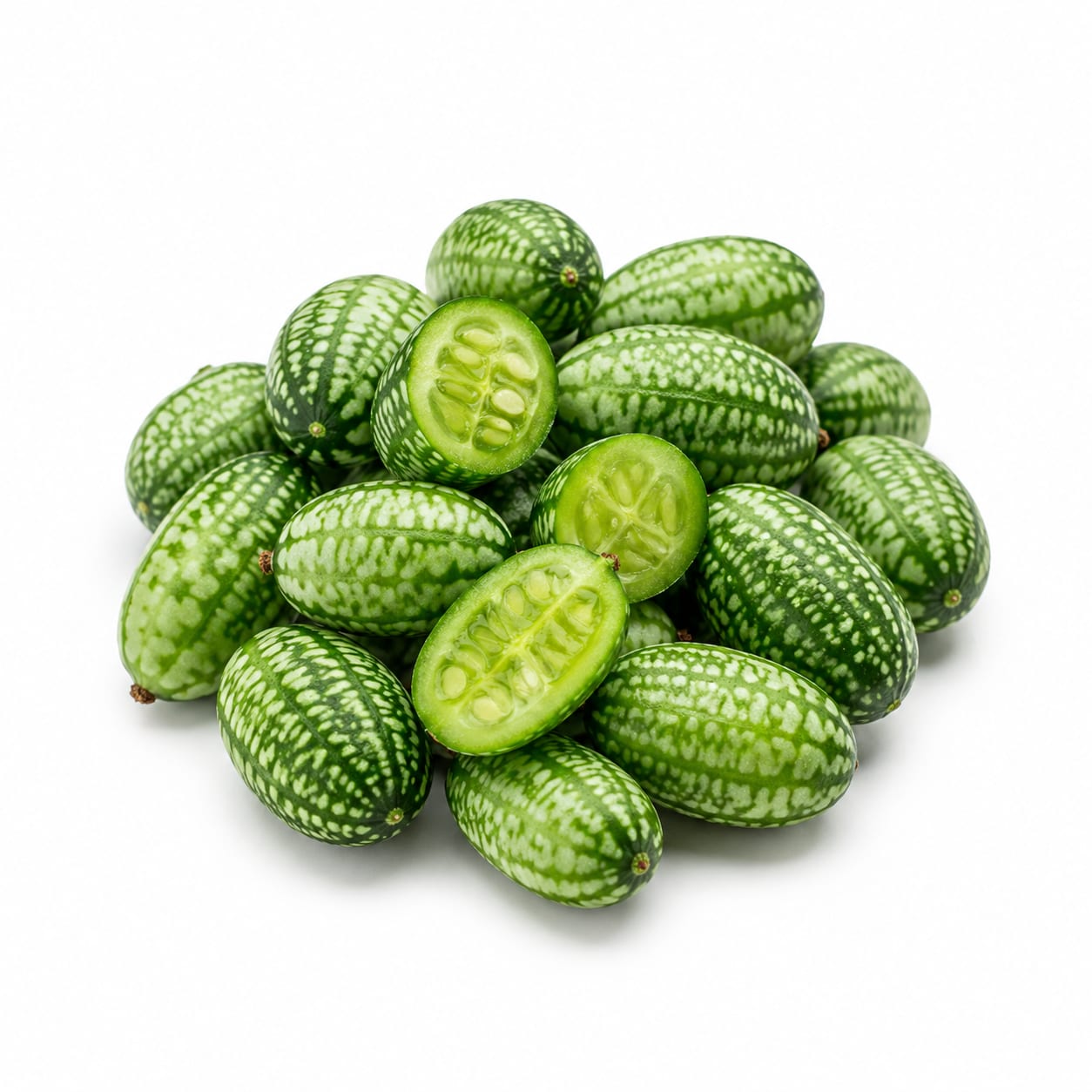
Cucamelon
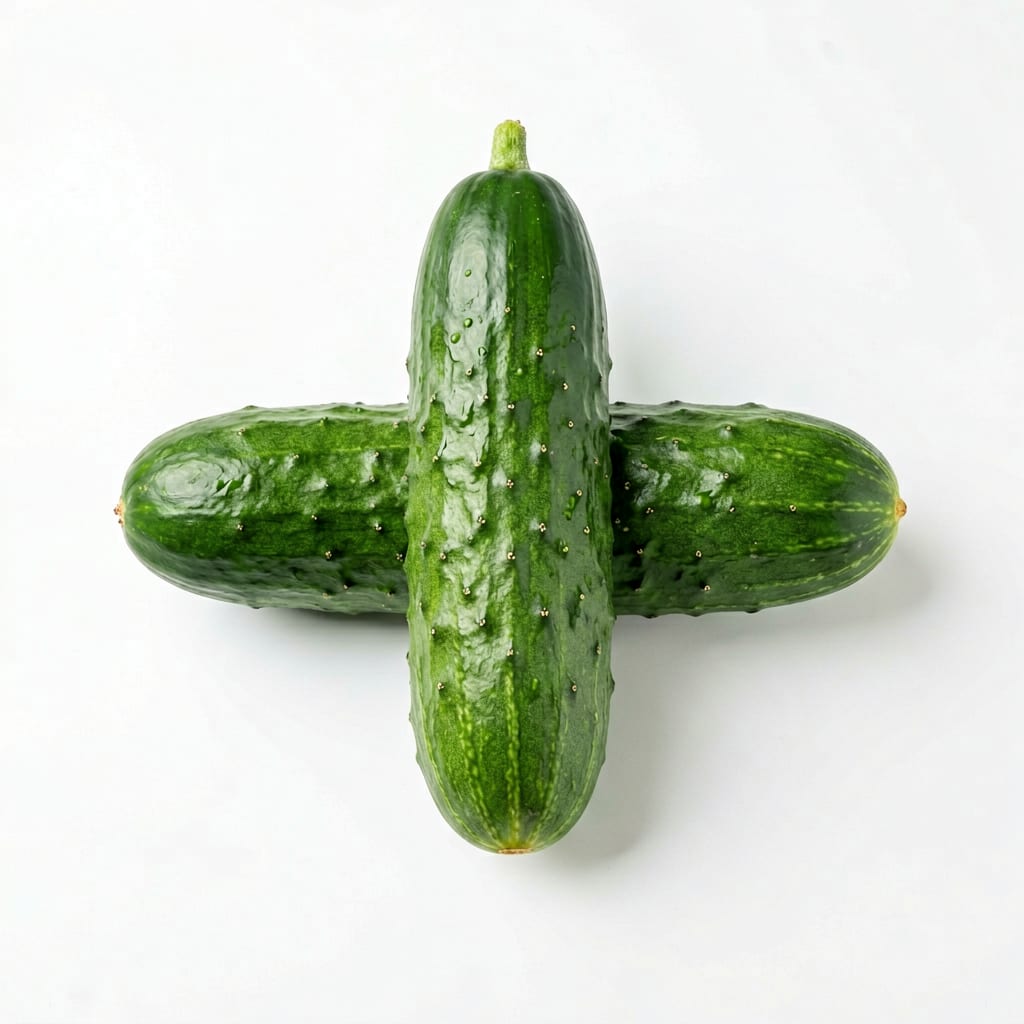
Cucumber
Cucumber wins on practicality and everyday versatility; cucamelon wins on flavor excitement and novelty. Nutritionally, they are nearly identical.
Cucumber scores higher mainly due to accessibility, affordability, and versatility. Cucamelon is nutritionally comparable and more exciting flavor-wise, but its specialty status and limited availability drag down its practical score significantly.
Cucamelon delivers a tangy, fun eating experience but is hard to find and expensive. Cucumber is reliable, cheap, and everywhere but offers a milder, less adventurous flavor.
At a glance
Executive summary
Overall
It depends
Healthier
It depends
More practical
Cucumber
Daily use
Cucumber
Key comparison lenses
nutritional similarity vs meaningful differences
Cucamelon and cucumber are closely related with very similar macronutrient profiles, so identifying subtle but real differences matters most
practicality and everyday usability
Cucumber is a grocery staple while cucamelon is a specialty item, making availability and cost a major real-world decision factor
flavor and culinary experience
Cucamelon offers a tart, lime-like twist that cucumber lacks, which changes how each fits into meals and snacking
antioxidant and micronutrient edge
Both are water-dense and low-calorie, so any nutritional advantage comes down to minor differences in vitamins and plant compounds
Best choice for
Cucamelon
- Adventurous eaters wanting a tart, snackable crunch
- Cocktail garnish and gourmet presentation
- Home gardeners looking for a prolific, easy vine
- Anyone bored with standard cucumber flavor
Cucumber
- Budget-conscious shoppers needing affordable hydration
- Meal preppers making large salads or infused water
- Families wanting a mild, kid-friendly veggie
- Anyone who needs reliable grocery store availability
Least suitable for
Cucamelon
- People who need consistent weekly grocery access
- Budget-limited households
- Those who dislike sour or tart flavors
Cucumber
- Cooks wanting a punchy, distinctive flavor accent
- Anyone seeking a conversation-starting ingredient
- People tired of bland produce options
Deep comparison
Dimension by dimension
Each lens scores both foods and breaks down who each option suits.
- Dimension 1 · Priority 85Cucumber
Hydration & Calorie Density
Cucamelon · 88Cucumber · 92Both are extremely hydrating and low-calorie, but cucumber edges ahead with slightly higher water content per gram.
Tradeoff
Cucamelon's marginally lower water content means slightly more nutrient density per bite, but the difference is negligible in practice.
Why it matters
If you are eating either for hydration or weight management, both perform excellently and the gap is barely noticeable.
Real-world impact
Eating a full cucumber vs a handful of cucamelons provides similar hydration — the real difference is how much volume you can comfortably eat.
Cucamelon
- Slightly more nutrients per calorie due to lower water percentage
Better for
- Smaller size means less total water per serving unless you eat many
Worse for
Cucumber
- Maximum hydration per bite
- Easier to eat in large volumes for fullness
Better for
- So water-dense that you get fewer micronutrients per serving compared to cucamelon
Worse for
- Dimension 2 · Priority 80It depends
Flavor & Culinary Versatility
Cucamelon · 78Cucumber · 82Cucamelon brings a tart, citrusy punch that cucumber cannot match. Cucumber offers a clean neutral base that works in far more dishes.
Tradeoff
Cucamelon is more exciting but narrower in use. Cucumber is less thrilling but fits into almost any cuisine or preparation.
Why it matters
If you eat produce primarily for enjoyment and variety, cucamelon delivers more per bite. If you need a workhorse ingredient, cucumber is the better tool.
Real-world impact
Cucamelon shines in salads, pickling, and as a garnish. Cucumber works in everything from tzatziki to smoothies to sandwiches.
Cucamelon
- Bold tart flavor that needs no dressing
- Natural pickling candidate with built-in acidity
- Eye-catching presentation for entertaining
Better for
- Tartness limits pairing options
- Too small and sour for juicing or blending
Worse for
Cucumber
- Neutral flavor pairs with any cuisine
- Works cooked, blended, juiced, or raw
- Easy to hide in smoothies for picky eaters
Better for
- Can taste watery or bland without seasoning
- Less exciting as a standalone snack
Worse for
- Dimension 3 · Priority 70Cucamelon
Antioxidant & Micronutrient Profile
Cucamelon · 72Cucumber · 60Cucamelon contains modestly higher levels of certain antioxidants and vitamin C due to its tartness and thinner skin-to-flesh ratio.
Tradeoff
The advantage is real but small — neither food is a nutritional powerhouse, so this should not drive your decision alone.
Why it matters
If you are optimizing every micronutrient, cucamelon gives a slight edge. If you just need a hydrating vegetable, the difference will not change your health outcomes.
Real-world impact
You would need to eat large quantities of either to see a meaningful antioxidant benefit. Both are far behind berries, leafy greens, or citrus for micronutrient density.
Cucamelon
- More vitamin C per serving
- Higher concentration of skin-based antioxidants
- Tartness indicates more organic acids with digestive benefits
Better for
- Small serving sizes limit total nutrient intake
- Less researched, so full profile is less documented
Worse for
Cucumber
- More vitamin K per serving due to larger edible volume
- Silica content supports skin and joint health
Better for
- Lower antioxidant concentration per gram
- Thicker skin often peeled, removing nutrients
Worse for
- Dimension 4 · Priority 90Cucumber
Availability & Cost
Cucamelon · 25Cucumber · 95Cucumber is one of the cheapest, most available vegetables worldwide. Cucamelon is a specialty crop rarely found outside farmers markets or specialty grocers.
Tradeoff
Cucamelon's rarity makes it exciting but impractical for regular consumption. Cucumber's ubiquity makes it effortless but unremarkable.
Why it matters
A food you cannot buy is a food you cannot eat consistently. Consistency always beats novelty for long-term health outcomes.
Real-world impact
Most people will find cucamelon only seasonally or by growing it themselves. Cucumber is available year-round at any grocery store for minimal cost.
Cucamelon
- Growing your own is easy and highly productive
- Specialty appeal can command higher value at markets
Better for
- Rarely stocked at standard grocery stores
- Expensive when available commercially
- Seasonal availability in most regions
Worse for
Cucumber
- Available everywhere year-round
- Extremely affordable per pound
- No sourcing effort required
Better for
- Commodity status means less excitement factor
- Minimal perceived value as a specialty ingredient
Worse for
- Dimension 5 · Priority 65Cucumber
Digestive Tolerance
Cucamelon · 68Cucumber · 80Cucumber is gentler on sensitive stomachs. Cucamelon's tartness and slightly higher acidity can bother some people in larger amounts.
Tradeoff
Cucamelon's acidity aids digestion for some but irritates others. Cucumber is almost universally well-tolerated.
Why it matters
If you have acid sensitivity, IBS, or a delicate stomach, cucumber is the safer everyday choice.
Real-world impact
A handful of cucamelons is fine for most people, but eating them in cucumber-equivalent volumes could cause mild heartburn or stomach discomfort.
Cucamelon
- Organic acids may stimulate digestion and appetite
- Natural sourness can reduce bloating for some
Better for
- Acidity can trigger heartburn in sensitive individuals
- Less tested for allergenicity or intolerance
Worse for
Cucumber
- Extremely gentle on the digestive tract
- Rarely causes any stomach upset
- Often recommended for upset stomach or nausea
Better for
- Very low fiber means minimal digestive stimulation
- Can feel too watery and unsatisfying alone
Worse for
Timeline
Health impact over time
Short-term
Hours to days
Cucamelon
- Quick hydration with a tart flavor boost
- Mild digestive stimulation from natural acids
- Satisfying crunch that curbs snacking urges
Cucumber
- Immediate hydration with almost no digestive load
- Light filling effect from water volume
- Neutral stomach feel suitable for any time of day
Long-term
Months to years
Cucamelon
- Consistent antioxidant intake if eaten regularly, though access is challenging
- Potential for more varied plant compound exposure compared to cucumber alone
- Growing your own encourages gardening, which has independent health benefits
Cucumber
- Reliable daily hydration support with zero effort
- Consistent low-calorie intake aids weight maintenance over years
- Habitual cucumber consumption correlates with overall produce-rich dietary patterns
Risk profile
Safety & processing
Both are whole, raw, unprocessed produce. Cucamelon is almost always sold fresh and unadorned. Cucumber occasionally comes waxed or wrapped in plastic, so choose unwaxed when possible.
Cucamelon
Misidentification with wild lookalikes
mediumCucamelon resembles some wild Melothria species that can be bitter or mildly toxic. Always source from reputable growers or trusted seeds.
Pesticide residue
lowLimited commercial production means less systematic pesticide data, but small-scale growers often use fewer chemicals.
Cucumber
Wax coatings on conventional cucumber
lowNon-organic cucumbers are often waxed to retain moisture. Peeling or choosing organic avoids this.
Pesticide residue
mediumCucumber is on the EWG's Dirty Dozen list some years. Washing thoroughly or buying organic reduces exposure.
Who wins for whom
Audience fit
Same foods, different winners depending on your goal.
children
CucumberCucumber's mild flavor and familiar texture are more kid-friendly. Cucamelon's tartness can surprise children expecting sweetness from the tiny watermelon look.
daily consumption
CucumberCucumber's availability, affordability, and mild flavor make it sustainable as a daily habit. Cucamelon is better as an occasional treat or garden bonus.
diabetes
It dependsBoth have negligible carbohydrate content and will not spike blood sugar. Either is safe for diabetic diets.
elderly
CucumberCucumber is easier to chew in larger pieces, gentler on the stomach, and more accessible. Cucamelon's small size and tartness offer no advantage for older adults.
muscle gain
It dependsNeither food contributes meaningful protein or calories for muscle building. Both serve only as hydration sides alongside protein-rich meals.
weight loss
CucumberCucumber's larger size and higher water content make it easier to eat in filling volumes for fewer calories. Cucamelon works too, but portion control is harder when they are bite-sized and more-ish.
Your move
Decision guide
Choose Cucamelon
- You want a tart, crunchy snack that feels special
- You grow your own produce and want a prolific vine
- You are making pickles, cocktails, or gourmet salads
- You find cucumber boring and need excitement to eat vegetables
Choose Cucumber
- You need a reliable, affordable daily vegetable
- You meal prep salads, snacks, or infused water
- You have a sensitive stomach or acid reflux concerns
- You are feeding kids or picky eaters
Either works if
- You just want hydration and crunch with minimal calories
- You are looking for a low-carb snack option
- You want a raw vegetable that requires no cooking
Avoid both if
- You need calorie-dense or protein-rich foods for recovery
- You are looking for significant vitamin or mineral intake from a single vegetable
Final recommendation
Keep cucumber as your everyday staple and treat cucamelon as a seasonal bonus. Cucumber gives you consistent, affordable, no-fuss nutrition. Cucamelon adds fun and flavor variety when you can find it. If you have garden space, grow cucamelon yourself — it is easy, productive, and turns a mundane vegetable routine into something worth looking forward to.
Practical
Consumer tips
- 1
Peel conventional cucumbers to remove wax and reduce pesticide exposure, or buy organic
- 2
If you grow cucamelon, harvest frequently — the vines produce heavily and fruit gets seedy if left too long
- 3
Pickling cucamelon whole requires no slicing and delivers a superior crunch compared to pickled cucumber
- 4
Store both in the crisper drawer, but use cucamelon within a few days as it does not keep as long as cucumber
- 5
Combine both in a salad for a mix of mild crunch and tart pop — they complement each other well