
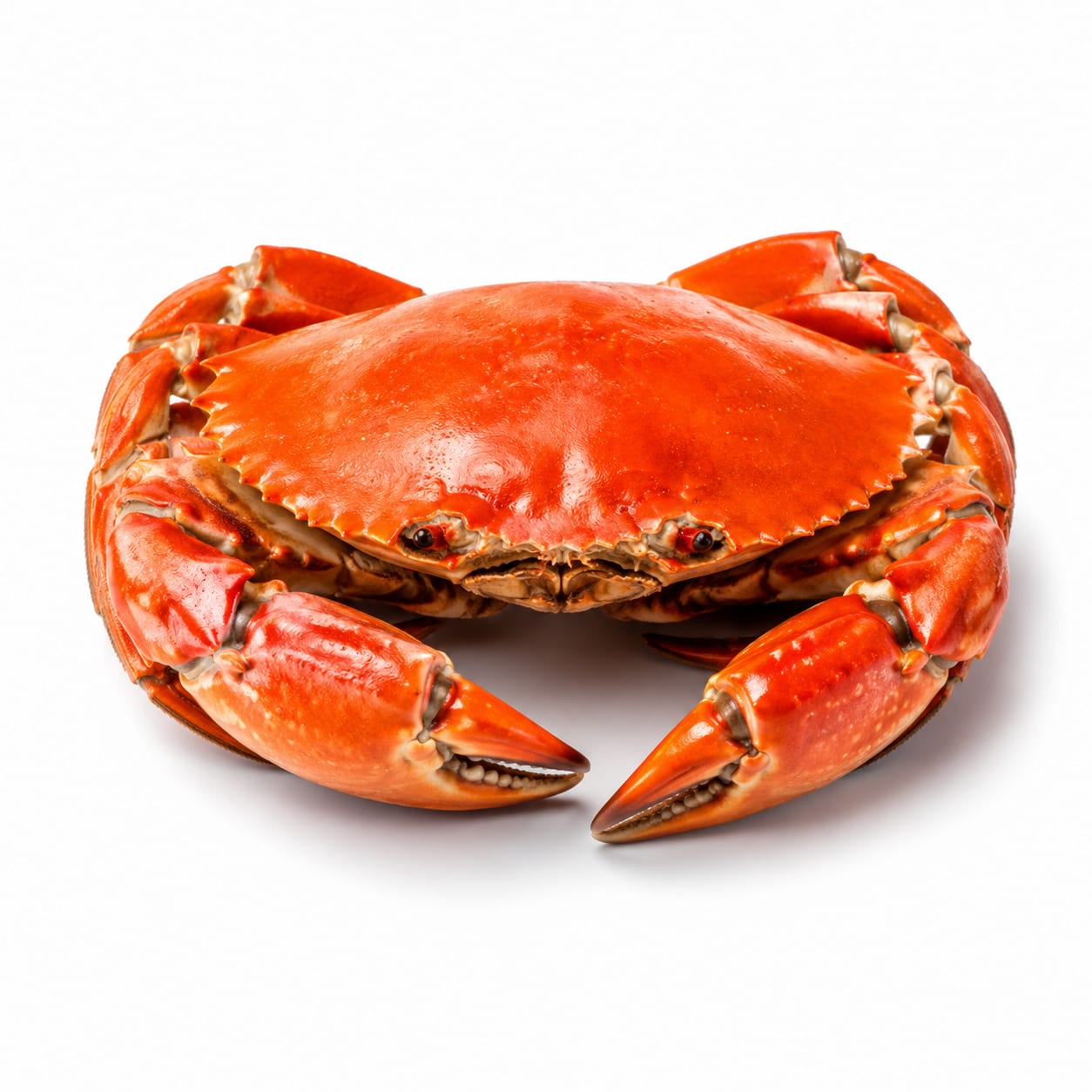
Seafood
Crab
A low-calorie, high-protein shellfish rich in vitamin B12 and zinc, ideal for low-carb diets.
Crab is a popular crustacean seafood prized for its sweet, delicate meat. It is naturally very low in fat and carbohydrates while providing high-quality complete protein and essential nutrients like vitamin B12, zinc, and selenium.
protein-dense shellfish
Typical serving · 85g
Common varieties · king crab, snow crab, dungeness crab, blue crab, jonah crab
Overall context score across nutrition, safety, and diet fit
At a glance
Quick facts
Simple indicators based on nutrition, processing, and diet fit.
The story
What makes it unique
Crab meat is a fast-digesting, high-protein animal food with virtually zero carbohydrates. Its macronutrient profile promotes high satiety relative to its low caloric content. Being a minimally processed whole food (when purchased fresh or frozen), it retains its native micronutrient matrix, though natural sodium and cholesterol levels are inherently higher than in terrestrial meats.
Varieties: king crab · snow crab · dungeness crab · blue crab · jonah crab
Per 100g
Nutrition breakdown
Macro balance and key metrics at a glance.
Energy
Density 0.97 kcal/g
Protein
Carbs
Fat
Fiber
Sugar
0 g
Sodium
296 mg
Potassium
259 mg
Glycemic index
0
Glycemic load
0
Water content
78%
Standout compounds
Nutrient highlights
Vitamin B12
highSupports nerve function and red blood cell formation
Selenium
highActs as a powerful antioxidant protecting cells from damage
Zinc
moderateEssential for immune system function and wound healing
Protein
highBuilds and repairs tissues while promoting satiety
Omega-3 Fatty Acids
moderateSupports cardiovascular and brain health
Wellness map
Health scores & processing
NOVA processing scale
minimally processed · Whole food
Fresh or frozen crab is a whole, unrefined animal food. Canned or pasteurized versions remain minimally processed but may contain added sodium.
Diet compatibility
- Weight loss
- Muscle gain
- Diabetes
- Gut health
- Low carb
- High protein
- Heart health
Relative standing
Food rankings
Qualitative ranks compared to similar whole foods.
- Satietygood
- Blood sugarexcellent
- Nutrient densitygood
- Fitness fuelgood
- Processing qualityexcellent
Eat with confidence
Food safety profile
Crab is generally safe when cooked thoroughly. Raw or undercooked crab carries a risk of Vibrio bacteria. Heavy metal accumulation, particularly cadmium in the brown meat, is a moderate concern depending on harvest waters.
Evidence confidence 85%
- Pesticideslow
- Antibioticslow
- Heavy metalsmoderate
- Contaminationmoderate
Watch for
- vibrio_vulnificus
- cadmium
- mercury
- microplastics
Safer choices
Wild-caught crab from well-monitored waters; consuming primarily white meat over brown meat reduces cadmium exposure.
Prep tips
Cook thoroughly until the shell turns bright red and the meat is opaque. Avoid eating crab that died before cooking. Keep raw crab chilled until preparation.
Monitoring of cadmium levels in brown meat and mercury in larger species; strict handling guidelines for raw shellfish to prevent Vibrio infections.
Deep dive
Health analysis
How this food may fit different goals and preparation choices.
Weight loss
Extremely low energy density and high protein content increase satiety, making it easier to maintain a caloric deficit.
Blood sugar
Contains zero carbohydrates, resulting in no glycemic impact and excellent blood sugar stability.
Fitness & energy
Provides fast-digesting lean protein ideal for post-workout muscle repair, though it lacks carbohydrates for glycogen replenishment.
Gut health
Easily digestible protein source but contains no dietary fiber, offering no direct prebiotic benefits for the gut microbiome.
Processing quality
Typically consumed as a whole food with minimal processing, retaining its natural nutrient profile without added chemicals.
Food safety
Must be cooked thoroughly to eliminate marine bacteria like Vibrio. Moderate heavy metal risk varies by water source and species.
Common mistakes
Confusing real crab with imitation crab (surimi), which is ultra-processed, high in carbs, and contains fillers and added sugars.
Best preparation
Steaming or boiling preserves the lean nutrient profile without adding unnecessary fats or calories.
Practical guide
Best use cases
When and how this food fits real eating patterns.
Post-workout recovery
Provides fast-digesting lean protein to support muscle protein synthesis without heavy fats that slow digestion.
Low-carb dinner staple
Naturally zero-carb main course that pairs well with fibrous vegetables for a balanced, blood-sugar-friendly meal.
Weight loss protein source
Delivers high satiety and protein density at a very low caloric cost, aiding adherence to calorie-restricted diets.
Seafood allergy rotation
Offers a distinct amino acid profile and nutrient mix compared to daily chicken or beef, diversifying dietary protein sources.
Balance sheet
Pros & cons
Upsides
- Zero carbohydrates and zero sugar
- Very high in lean, complete protein
- Rich in vitamin B12 and selenium
- Low in calories and fat
- Minimally processed when bought fresh or frozen
Trade-offs
- High natural sodium content
- Contains dietary cholesterol
- Common shellfish allergen
- Risk of Vibrio contamination if undercooked
- Imitation versions are ultra-processed and unhealthy
Fit check
Who is it for?
Great match
- keto and low-carb diets
- diabetics managing blood sugar
- lean muscle gain
- calorie-restricted weight loss
Consider alternatives
- strict low-sodium diets
- people with shellfish allergies
- those on tight grocery budgets
- vegans and vegetarians
Side by side
How it compares
Open the full head-to-head analysis for nutrition, safety, and practical tradeoffs.
This food
Crab
VS90% alike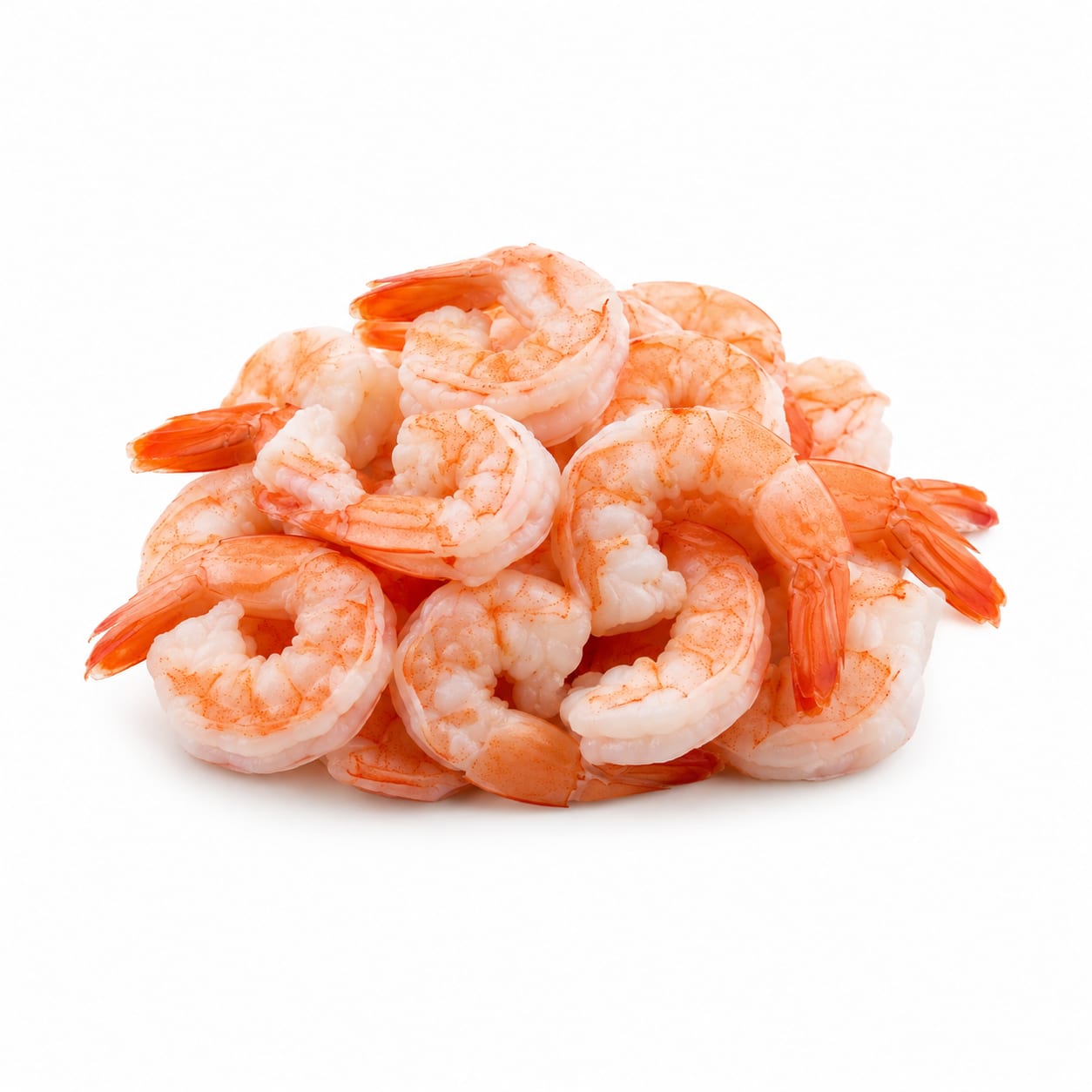
Compare with
Shrimp
Shrimp is slightly lower in calories and sodium, while crab offers more zinc and vitamin B12.
Shrimp is lower in calories and sodium, while crab provides more zinc and vitamin B12 for immune and nerve support.
This food
Crab
VS85% alike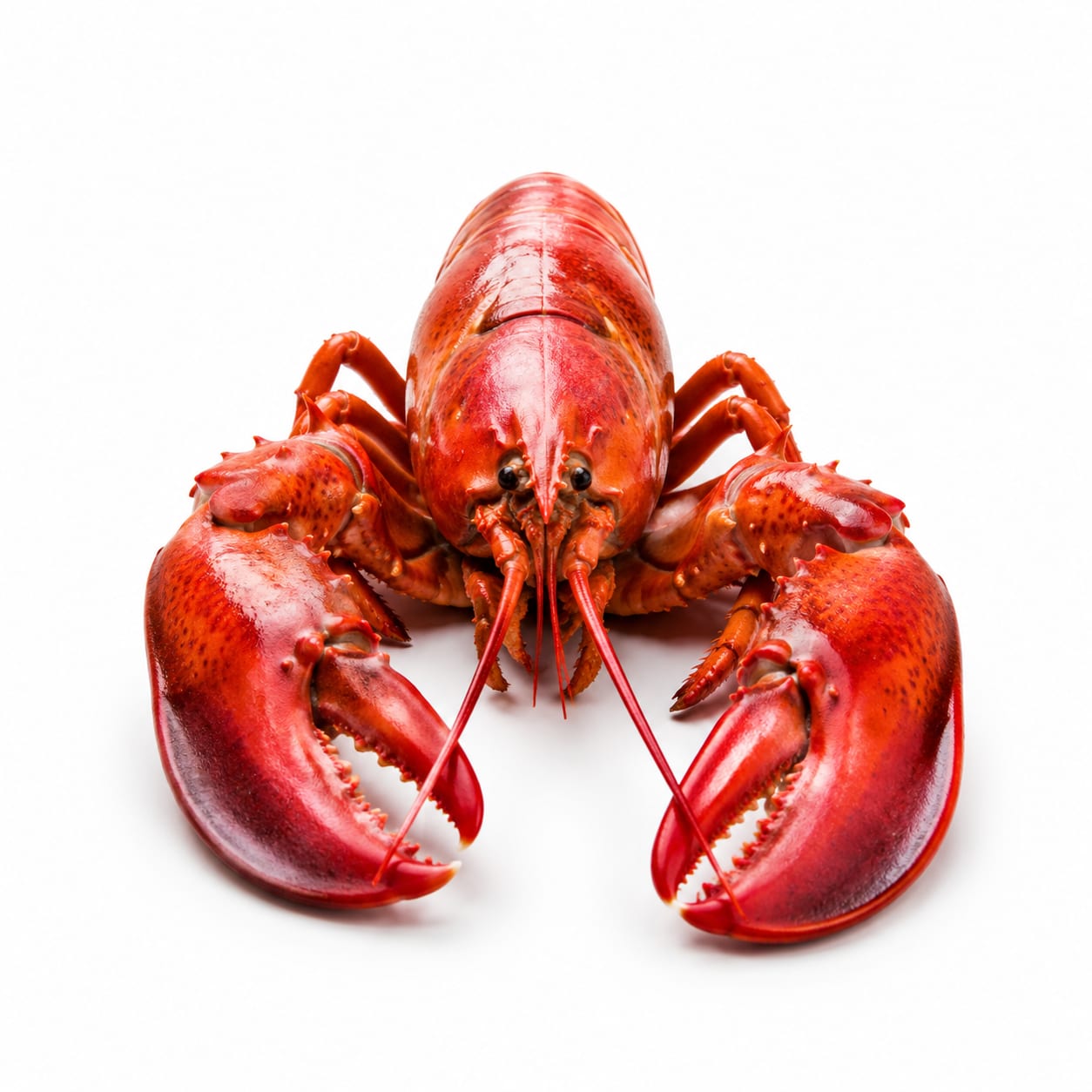
Compare with
Lobster
Lobster is slightly higher in protein and lower in sodium, but crab is more accessible and richer in zinc.
Lobster offers slightly more protein and less sodium, but crab is more budget-friendly and higher in zinc.
This food
Crab
VS75% alike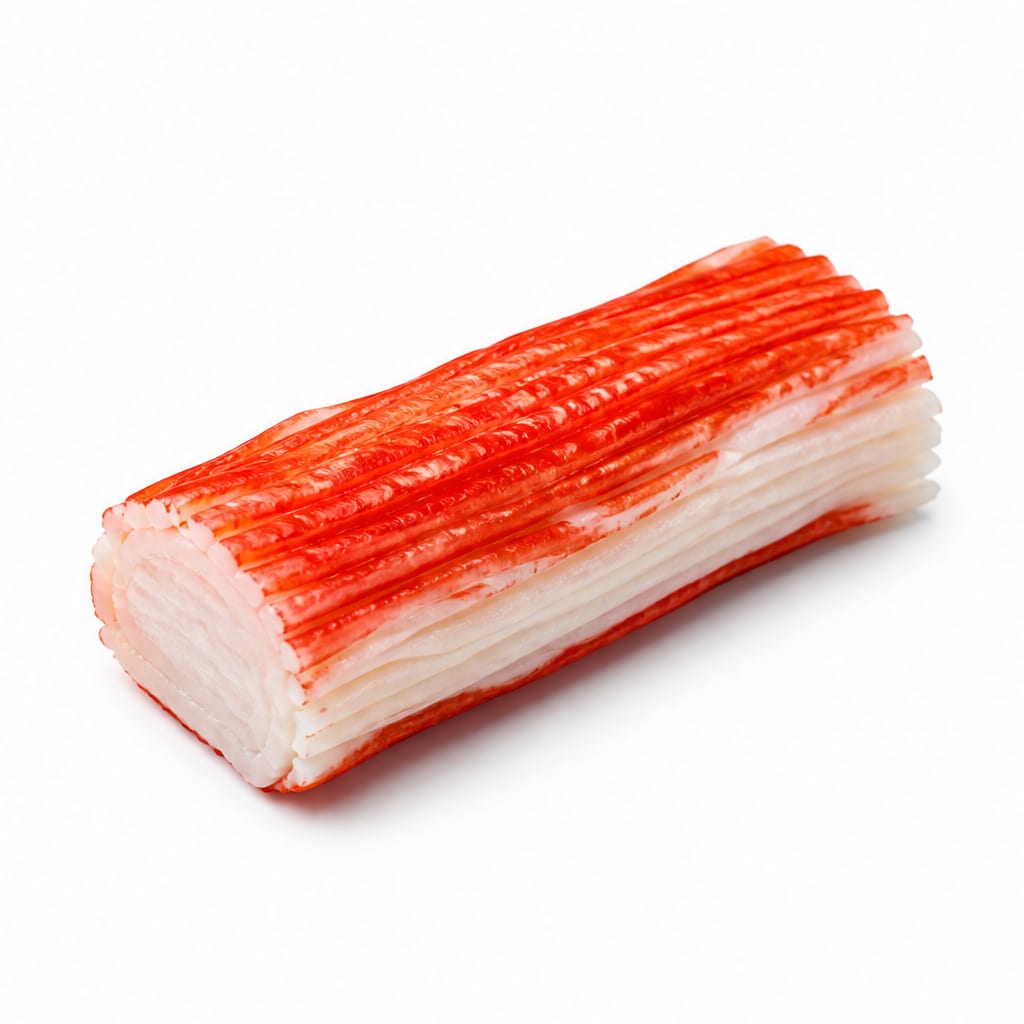
Compare with
Imitation Crab
Real crab is a whole food high in protein and nutrients, while imitation crab is ultra-processed, high in carbs, and low in actual nutrition.
Real crab is a zero-carb whole food, whereas imitation crab is an ultra-processed product loaded with starches and sugar.
This food
Crab
VS70% alike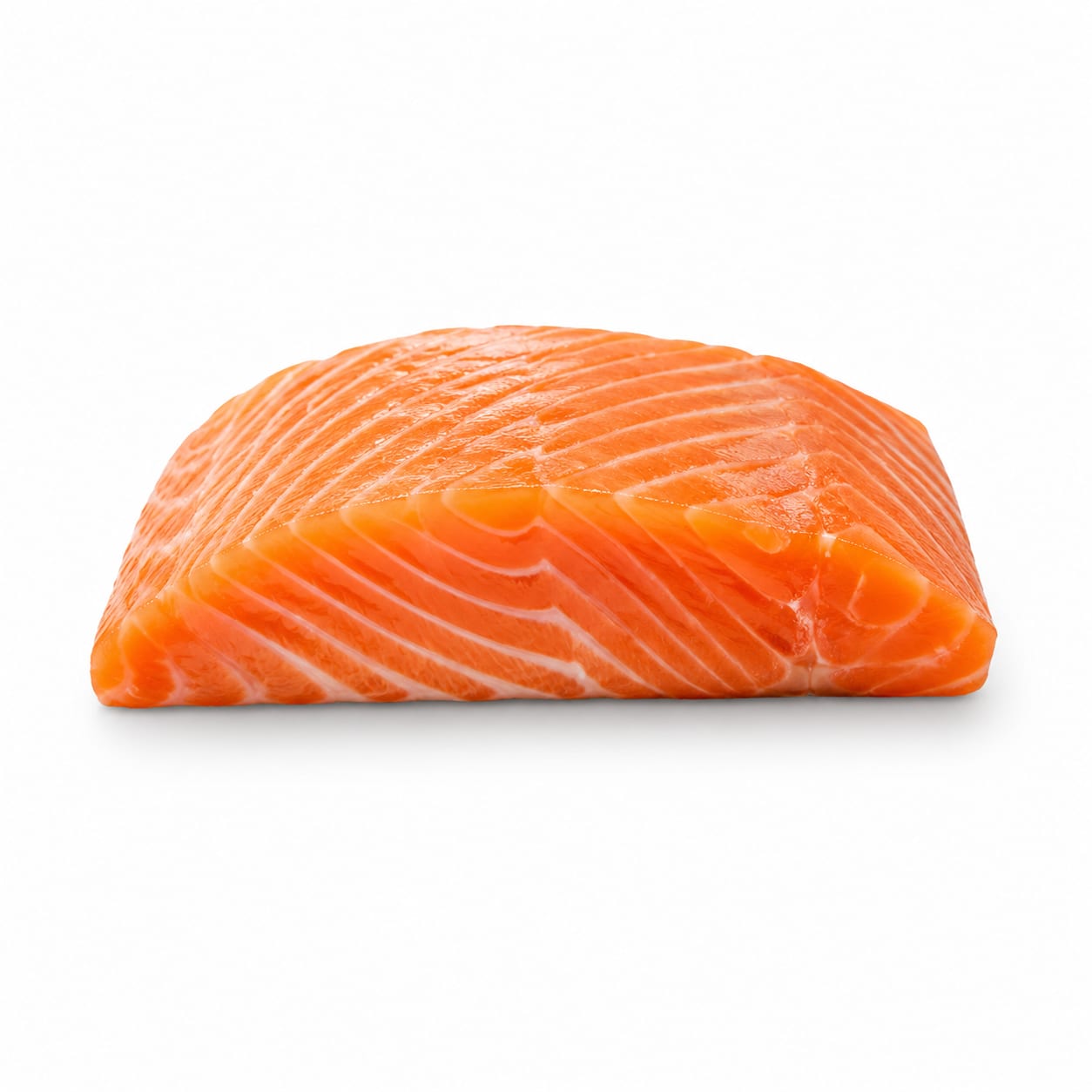
Compare with
Salmon
Salmon is high in omega-3 fats and calories, while crab is lean and lower in calories.
Crab is lower in calories and fat for weight loss, while salmon provides more omega-3s and healthy fats for heart health.
This food
Crab
VS70% alike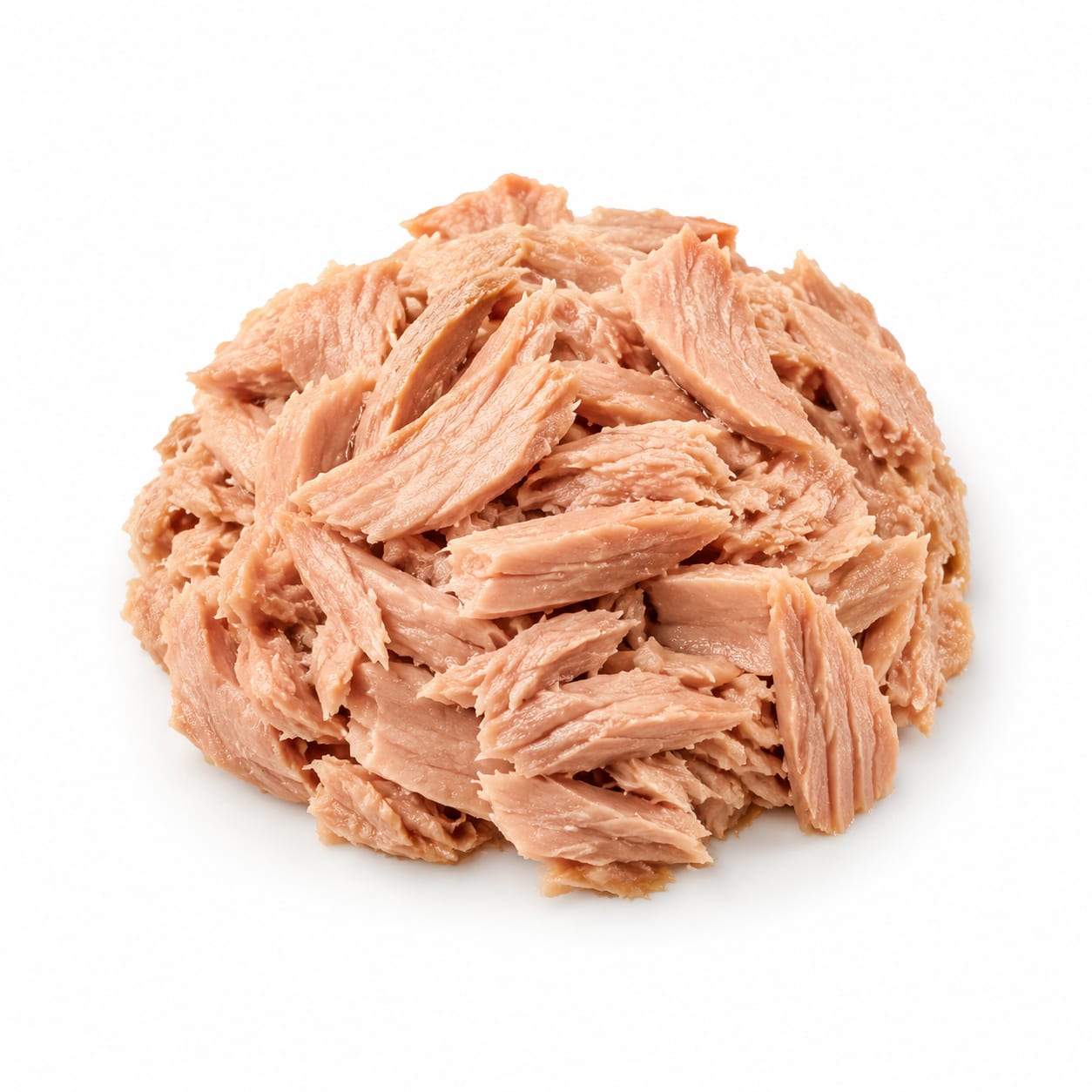
Compare with
Tuna
Tuna is higher in protein and lower in sodium, but crab offers broader micronutrients like zinc and B12 with less mercury concern.
Tuna provides more protein per calorie, but crab offers better micronutrients like zinc and generally carries less mercury.
This food
Crab
VS65% alike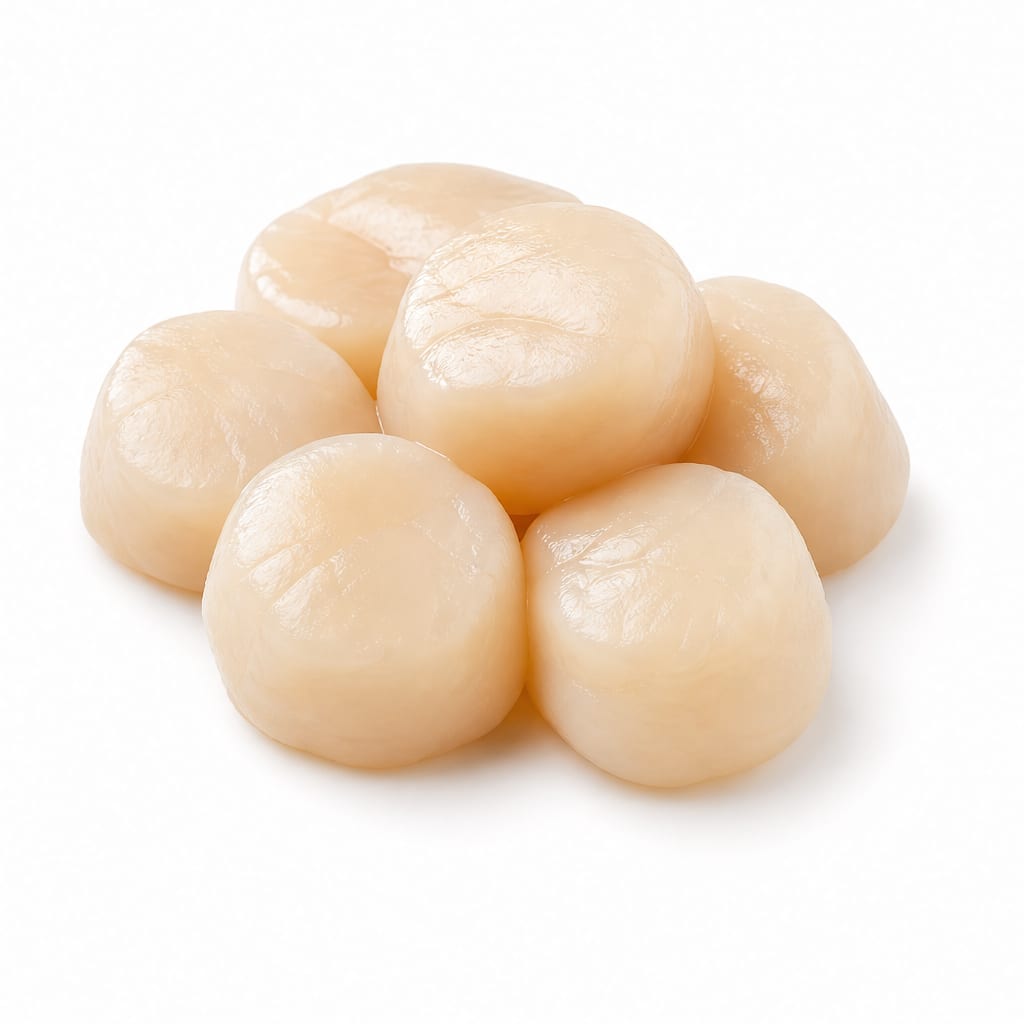
Compare with
Scallops
Scallops are lower in sodium and cholesterol, while crab is richer in minerals like zinc and selenium.
Scallops are lower in sodium and cholesterol, while crab provides more minerals like zinc and selenium per serving.
This food
Crab
VS60% alike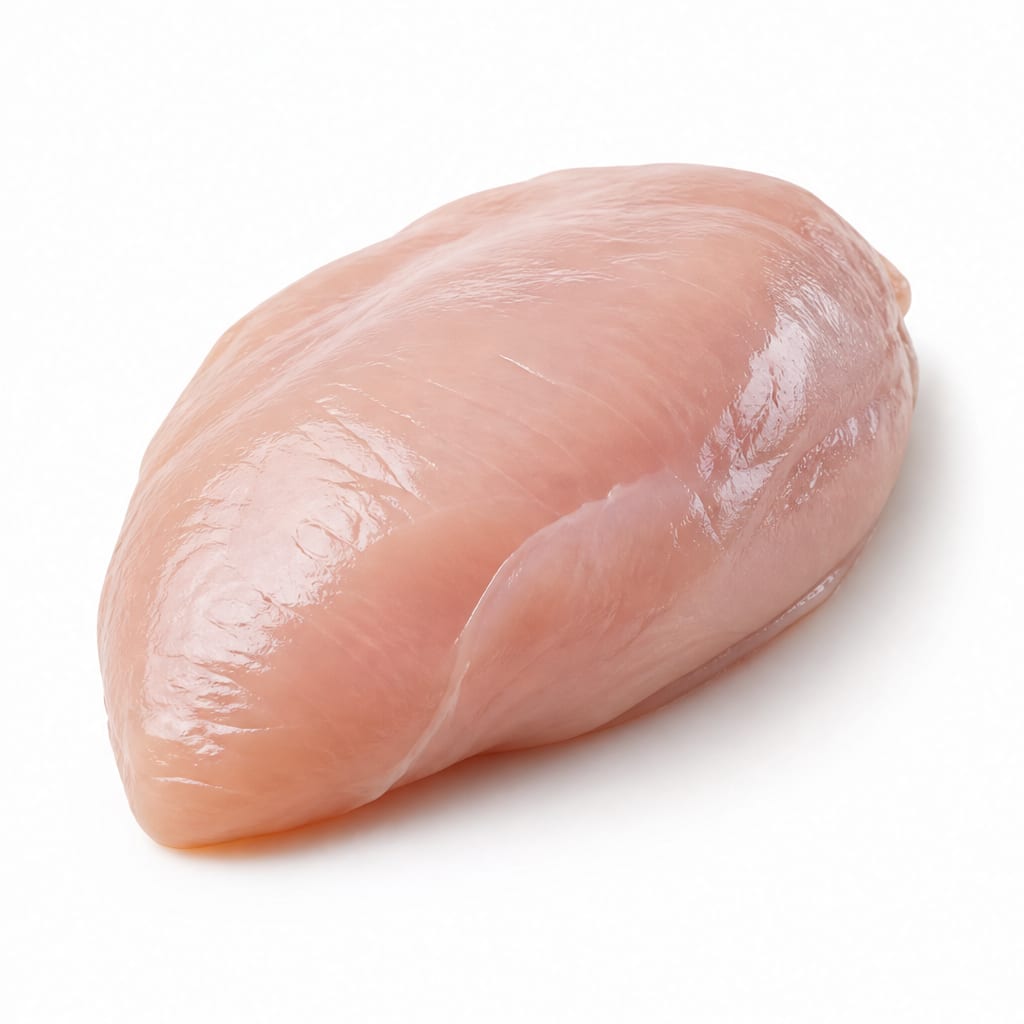
Compare with
Chicken Breast
Chicken is higher in protein and lower in sodium, while crab provides unique marine minerals and zero prep fat if steamed.
Chicken breast offers more protein and less sodium, but crab provides unique marine minerals like iodine and zinc.
This food
Crab
VS60% alike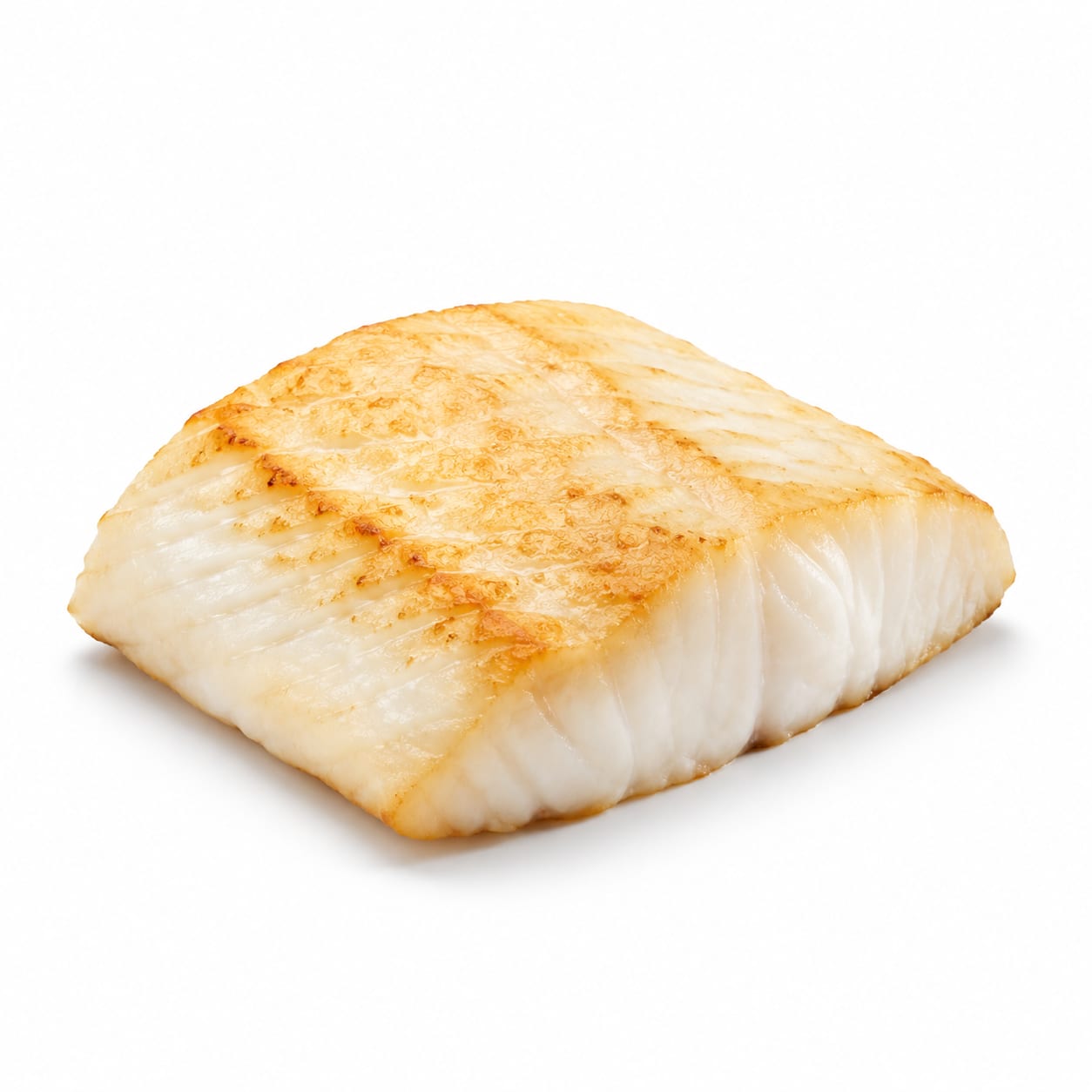
Compare with
Cod
Cod is lower in sodium and cholesterol, but crab is denser in micronutrients like vitamin B12 and zinc.
Cod is lower in sodium and calories, while crab is significantly richer in vitamin B12 and zinc.
This food
Crab
VS80% alike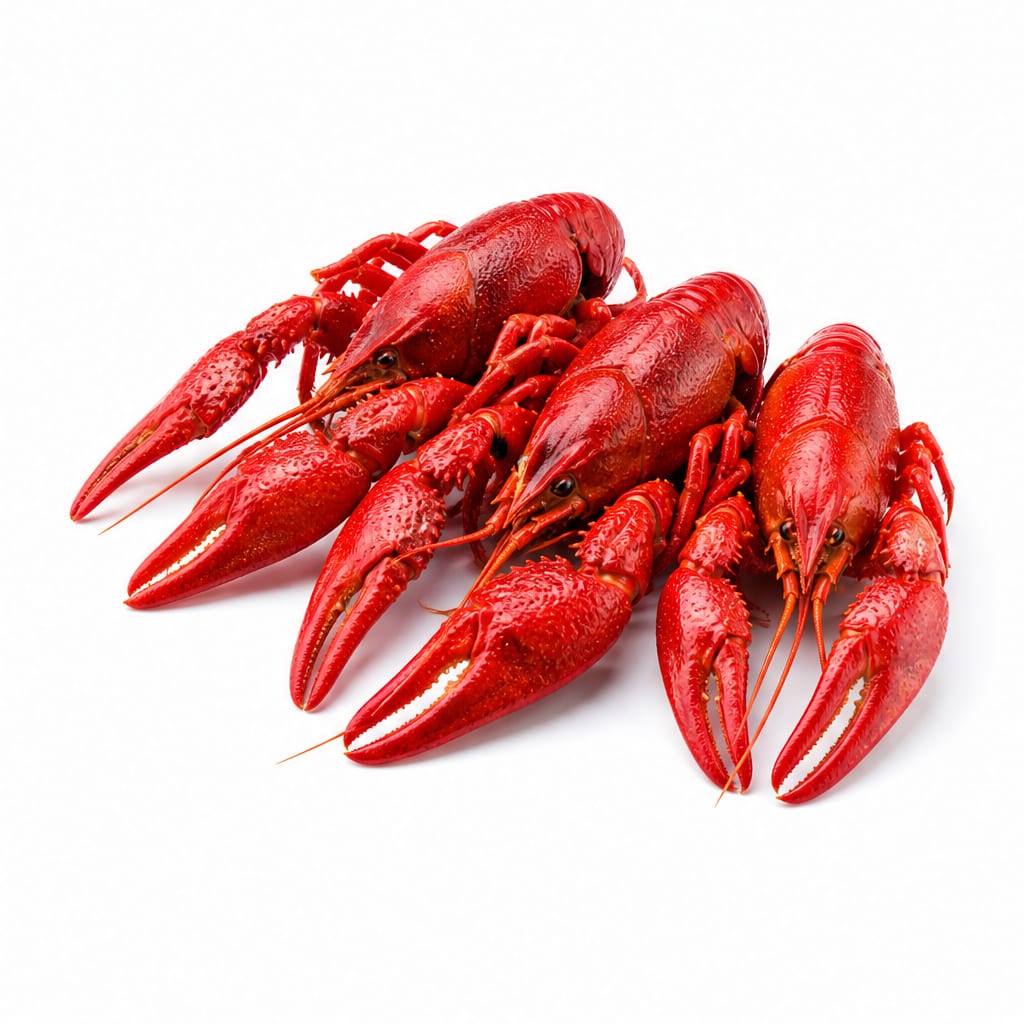
Compare with
Crawfish
Crawfish is lower in sodium but also lower in protein density compared to crab.
Crab is higher in protein and vitamin B12, while crawfish is lower in sodium but offers less protein per serving.
This food
Crab
VS55% alike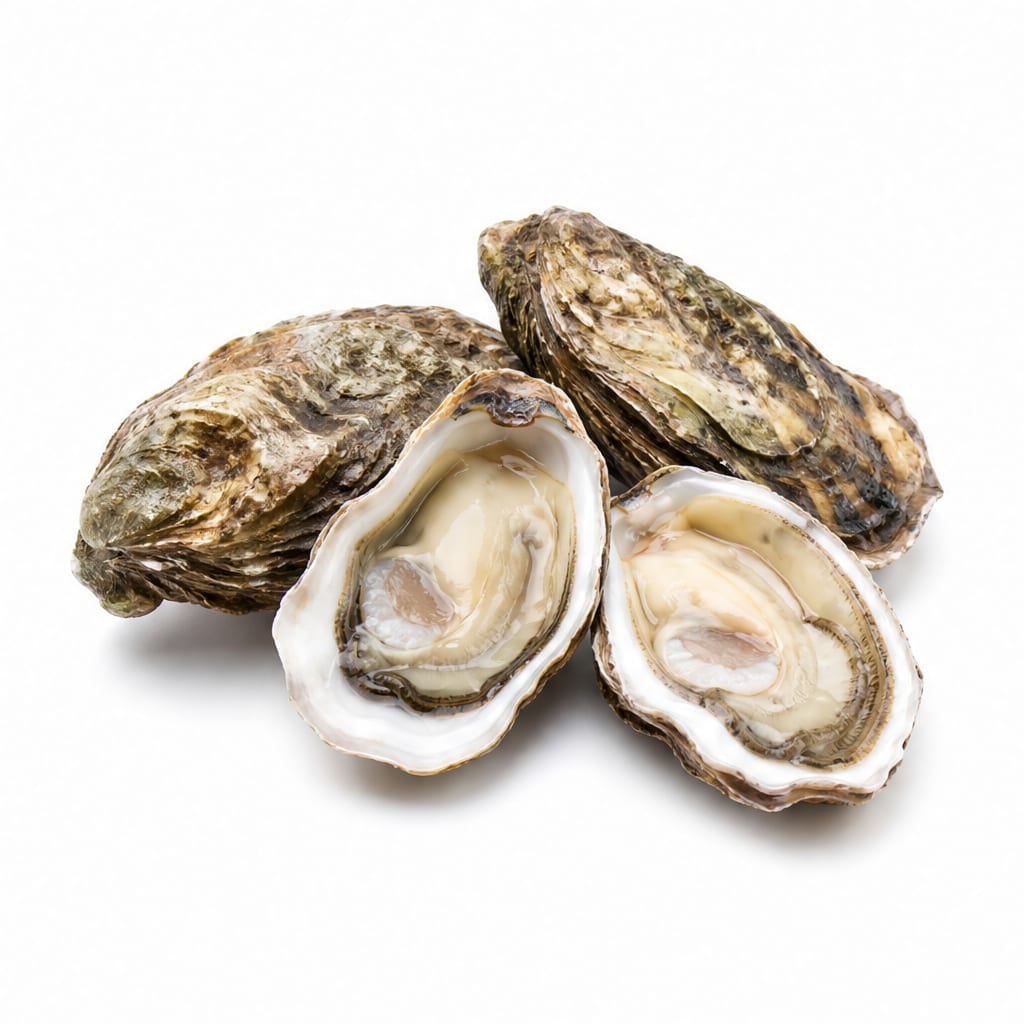
Compare with
Oysters
Oysters are massively higher in zinc and iron, while crab is a better lean protein source with zero carbs.
Oysters are unmatched for zinc and iron, but crab provides far more protein and zero carbs for keto diets.
Common questions
FAQ
Answers aligned with how people search for this food.
Is crab good for weight loss?
Yes, crab is excellent for weight loss. It is very low in calories and fat while being high in protein, which helps you feel full longer without overconsuming calories.
Can diabetics eat crab?
Yes, crab contains zero carbohydrates and zero sugar, meaning it will not spike blood sugar levels. It is a highly diabetes-friendly protein source.
Is crab meat high in cholesterol?
Crab does contain dietary cholesterol, but it is very low in saturated fat. For most people, dietary cholesterol has minimal impact on blood cholesterol compared to saturated fat.
What is the difference between real crab and imitation crab?
Real crab is a whole, unprocessed seafood high in protein and nutrients. Imitation crab (surimi) is ultra-processed pollock fish paste mixed with starches, sugar, and artificial flavors, making it higher in carbs and lower in protein.
Does crab have a lot of mercury?
Crab generally has low to moderate mercury levels compared to large predatory fish. It is considered a safer seafood choice for regular consumption, though specific levels vary by species and location.
Is crab meat good for muscle building?
Yes, crab provides high-quality complete protein containing all essential amino acids, which is necessary for muscle repair and growth.
Why is crab high in sodium?
As a marine animal, crab naturally absorbs sodium from ocean water. Canned or pasteurized crab often contains additional sodium as a preservative.
Can you eat crab on a keto diet?
Absolutely. Crab is carb-free and fits perfectly into a ketogenic macronutrient profile, provided it is not prepared with breading or sweet sauces.
Transparency
Data confidence
Estimated confidence for nutrition data, interpretation, safety notes, and comparisons.
Nutrition data
Health analysis
Food safety
Comparisons