
Nutrition comparison
Crab vs Cod: Which Seafood Is Healthier for You?
Compare Crab and Cod nutrition — protein, minerals, cholesterol, mercury, cost, and more. Find out which seafood fits your health goals, budget, and lifestyle.
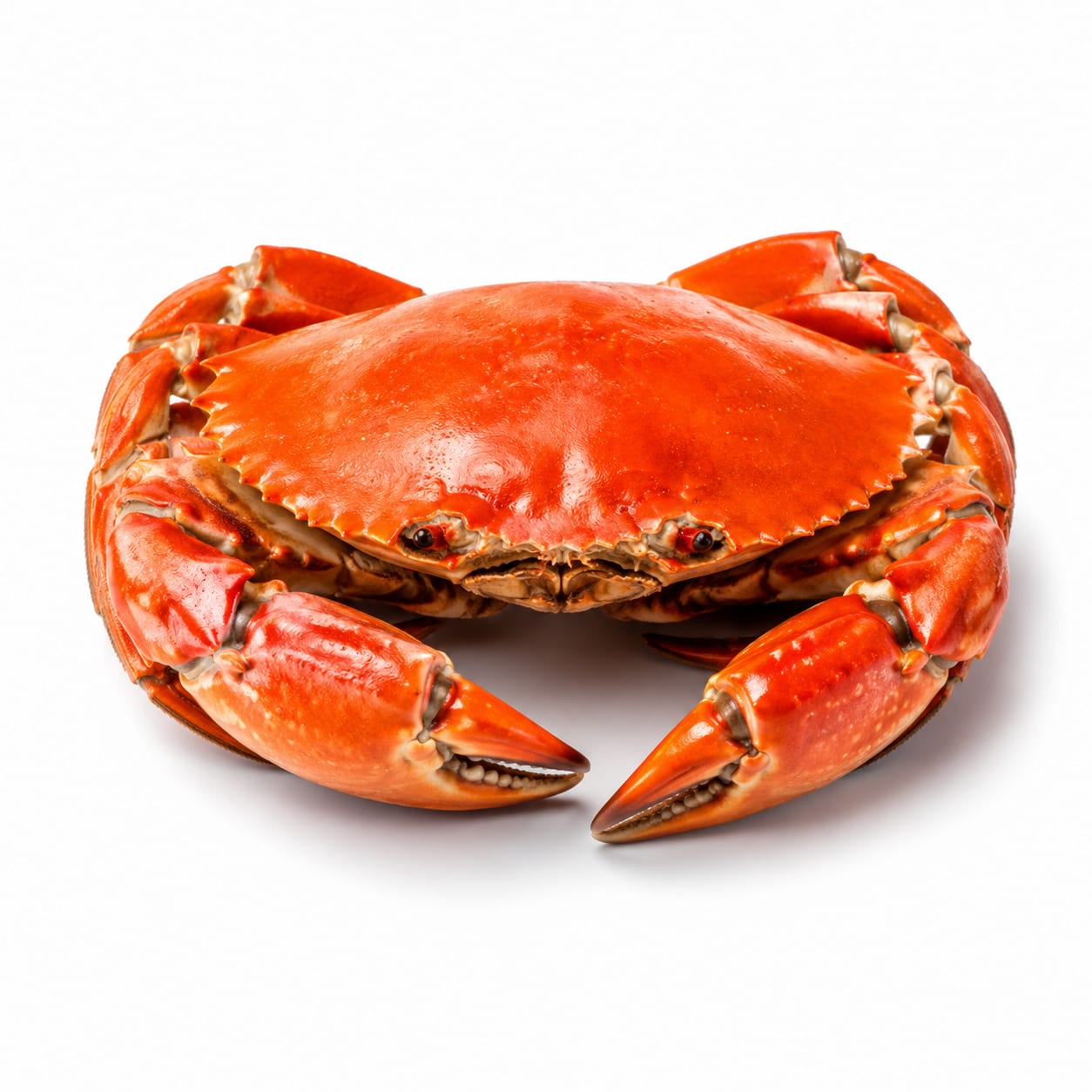
Crab
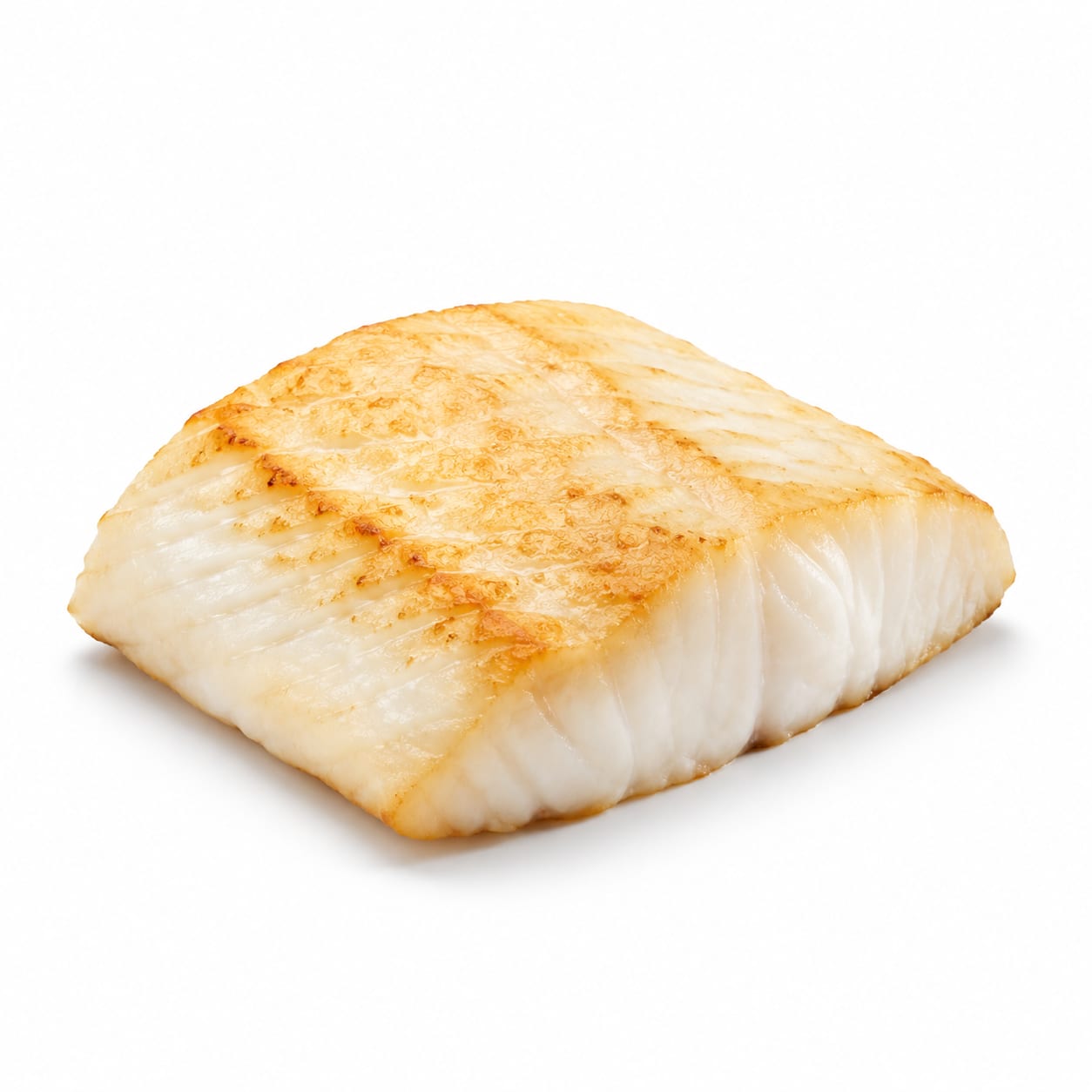
Cod
Cod wins for everyday lean protein and budget-friendliness; Crab wins for micronutrient density and flavor richness.
Cod scores higher overall due to its lean profile, affordability, and daily practicality. Crab is nutritionally richer in key minerals but loses ground on cholesterol, sodium, cost, and convenience. The gap is moderate because both are genuinely healthy seafood options.
Crab delivers far more minerals and B-vitamins but costs more, takes effort to eat, and carries higher cholesterol and sodium. Cod is cleaner, leaner, cheaper, and easier — but nutritionally thinner.
At a glance
Executive summary
Overall
It depends
Healthier
Cod
More practical
Cod
Daily use
Cod
Key comparison lenses
lean protein source selection
Both are popular seafood proteins, but they differ significantly in calorie density, fat content, and protein efficiency
mineral and micronutrient density
Crab is notably richer in zinc, selenium, copper, and B12, making this a key differentiator
heart health and cholesterol management
Crab is higher in cholesterol and sodium, which matters for cardiovascular-conscious eaters
allergen safety and dietary restrictions
Crab is a shellfish allergen, cod is a fish allergen — different populations must avoid each
budget and everyday practicality
Cod is far more affordable and easier to prepare regularly, while crab is often a luxury or occasion food
Best choice for
Crab
- Zinc and selenium supplementation through food
- B12-deficient individuals who enjoy seafood
- Special occasion meals with maximum flavor
- Immune system support through natural mineral intake
Cod
- Consistent low-calorie high-protein diets
- Heart-healthy eating patterns
- Weekly meal prep on a budget
- Families needing versatile, kid-friendly fish
Least suitable for
Crab
- Shellfish-allergic individuals
- Sodium-restricted diets
- Cholesterol-conscious eaters needing strict limits
- Budget-constrained weekly meal planning
Cod
- People seeking rich, indulgent seafood flavor
- Those needing high mineral density from a single food
- Vegans and vegetarians (obviously)
- Anyone bored by mild-flavored fish
Deep comparison
Dimension by dimension
Each lens scores both foods and breaks down who each option suits.
- Dimension 1 · Priority 90Cod
Protein Quality and Efficiency
Crab · 72Cod · 88Cod provides more protein per calorie and per serving, making it more efficient for muscle maintenance and satiety.
Tradeoff
Crab's protein comes packaged with more fat and cholesterol, while Cod delivers cleaner protein with almost no fat.
Why it matters
If you're tracking calories or macros, Cod gives you more protein bang for your buck. Crab still has complete, high-quality protein — just with more caloric baggage.
Real-world impact
A 6oz Cod fillet delivers roughly 40g protein for under 200 calories. The same weight in Crab gives you about 30g protein but with more calories from fat.
Crab
- Meals where some dietary fat is desired for satiety
Better for
- Strict macro counting where fat must be minimized
Worse for
Cod
- Post-workout recovery meals
- Calorie-controlled high-protein diets
- Lean bulking phases
Better for
- Situations where some fat improves meal satisfaction
Worse for
- Dimension 2 · Priority 88Crab
Mineral and Vitamin Density
Crab · 91Cod · 58Crab is a micronutrient powerhouse — dramatically higher in zinc, selenium, copper, and vitamin B12.
Tradeoff
You eat Crab for the minerals. You eat Cod for the clean protein. Crab's nutritional value extends well beyond macronutrients.
Why it matters
Zinc supports immunity and wound healing. Selenium protects cells from damage. B12 keeps nerves and blood cells healthy. Cod has these too, but in much smaller amounts.
Real-world impact
A single serving of Crab can cover over 100% of your daily B12 and selenium needs. Cod covers perhaps 20-30% of the same.
Crab
- Immune system support during cold season
- Recovery from illness or surgery
- Older adults needing B12 absorption from food
- Anyone with marginal zinc intake
Better for
- People who overconsume selenium from supplements already
Worse for
Cod
- Situations where iodine intake matters more
Better for
- Those relying on a single protein source for micronutrients
Worse for
- Dimension 3 · Priority 82Cod
Heart Health Profile
Crab · 55Cod · 85Cod is lean and low in cholesterol. Crab carries notably more cholesterol and often more sodium, especially from canned or prepared varieties.
Tradeoff
Crab's mineral benefits are real, but its cholesterol and sodium load makes it less ideal for cardiovascular diets.
Why it matters
For anyone monitoring blood pressure or cholesterol, Cod is the safer regular choice. Crab is fine occasionally but not ideal as a daily staple.
Real-world impact
A serving of Crab can contain 80-100mg of cholesterol. Cod sits around 50mg. If you're eating seafood multiple times weekly, this difference compounds.
Crab
- People without cholesterol concerns who want mineral-rich food
Better for
- Hypercholesterolemia management
- Hypertension diets requiring low sodium
Worse for
Cod
- Heart disease patients
- People on sodium-restricted diets
- Anyone following a cardiologist's lean protein recommendations
Better for
- Situations where heart health is not the primary concern
Worse for
- Dimension 4 · Priority 78It depends
Allergen and Safety Risk
Crab · 60Cod · 65Crab triggers shellfish allergies (affecting roughly 2% of adults). Cod triggers fish allergies (affecting roughly 0.5%). Both carry mercury and contamination considerations.
Tradeoff
Neither is risk-free. Shellfish allergy is more common and often more severe. Cod has moderate mercury concerns depending on source.
Why it matters
If you're cooking for a group, shellfish allergy is the more likely issue. For pregnant individuals, Cod's mercury profile is generally safer than many fish but still warrants attention to sourcing.
Real-world impact
At a dinner party, you're more likely to encounter a shellfish allergy than a fish allergy. Always ask guests about both.
Crab
- People with finfish allergy who tolerate shellfish
Better for
- Shellfish-allergic individuals (can be life-threatening)
- Dining with unknown guests
Worse for
Cod
- People with shellfish allergy who tolerate finfish
- Pregnant women choosing lower-mercury seafood options
Better for
- Finfish-allergic individuals
- Areas with heavy industrial fishing contamination
Worse for
- Dimension 5 · Priority 75Cod
Practicality and Cost
Crab · 40Cod · 88Cod is affordable, widely available, easy to cook, and quick to prepare. Crab is expensive, labor-intensive, and often reserved for special occasions.
Tradeoff
Crab is a luxury eating experience. Cod is a practical weekly staple. They serve entirely different roles in a real-world kitchen.
Why it matters
Nutrition only matters if you actually eat the food consistently. Cod's affordability and ease make it far more sustainable as a regular protein source.
Real-world impact
Fresh Cod fillets cost $8-14 per pound. Crab meat runs $20-40+ per pound. Shelling Crab takes time and yields less edible meat than expected.
Crab
- Celebratory meals where cost is secondary
- Seafood boils and social dining experiences
Better for
- Time-pressed weeknight cooking
- Budget-conscious households
Worse for
Cod
- Weekly grocery budgets
- Quick weeknight dinners
- Meal prep and batch cooking
- Families with children
Better for
- Impressing guests with a showpiece meal
Worse for
- Dimension 6 · Priority 70It depends
Flavor and Culinary Versatility
Crab · 82Cod · 75Crab has a sweet, rich, distinctive flavor that elevates dishes. Cod is mild and adaptable — a blank canvas that works in countless recipes.
Tradeoff
Crab makes a dish special. Cod makes a dish easy. Different strengths for different cooking goals.
Why it matters
If you're trying to enjoy healthy eating long-term, flavor matters. Crab is more exciting but less versatile. Cod is less exciting but works in everything from tacos to chowder to fish and chips.
Real-world impact
Crab shines in crab cakes, pasta, and salads where it's the star. Cod works baked, fried, grilled, poached, or in soups — often taking on the flavor of whatever you cook it with.
Crab
- Dishes where seafood is the centerpiece
- Recipes where sweetness and richness are desired
- Special occasion cooking
Better for
- Dishes requiring a neutral protein base
Worse for
Cod
- Meal prep where you want variety through seasoning
- Kid-friendly fish recipes
- Cuisines from fish tacos to British fish and chips
Better for
- When you want the protein itself to be the flavor highlight
Worse for
Timeline
Health impact over time
Short-term
Hours to days
Crab
- High sodium content may cause bloating or water retention, especially from canned or prepared varieties
- B12 and zinc provide noticeable energy support within days of consistent consumption
- Rich flavor promotes meal satisfaction and reduces post-meal snacking urges
Cod
- Very light on the stomach — easy to digest even before workouts or late dinners
- Lean protein supports steady energy without sluggishness
- Low sodium means less bloating compared to many other protein sources
Long-term
Months to years
Crab
- Excellent selenium and zinc intake supports immune resilience and thyroid function over years
- Regular high cholesterol intake may impact lipid panels for susceptible individuals
- If consumed frequently from canned sources, cumulative sodium load becomes a real concern
Cod
- Consistent lean protein intake supports healthy body composition and muscle retention with aging
- Low saturated fat and cholesterol contribute to cardiovascular health over decades
- Iodine content supports thyroid health when consumed as part of a varied diet
Risk profile
Safety & processing
Both are whole, minimally processed foods in their fresh form. However, Crab is more commonly sold canned, frozen with preservatives, or as imitation crab — which is ultra-processed. Fresh or frozen Cod is typically additive-free. Always check labels on both, but especially on Crab products.
Crab
Shellfish allergy
highShellfish allergy is one of the most common and potentially severe food allergies. Reactions can range from hives to anaphylaxis. Always verify allergy status before serving.
Sodium from prepared varieties
mediumCanned, pasteurized, or restaurant-prepared Crab often contains significant added sodium. Fresh Crab is naturally moderate in sodium but preparation methods change this dramatically.
Heavy metal accumulation
lowCrab generally has lower mercury than large predatory fish, but cadmium and other metals can accumulate in shellfish depending on water quality. Source matters.
Spoilage and foodborne illness
mediumCrab spoils quickly and requires careful handling. Improperly stored Crab can cause serious food poisoning. Only buy from reputable sources and refrigerate immediately.
Cod
Fish allergy
highFinfish allergy affects a smaller population than shellfish allergy but can still cause severe reactions. Cross-contamination in restaurants is a real concern.
Mercury exposure
lowCod is a low-mercury fish compared to tuna or swordfish, making it a safer frequent choice. However, Atlantic Cod from certain regions may have slightly higher levels than Pacific Cod.
Parasites in raw or undercooked preparations
mediumLike all fish, Cod can carry parasites if served raw or undercooked. Proper freezing or cooking eliminates this risk. Avoid raw Cod unless sushi-grade and properly handled.
Overfishing and sustainability concerns
mediumSome Cod fisheries are overexploited. Choose MSC-certified or sustainably sourced Cod to reduce environmental impact and support responsible fishing practices.
Who wins for whom
Audience fit
Same foods, different winners depending on your goal.
children
CodCod's mild flavor, soft texture, and lower allergen risk (shellfish allergy is more common in adults but can develop anytime) make it more kid-friendly. Low mercury levels also suit growing bodies.
daily consumption
CodCod's affordability, low sodium, lean profile, and cooking ease make it realistic as a several-times-per-week protein. Crab is better enjoyed a few times per month.
diabetes
CodBoth have zero carbs, but Cod's lower calorie density and sodium content make it a cleaner choice for metabolic health management.
elderly
It dependsCrab's superior B12 and zinc content supports aging immune and nervous systems. But Cod's softer texture, lower sodium, and easier preparation may be more practical. Choose based on individual health priorities.
muscle gain
CodMore protein per serving and per calorie makes Cod more efficient for muscle building, especially when consumed frequently.
weight loss
CodCod's ultra-lean profile delivers maximum protein with minimal calories, making it easier to maintain a caloric deficit while staying full.
Your move
Decision guide
Choose Crab
- You want to boost zinc, selenium, or B12 intake through food rather than supplements
- You're celebrating or cooking a special meal where luxury matters
- You tolerate shellfish well and want a more nutrient-dense seafood option
- You're recovering from illness and need immune-supporting minerals
Choose Cod
- You need an affordable, lean protein you can eat multiple times per week
- You're managing cholesterol, blood pressure, or cardiovascular risk
- You want versatile fish that works in dozens of recipes
- You're meal prepping or cooking for a family on a budget
- You're pregnant and want a lower-mercury, lower-sodium seafood choice
Either works if
- You simply want a healthy seafood protein and have no specific restrictions
- You're rotating protein sources for dietary variety
- You're at a restaurant and both options are fresh and well-prepared
Avoid both if
- You have seafood allergies to both shellfish and finfish
- You're following a strict vegan or plant-based diet
- You live in an area where seafood freshness or sourcing is unreliable
Final recommendation
Make Cod your everyday seafood and save Crab for occasions. Cod gives you lean, affordable, versatile protein that's easy to eat regularly. Crab delivers an exceptional micronutrient boost and a richer eating experience — but at higher cost, more sodium, and with allergen considerations. Both are genuinely healthy choices. The real question isn't which is better — it's whether you're planning Tuesday dinner or Saturday night.
Practical
Consumer tips
- 1
If buying Crab, choose fresh or frozen over canned to avoid excess sodium and preservatives
- 2
Imitation Crab is not Crab — it's surimi (processed white fish with additives) and should be evaluated separately
- 3
Pacific Cod generally has lower mercury than Atlantic Cod — check the source when possible
- 4
Look for MSC-certified Cod to support sustainable fishing practices
- 5
Crab legs are easier to shell than whole Crab if you want the experience with less effort
- 6
Both freeze well — buy in bulk when prices are good and store properly
- 7
If you're new to cooking fish, Cod is one of the most forgiving proteins to learn with — it bakes, grills, and pan-fries easily
- 8
Crab meat added to salads or pasta gives a nutrient and flavor upgrade that justifies the cost for special meals